
 English
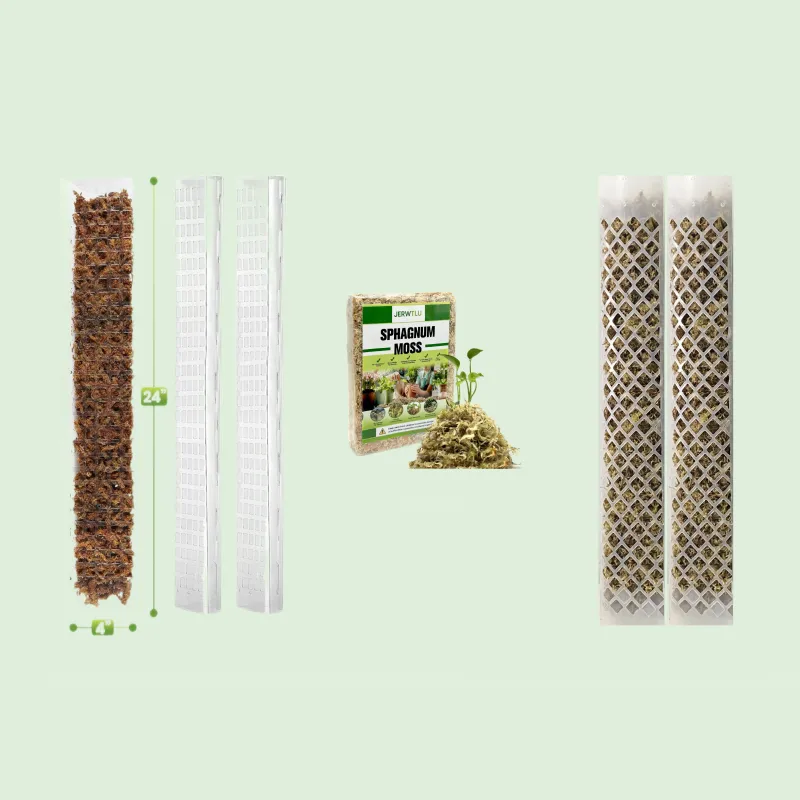
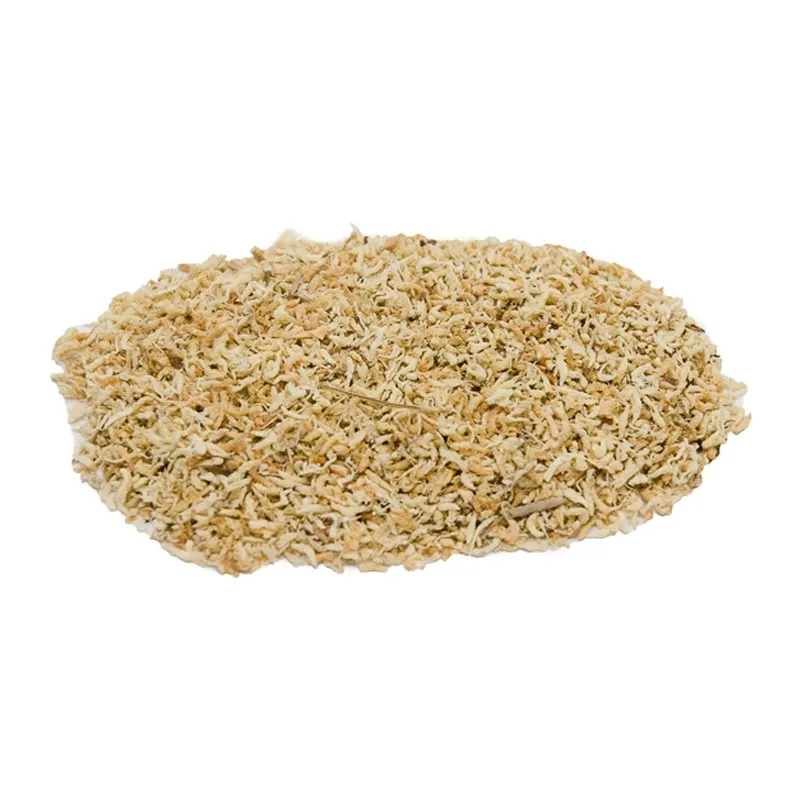
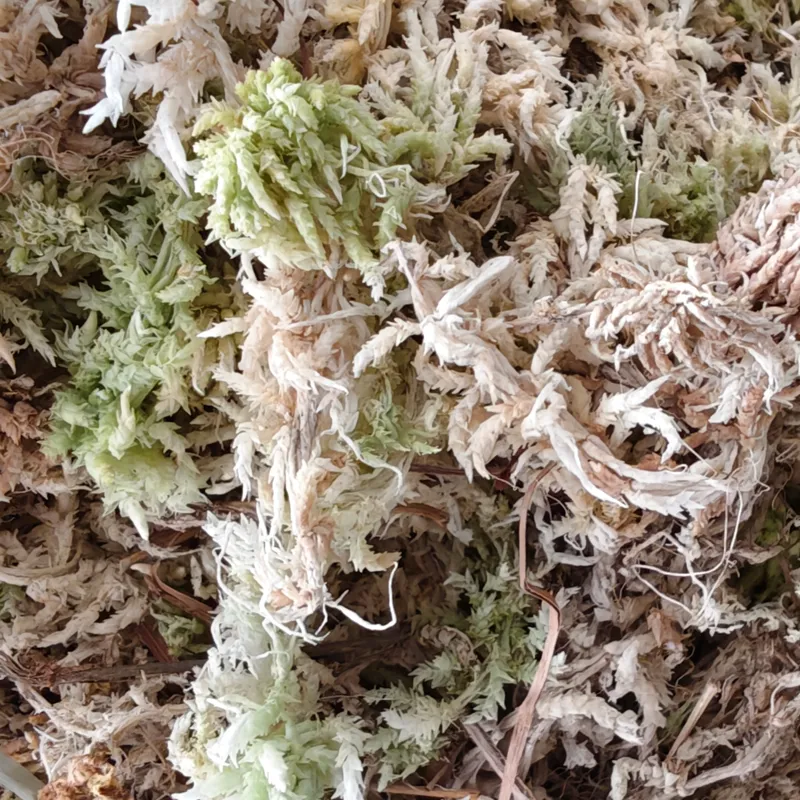
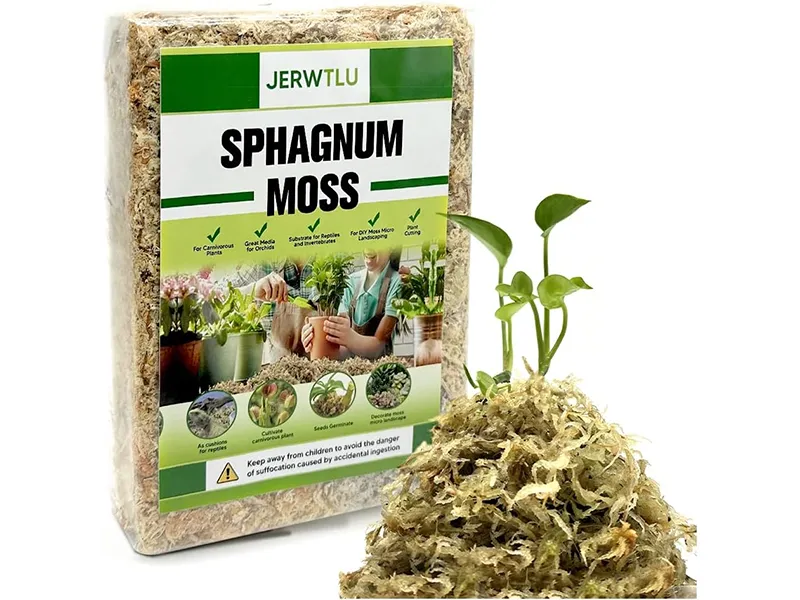
Sphagnum moss is widely used in plant cultivation, propagation, and animal habitats due to its excellent water retention and aeration properties. However, not all sphagnum moss is safe or suitable for...
Learn More >
Air plants and tank bromeliads belong to the Bromeliaceae family and originate from tropical rainforest environments. Known for their unique water-holding leaf centers, vibrant coloration, and minimal soil requirements, they are popular ornamental plants for indoor and decorative use.
This guide provides clear, professional instructions covering light, temperature, watering, humidity, air circulation, and planting methods .
Light needs vary by variety, but air plants generally prefer bright, indirect light .
Recommended Light Conditions
Gray or silver-leaved, firm-textured varieties
→ Require strong light or bright filtered sunlight
Green, softer-leaved varieties
→ Tolerate partial shade or indoor ambient light
Best Practices
Place near a window with indirect sunlight
Approximately 8–10 hours of light per day
Artificial indoor lighting is acceptable
Avoid intense direct sunlight in summer to prevent leaf burn
Adequate lighting promotes healthy growth and enhances leaf coloration.
Optimal Temperature Range
Ideal growth temperature: 15°C–25°C (59°F–77°F)
Tolerable range: 5°C–40°C (41°F–104°F)
Temperature Management
When temperatures exceed 25°C (77°F), increase ventilation and humidity
Most varieties tolerate winter temperatures down to around 5°C (41°F)
Some cold-tolerant varieties can briefly withstand 0°C (32°F)
Prolonged exposure below 5°C (41°F) may cause damage; below 0°C (32°F) can be fatal
Air plants absorb moisture primarily through their leaves. Proper humidity and watering technique are essential.
Watering Principles
“Watering” refers to maintaining high ambient humidity (above 90%)
During active growth, mist plants regularly to simulate rainforest conditions
Correct Watering Method
Use a fine mist spray bottle
Thoroughly wet the entire plant each time
Ensure even coverage of leaf surfaces
Important Precautions
❌ Do not allow water to remain in the leaf center for extended periods
Standing water in the leaf cup for more than 24 hours can cause bacterial growth and rot
If overwatered, gently turn the plant upside down to drain excess water
Watering Frequency
2–3 times per week under normal conditions
Increase frequency in hot, dry, well-ventilated environments
Reduce watering during rainy seasons or in naturally humid conditions
Best Time to Water
Early morning or evening
Avoid watering under strong midday sunlight
Good airflow is essential for air plant health.
Maintain adequate ventilation indoors
Place plants near windows or in airy locations
Avoid stagnant, humid environments without air movement
Proper air circulation prevents mold, rot, and growth stagnation.
Mounted or Terrarium Display
Roots may be wrapped with a small amount of sphagnum moss for moisture retention
Secure plants to driftwood, bark, or mounting boards
Adequate moisture, temperature differences, and lighting enhance coloration
Potted Planting
Use well-draining media such as:
Coconut husk
Bark
Orchid stone
Clay pellets
Peat mixed with sphagnum moss
Avoid direct summer sunlight
Greater day-night temperature differences in winter encourage vivid coloration
After flowering, the mother plant produces offsets (pups) at its base
When pups reach approximately one-third the size of the mother plant , they can be separated and grown independently
✅ Bright, indirect light enhances coloration
✅ High humidity with proper drainage
✅ Good air circulation is essential
❌ Avoid standing water in leaf centers
❌ Avoid stagnant, poorly ventilated environments
Air plants are not maintenance-free—they simply require the right balance of air, light, and moisture.
 Comprehensive Cultivation Guide.png "What Is the Best Substrate for Nepenthes? (The Power of LFSM)")
