 English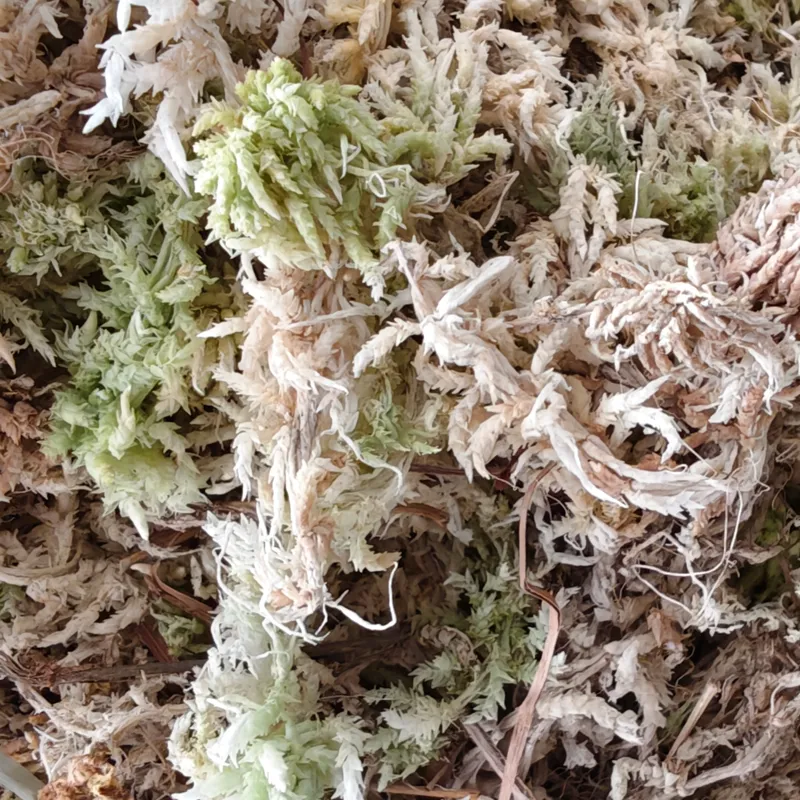
PreparationBefore starting the planting process, it is essential to thoroughly clean the area from the last harvest. This includes:Removing Weeds and Debris: Ensure the area is clean by removing all w...
Learn More >
Bromeliads are fascinating epiphytic plants that originate from the tropical rainforests. Unlike traditional potted plants, Bromeliads do not require soil to grow, making them a unique and low-maintenance addition to any home or office. This care guide will provide you with the essential information to successfully grow and maintain healthy Bromeliads.
Bromeliads have varying light requirements depending on the specific variety. Generally:
Varieties with harder, grayish leaves need ample sunlight or strong, diffused light.
Varieties with green leaves can tolerate lower light conditions and can grow well in partially shaded or indoor environments.
Most Bromeliads require around 10 hours of light per day for optimal growth.
The ideal temperature range for Bromeliads is 15°C to 25°C.
They can tolerate a wider range of 5°C to 40°C, but temperatures above 25°C may require increased ventilation and higher humidity to prevent growth stagnation.
Most Bromeliad varieties are sensitive to cold and can be damaged or killed by temperatures below 5°C.
Maintaining high air humidity, ideally above 90%, is crucial for the health and growth of Bromeliads.
Bromeliads do not require frequent watering, only when the air humidity drops below 90%.
During the active growth period, regularly mist the plants to increase air humidity and support their development.
Use a spray bottle to evenly mist the leaves, thoroughly wetting the entire plant.
Avoid letting water accumulate in the leaf center, as this can lead to bacterial and microbial growth, causing the leaves to suffocate.
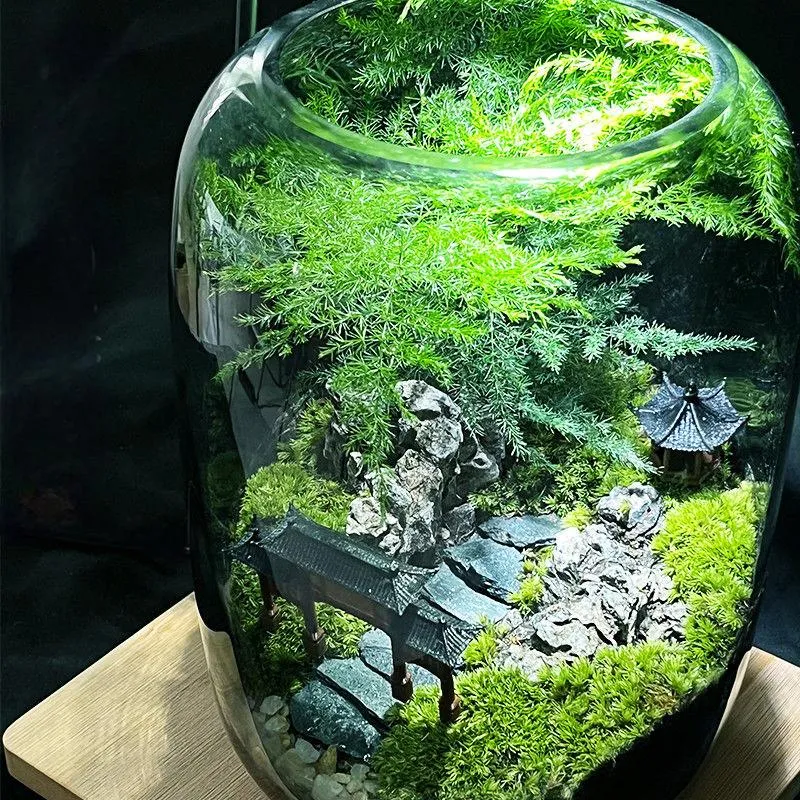
Bromeliads can be grown in a rain forest-style terrarium, with the roots wrapped in moss and fixed on driftwood or rhododendron roots.
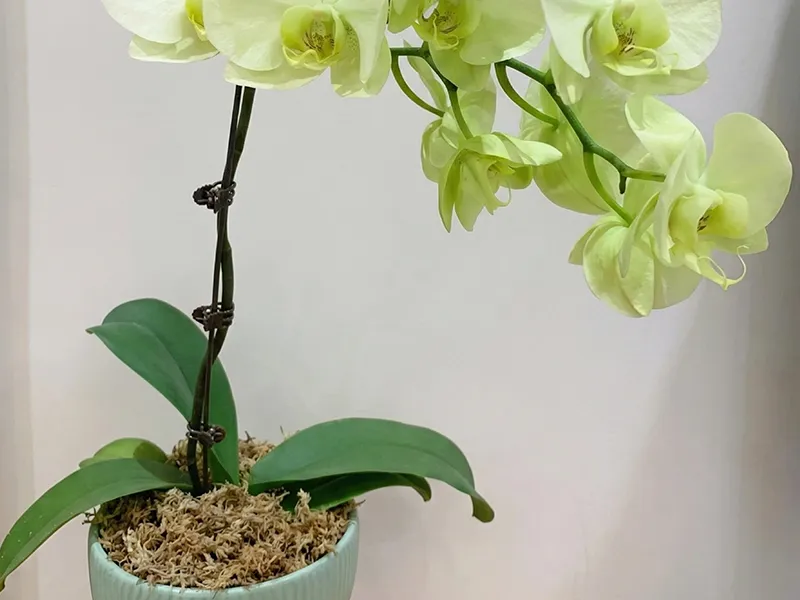
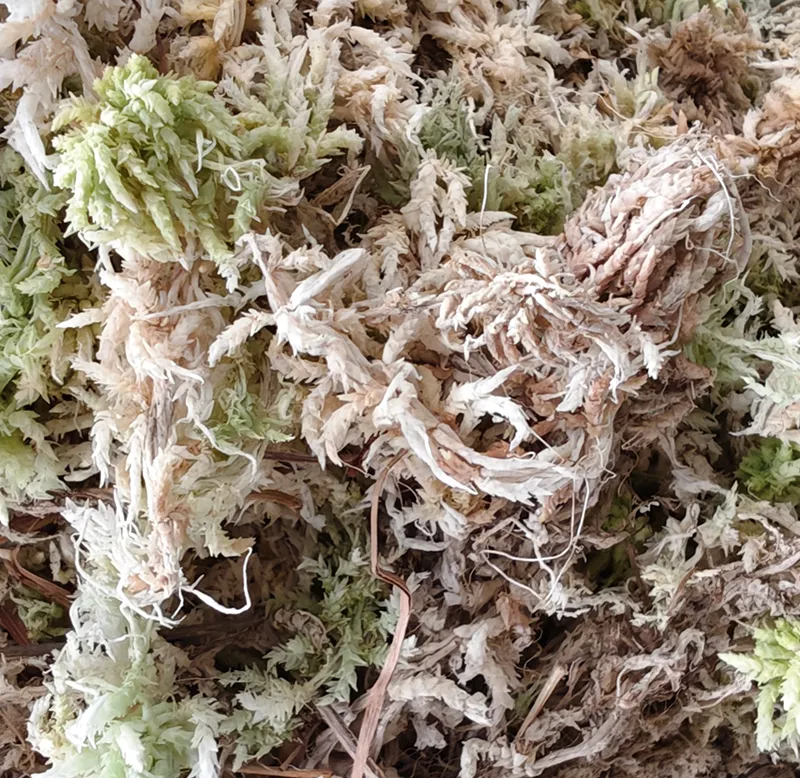
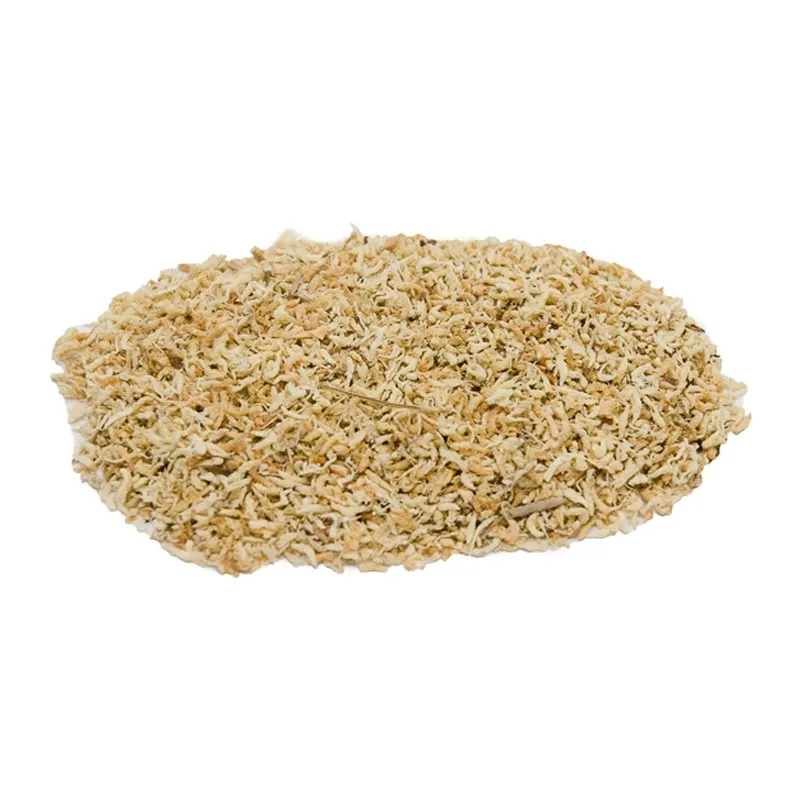
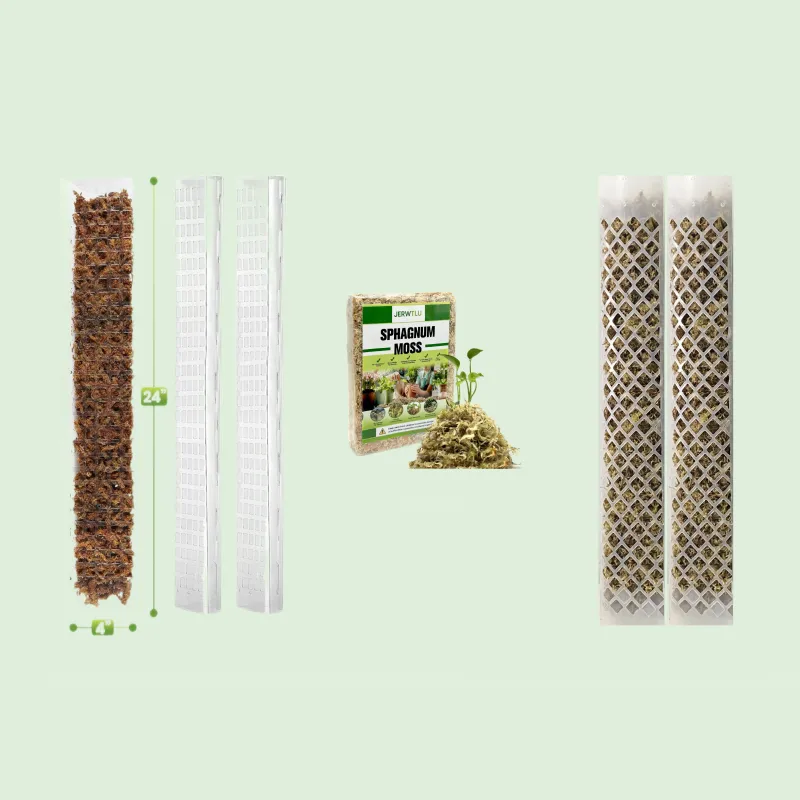
They can also be potted in well-draining media. Especially sphagnum mosss.
Provide partial shade in the summer to avoid direct sunlight, as this can damage the leaves.
In the winter, the distinct temperature difference can bring out more vibrant colors in the plants.
After the plant matures, offsets (pups) will grow from the roots, which can be carefully detached and grown separately.
By following these guidelines, you can ensure the long-term health and thriving growth of your Bromeliads, allowing you to enjoy their unique and captivating appearance in your living space.
![[Production Process] Sphagnum Moss Planting](/uploads/image/20251124/planting-sphagnum-moss.webp "[Production Process] Sphagnum Moss Planting")