 English

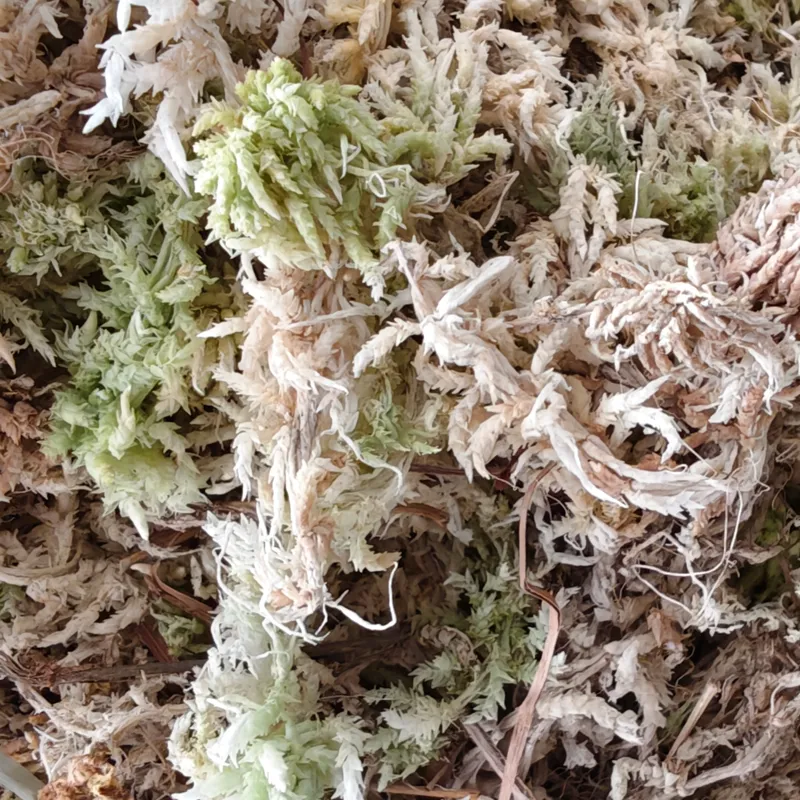
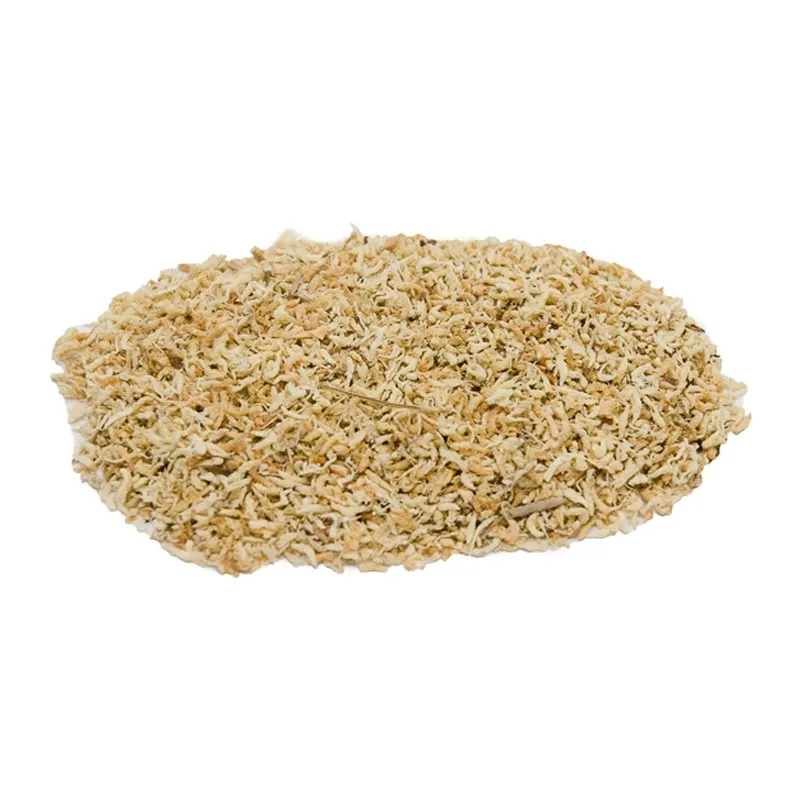
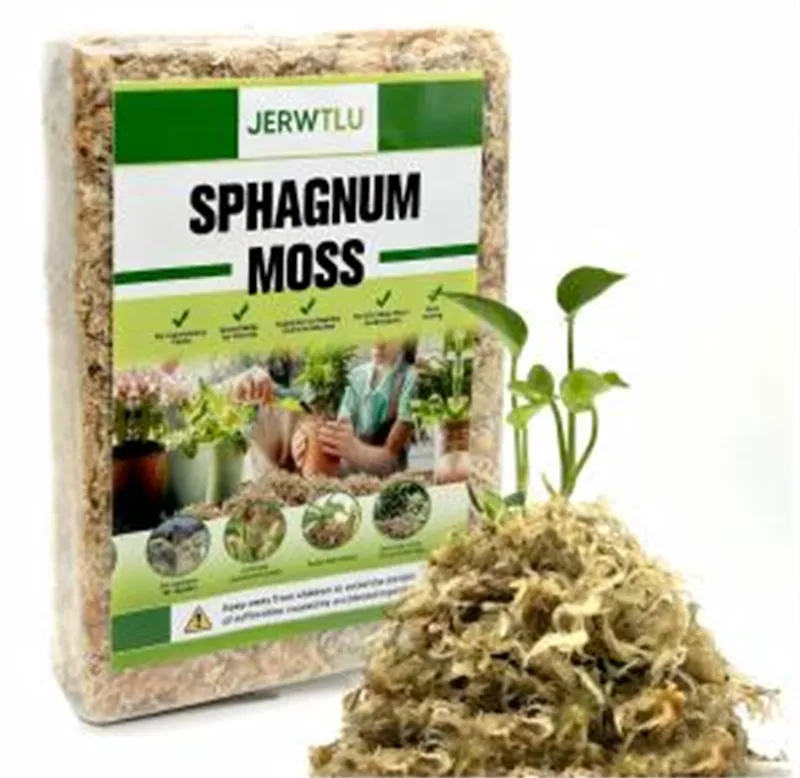
Our Jerwtlu Compressed Sphagnum Moss is made from 100% natural materials and grown using natural fertilizers, ensuring the high quality of the product. We are very strict in selecting fresh sphagnum m...
Learn More >
Sphagnum moss is widely used in plant cultivation, propagation, and animal habitats due to its excellent water retention and aeration properties. However, not all sphagnum moss is safe or suitable for use.
Low-quality or poorly processed sphagnum moss can pose serious risks to both plant health and animal safety.
This guide explains the potential problems caused by inferior sphagnum moss and outlines professional measures to ensure safe and effective use.
1. Root Rot
When sphagnum moss is moldy or retains excessive moisture:
The fibrous structure becomes compacted
Oxygen availability to the roots is reduced
The risk of root rot increases significantly
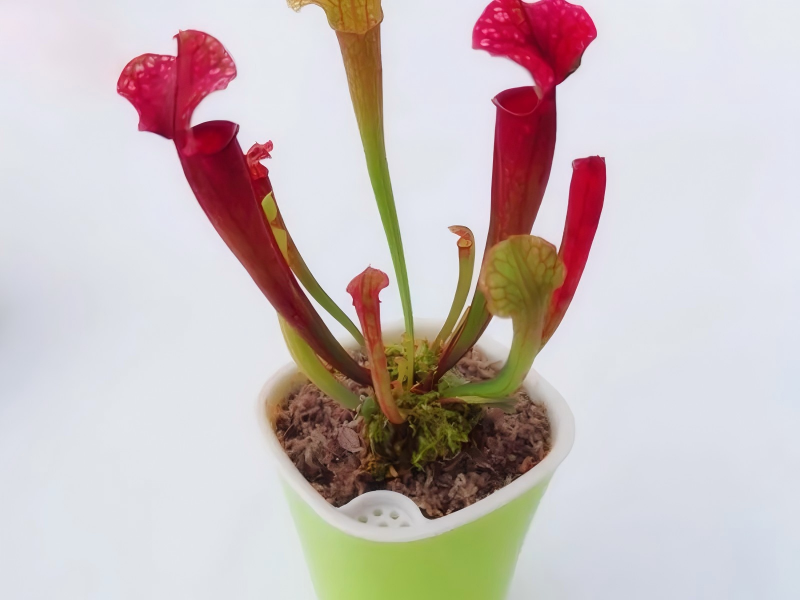
This is particularly important when preparing sarracenia sphagnum moss, as the substrate needs to remain consistently moist without becoming excessively compacted.
Prolonged oxygen deprivation can severely damage root systems and ultimately lead to plant decline or death.
2. Disease Transmission
Contaminated or moldy sphagnum moss may harbor:
Fungal pathogens
Bacterial organisms
These pathogens can enter plants through the root system, resulting in:
Slowed growth
Leaf discoloration
Increased susceptibility to disease
3. Impaired Nutrient Absorption
Mold growth can coat sphagnum fibers and interfere with:
Water movement
Nutrient uptake
As a result, plants may exhibit poor growth even when watering and fertilization practices appear adequate.
Low-quality sphagnum moss presents heightened risks in animal enclosures, especially for reptiles, amphibians, and small mammals.
1. Respiratory Issues
Mold spores and volatile organic compounds (VOCs) may be released into the air
These airborne contaminants can cause respiratory irritation or infection
Sensitive species are particularly vulnerable
2. Allergic Reactions
Some animals may develop allergic responses to mold or its byproducts, including:
Skin irritation or itching
Behavioral changes
Difficulty breathing
3. Ingestion Risks
If animals accidentally ingest moldy sphagnum moss:
Digestive discomfort may occur
In severe cases, toxicity or poisoning is possible
3. Professional Improvement and Prevention Measures
1. Post-Harvest Cleaning
Thoroughly clean sphagnum moss after harvesting
Remove debris, organic residues, and potential contaminants
Reduce the likelihood of mold development during storage
2. Controlled Drying
Sun-dry or air-dry sphagnum moss for at least 48 hours
Turn the moss regularly to promote even evaporation
Target a moisture content below 15% to effectively inhibit mold growth
3. Sealed Storage
Store sphagnum moss in vacuum-sealed or high-barrier packaging
Limit exposure to air and humidity
Preserve fiber structure and extend shelf life
4. Best-Practice Care Summary
Avoid sphagnum moss with musty odors, gray discoloration, or clumping
Rinse and rehydrate properly before use
Replace moss periodically in long-term applications
Apply stricter quality standards for animal habitats
High-quality sphagnum moss is essential for safety and performance.
Proper selection, storage, and maintenance will significantly improve plant health and protect animal well-being.