 English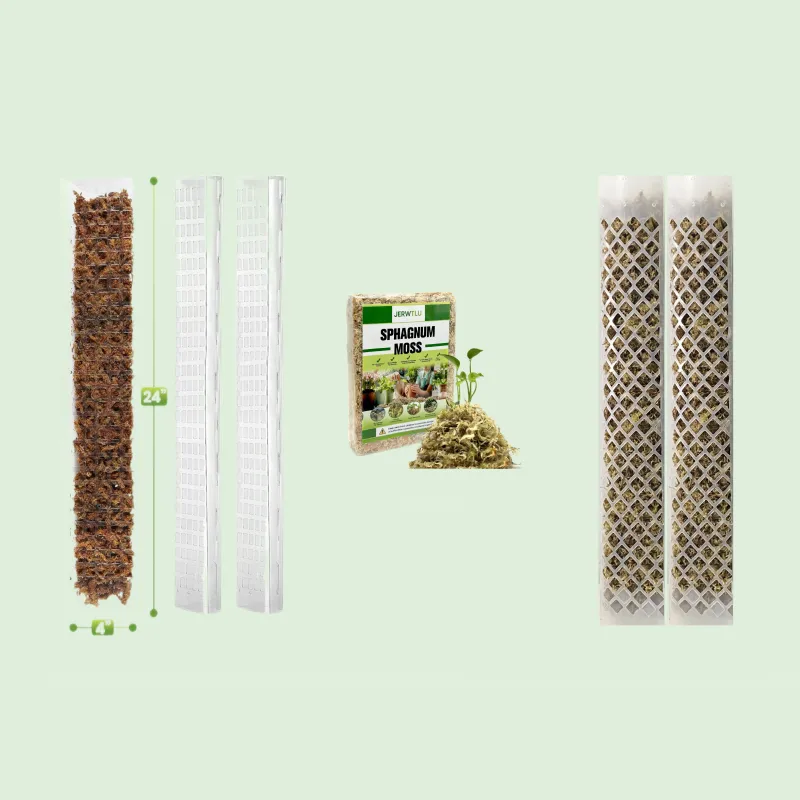
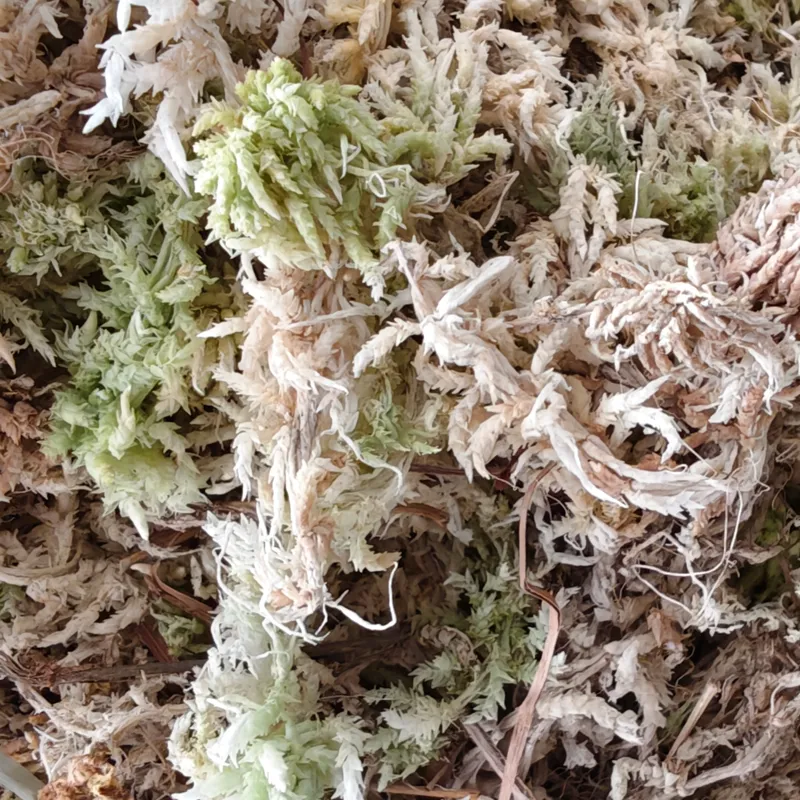

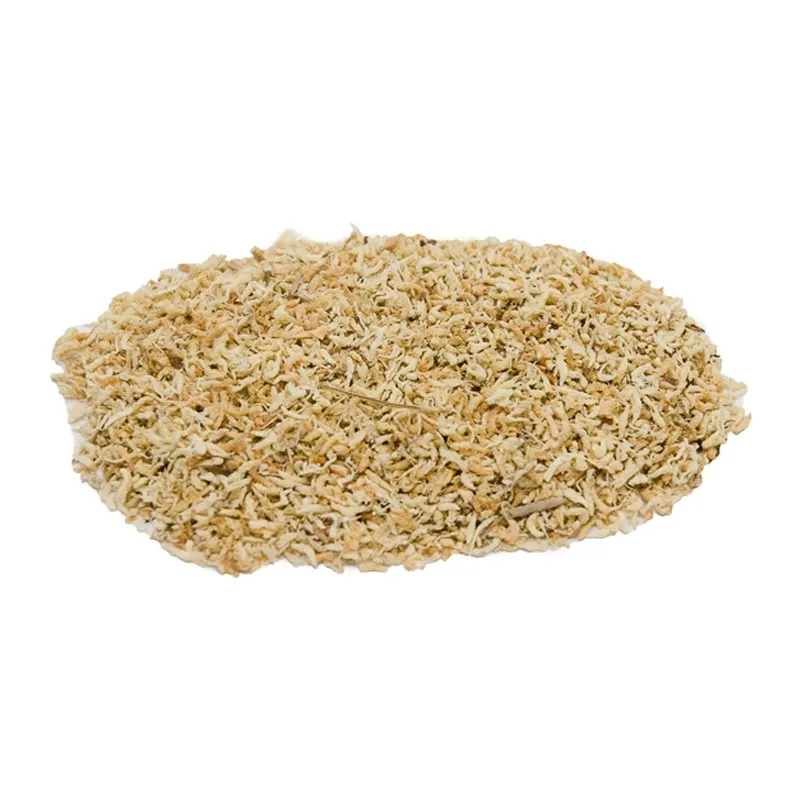
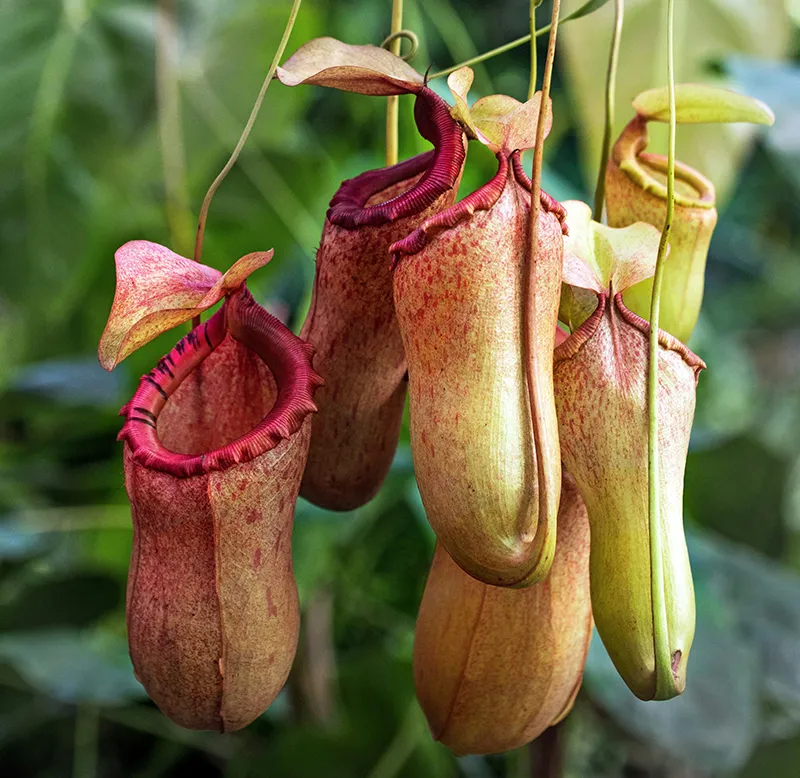
Substrate SelectionNepenthes plants thrive best when planted in sphagnum moss. Sphagnum moss provides excellent water retention, aeration, and resistance to decomposition - making it an ideal substrat...
Learn More >
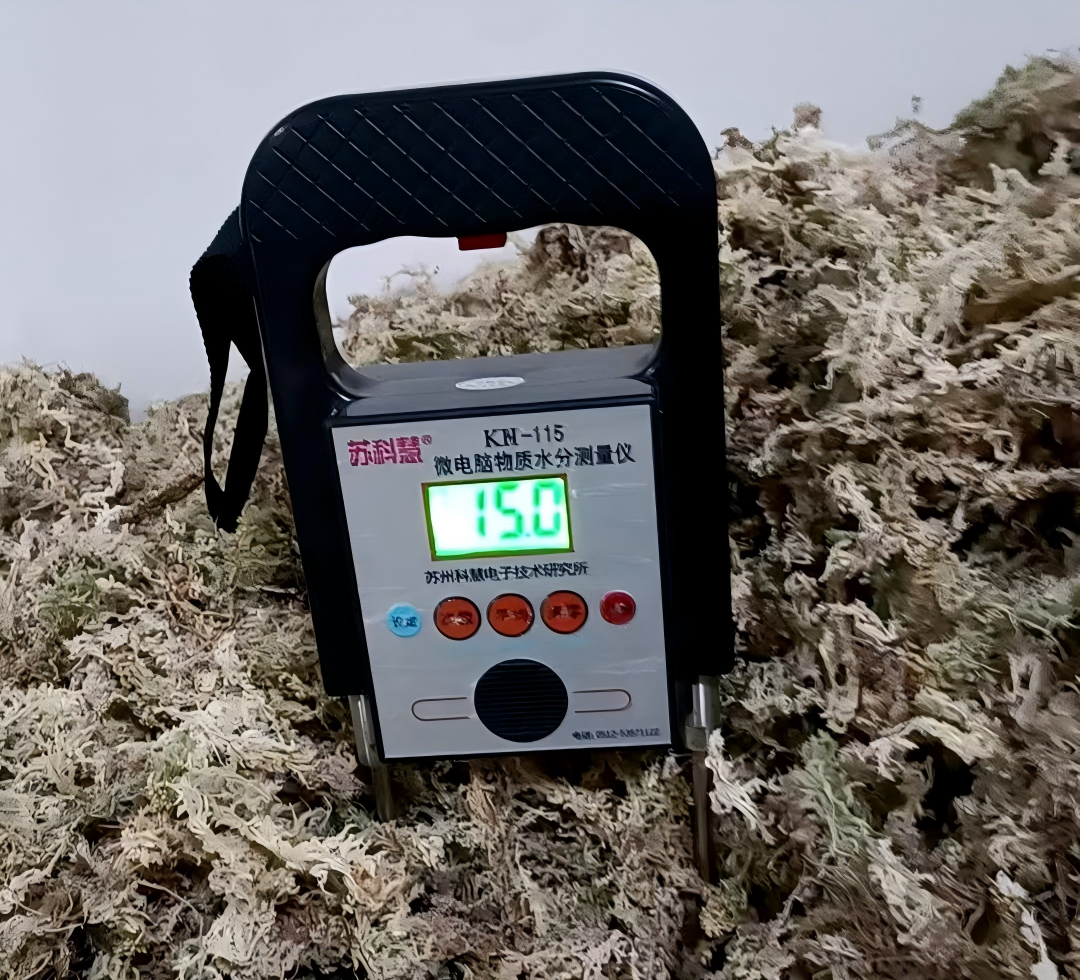
Proper drying is essential to prevent mold and preserve the quality of the moss:
Sunlight Exposure: Spread the cleaned moss in a single layer on a clean, flat surface (such as drying racks or clean cloths) to maximize exposure to sunlight.
Duration: Allow the moss to dry for a full two days, ensuring it receives ample sunlight throughout this period. This helps evaporate moisture efficiently.
Moisture Measurement: Use a hygrometer to measure the moisture content of the moss. The ideal moisture level should be controlled at around 15%. This ensures the moss is adequately dried without being overly desiccated.
During the drying process, it’s important to monitor the conditions:
Weather Considerations: Ensure that the weather remains clear and sunny for the entire drying period. If rain or high humidity is expected, consider covering the moss temporarily to prevent moisture absorption.
Airflow: Ensure good airflow around the moss during drying. This can be achieved by placing the drying racks in a well-ventilated area, promoting even drying and preventing mold growth.
Once the moss is fully dried, the next step is sorting:
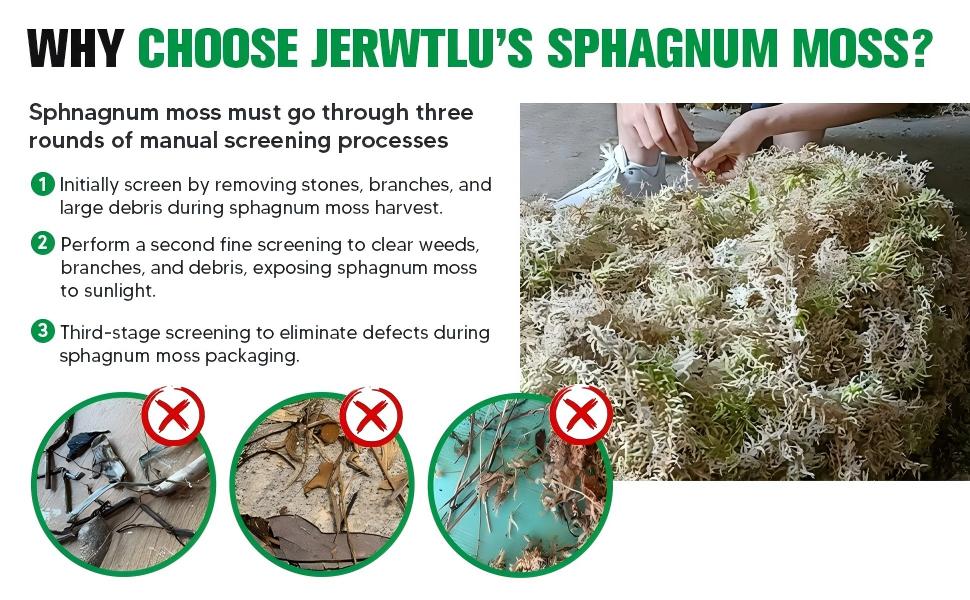
Removing Debris: Carefully inspect the dried moss for any unwanted materials such as branches, stones, leaves, or other debris.
Sorting Technique: Use your hands to gently sift through the moss, picking out any foreign objects. This step is crucial to ensure that only pure, high-quality moss is packaged.
Quality Check: As you sort, also check for any remaining damaged or discolored pieces of moss that may have been overlooked during the cleaning process. Remove these to maintain the overall quality of the final product.