
 English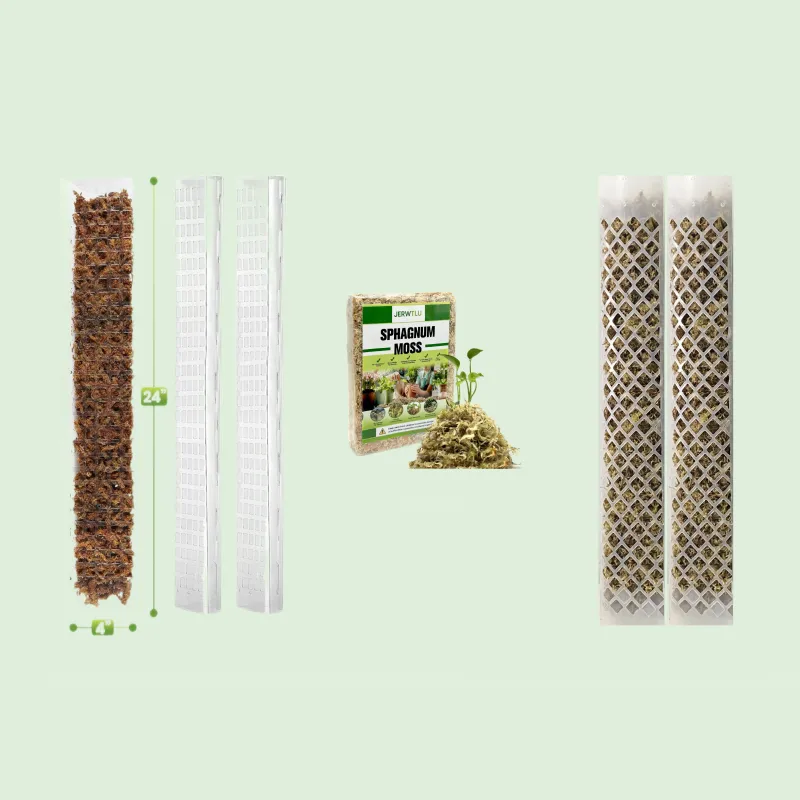
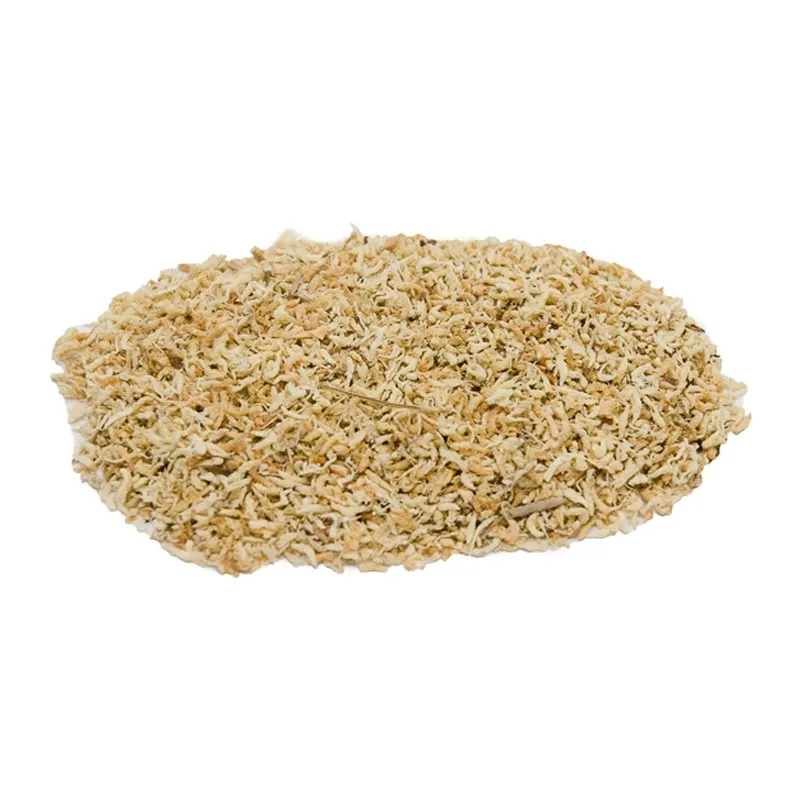
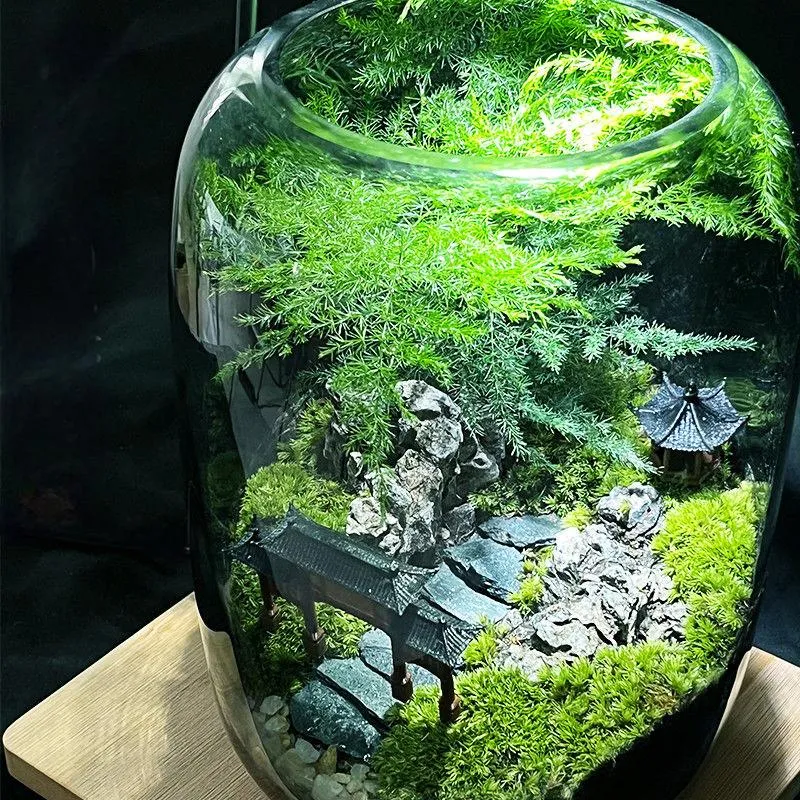
Sekisui Pineapple Maintenance GuideSphagnum Moss Planting MethodSphagnum Moss Substrate Sekisui Pineapple is ideal for using peat moss as a planting substrate. Sphagnum moss has good water retention a...
Learn More >
Unlock the secrets to healthier, more vibrant Nepenthes with the ideal substrate mix using long-fiber sphagnum moss (LFSM). Discover why air, moisture balance, and substrate quality are critical to your success.
 Comprehensive Cultivation Guide.png "/uploads/image/2026/06/08/Sarracenia (Pitcher Plant) Comprehensive Cultivation Guide.png")
Most Nepenthes, commonly known as tropical pitcher plants, don't survive past their first three months in cultivation. The culprit? Root suffocation. Understanding the unique biology of these fascinating carnivorous plants can make all the difference in their success.
Unlike Sundews, which thrive in sopping soils, Nepenthes are semi-epiphytes—or “vines of the air." Their roots tend to grow in airy, moisture-balanced environments, mimicking the tropical canopies of their natural habitats.
The best substrate for Nepenthes is a 1:1 mix of Jerwtlu Nepenthes Sphagnum Moss and perlite. This formulation strikes the perfect balance between moisture retention and oxygen exchange, ensuring your beloved Nepenthes remains healthy and free of root rot.
To choose the best growing medium, it’s essential to first understand the unique nature of Nepenthes roots. Unlike the robust root systems of many other plants, Nepenthes roots are small, wiry, and extremely sensitive to overwatering, mineral salts, and compaction.
The roots of Nepenthes require ample oxygen exchange to thrive. Without enough airflow, roots can "drown" and die. This makes choosing the right substrate critical for their well-being.
"Standard peat-based mixtures are a death sentence for most Nepenthes species because they become compacted over time, cutting off vital oxygen supply."
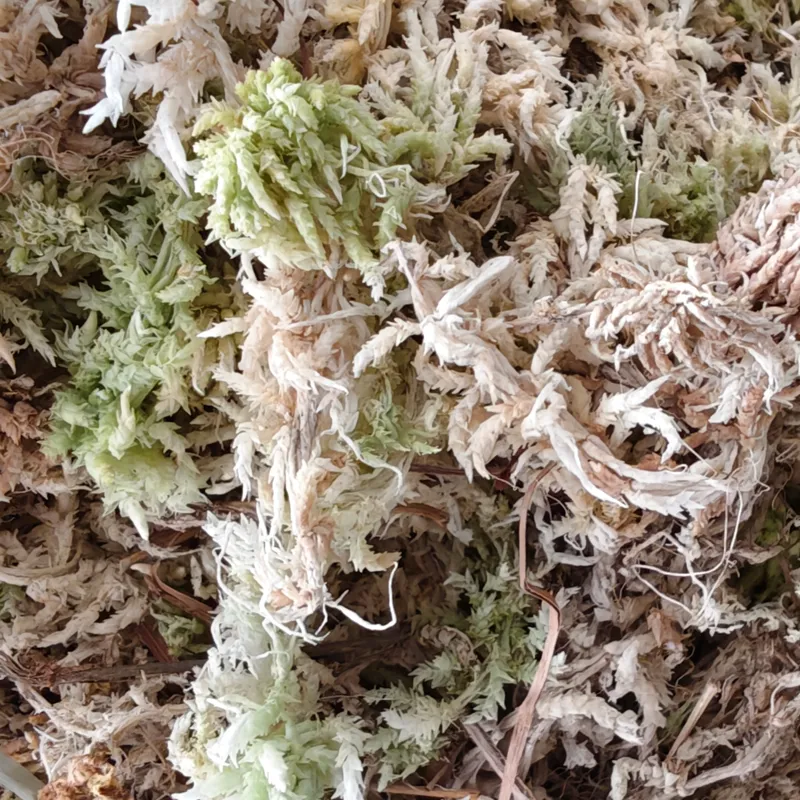
Texture matters. Unlike compacted or shredded moss, long-fiber sphagnum moss retains its structural integrity and creates crucial air pockets for root health. With the right LFSM, you can avoid the issues caused by compacted or oxygen-starved substrates.
Wicking Ability: Jerwtlu LFSM effectively pulls water up into the root zone without over-saturating, ensuring consistent moisture distribution.
Natural Acidification: High-quality sphagnum moss like Jerwtlu offers an ideal pH range for tropical carnivores, enhancing root absorption efficiency.
Longevity: Premium LFSM resists decomposition, meaning fewer repotting sessions and a more stable growing environment.
A proven mix for all-purpose Nepenthes care:
50% Jerwtlu Long-Fiber Sphagnum Moss
50% Perlite or Pumice for improved aeration
Perfect for high-altitude species:
40% Jerwtlu Long-Fiber Sphagnum Moss
40% Perlite or Pumice
20% Orchid Bark for added texture and drainage
Encourage root growth in new Nepenthes cuttings:
100% Jerwtlu Long-Fiber Sphagnum Moss
Soaked overnight in distilled or R.O. water
Nepenthes roots are prone to rot if left in waterlogged conditions for extended periods. Proper care and monitoring go a long way in avoiding this common problem.
Always check the moisture content of your substrate. Insert your finger into the mix; if the moss feels soggy rather than just damp, it's time to repot with fresh, airy media.
One of the leading causes of root rot is the natural breakdown of inferior moss, which collapses and eliminates air pockets. Choose high-quality LFSM like Jerwtlu’s products, which resist compaction and have a longer lifespan.
If your Nepenthes isn’t thriving, it might be time for a repot. Look for these indicators:
The moss emits an earthy or sour smell, indicating decomposition.
Your plant stops forming pitchers, showing it’s stressed.
Leaves turn yellow or begin to droop unexpectedly.
Healthy Nepenthes plants begin with the right foundation. Long-fiber sphagnum moss (LFSM) is hands down the best substrate for these tropical treasures, offering an unmatched combination of moisture retention, aeration, and longevity.
Don’t leave your plants’ future to chance—upgrade to Jerwtlu Long-Fiber Sphagnum Moss and let your pitchers thrive like never before!
![[Production Process] Sphagnum Moss Planting](/uploads/image/20251124/planting-sphagnum-moss.webp "[Production Process] Sphagnum Moss Planting")
![[Production Process] Sphagnum Moss Harvesting](/uploads/image/20251124/harvesting-sphagnum-moss.webp "[Production Process] Sphagnum Moss Harvesting")