 English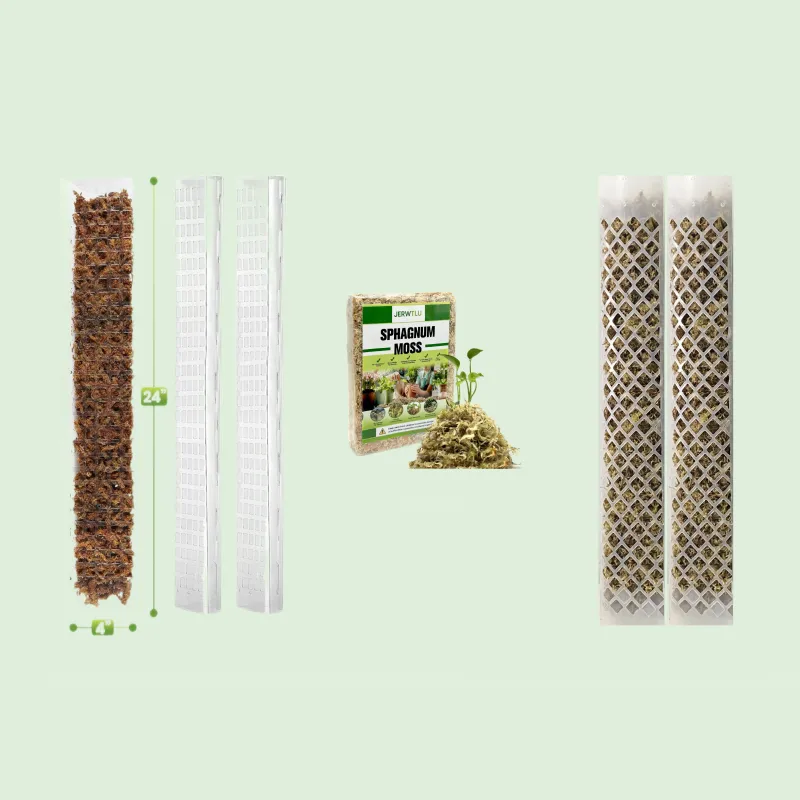
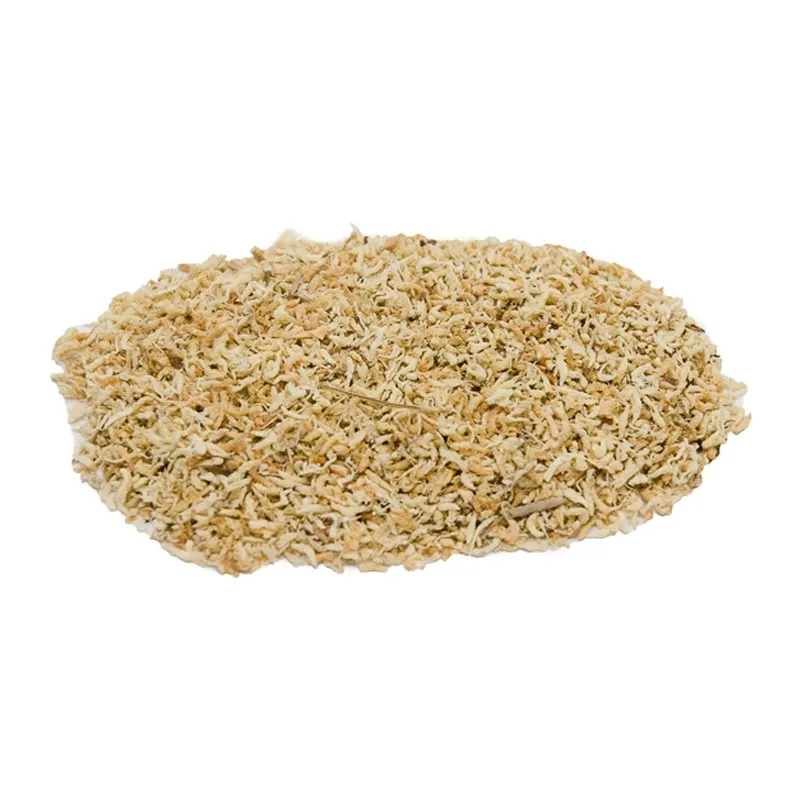
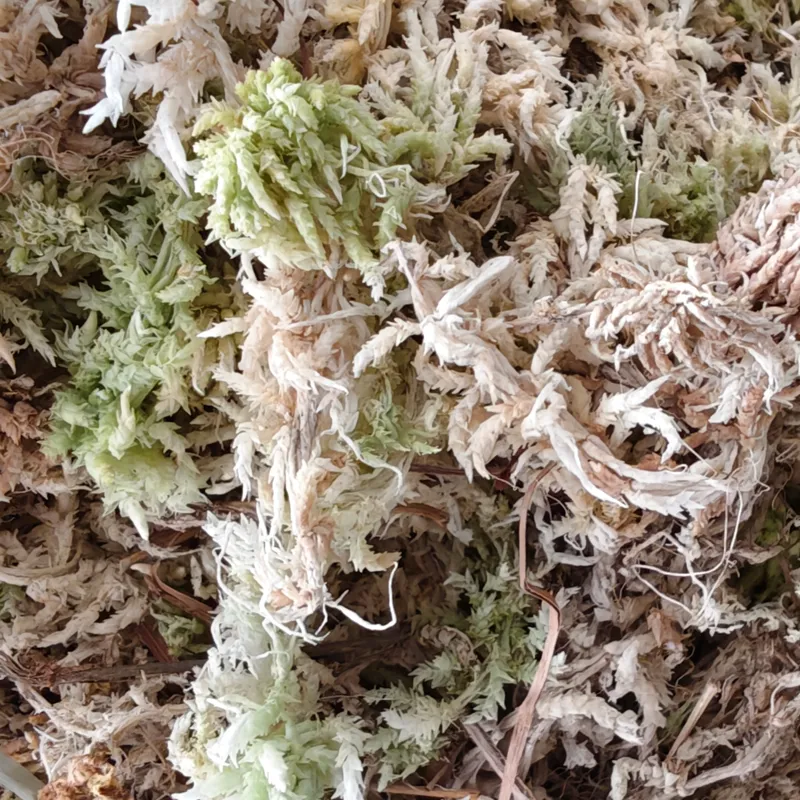
Drying the MossProper drying is essential to prevent mold and preserve the quality of the moss:Sunlight Exposure: Spread the cleaned moss in a single layer on a clean, flat surface (such as drying rac...
Learn More >
In plant care, choosing the right growing medium is often more important than fertilization . Different substrates vary significantly in water retention, aeration, pH level, and sustainability—each of which directly affects root health, growth rate, and overall plant vitality.
This guide provides a professional comparison of three commonly used growing media:
Sphagnum Moss , Coco Coir , and Sphagnum Peat Moss , along with practical recommendations for proper use.
Ideal for High-Humidity and High-Aeration Environments
Sphagnum Moss is a natural, long-fiber moss widely used in professional horticulture due to its exceptional water-holding capacity and excellent airflow.
Key Characteristics
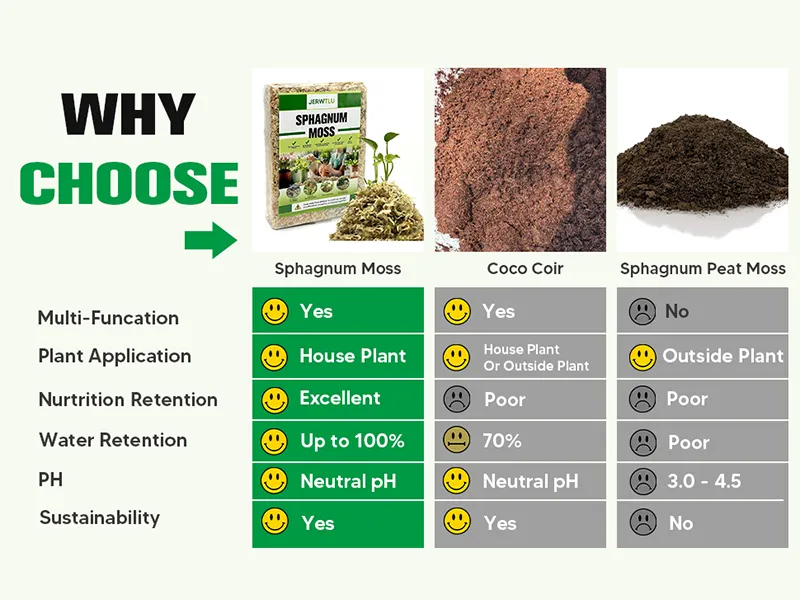
Water Retention : Extremely high; capable of absorbing multiple times its dry weight
Aeration : Excellent; loose fiber structure promotes healthy root respiration
pH Level : Slightly acidic to near neutral (approx. 4.5–6.5)
Nutrient Content : Very low, reducing the risk of fertilizer burn
Best Uses
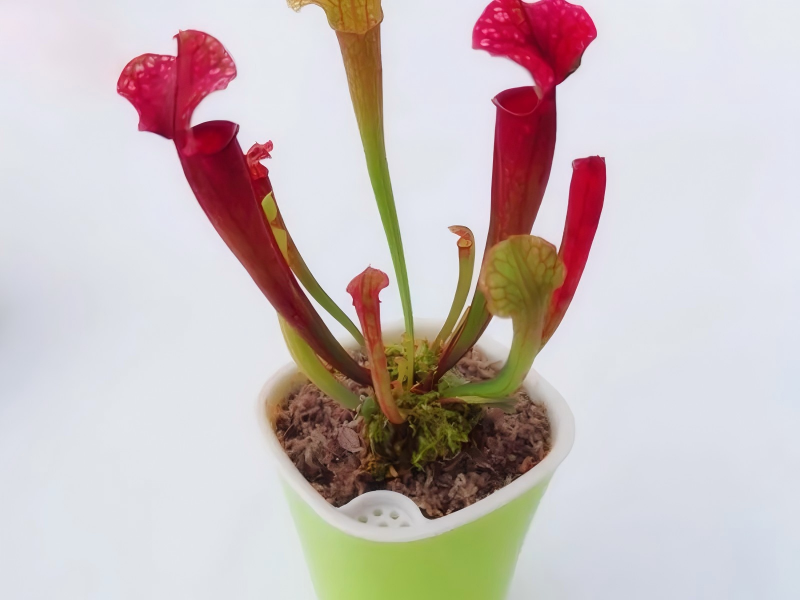
Orchids and carnivorous plants, particularly when using sphagnum moss for sundews that require consistently moist, well-aerated growing conditions
Propagation and cuttings
Moss poles
Plants requiring consistently high humidity
Care Tips
Not recommended as a long-term, stand-alone medium for most foliage plants
Replace periodically to prevent compaction and degradation
Use with diluted fertilizer applied in small, regular doses
A Sustainable, Stable, and Versatile Growing Medium
Coco Coir , derived from coconut husk fibers, is one of the most sustainable and widely used growing media today. It is suitable for both beginners and experienced growers.
Key Characteristics
Water Retention : Moderate to high (approximately 60–70%)
Aeration : Good; maintains structure over time without compacting
pH Level : Near neutral (approx. 5.5–6.8)
Sustainability : Highly renewable and environmentally friendly
Advantages
Naturally low in nutrients but has good cation exchange capacity (CEC) , allowing it to retain added fertilizers effectively
Resists soil acidification
Ideal for blending with perlite, bark, or other amendments
Important Notes
Rinse thoroughly before use to reduce excess salts
Supplement with calcium and magnesium
Requires a consistent fertilization program when used alone
A Specialized Medium for Acid-Loving Plants
Sphagnum Peat Moss is formed from decomposed plant material over thousands of years. Its strong acidity and moisture retention make it essential for certain plant species.
Key Characteristics
Water Retention : High, though it may compact when overly wet
Aeration : Moderate; best improved by mixing with coarse materials
pH Level : Strongly acidic (approx. 3.0–4.5)
Sustainability : Low; non-renewable resource
Best Suited For
Blueberries
Azaleas
Hydrangeas
Other acid-loving plants
Care Tips
Always mix with perlite, bark, or similar amendments
Not suitable for most general indoor plants
Consider environmental impact and local regulations when using peat
| Growing Need | Recommended Medium |
| High humidity & superior aeration | Sphagnum Moss |
| Long-term, eco-friendly, general use | Coco Coir |
| Acid-loving plants | Sphagnum Peat Moss |
There is no universal growing medium—only the most suitable one
Prioritize aeration in high-moisture environments
Choose stable substrates for long-term cultivation
Use peat moss only when acidity is specifically required
Understanding the unique properties of each growing medium will significantly reduce maintenance challenges and improve plant health and longevity.
![[Production Process] Sphagnum Moss Drying and Humidity Checking](/uploads/image/20251124/sphagnum-moss-drying-and-humidity-checking.webp "[Production Process] Sphagnum Moss Drying and Humidity Checking")