 English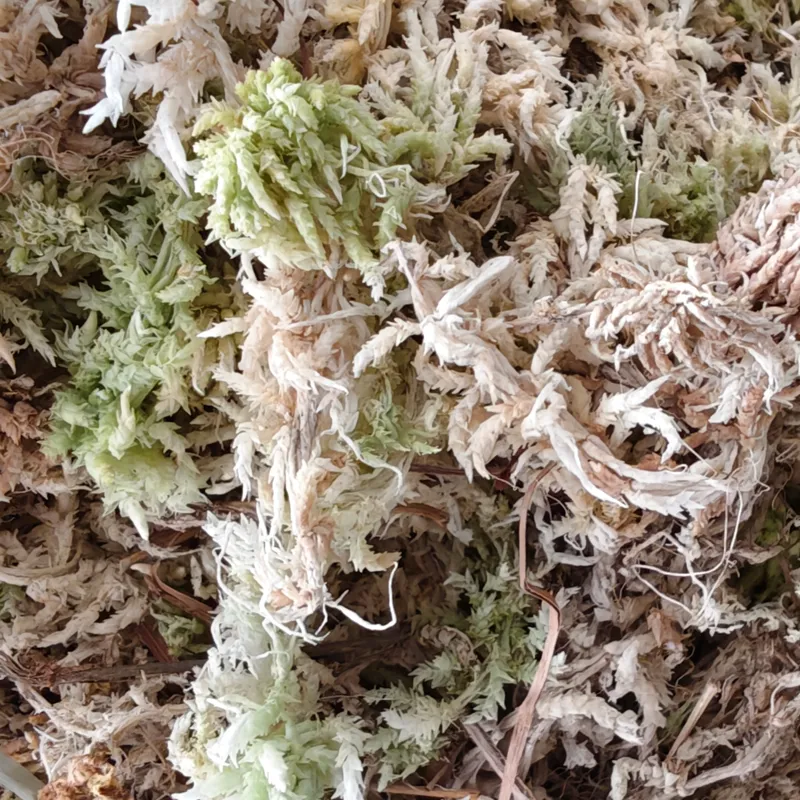
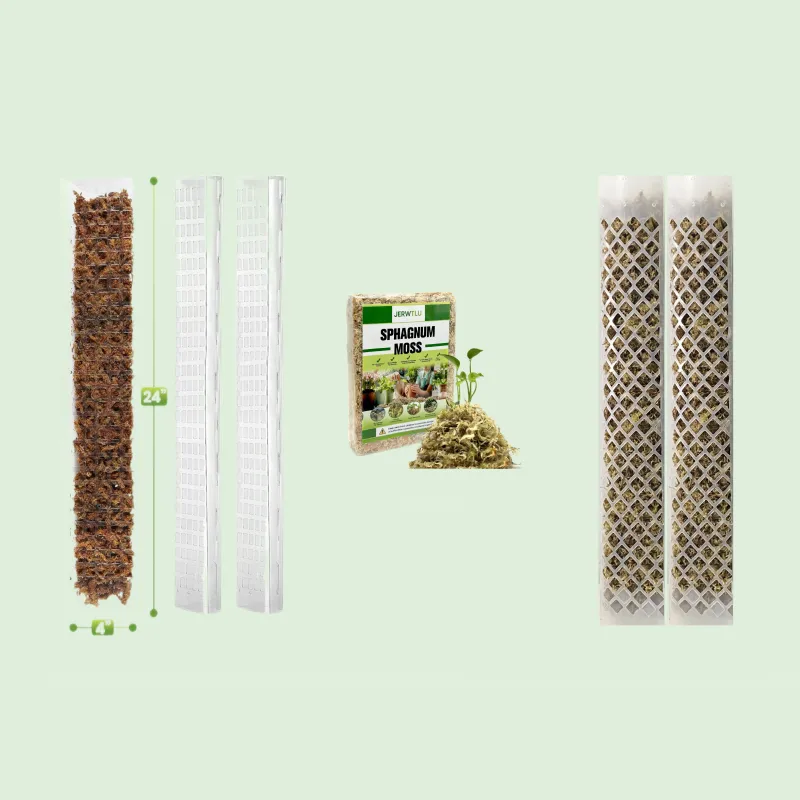
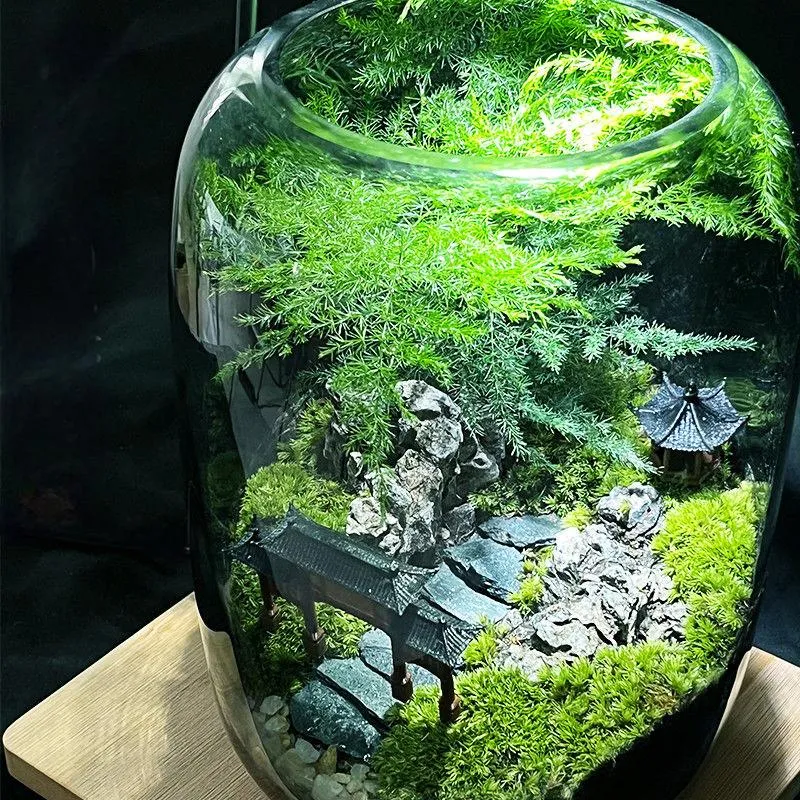
Introduction: The Foundation of Seedling SuccessDid you know 30% of indoor seeds fail to thrive, even with proper lighting and care? For professional growers, orchid enthusiasts, and sustainable garde...
Learn More >
Sekisui Pineapple Maintenance Guide
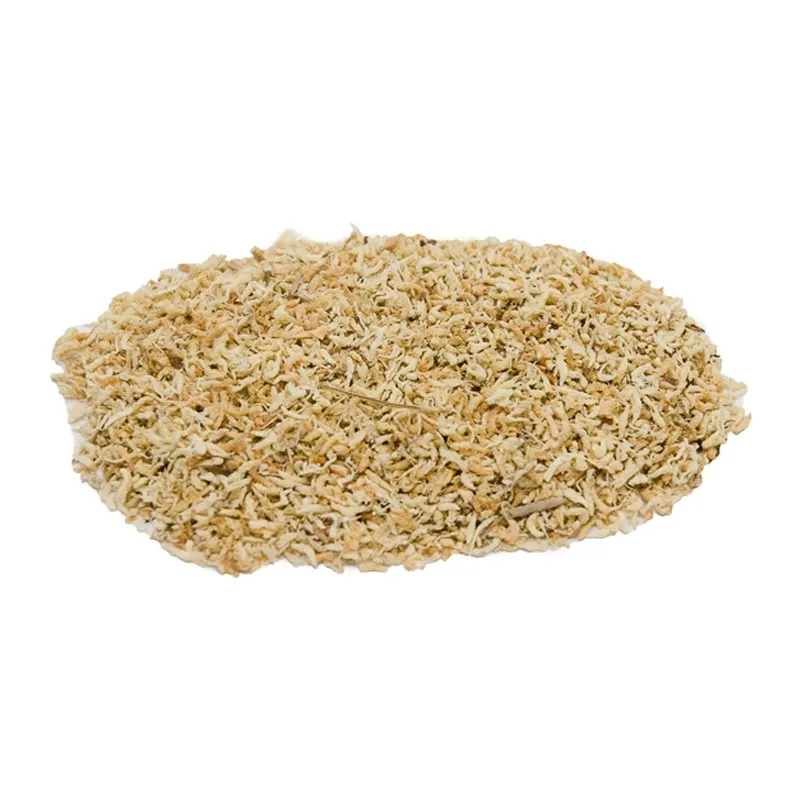
Sphagnum Moss Substrate Sekisui Pineapple is ideal for using peat moss as a planting substrate. Sphagnum moss has good water retention and aeration, which can provide an ideal growth environment for plant roots. Choosing fresh, loose peat moss and mixing it with some fine-grained ceramsite or coconut bran can further improve the drainage of the substrate. The pH of sphagnum moss is acidic, making it ideal for acidic soil-loving plants such as waterlogged pineapple.
Planting Steps
Lay a layer of coarse sand or gravel on the bottom of the pot to ensure good drainage.
Fill the peat moss substrate to two-thirds of the height of the pot.
Carefully place the root system of the waterlogged pineapple in the substrate, trying not to damage the roots.
Fill the pot again with peat moss to the edge of the pot and lightly compact.
Water thoroughly so that the substrate absorbs water sufficiently.
Lighting Sekisui pineapple likes sufficient indirect light and needs 10-12 hours of bright light per day. It can be placed on a southeast-facing windowsill or on a shaded balcony. Proper shade is required in summer and direct sunlight is required.
Temperature
The most suitable growth temperature for Jishui pineapple is 15-25°C. When the temperature is too high in summer, it is necessary to enhance ventilation and spray appropriately to increase humidity. In winter, it can withstand low temperatures of about 5°C, but not below 0°C, otherwise frostbite will occur.
Watering
Standing water bromeliads are epiphytes and do not require extensive watering. However, regular spraying is needed during the growing season to increase air humidity and keep the peat moss substrate moist. When watering, be careful not to let the leaf core accumulate water to avoid breeding bacteria. Spray 2-3 times a week, and it can be appropriately reduced in rainy weather. Watering should be preferably early in the morning or late evening, and avoid spraying in the scorching sun.
Fertilization
Seishui pineapple grows slowly, and a small amount of slow-release organic fertilizer or water-soluble fertilizer can be applied every spring to promote growth and development.
Reproduction
When the mother plant grows, it will grow small seedlings from the roots. When the seedlings grow to one-third the height of the mother plant, they can be broken off and planted separately.
This is the easiest and most effective way to propagate the sekisui pineapple. Through the above detailed planting and maintenance guidelines, I believe you will be able to grow healthy and beautiful Sekisui pineapples successfully.