 English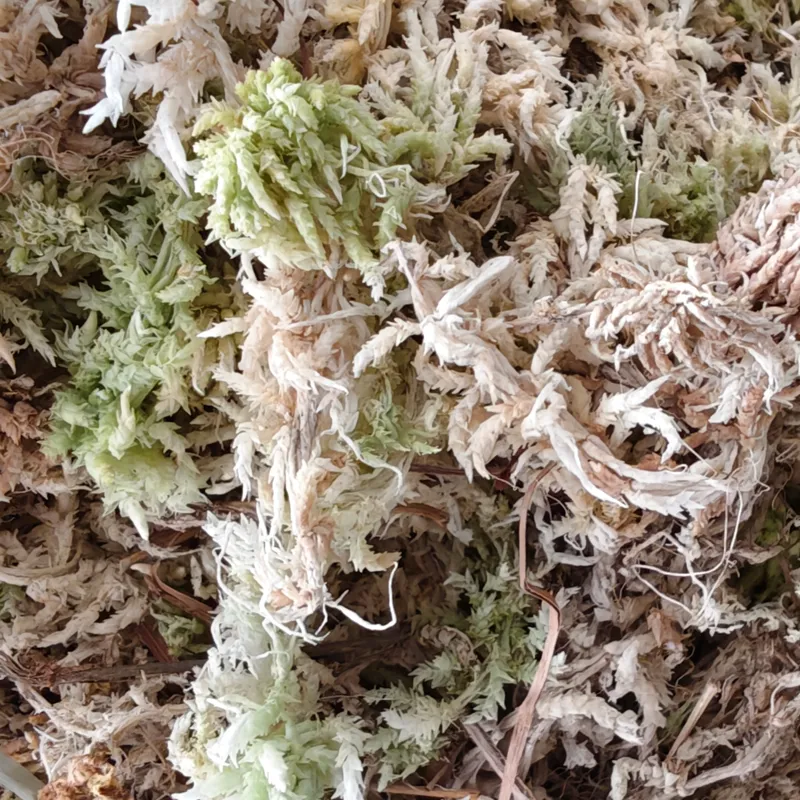
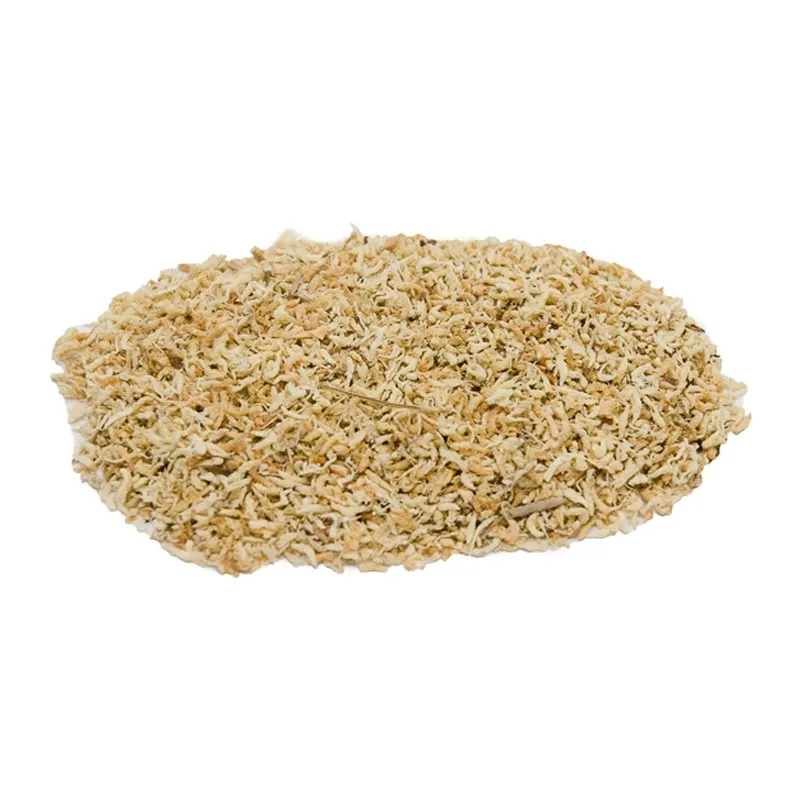
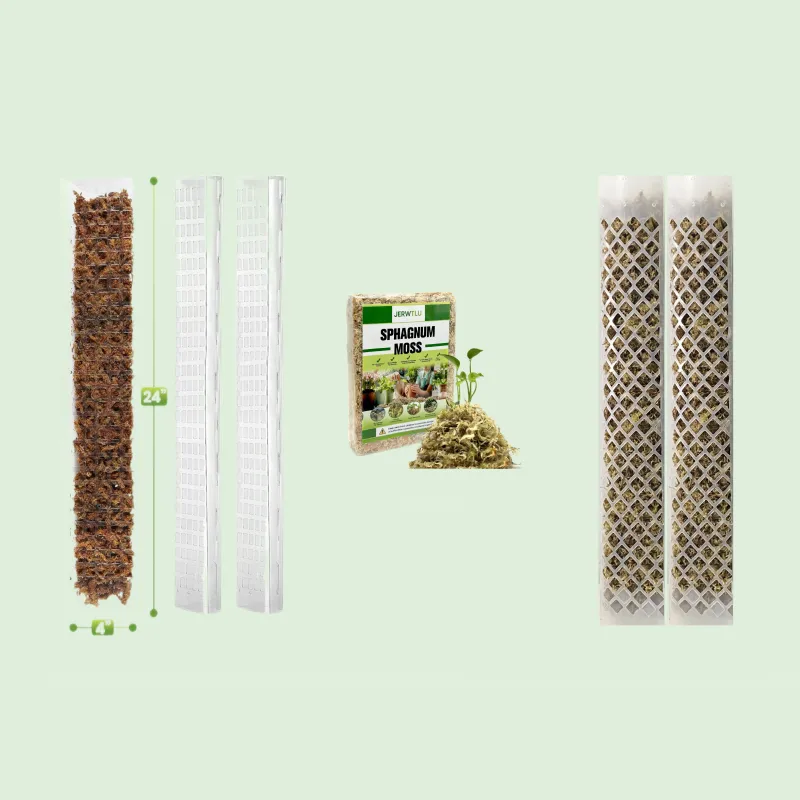

Introduction: The Foundation of Seedling SuccessDid you know 30% of indoor seeds fail to thrive, even with proper lighting and care? For professional growers, orchid enthusiasts, and sustainable garde...
Learn More >
Long-fiber and milled sphagnum moss come from the same plant material, but their structure changes how they hold water, create air space and behave during potting. The best grade depends on the crop, container, irrigation method and whether the moss is used alone or as a blend component.
For growers and substrate buyers, the important question is not which grade is universally better. It is which fiber distribution produces a repeatable root-zone structure for the intended process.
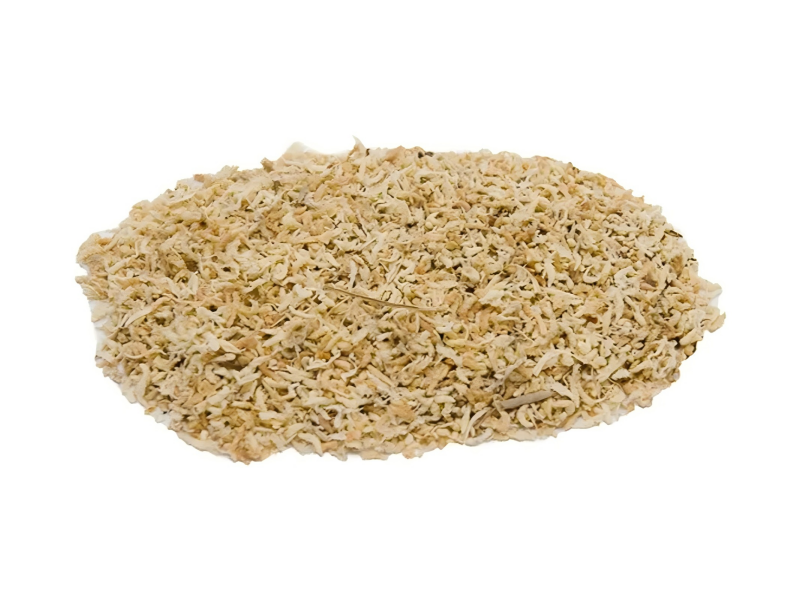
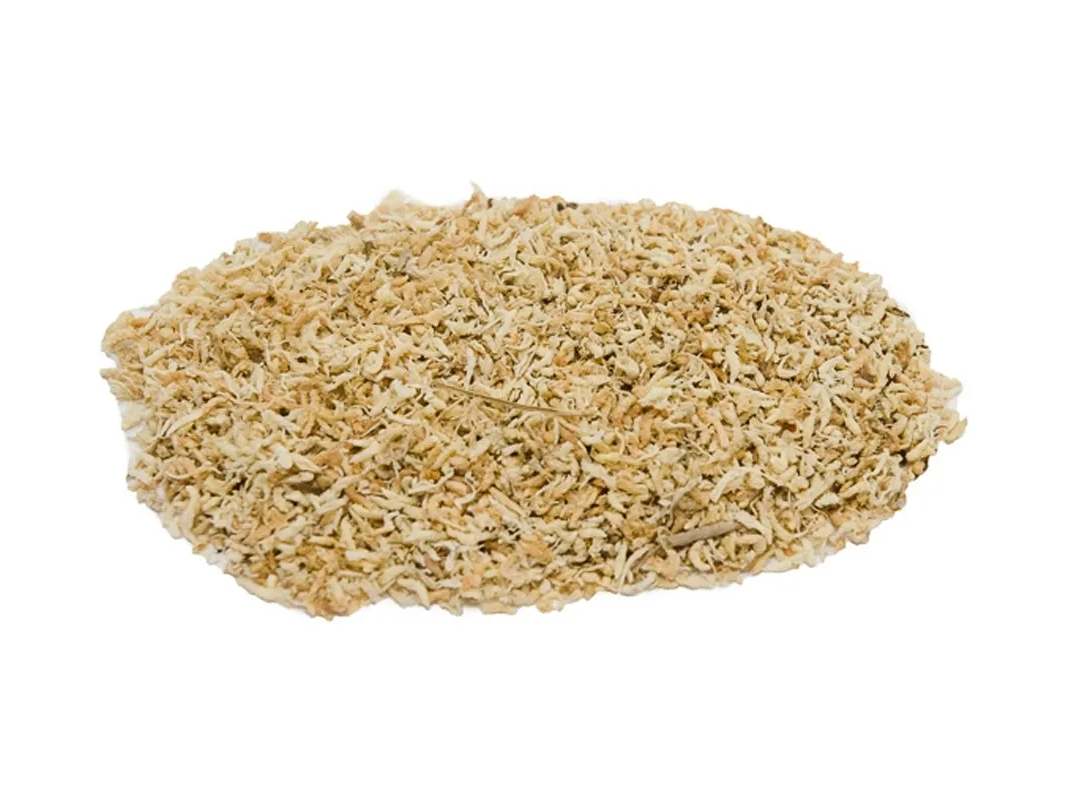
Long fibers interlock and create larger pores when they are placed loosely. This can support aeration around orchid or carnivorous-plant roots while retaining substantial moisture. Milled material has a smaller particle distribution, fills gaps more readily and blends more evenly with bark, perlite or other media.
JERWTLU's milled sphagnum moss can be evaluated as a propagation or mixing grade, but buyers should request an actual fiber/particle specification instead of relying only on the word 'milled'.
| Use | Often suitable grade | Reason to validate |
|---|---|---|
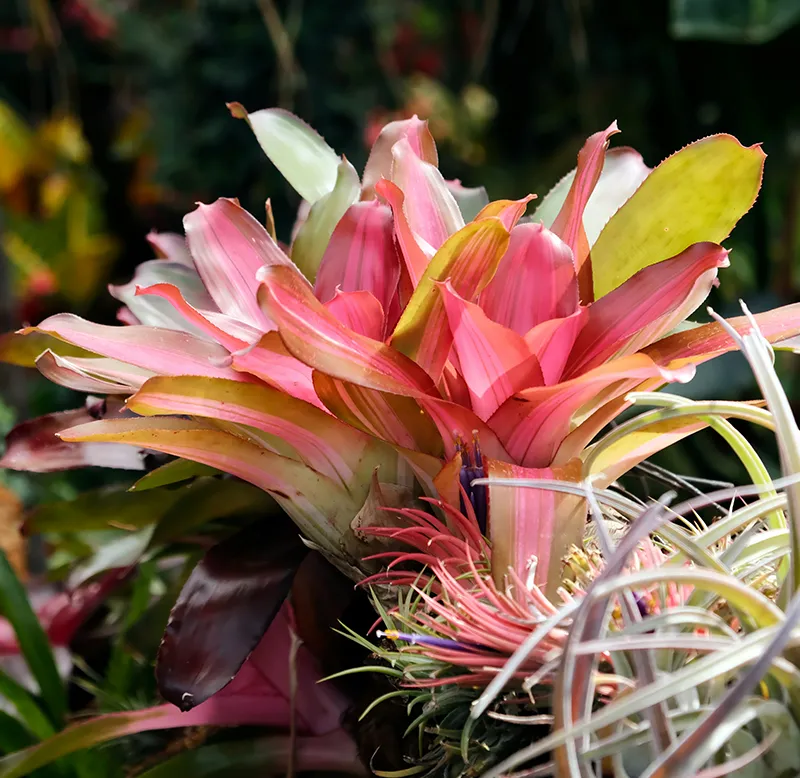
| Orchid potting | Long fiber or a graded blend | Root aeration and pot size vary |
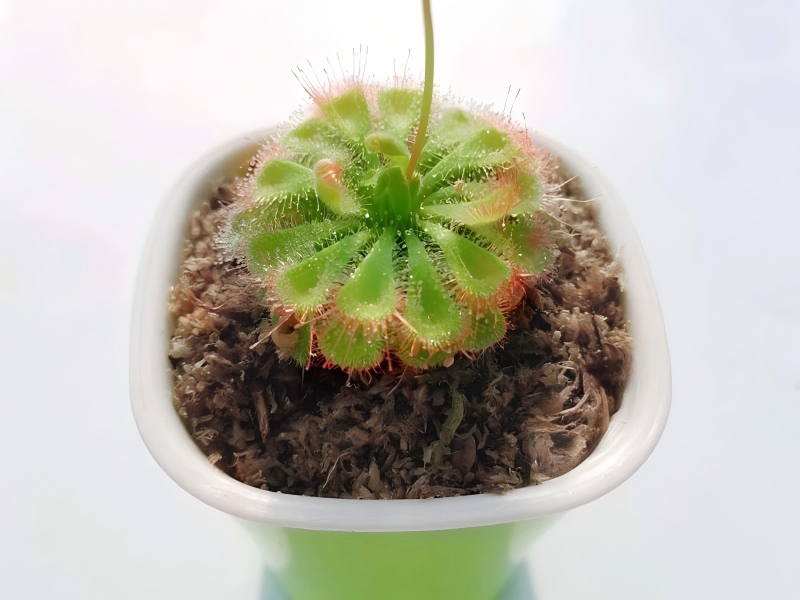
| Carnivorous plants | Long fiber, milled or blended | Species, watering and compaction govern results |
| Seed germination | Fine or milled grade | Uniform surface contact may help small seeds |
| Potting-mix amendment | Milled grade | Easier distribution through the blend |
| Propagation wrapping | Long fiber | Fibers hold together around roots or nodes |
| Terrarium humidity layer | Grade depends on layout | Drainage and replacement access matter |
These are starting points. A nursery should run a crop trial under its own irrigation, fertilizer, pot and climate conditions before changing a commercial formula.
Even a coarse grade can lose air space when packed tightly. Conversely, a milled grade used at a controlled fraction can improve water distribution without turning a blend into a dense plug. Train operators to fill by a repeatable weight or bulk density rather than visual judgment alone.
After rehydration, fluff the moss and allow excess water to drain. Do not compress it around delicate roots simply to keep a plant upright; use appropriate staking or container support.
Declared fiber or particle-size distribution and sampling method
Moisture at packing and the test method used
Foreign-material or impurity limit
Rehydrated volume or bulk-density range under a stated procedure
Product pH range with extraction method
Packaging weight tolerance, crop/lot code and storage guidance
Treatment, irradiation or screening information where applicable
Measured ranges help a buyer compare lots and diagnose crop changes. Claims such as 'high water retention' are more useful when accompanied by a method, sample condition and acceptable range.
Prepare each grade using the same water source and rehydration time. Fill identical containers at recorded wet and dry weights, plant comparable material, and track irrigation interval, drainage, root condition, growth and shrinkage. Photograph the root zone at consistent intervals.
The trial should answer a production question: Does the new grade improve uniformity, handling or crop quality enough to justify the change? That evidence is more valuable than choosing solely by fiber appearance.
No. Milled sphagnum is processed sphagnum plant material with visible fiber/particle structure. Peat is accumulated, partially decomposed material from peatlands and behaves differently.
It can be used for some species and blends, but packing density, water quality and irrigation are critical. Trial the grade for the specific plant and container.
No. Long fiber is valuable for some applications, while a controlled milled grade may be better for propagation or blending. Cleanliness, consistency, moisture and process control also define quality.
Compare written lot specifications, test methods, crop traceability, packaging tolerance, contamination controls, capacity, samples and consistency across repeated shipments.
JERWTLU can provide samples and product information for different sphagnum formats. Share the crop, container, blending ratio, annual volume and current quality problem so the grade evaluation can be tied to a practical growing trial.