 English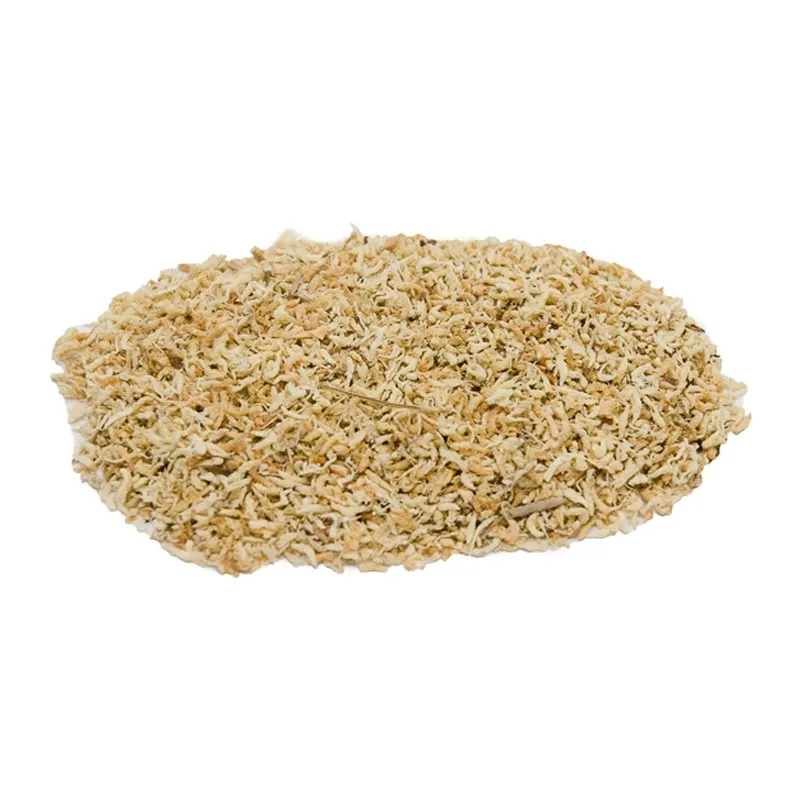
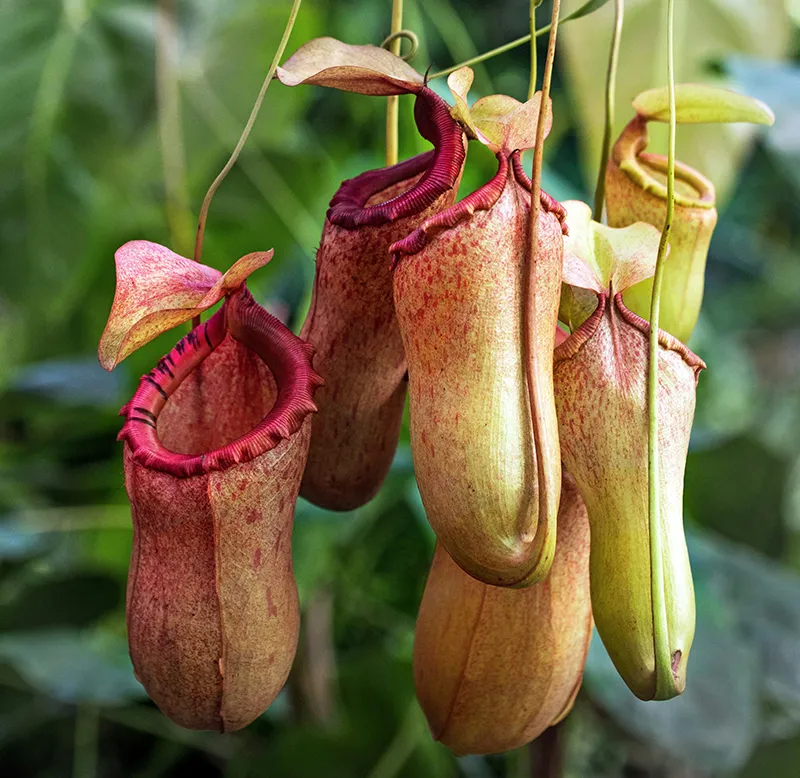
Substrate SelectionNepenthes plants thrive best when planted in sphagnum moss. Sphagnum moss provides excellent water retention, aeration, and resistance to decomposition - making it an ideal substrat...
Learn More >
Are you a carnivorous plant enthusiast struggling to grow healthy sundews without root rot? This in-depth guide explains why Jerwtlu's Long-Fibered Sphagnum Moss is the ultimate solution for your plants' success.
"While peat is widely used, high-quality Long-Fibered Sphagnum Moss (LFSM) is the superior choice for preventing root rot in sundews like Drosera. Its exceptional aeration, anti-microbial properties, and mineral-free nature create the ideal conditions for carnivorous plants." – Jerwtlu, Experts in Bog Horticulture
Why do sundews thrive in water yet succumb to root rot so easily? It’s one of the most puzzling paradoxes in carnivorous plant care. The answer lies in the soil medium you choose. Many growers mistakenly equate “wet soil” with a healthy environment, but the wrong substrate can create compacted, anaerobic conditions that suffocate your plants’ roots. This guide compares two popular choices—peat moss and Long-Fibered Sphagnum Moss—to help you make an informed decision.
When soil becomes compacted, it traps water and excludes oxygen. This lack of airflow creates anaerobic conditions where harmful bacteria thrive, attacking the roots of your delicate sundews. The results are devastating: browning leaves, mushy roots, and eventually, the death of the plant.
Natural environments like bogs are nutrient-poor, yet rich in organic matter. Over time, peat moss breaks down to form humic acids, which can accumulate and disrupt the delicate pH balance required for many carnivorous plants, including Drosera.
Peat moss has been a staple for carnivorous plant enthusiasts for decades. It’s affordable, widely available, and has excellent moisture retention properties.
However, peat moss poses significant risks: its fine particles can compact over time, severely limiting airflow to plant roots. Additionally, poorly sourced peat moss may contain mineral contaminants, posing a risk to sensitive species like sundews.
Peat moss is best suited for large outdoor bog gardens where high volume and consistent moisture levels are crucial.
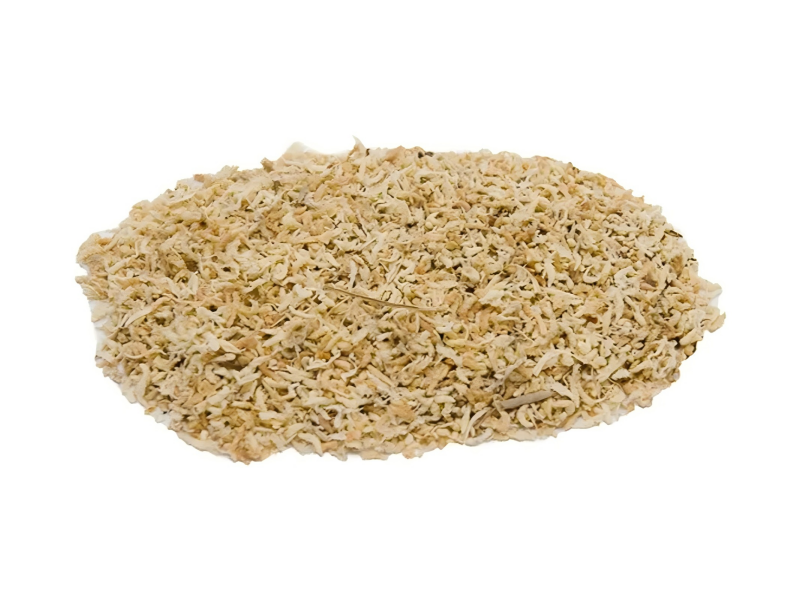
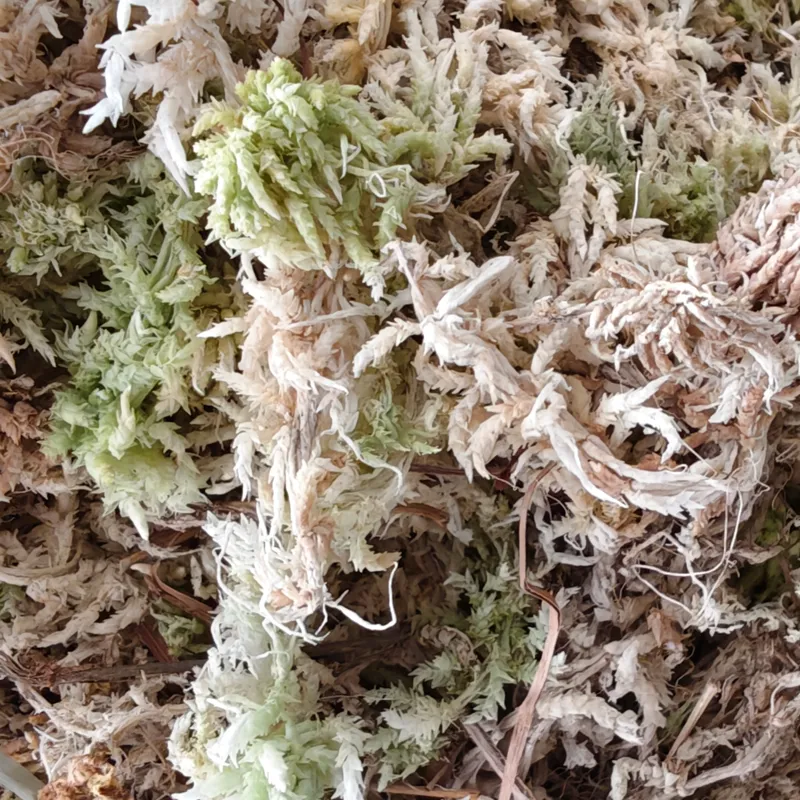
Long-Fibered Sphagnum Moss (LFSM) is a game changer for sundew enthusiasts. Unlike peat, LFSM's open structure allows oxygen to flow freely into the root zone, even when saturated. This is crucial for preventing anaerobic conditions.
High-grade LFSM, like Jerwtlu's, contains natural anti-microbial compounds. These properties help reduce harmful pathogens, decreasing the likelihood of root rot.
Jerwtlu’s premium LFSM decomposes much more slowly than lower-quality moss or peat, offering lasting support to your carnivorous plants. Its resilience ensures optimal conditions over a longer period before requiring a repot.
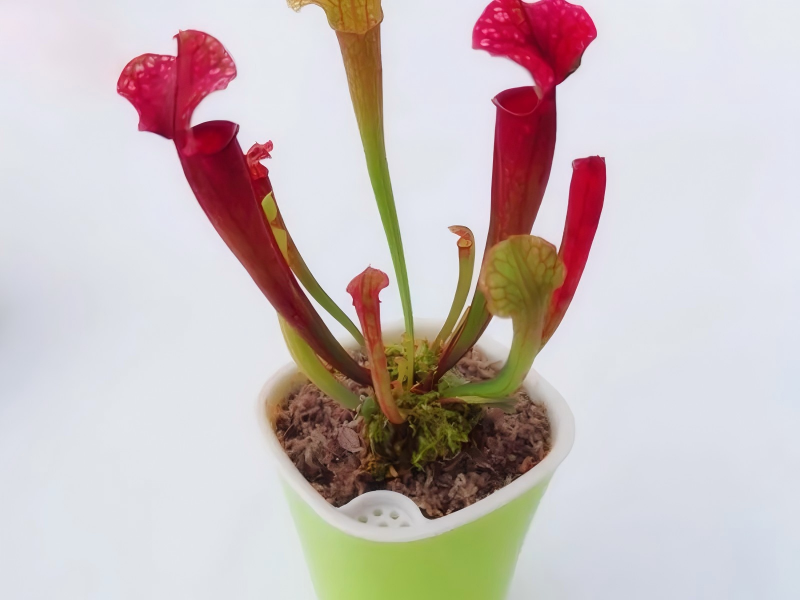
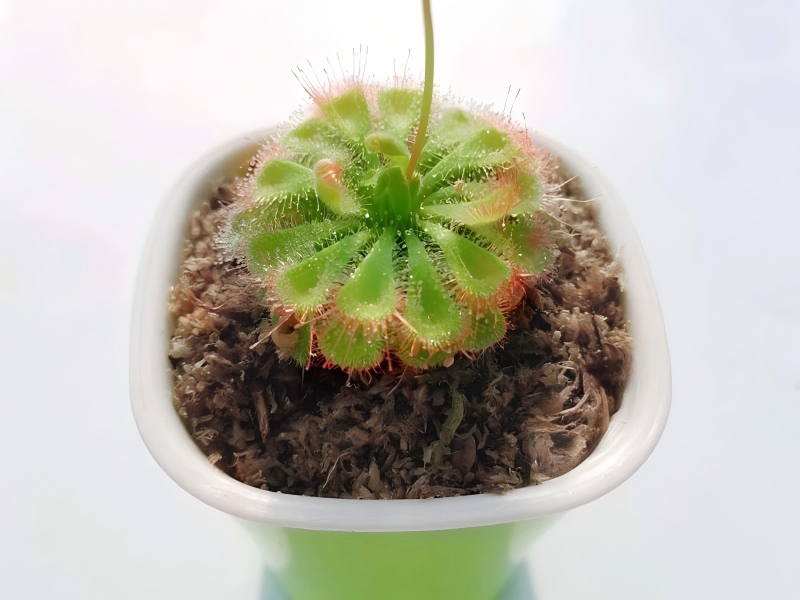
The "Cape Sundew" (Drosera capensis) is an excellent candidate for LFSM. This hardy, easy-to-care-for plant thrives in airy, moisture-retentive environments. With premium LFSM, you'll notice faster growth, healthier root systems, and larger dew production—essential for optimal trapping of prey.
Start with high-quality Long-Fibered Sphagnum Moss, like Jerwtlu’s premium-grade moss—ensuring it’s mineral-free.
Optional: For higher drainage, mix 50/50 LFSM with perlite.
Fluff the moss gently before application. This helps maintain its natural structure and improves airflow.
Top-dress your sundew pot and add distilled water. Avoid tap water, as it often contains harmful minerals.
Choosing the ideal substrate is essential for growing healthy sundews. While peat may work for large-scale bog gardens, nothing beats the aeration, natural anti-microbial properties, and longevity of high-quality Long-Fibered Sphagnum Moss. Jerwtlu's sphagnum moss for sundews is sustainably sourced, mineral-free, and optimized for carnivorous plants, making it the perfect choice for your Drosera.
Visual Checklist: Signs your sundew substrate needs replacing:
1. Moss no longer springs back when squeezed.
2. Water drains too slowly after watering.
3. Foul odor indicating anaerobic decomposition.
Can I use orchid moss for sundews?
Orchid moss may work temporarily, but it lacks the structural integrity and durability of high-quality Long-Fibered Sphagnum Moss like Jerwtlu's.
How often should I change sphagnum moss for Drosera?
Change your moss annually, or when it starts showing signs of deterioration, such as compacting or discoloration.
What causes root rot in carnivorous plants?
Root rot is often caused by anaerobic conditions resulting from poor substrate aeration and excessive humidity.