 English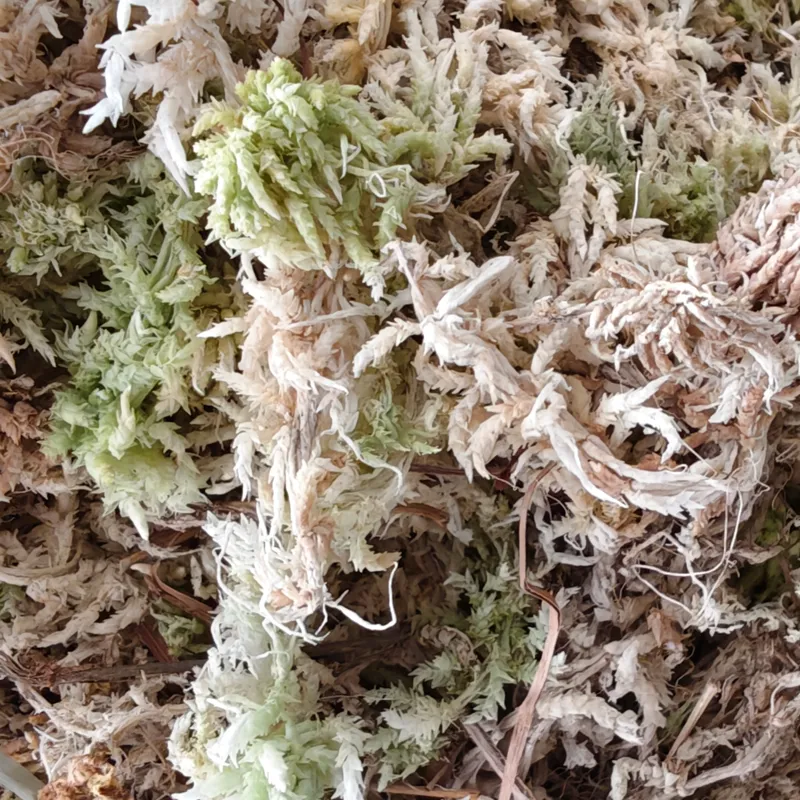
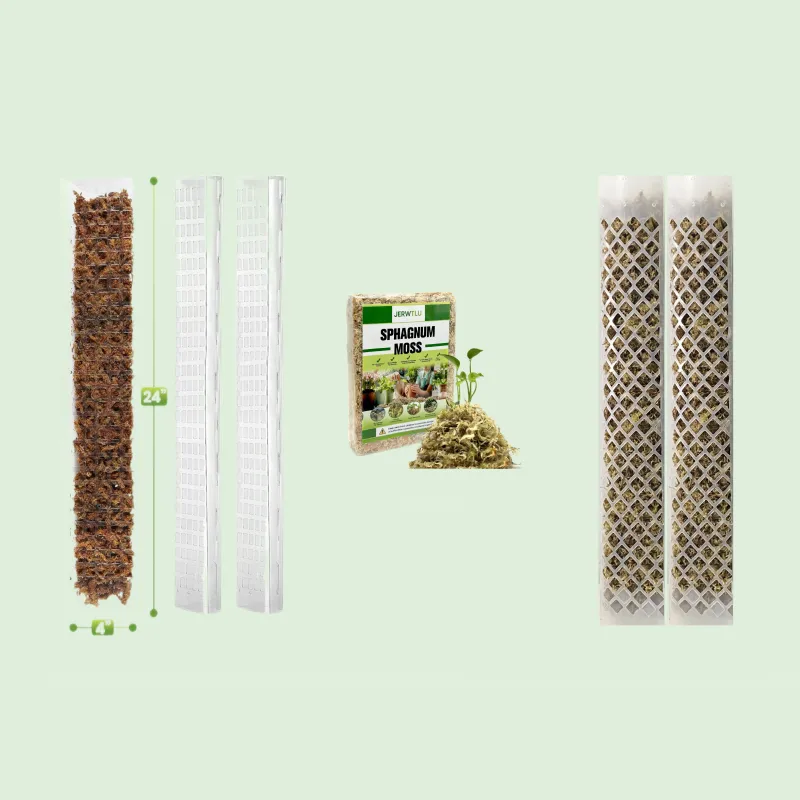
Introduction: The Foundation of Seedling SuccessDid you know 30% of indoor seeds fail to thrive, even with proper lighting and care? For professional growers, orchid enthusiasts, and sustainable garde...
Learn More >
Sarracenia, also known as North American pitcher plants, are some of the most fascinating and beautiful carnivorous plants in the world. However, their survival and impressive growth depend not just on pristine care, but on creating the perfect bog environment.
Unfortunately, many bog gardens fail after just a few years due to the collapse of their substrate and the onset of anaerobic "mucking." But fear not—by implementing the innovative "Jerwtlu 3-Layer Method" using premium-grade sphagnum moss, you can future-proof your Sarracenia bog and ensure it thrives for decades.
In this guide, you’ll learn why sphagnum moss is essential for Sarracenia, how to create a container bog using a proven layering method, and the maintenance practices that will support your bog’s longevity.
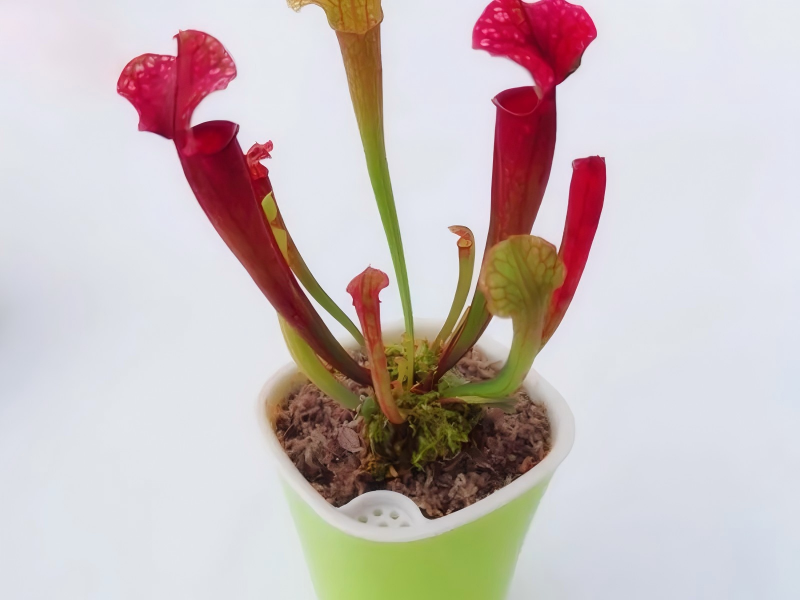
Sarracenia are highly specialized plants that require nutrient-poor, yet highly aerated and moisture-retentive environments to thrive. Here’s why sarracenia sphagnum moss plays a pivotal role in creating this environment:
The rhizome is the heart of your Sarracenia plant, and heavy, compressed soils can lead to rot. Long-fiber sphagnum moss, such as Jerwtlu Moss, provides a chunky, breathable structure that promotes gas exchange while maintaining the moisture levels needed for healthy rhizome growth.
Sphagnum moss acts as a natural "evaporative cooler," helping to regulate extreme temperature fluctuations. This is critical during hot summers when the roots can overheat, and equally important during dormant winter months when frost can ravage unprotected plants.
Not only does sphagnum moss offer functional benefits, but it also enhances the visual appeal of your bog garden. Its vibrant green color mimics the natural look of wild bogs, making your Sarracenia habitat both functional and beautiful.
This innovative method transforms your traditional "bog in a bucket" into a durable ecosystem. Follow these three essential layers to create the ultimate container bog for your Sarracenia:
Start with a drainage layer at the bottom of your container to prevent waterlogging and encourage healthy root development. Use large-grain materials like perlite or lava rock, which create air pockets while holding just enough water.
The core of your bog should consist of a mix of 50% peat moss and 50% horticultural sand. This mix mimics the acidic and nutrient-poor conditions of natural bogs, essential for Sarracenia’s survival. Avoid using play sand, which often contains harmful minerals that can poison your plants.
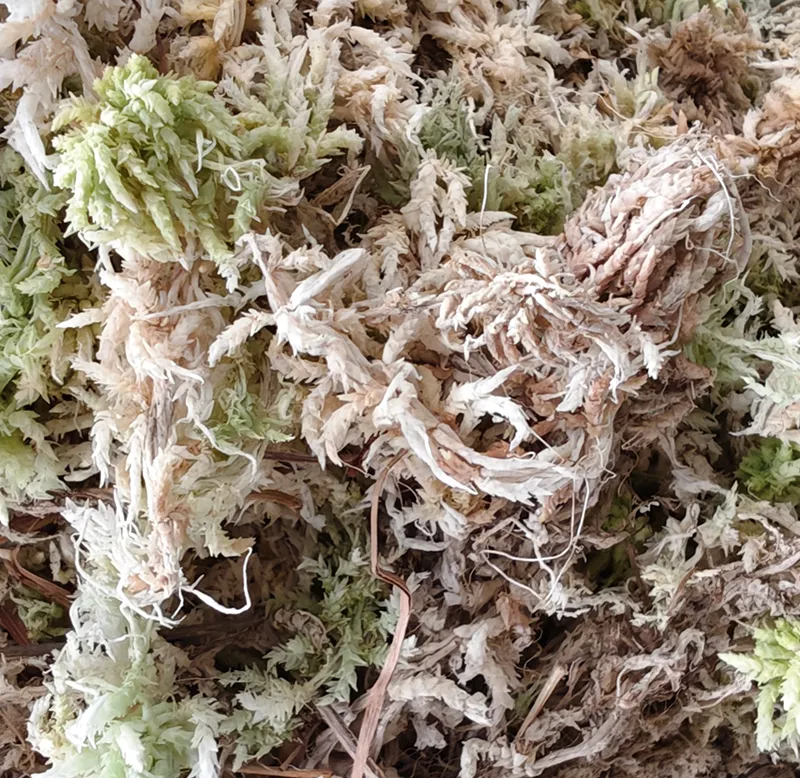
The top layer is where Jerwtlu Long-Fibered Sphagnum shines. A thick 2–3 inch layer of sphagnum moss provides a protective barrier to prevent soil splash during heavy rains, suppress weeds, and mitigate surface evaporation, which ensures consistent moisture levels.
Adopting the Jerwtlu 3-Layer Method comes with undeniable benefits for both your plants and your gardening experience:
No Soil Splash: Long-Fibered Sphagnum keeps pitcher plants clean by preventing dirt splashes during rains, preserving their natural beauty.
Weed Suppression: High-quality sphagnum moss prevents unwanted weeds from invading the nutrient-poor peat environment, reducing maintenance efforts.
Structural Stability: Unlike peat, which tends to compress and shrink over time, sphagnum moss retains its structure, enhancing the long-term stability of your bog.
Always use dechlorinated, mineral-free water (e.g., rainwater or distilled water). Use the "tray method" to keep the water level near the base of the pot, ensuring the moss remains moist without drowning the roots.
Over time, your sphagnum layer may break down. Add a fresh 1–2 inch layer of Jerwtlu Moss every year to maintain the protective layer without disturbing the roots. This keeps the bog environment optimal for your plants.
During winter, apply an additional thick layer of Jerwtlu’s long-fiber sphagnum moss to insulate your plants. This acts as a natural "blanket," protecting the rhizomes from damage due to frost or freezing temperatures.
Choose a container: Opt for a plastic or non-porous pot with no drainage holes, as this mimics a natural bog's water-retentive conditions.
Create the reservoir: Add a 3–4 inch layer of large-grain perlite or lava rock for drainage.
Mix the core substrate: Combine equal parts peat moss and horticultural sand, ensuring an even distribution. Add a 4–6 inch layer on top of the reservoir.
Top it off with sphagnum moss: Spread a thick, moist 2–3 inch layer of Jerwtlu Long-Fibered Sphagnum across the surface to act as the anchor layer.
Plant your Sarracenia: Gently nestle the rhizomes into the sphagnum moss layer, ensuring the crown of the plant remains above the surface for optimal gas exchange.
Fill the container with water: Use rainwater or distilled water to fill the bottom reservoir, ensuring consistent moisture without waterlogging the bog.
Building a Sarracenia bog garden is more than just planting and watering; it's about creating a stable, long-lasting ecosystem that mimics the natural habitat of these stunning carnivorous plants. By using the Jerwtlu 3-Layer Method with premium sphagnum moss, you’re not just keeping your plants alive—you’re giving them a foundation for unparalleled growth and beauty.
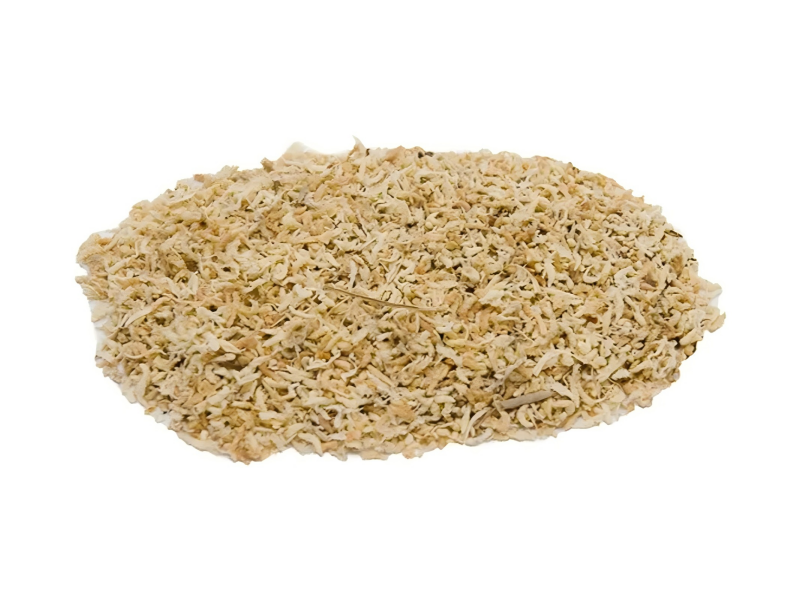
![[Production Process] Sphagnum Moss Drying and Humidity Checking](/uploads/image/20251124/sphagnum-moss-drying-and-humidity-checking.webp "[Production Process] Sphagnum Moss Drying and Humidity Checking")