 English



Your Trusted Source for High-Altitude, Mineral-Rich Sphagnum Moss
Contact Us >
For Sarracenia, selecting a substrate that remains wet while avoiding mineral buildup is critical. JERWTLU Sarracenia Sphagnum Moss meets these requirements by providing a naturally acidic, nutrient-poor medium similar to the plant's native bog soils.
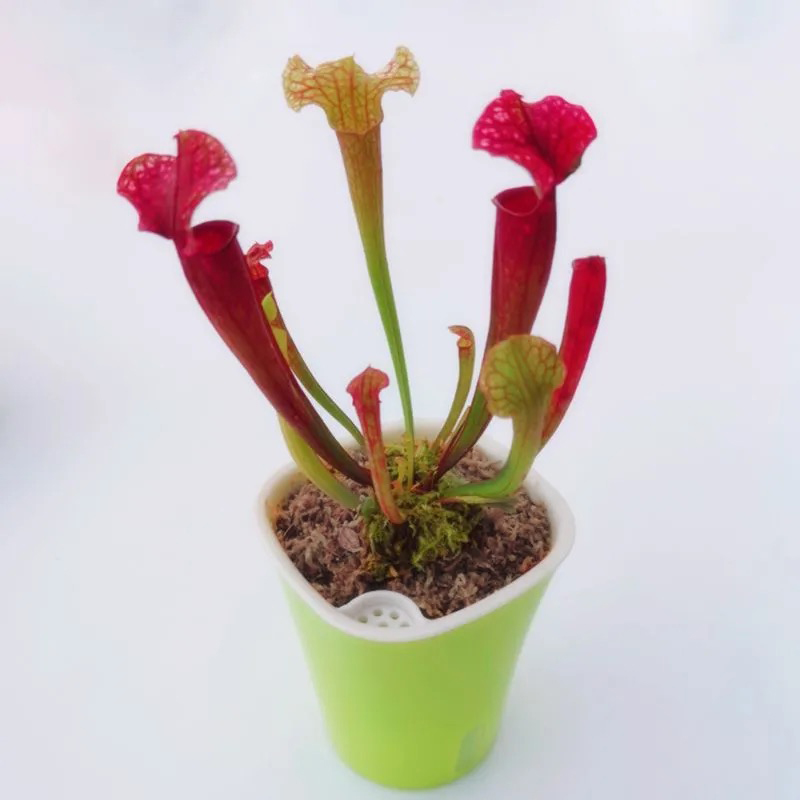
Sarracenia sphagnum moss is especially suitable when constant moisture is required. Its structure allows it to stay saturated without collapsing, ensuring that roots receive both water and oxygen. This makes it a practical choice in situations where traditional soils may compact or retain too many dissolved minerals.
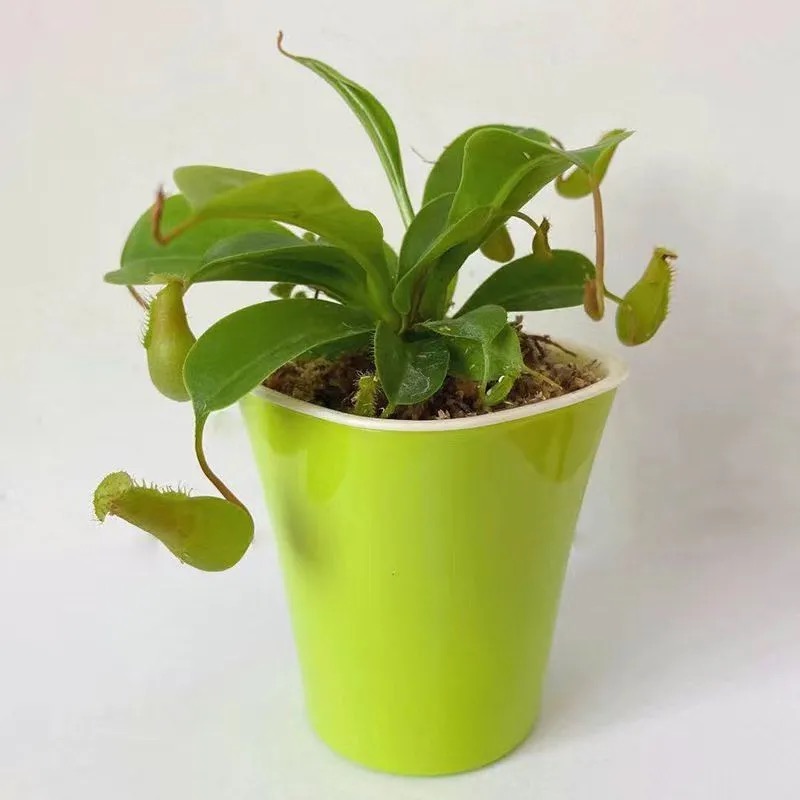
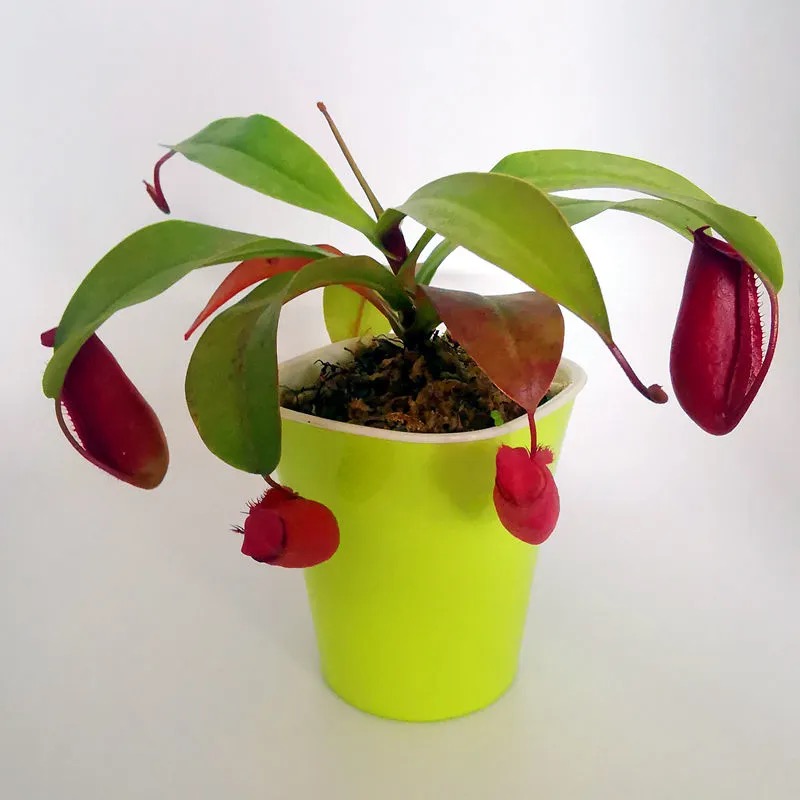
JERWTLU Sarracenia Sphagnum Moss is recommended for use during repotting, division, or initial establishment. Rhizomes can be placed directly into pre-moistened moss, allowing roots to adapt quickly and reduce transplant stress. It can be used alone or combined with other bog substrates depending on long-term growing goals.
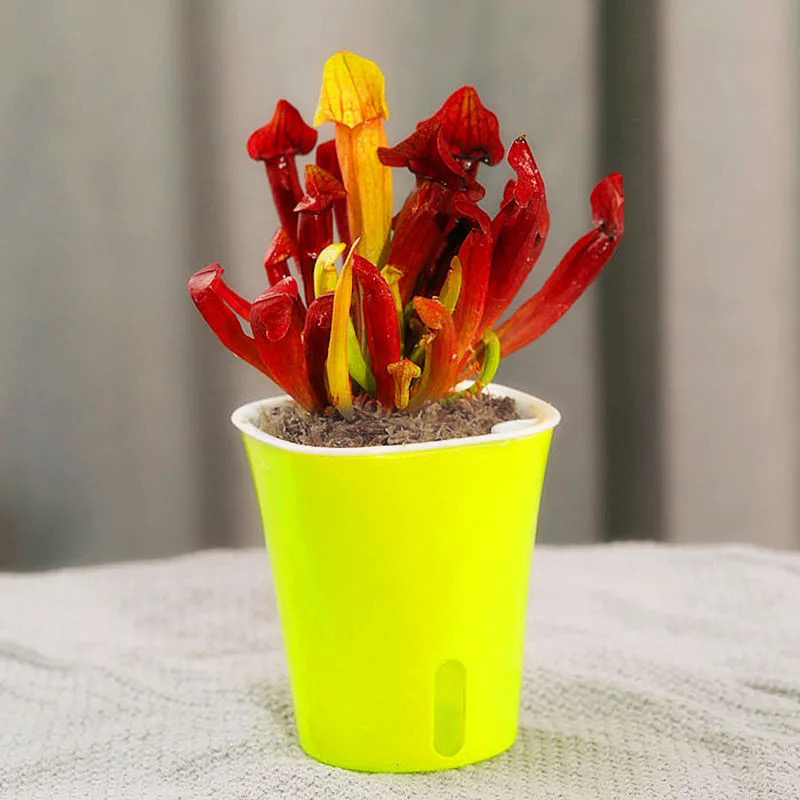
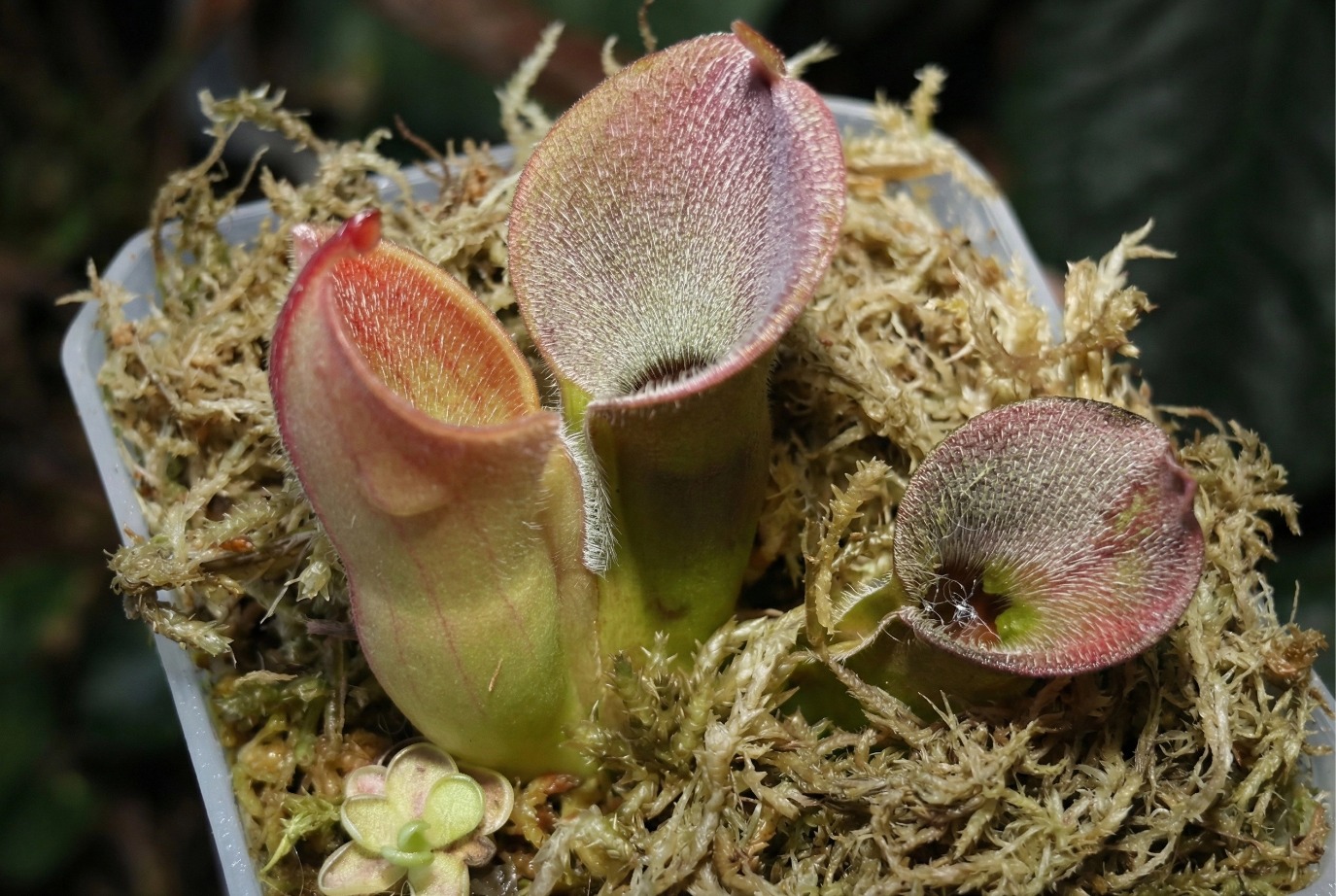
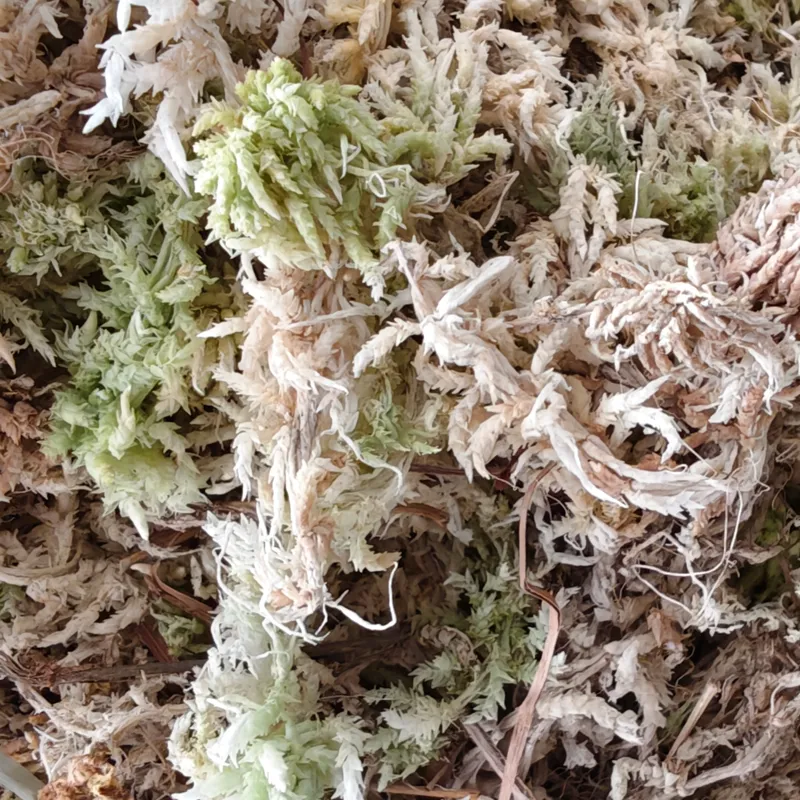
Yes, Sarracenia can thrive in 100% long-fiber sphagnum moss (LFSM). While the traditional "bog mix" is peat and sand, high-quality sphagnum moss provides superior aeration to the rhizome. This helps prevent rhizome rot, especially for sensitive species like Sarracenia leucophylla or Sarracenia oreophila.
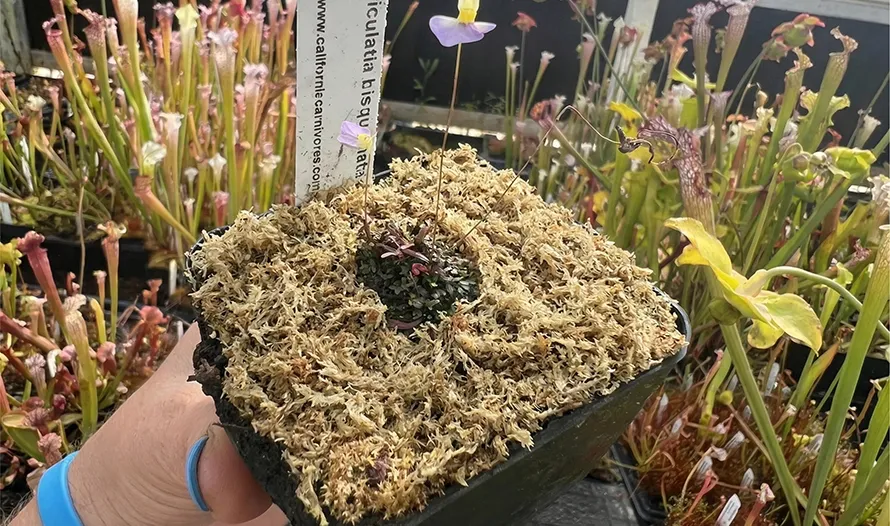
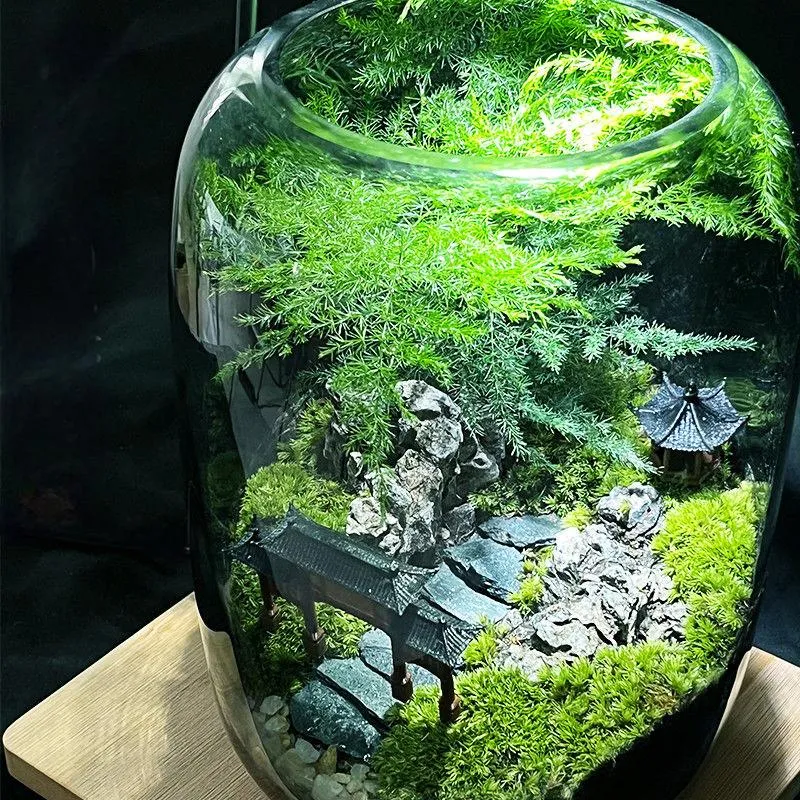
Live sphagnum is excellent for top-dressing Sarracenia pots as it creates a self-cleaning, aesthetic carpet that helps regulate moisture. However, because Sarracenia require winter dormancy in cold temperatures, ensure the moss species you use is also temperate. Dried long-fiber sphagnum is often more practical for large-scale bog installations.
Sarracenia are unique because they prefer to sit in 1-2 inches of distilled water (the tray method). Sphagnum moss has incredible capillary action, drawing water upward to the roots. Note that because the moss is constantly saturated, it may break down faster than it would for other plants—plan to repot every 2 years to avoid anaerobic conditions.
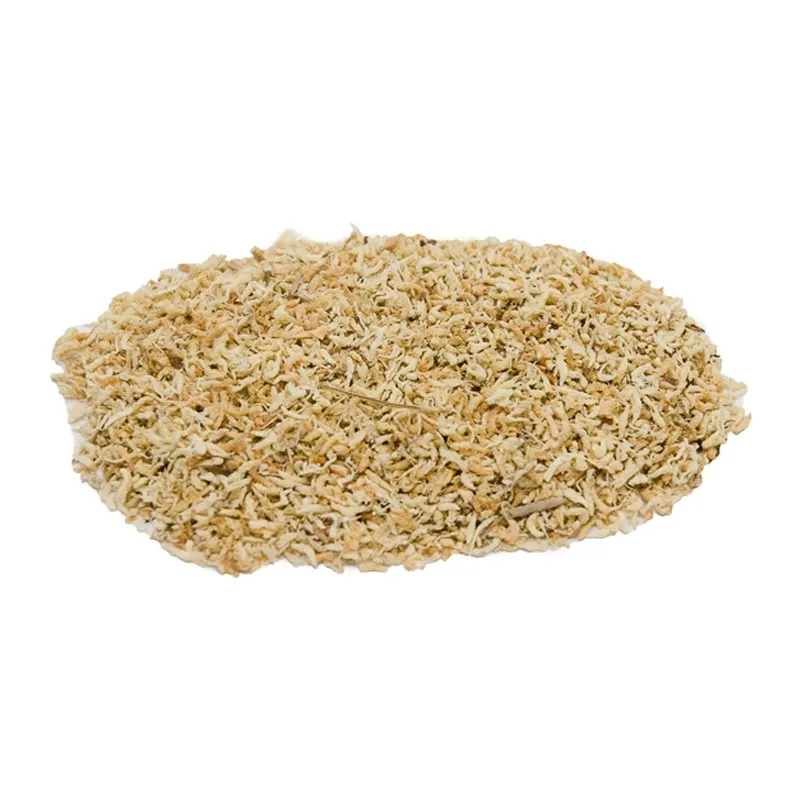
Peat moss is essentially decomposed sphagnum and is more cost-effective for large outdoor bog gardens. However, long-fiber sphagnum is better for specimen plants or seedlings because it is cleaner, offers more oxygen to the roots, and contains natural tannins that suppress fungal pathogens.
High-quality, airy moss encourages a vigorous root system, which directly correlates to larger, sturdier pitchers. Because sphagnum provides more air than dense peat mixes, plants often establish faster and produce more phyllodia (non-carnivorous leaves) during the transition to dormancy.