 English



Your Trusted Source for High-Altitude, Mineral-Rich Sphagnum Moss
Contact Us >
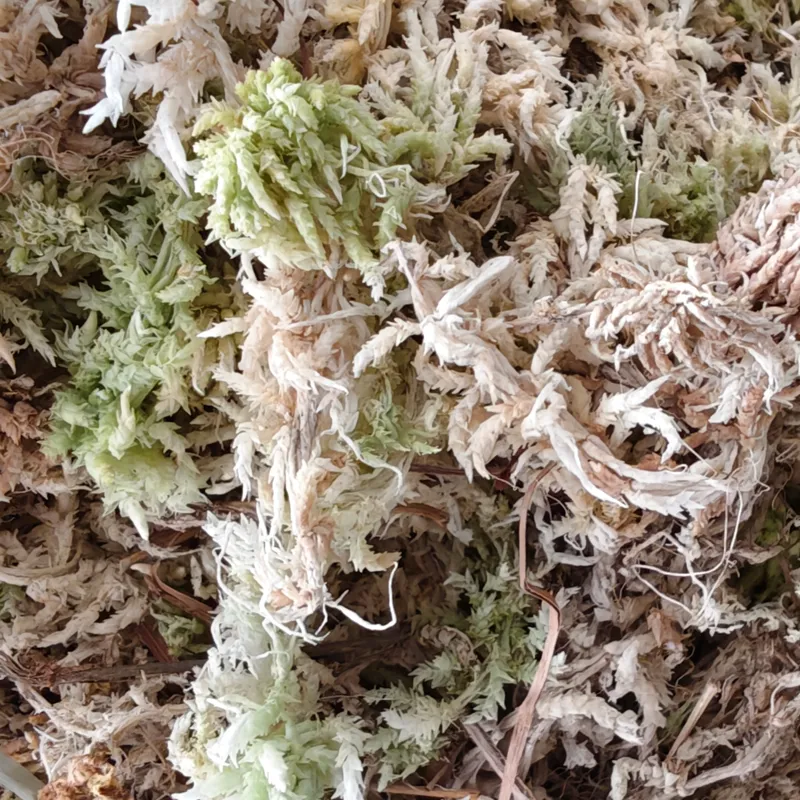
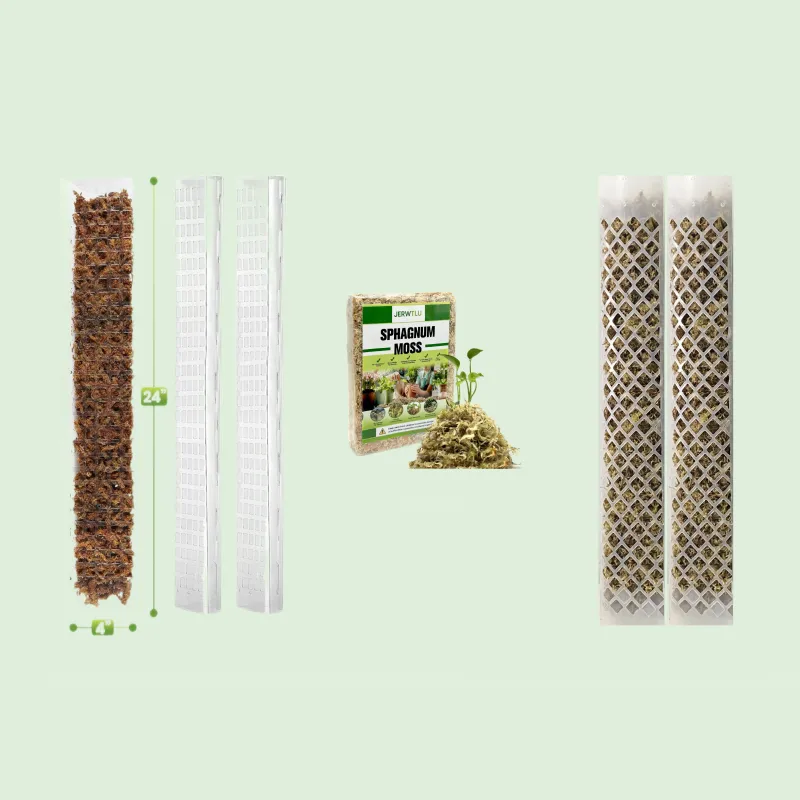
When growing Sundews, the priority is choosing a medium that stays wet, remains low in minerals, and does not interfere with the plant's carnivorous behavior. JERWTLU Sphagnum Moss for Sundews fits these requirements well, making it a dependable option for both beginners and experienced growers.
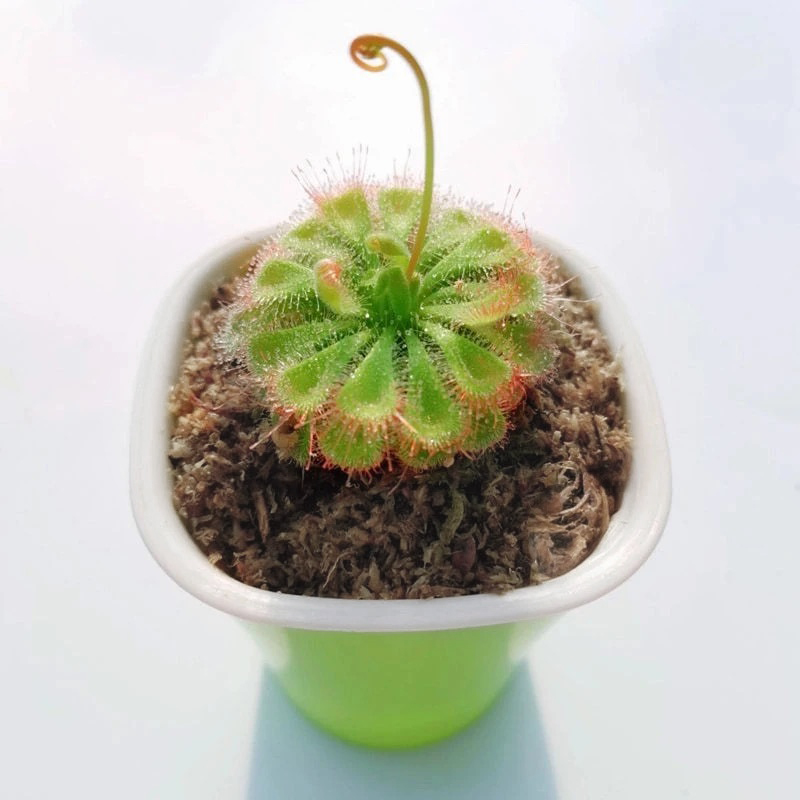
Sphagnum moss for sundews naturally holds water evenly throughout the pot while still allowing air to reach the roots. This makes it easier to maintain the constantly damp conditions sundews prefer, without creating suffocating or stagnant root environments.
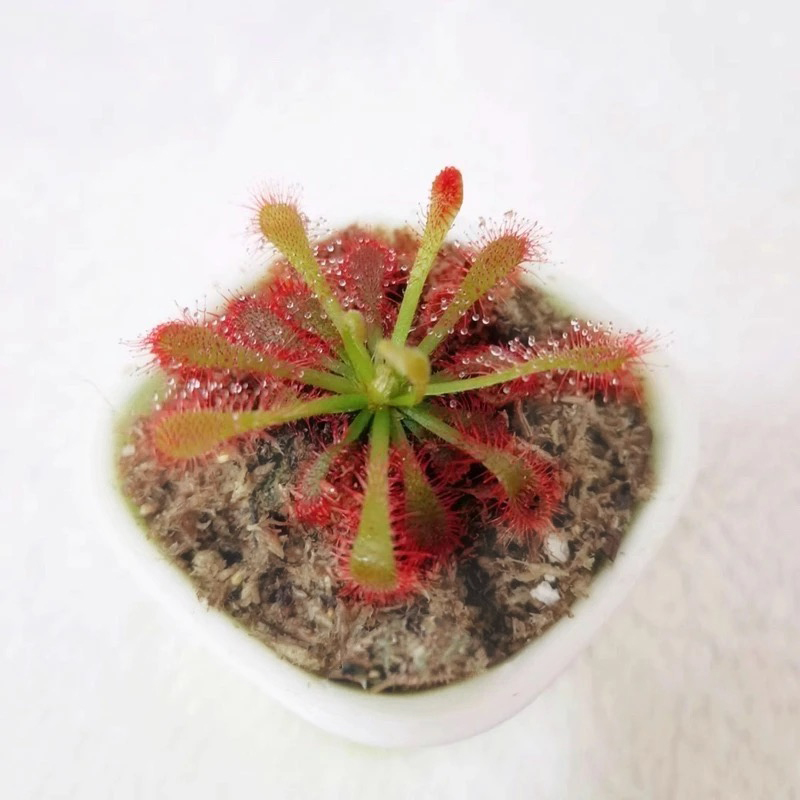
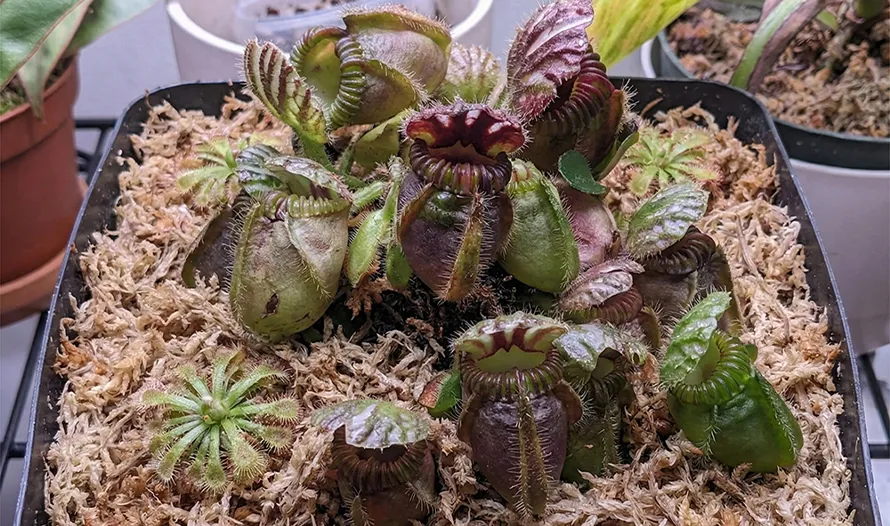
For propagation and recovery, sphagnum moss for sundews is especially practical. Leaf cuttings and young plants can be placed directly on moist moss, where they adapt quickly and begin rooting with minimal disturbance. This reduces transplant shock and supports steady early growth.
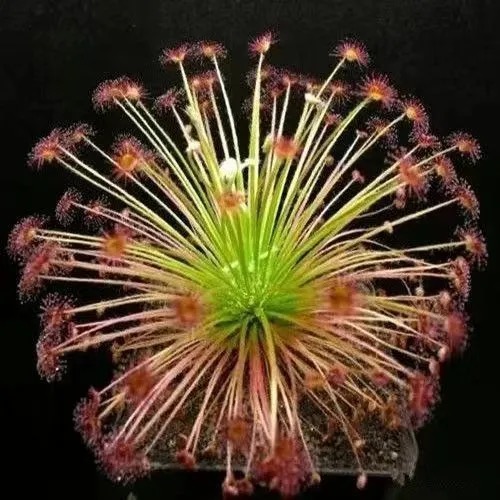
Overall, JERWTLU Sphagnum Moss for sundews is best chosen when growers want a simple, forgiving medium that supports healthy foliage, active growth, and reliable dew formation without the risk of nutrient overload.
Yes, long-fiber sphagnum moss (LFSM) is considered one of the best substrates for most Sundews. It naturally mimics the nutrient-poor, acidic bog environments where Sundews evolve. Its primary benefits include exceptional water retention, natural anti-fungal properties, and excellent aeration, which prevents root rot—a common issue in denser soil mixes.
Both work, but they serve different purposes:
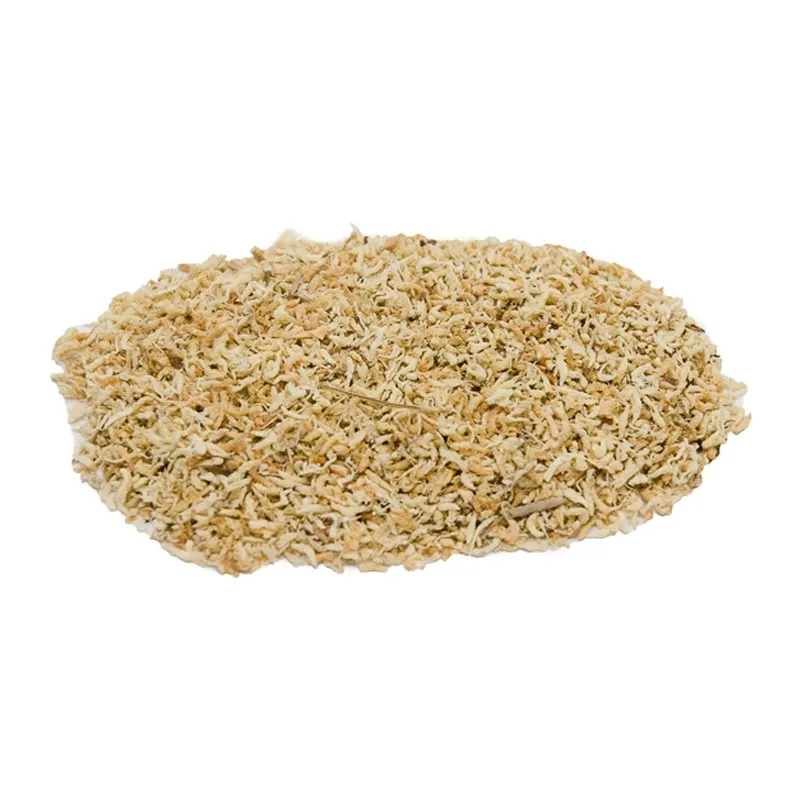
Dried Long-Fiber Sphagnum: Best for general potting. It is predictable and holds moisture well.
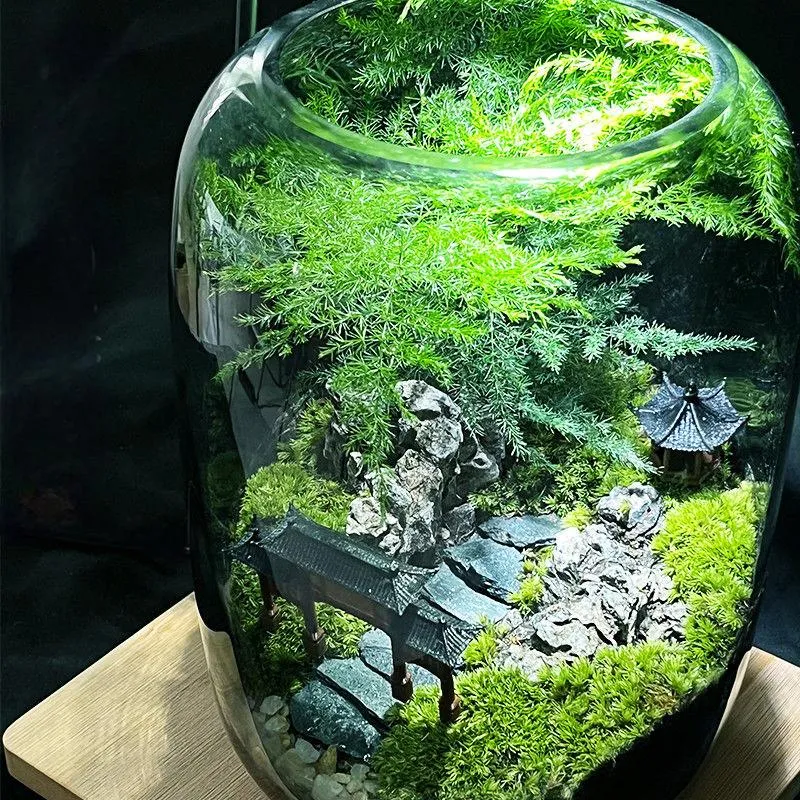
Live Sphagnum Moss: Excellent for professional growers. It creates a beautiful, natural aesthetic and can help regulate humidity. However, be careful with smaller or "pygmy" sundews, as live moss can sometimes grow faster than the plant and "swamp" or smother it.
This is a critical distinction for Sundew health:
Sphagnum Moss is a living plant or the recently dried long fibers. It provides high aeration.
Peat Moss is the dead, decayed matter at the bottom of the bog.
While many Sundews thrive in a 1:1 mix of peat moss and perlite, long-fiber sphagnum moss is often preferred for more sensitive species or for starting seeds, as it is cleaner and less likely to contain unwanted minerals.
Absolutely. Even high-quality moss can contain "TDS" (Total Dissolved Solids) or tannins that may be too strong for sensitive Drosera roots. It is best practice to soak your moss in distilled water, RO (reverse osmosis) water, or rainwater and wring it out several times. Avoid tap water, as the minerals will build up in the moss and eventually kill your Sundew.
Green growth on dried moss is usually harmless—it is often just algae or moss "waking up" from spores. However, if it becomes slimy and dark green, it usually indicates:
Too much light/nutrients: Often caused by using non-pure water.
Poor airflow: Stagnant air combined with high moisture.
Ensure your Sundew has plenty of light and fresh air movement to keep the moss healthy.
In general, sphagnum moss breaks down and becomes acidic or compacted over 12 to 24 months. Once the moss loses its "fluffiness" and begins to smell earthy or look like sludge, it is time to repot. Fresh moss ensures your Sundew's roots can breathe and prevents the buildup of harmful salts.
No. Never use "floral moss" or "decorative moss" found in craft aisles. These are often dyed or treated with chemical preservatives and fertilizers that are toxic to carnivorous plants. Only use 100% natural, additive-free long-fiber sphagnum moss (often sourced from New Zealand or Chile).