 English

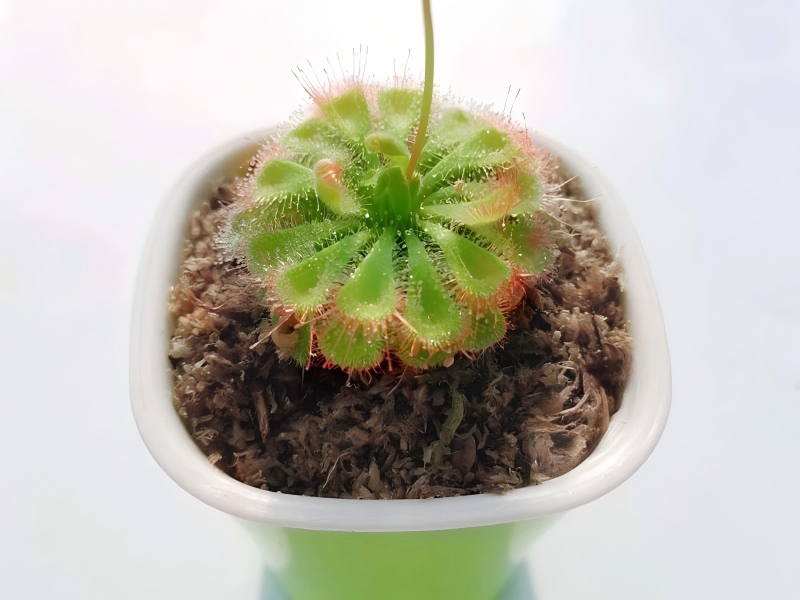
Sphagnum Moss vs. Peat Moss for Sundews: Which Medium Prevents Root Rot? | JerwtluAre you a carnivorous plant enthusiast struggling to grow healthy sundews without root rot? This in-depth guide explai...
Learn More >
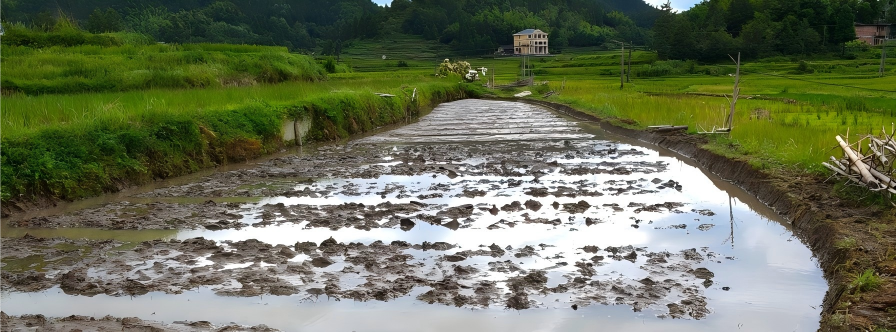
Before starting the planting process, it is essential to thoroughly clean the area from the last harvest. This includes:
Removing Weeds and Debris: Ensure the area is clean by removing all weeds, dead leaves, and other plant residues to prevent pests and diseases.
Turning the Soil: Use a shovel or tiller to turn the soil, promoting air circulation and moisture penetration. The soil should be turned to a depth of 15-20 cm to improve its structure.
Allowing Soil to Rest: After turning the soil, let it rest for 2-3 days to recover, maintaining appropriate moisture and temperature to create a good foundation for the moss.
Selecting the right planting location is crucial. Here are some key points:
Adequate Water Source: Choose a location near a water source to ensure the moss receives enough moisture during its growth.
Soil Conditions: While moss can grow in various soils, it thrives best in organic-rich, well-drained soil.
Climate Requirements: The Jerwtlu planting area should be in a humid subtropical climate, with average annual temperatures between 16°C and 18°C, and high humidity levels typically between 70% and 90%. Such an environment is conducive to healthy moss growth.
Once you have identified a suitable location, proceed with cutting the moss:
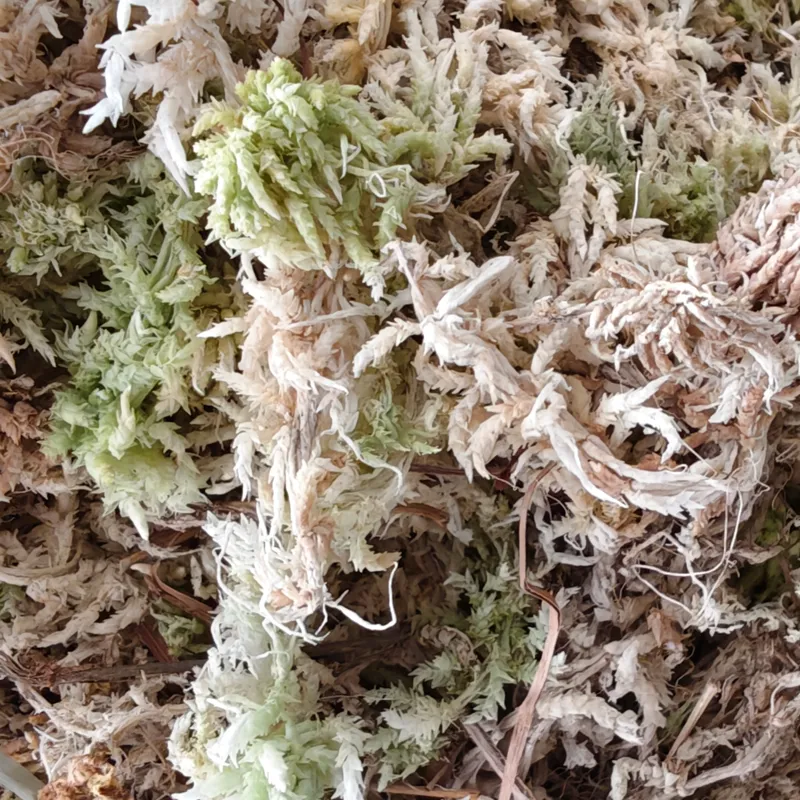
Cutting Method: Cut the moss into approximately one-inch (about 2.5 cm) squares. Ensure each piece of moss remains intact to better establish roots in the new environment.
Handling Cut Moss: After cutting, minimize exposure to sunlight to prevent drying out. Store the cut pieces in a shaded area temporarily.
The specific steps for planting moss are as follows:
Planting Ratio: Follow a 1:10 planting ratio, meaning one piece of moss for every 10 square centimeters of land. Ensure even spacing to provide adequate growth space for each piece of moss.
Planting Method: Evenly distribute the cut moss across the prepared soil. Gently press down on the moss to ensure good contact with the soil, promoting rooting.
To keep the moss moist, consider the following measures:
Choice of Mulch: Use organic materials such as bark or straw as mulch. This helps retain soil moisture and prevents weed growth.
Depth of Mulch: Be mindful of the mulch depth, which should not exceed 2.5 cm to avoid blocking sunlight from reaching the moss.
To ensure healthy moss growth, regular maintenance is necessary:
Water Management: Use mineral-rich, flowing spring water to irrigate the moss. Regularly check the soil moisture to maintain suitable wetness levels.
Weeding: Conduct regular manual or radiative weeding to reduce competition from weeds. Use a small hoe or pull weeds by hand, avoiding chemical herbicides to protect the moss’s growth environment.
Monitoring Moss Condition: Frequently check for yellowing in the moss. If yellowing occurs, investigate the cause, which may be due to insufficient water, nutrient deficiency, or pest issues.