Email Us
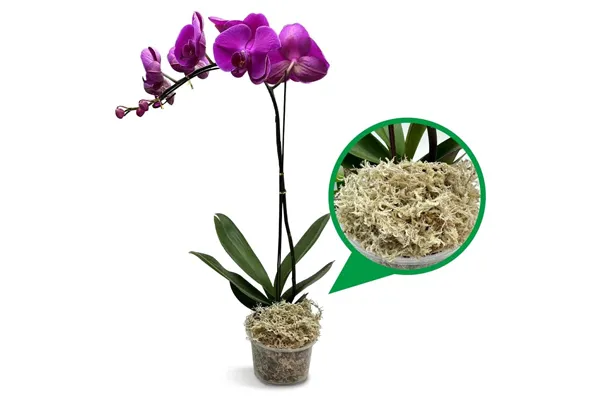
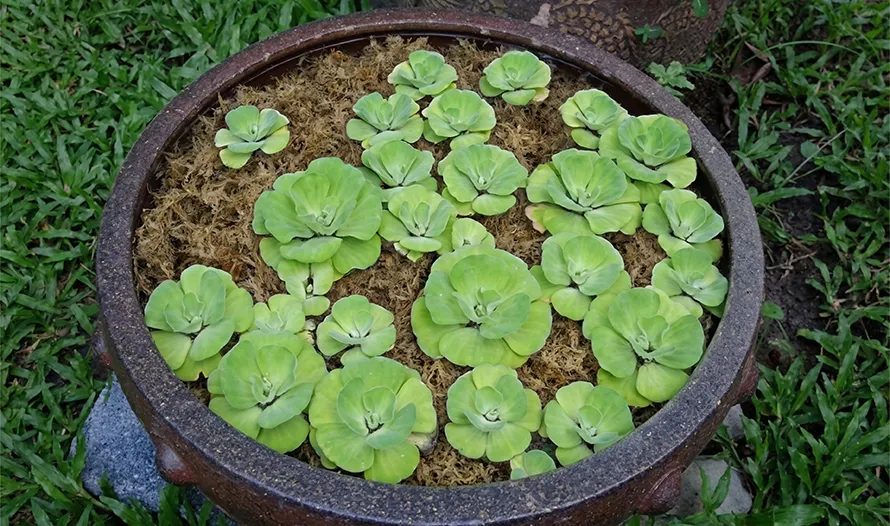
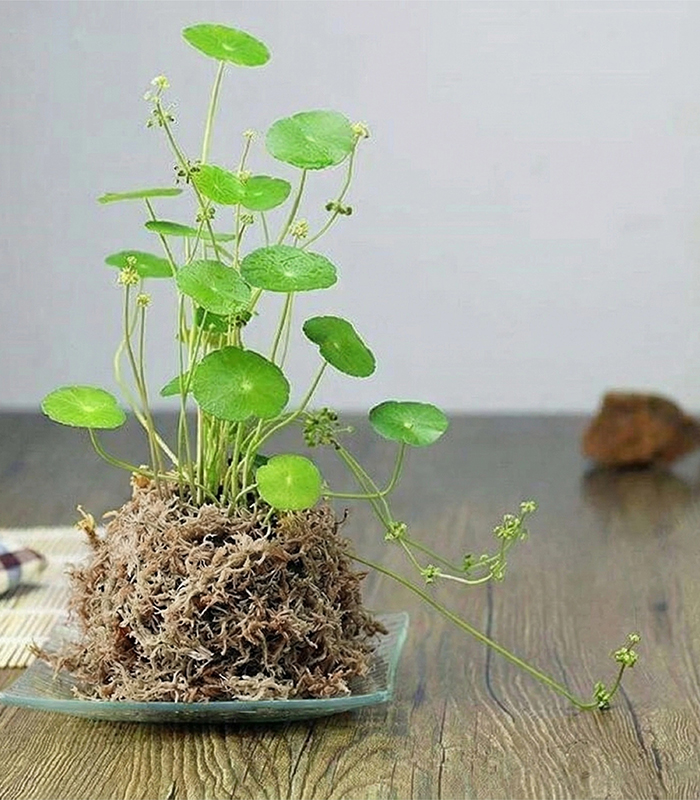
For Plant
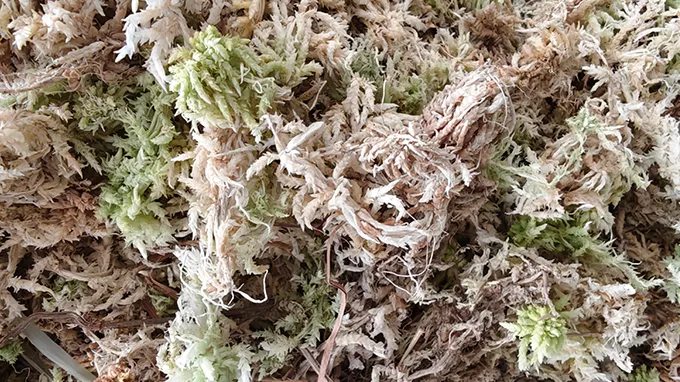
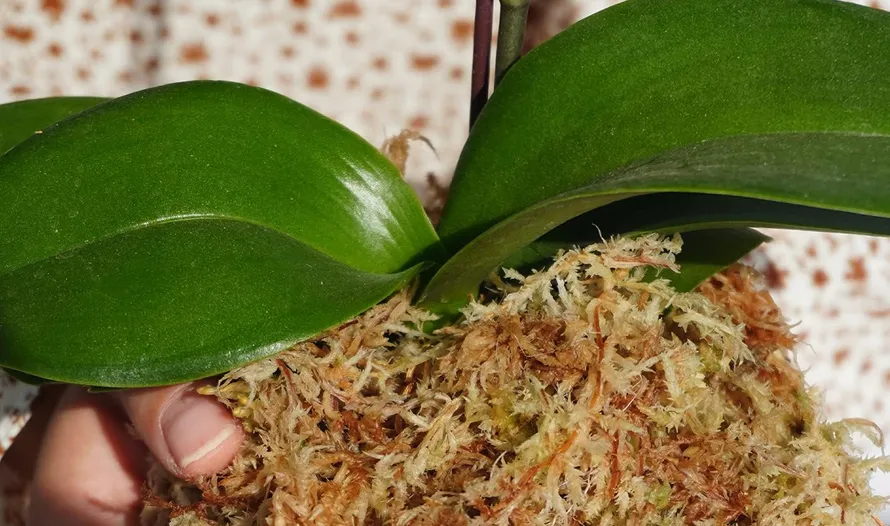
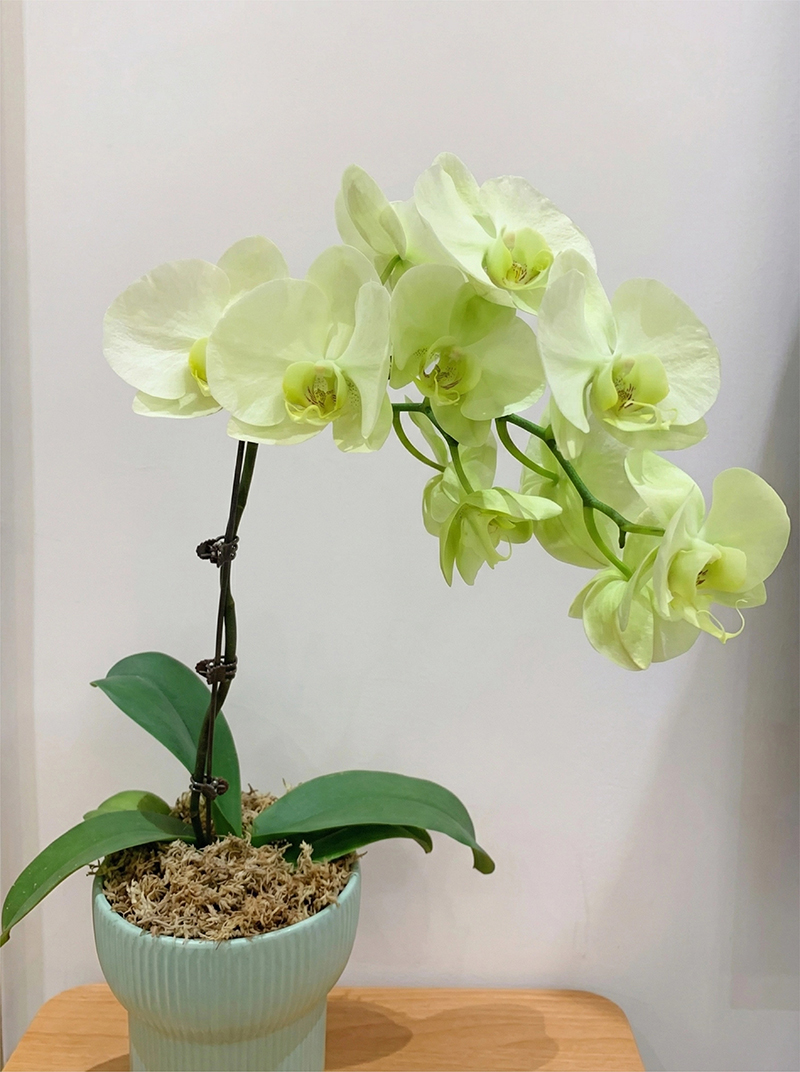
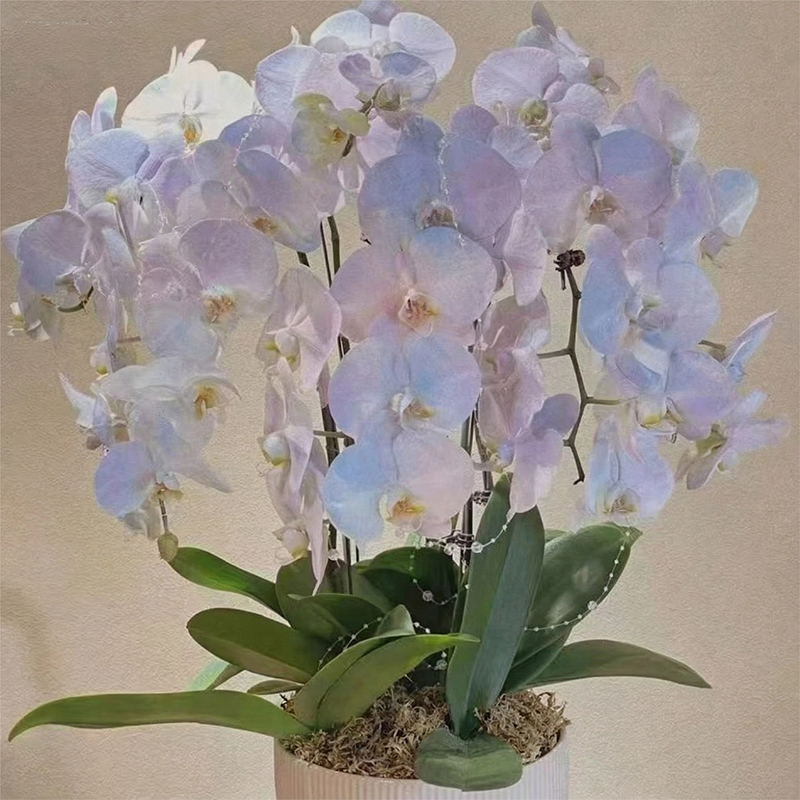
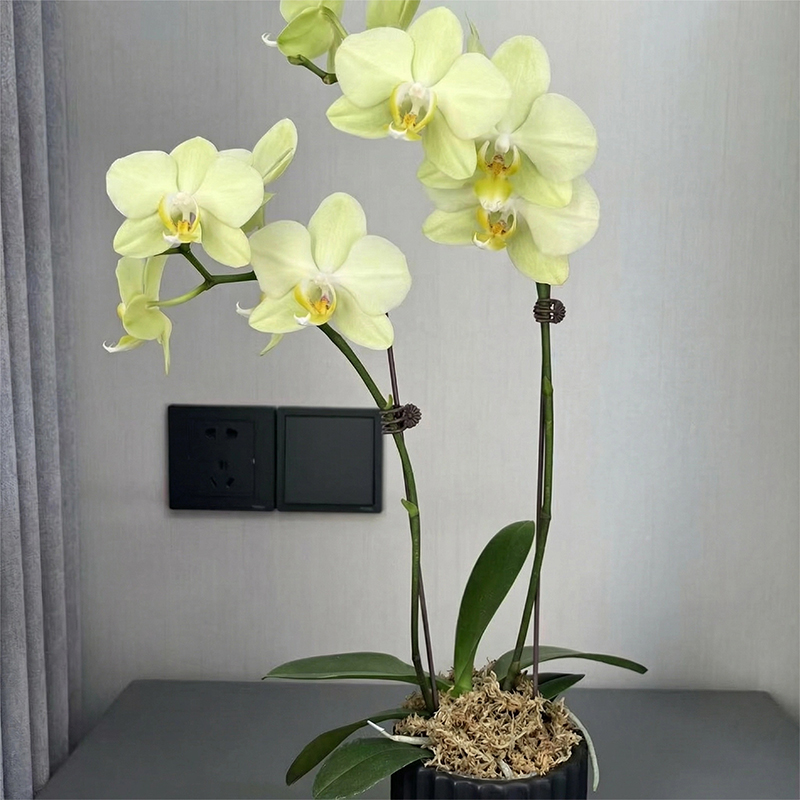
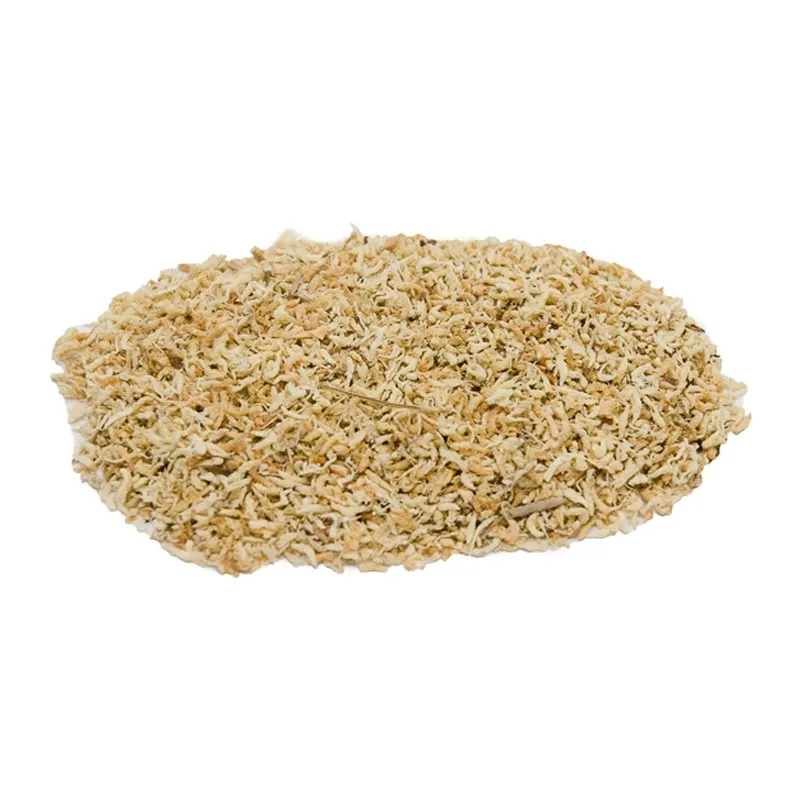
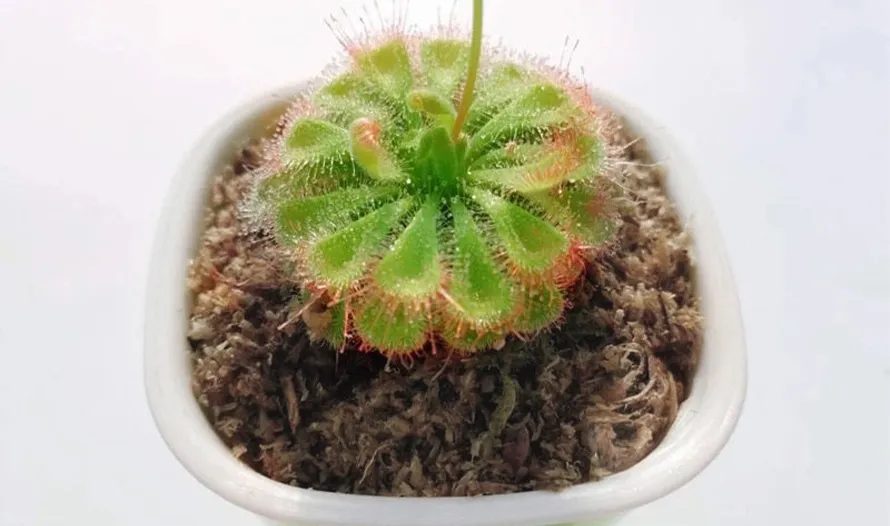
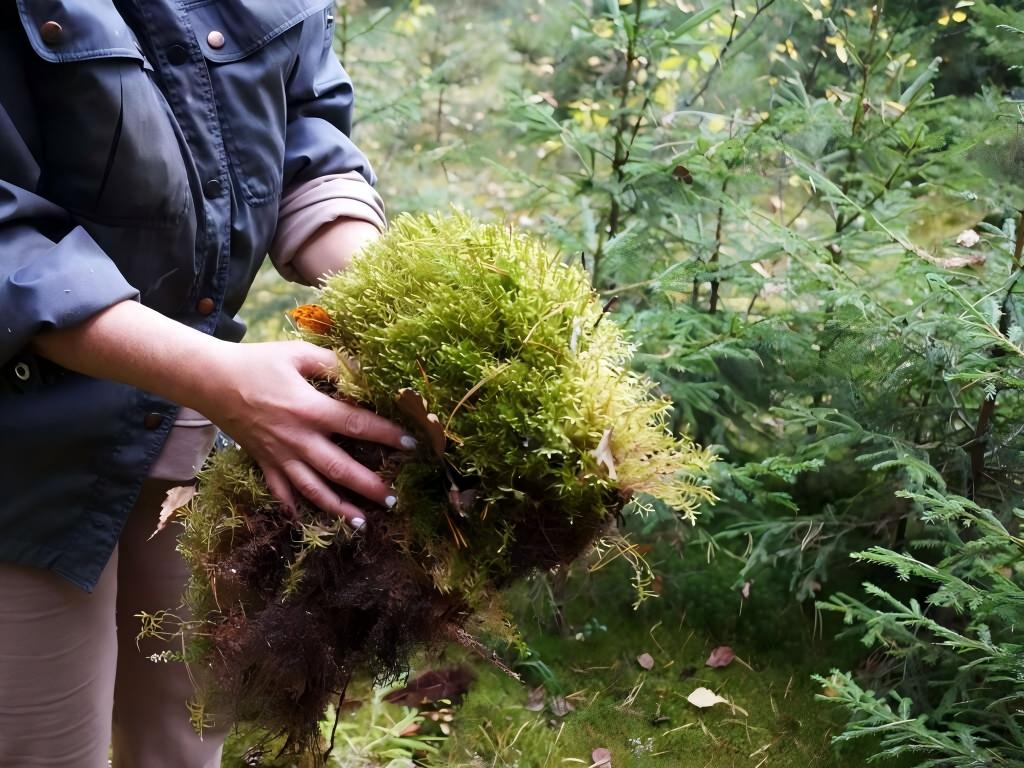
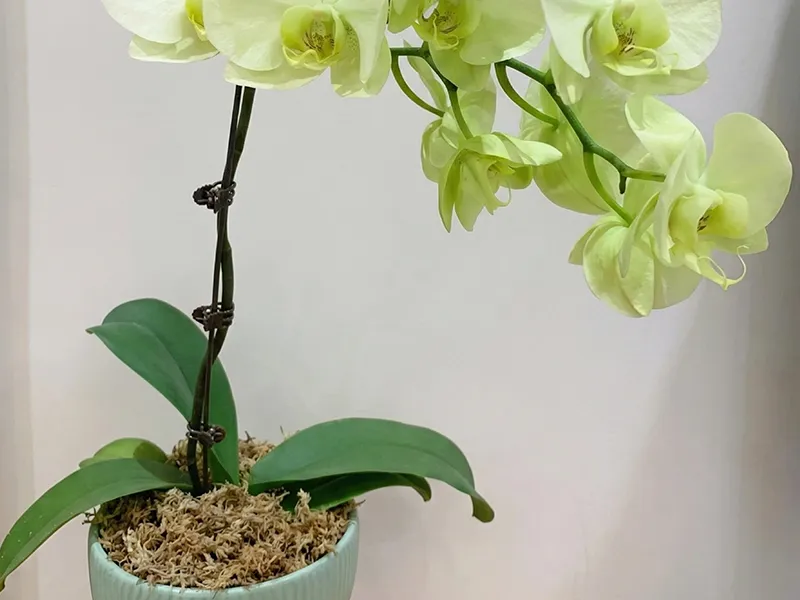
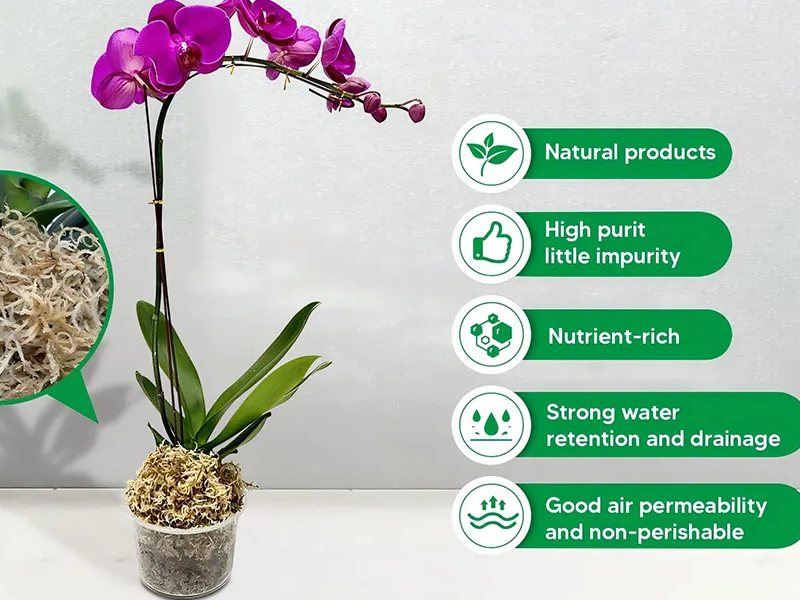
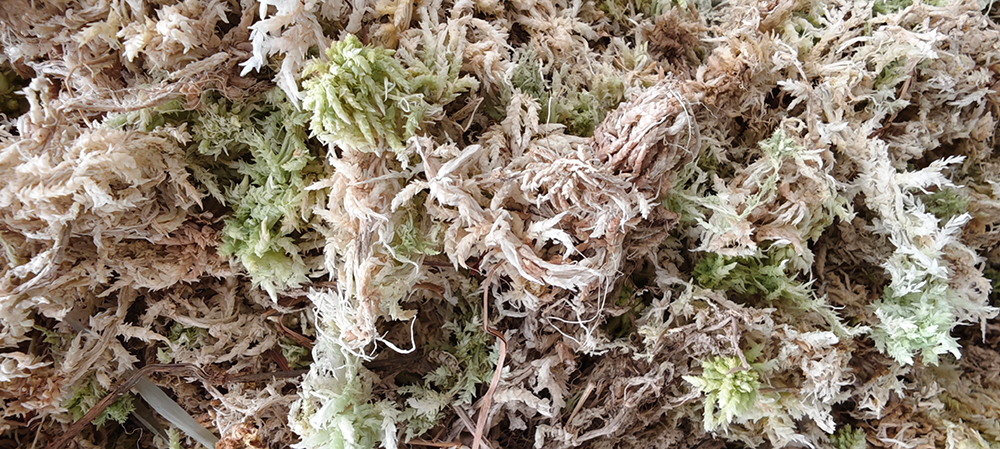
Sphagnum moss is suitable for growing orchids and other plants primarily due to its excellent water retention and aeration properties, which help maintain moisture and promote root respiration. Its Neutral PH environment aids in the absorption of certain nutrients, making it ideal for potted plants. Sphagnum moss is lightweight and easy to handle, and it possesses natural antibacterial properties that help suppress diseases. Additionally, as a renewable material, it has a minimal environmental impact, making it an ideal growing medium.
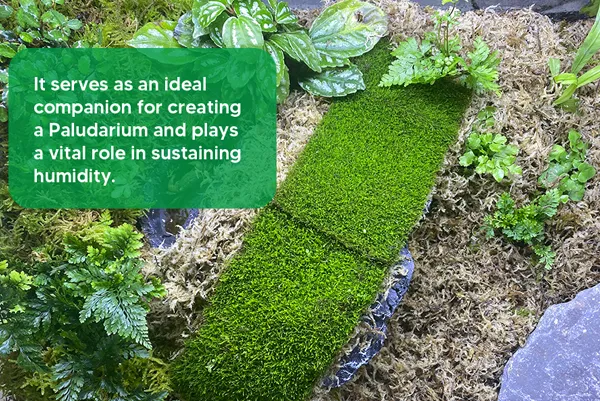
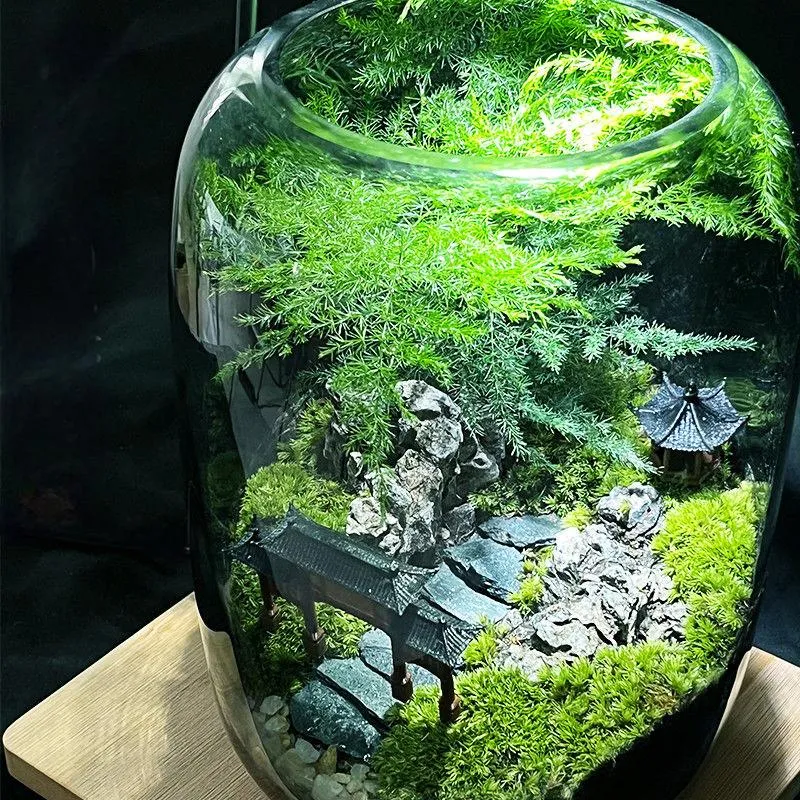
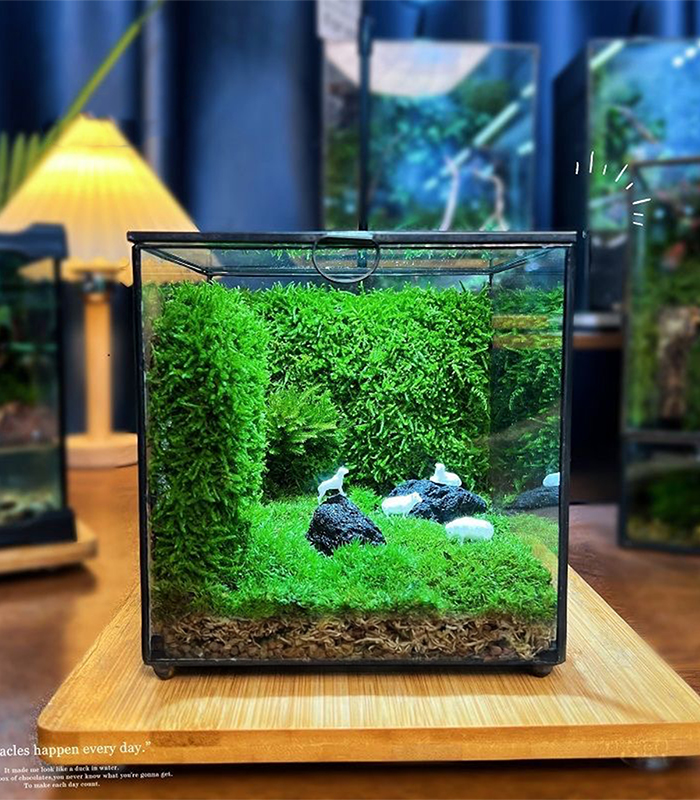
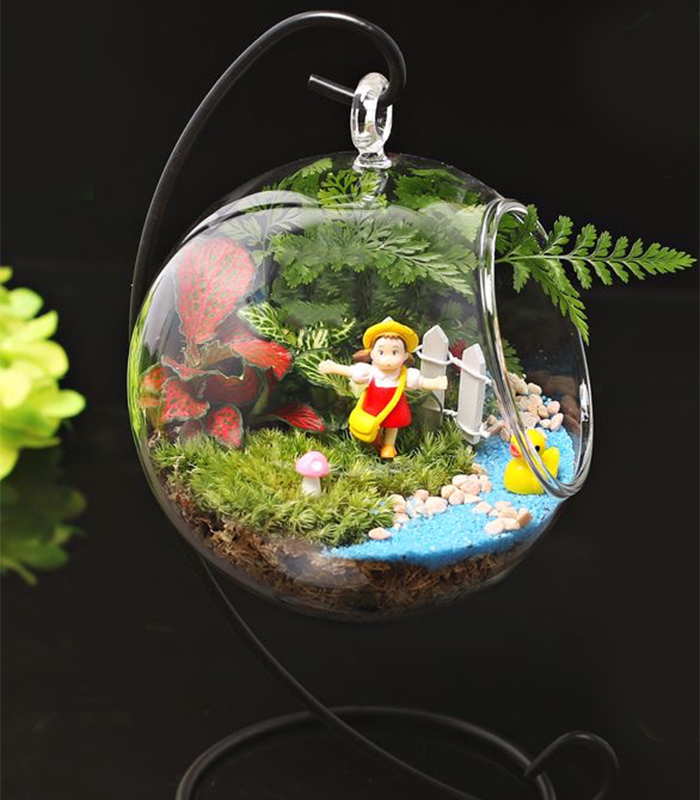
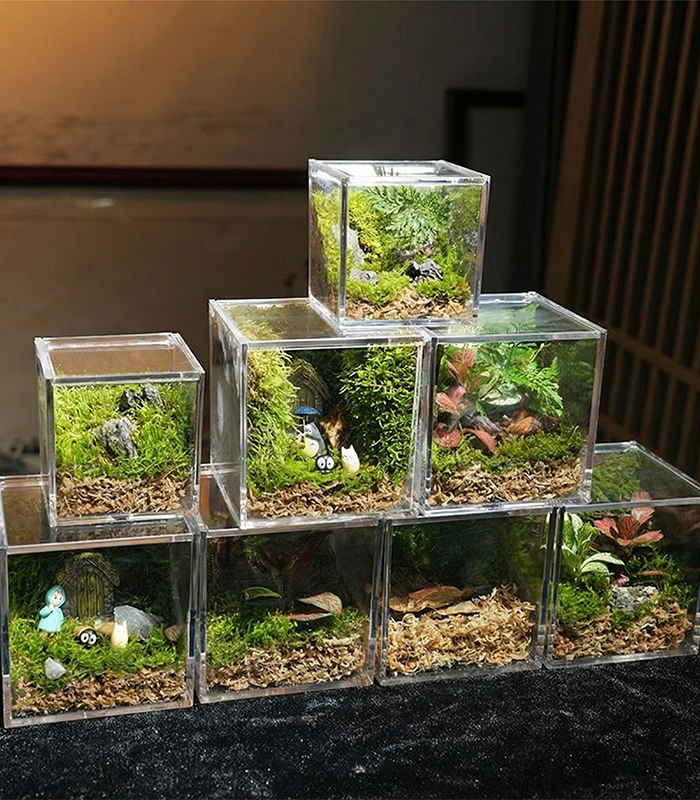
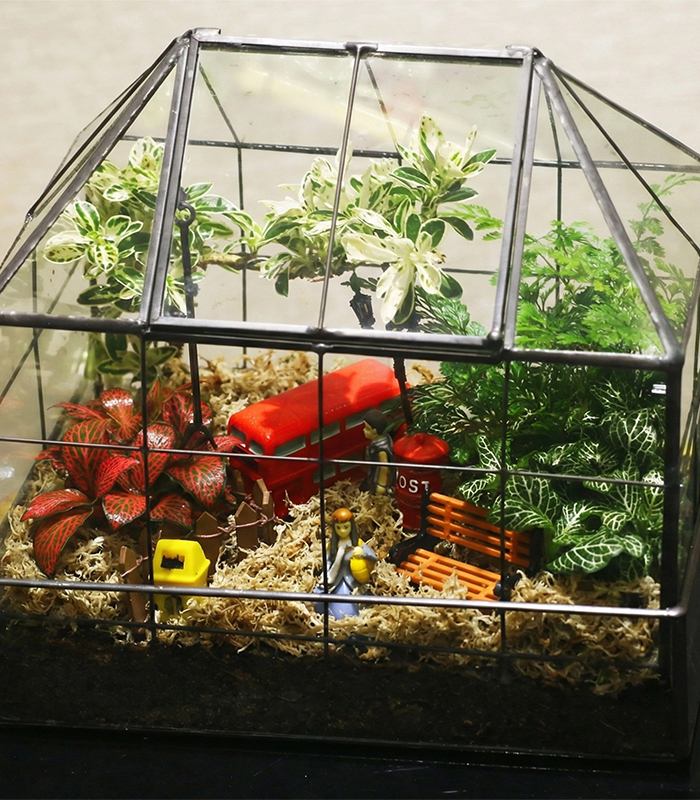
For Terrarium
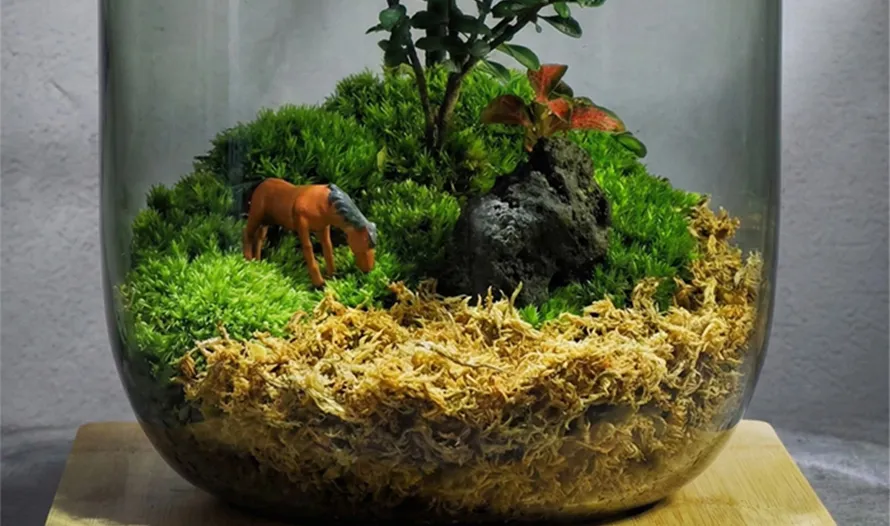
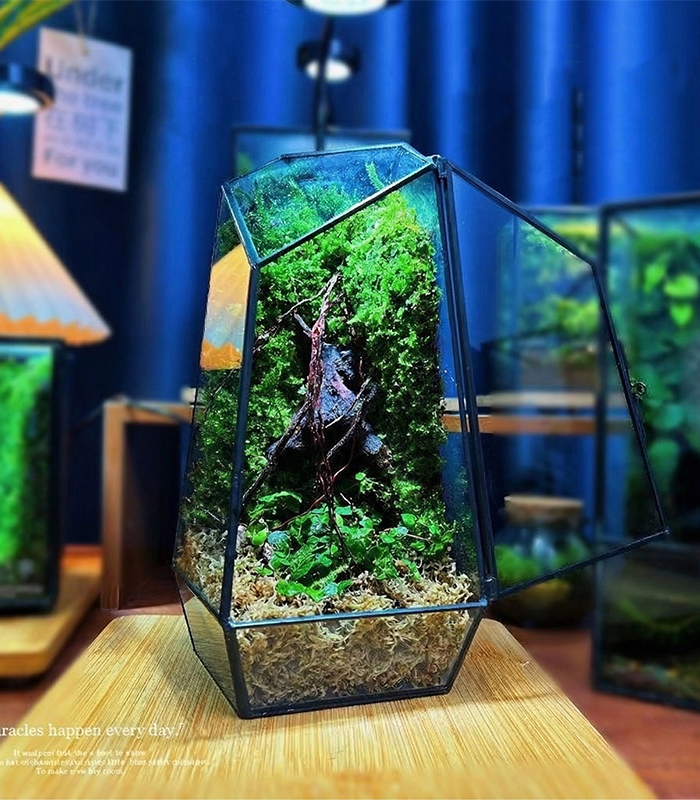
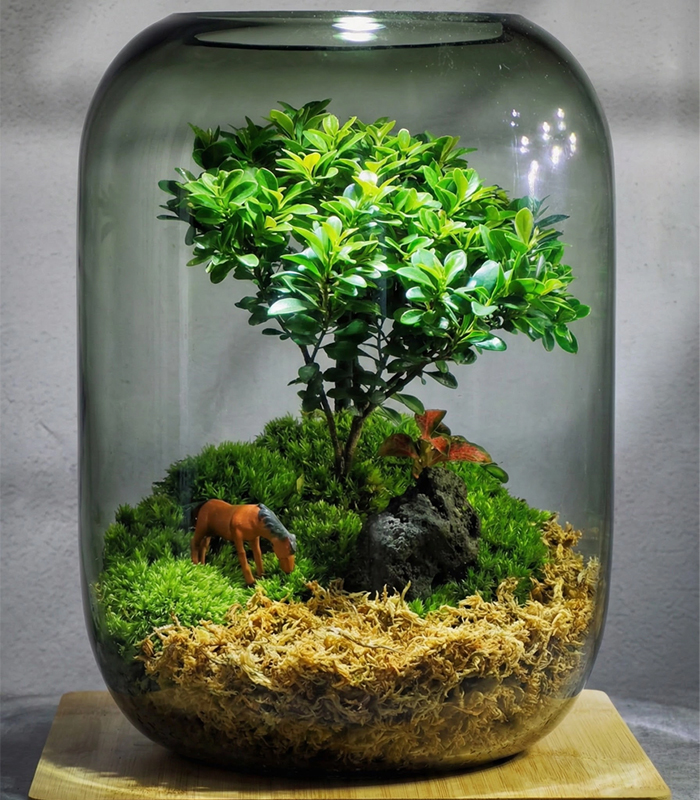
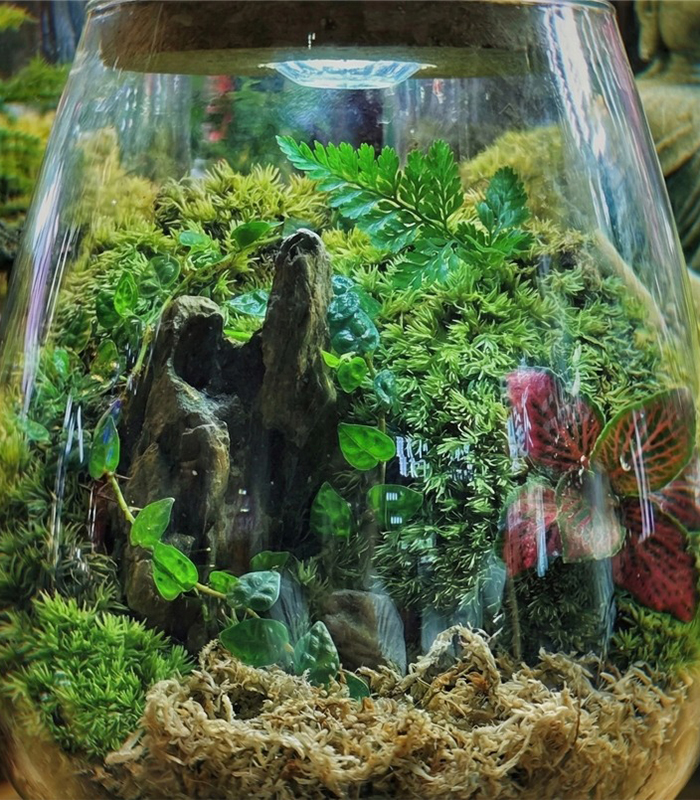
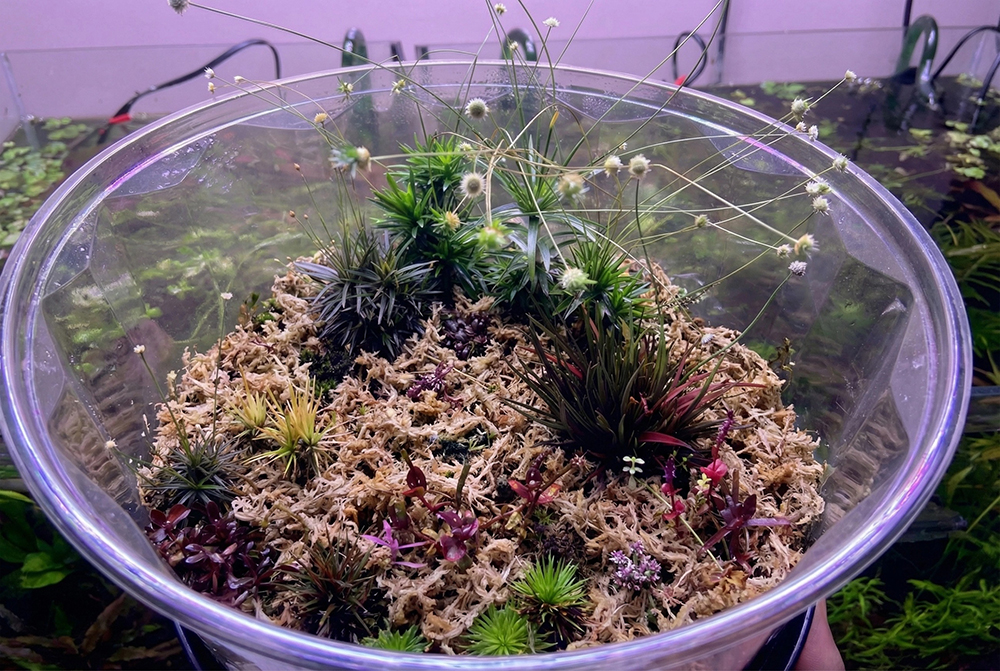
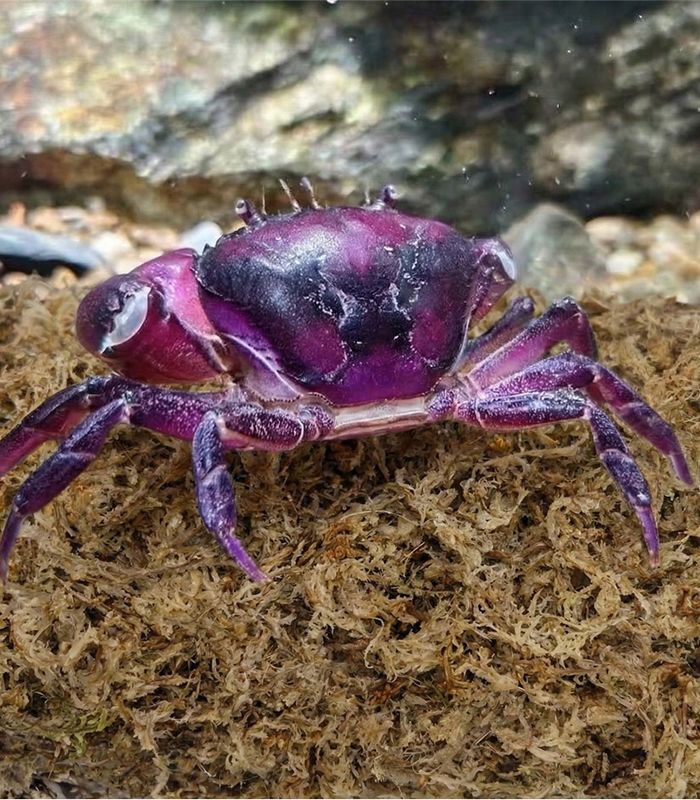
Sphagnum moss is an ideal material for terrariums due to its excellent water retention and aeration properties, effectively regulating humidity and promoting root respiration while reducing the risk of plant diseases. Additionally, it provides a suitable environment for acid-loving plants, features a naturally attractive appearance that can be paired with other plants and decorative materials to create a rich visual effect. As a renewable ecological material, Sphagnum moss is harmless and easy to obtain and maintain, making it suitable for all types of gardening enthusiasts.
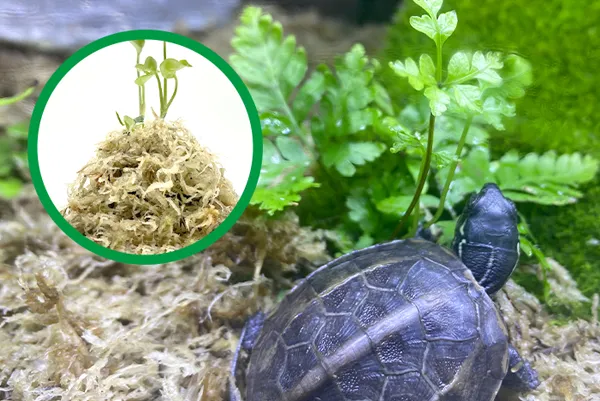
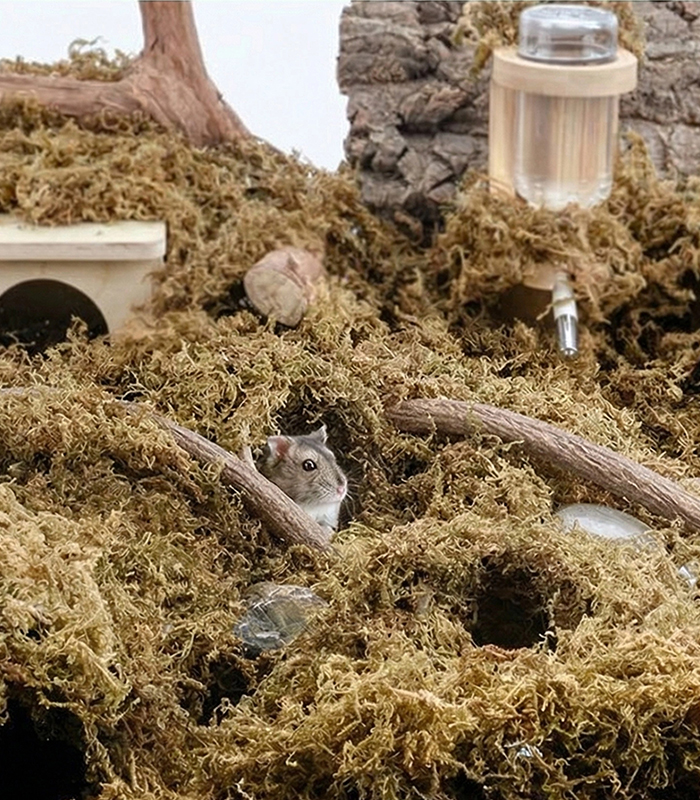
For Reptile
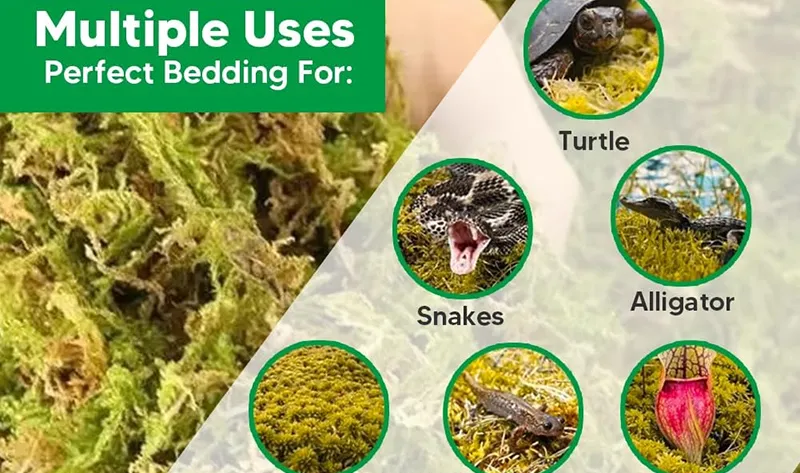
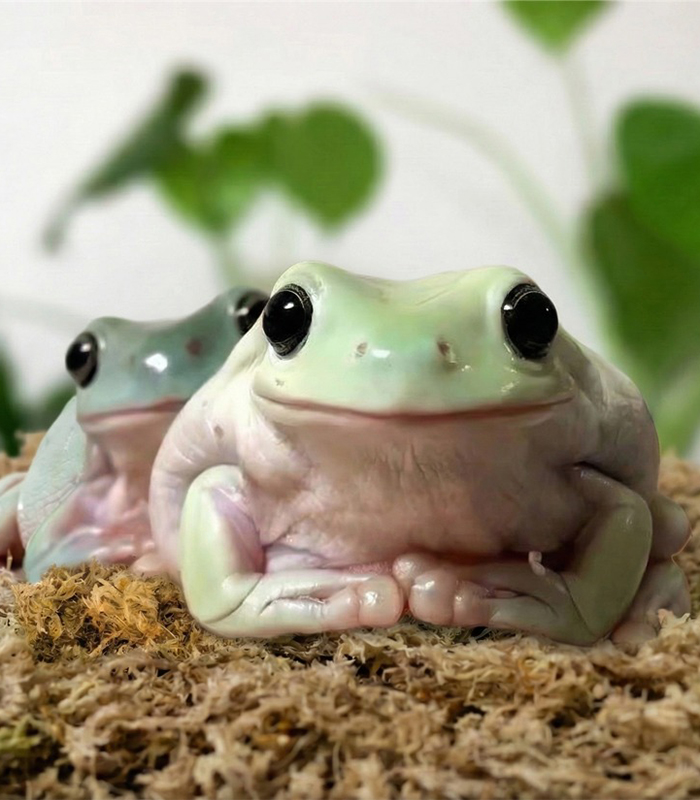
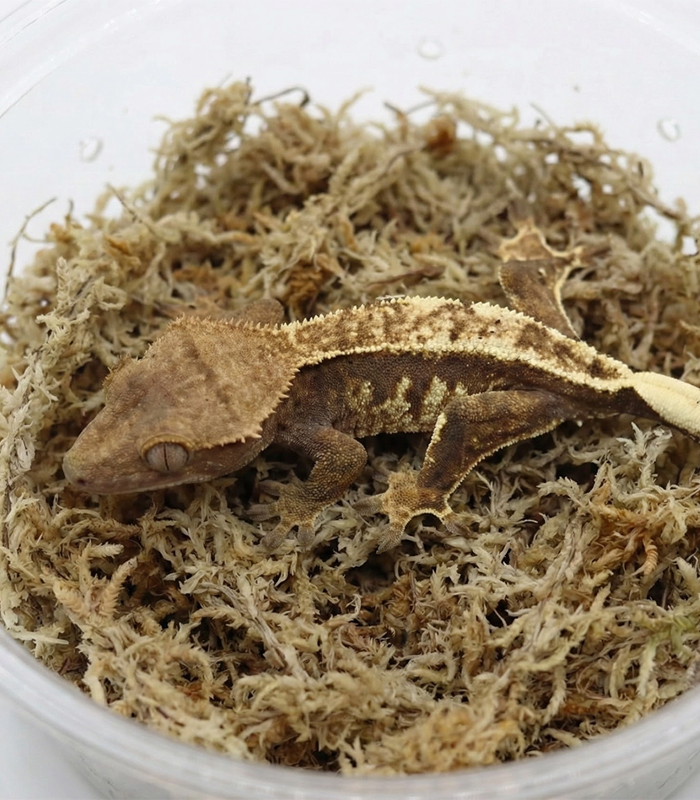
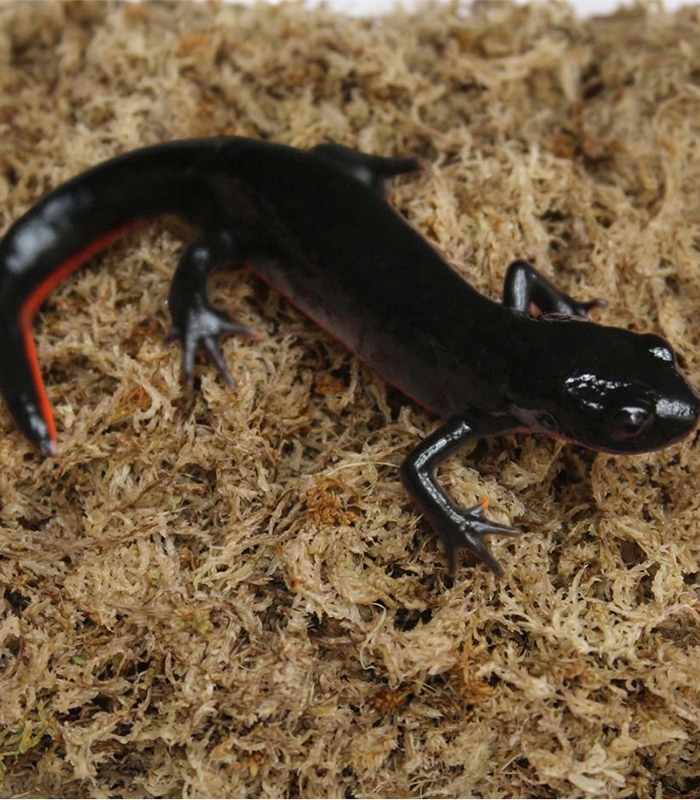
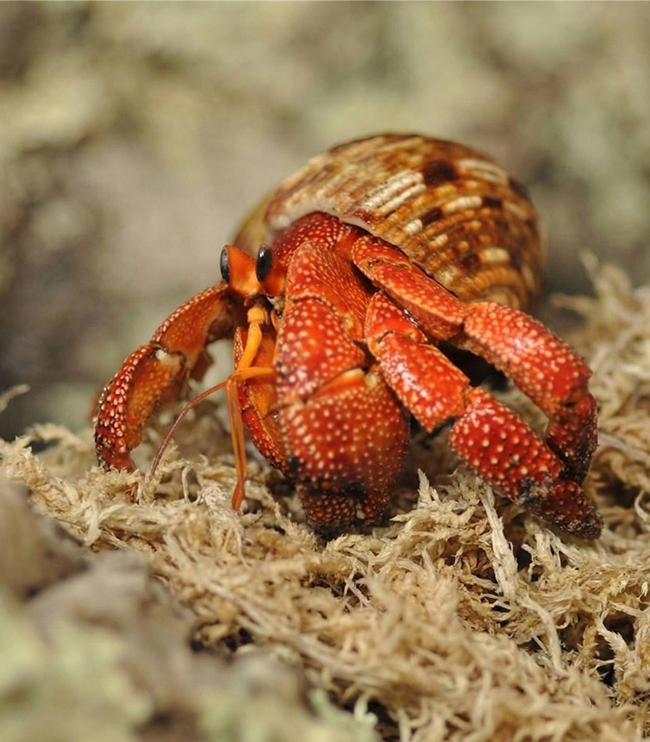
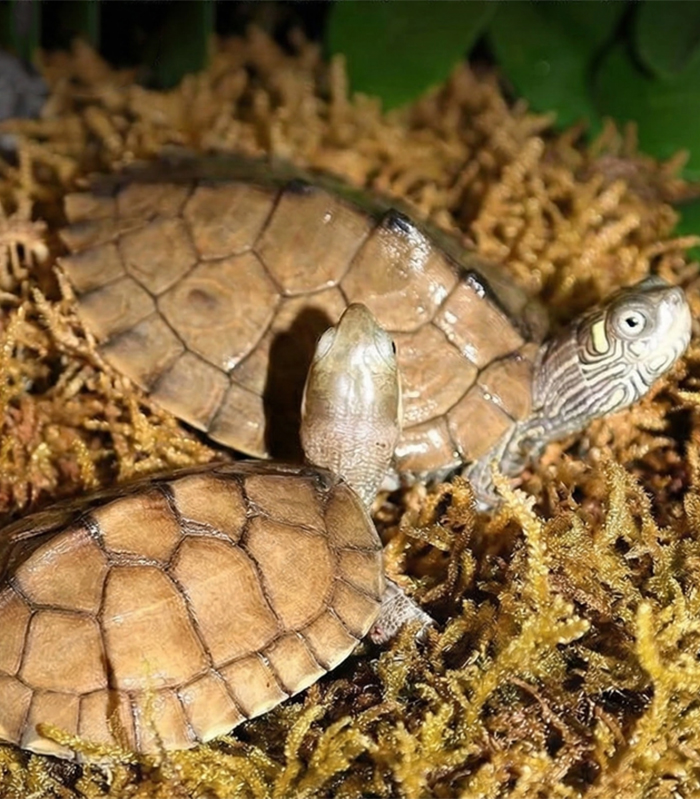
Sphagnum moss is highly suitable for reptiles due to its excellent moisture retention, which allows it to absorb and hold large amounts of water, maintaining the necessary humidity levels. Additionally, its insulating properties help regulate environmental temperatures, providing a comfortable habitat. Growing in Neutral PH soil, Sphagnum moss meets the needs of certain reptile species. It also mimics natural environments, offering hiding spots and suitable living conditions. Moreover, its antibacterial properties help reduce the occurrence of pathogens.
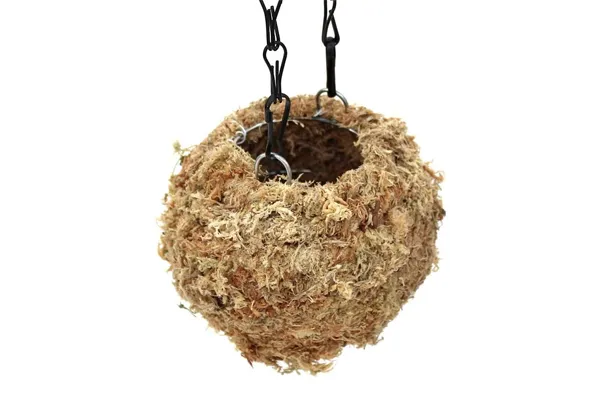
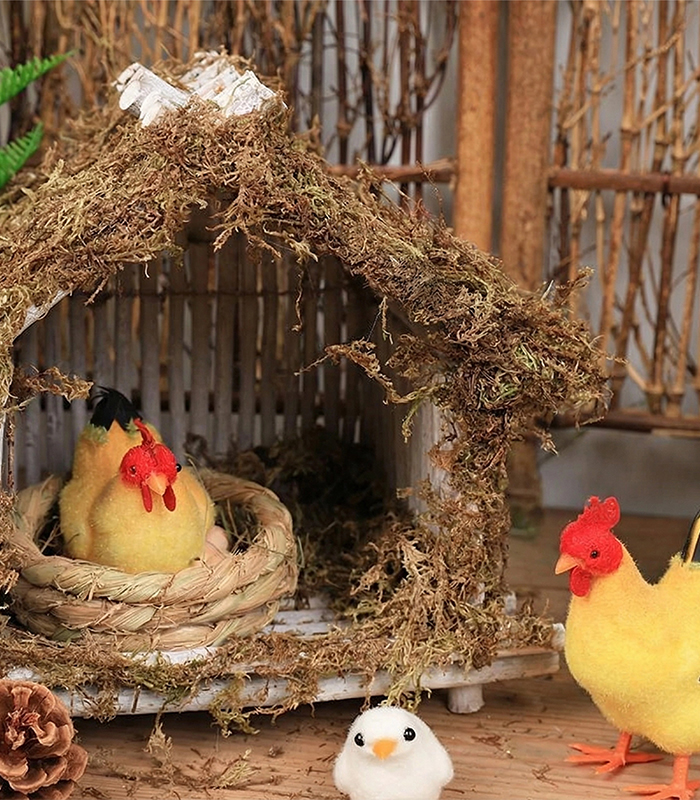
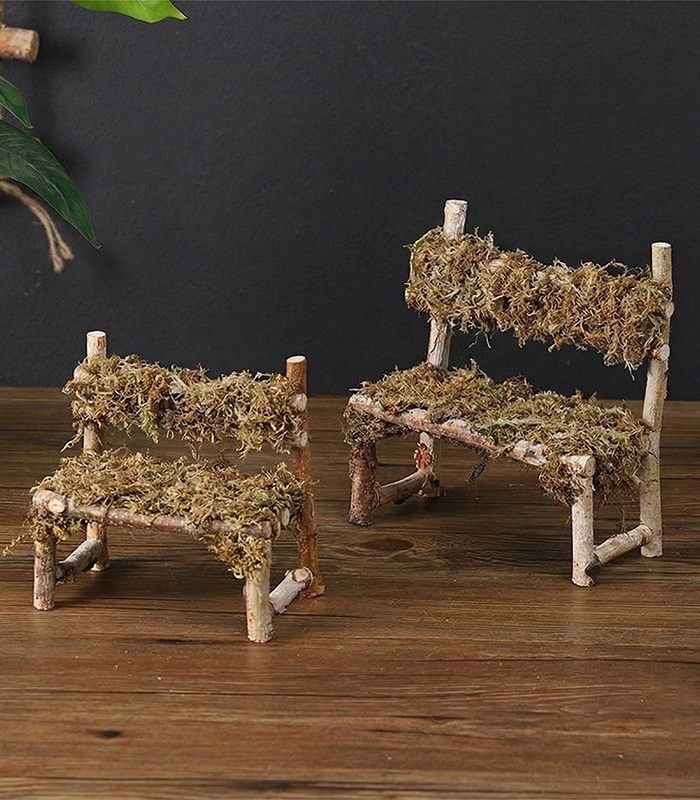
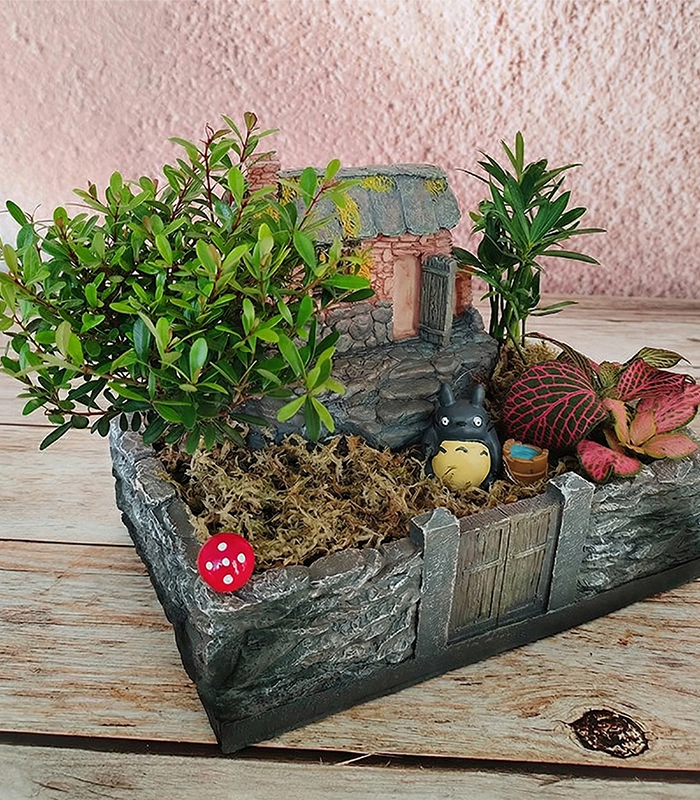
For Craft
Sphagnum moss is ideal for crafts due to its natural beauty, unique texture, and vibrant green color, which enhance decorative projects. Its lightweight and easy-to-handle nature makes it suitable for various applications, including floral arrangements and model making. Additionally, Sphagnum moss has excellent moisture retention properties, helping to maintain humidity for live plants in arrangements. As an eco-friendly, renewable material, it appeals to environmentally conscious crafters. Its versatility allows it to be used in a wide range of projects, from home decor to gardening, making it a popular choice among craft enthusiasts.
For Potting Mix
Sphagnum moss is an excellent component for potting mix due to its superior water retention, allowing it to absorb and hold moisture, which helps plants during dry periods. Its lightweight nature reduces the overall weight of the potting soil, making it easier to handle. Additionally, the fluffy texture of Sphagnum moss improves soil aeration, promoting root respiration and preventing root rot. With its naturally Neutral PH properties, it creates an ideal environment for potted plants. While Sphagnum moss has limited nutrients, it complements fertilizers and other soil components, providing essential support for healthy plant growth.
Company Profile

JERWTLU is a vertically integrated grower, processor, and global supplier of premium Sphagnum Moss, focused on sustainable cultivation, strict quality control, and efficient global distribution.


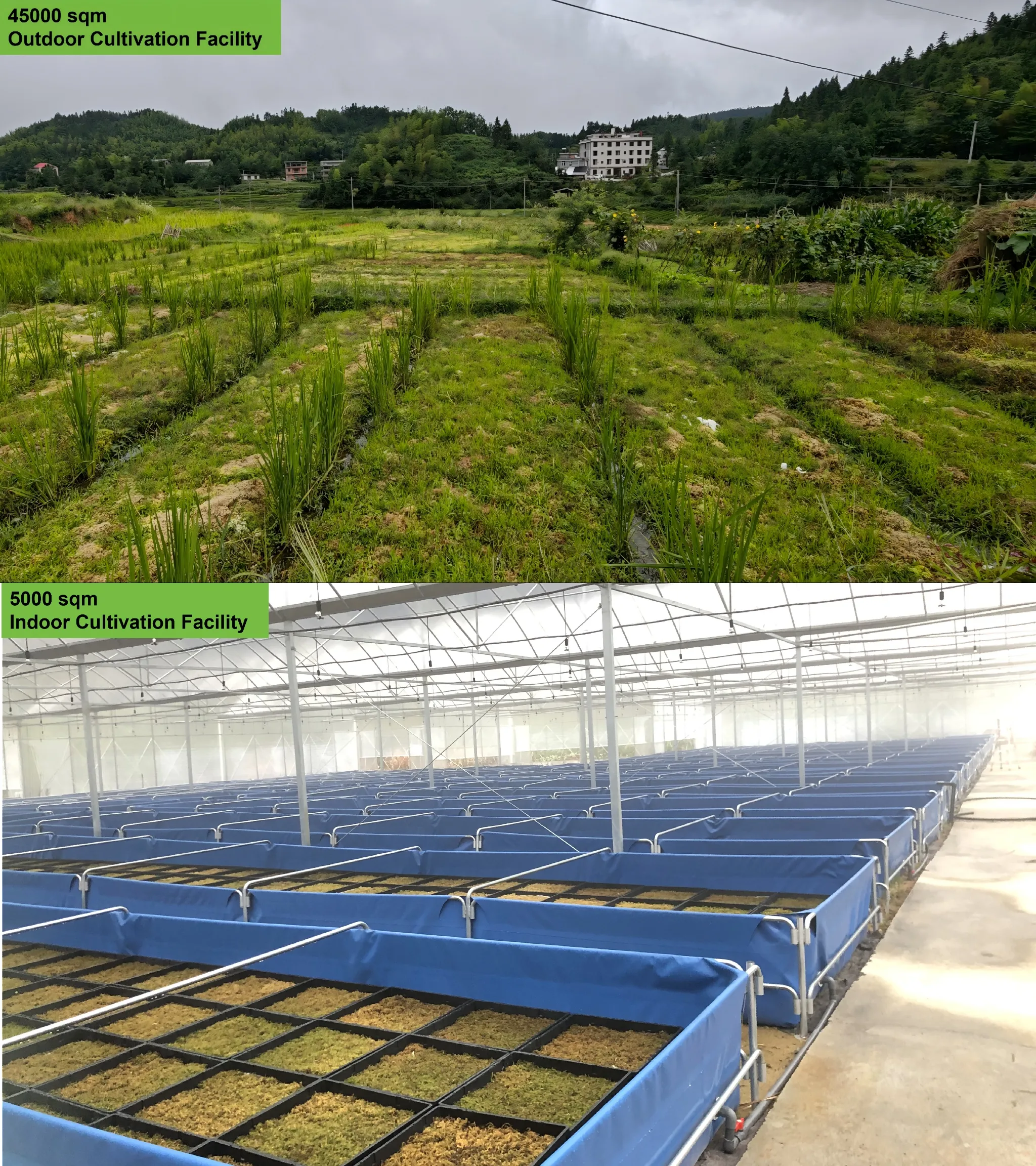
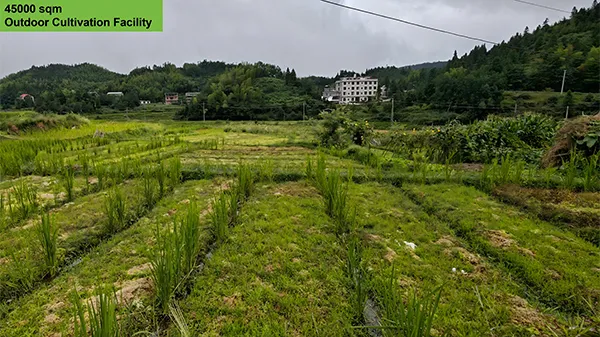
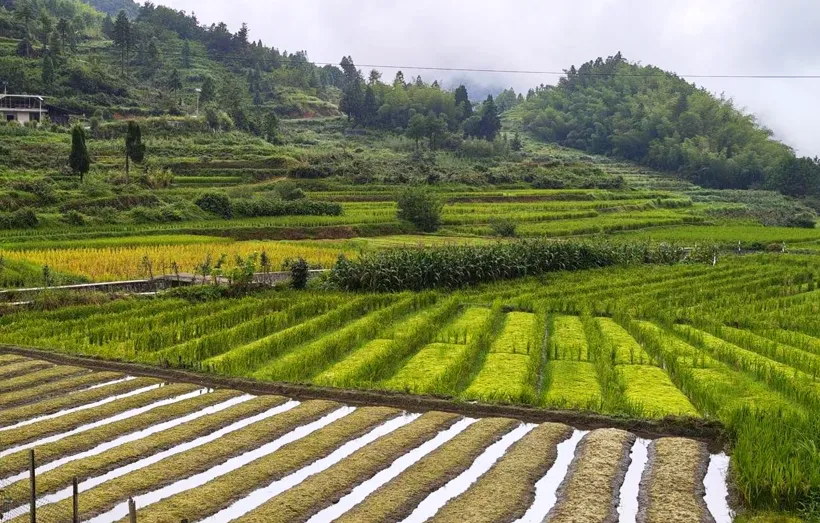
Located at elevations between 1000–1300 meters, our plantations dedicate approximately 50K sqm of land exclusively to Sphagnum Moss cultivation. The region features a subtropical humid climate, with annual average temperatures of 16°C–18°C and relative humidity consistently between 70%–90%, creating an ideal natural environment for healthy moss growth. Warm, humid summers further enhance productivity and consistency.


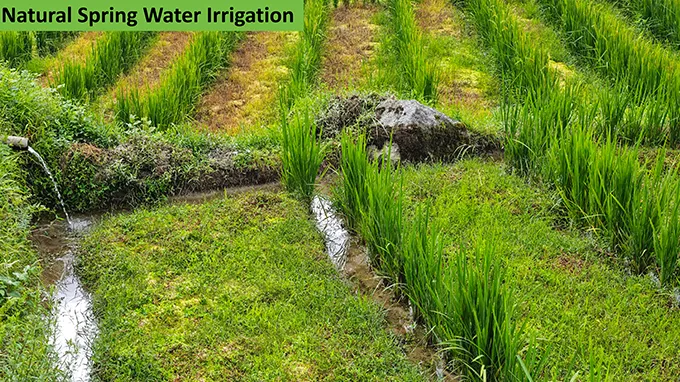
Our plantations benefit from abundant water resources sourced from natural mineral-rich mountain spring water, providing optimal moisture and nutrients. Combined with diverse moist acidic soils, these conditions support stable growth, naturally reduce pests and diseases, and ensure high yields. Supported by a balanced ecological system, jerwtlu operates a high-yield 80-mu cultivation area with an annual output of 300 tons.


jerwtlu supplies high-quality Sphagnum Moss to Singapore, Taiwan, Japan, New Zealand, the United States, and Canada, serving customers through both online and offline sales channels.


Our compressed Sphagnum Moss products are made from 100% natural materials, grown with natural fertilizers only. Fresh moss is carefully selected, sun-dried to remove excess moisture, and strictly screened to eliminate impurities. We utilize vacuum compression packaging to protect freshness, minimize oxidation, and maintain product integrity during transportation. A mild natural plant scent may occur, which is normal and harmless.


Compression packaging significantly reduces volume, saving storage space and lowering logistics costs while maintaining unchanged weight and quantity. Our upgraded compression technology ensures tighter packing without damaging the moss structure, guaranteeing customers receive the full value of their purchase.


In addition, compressed packaging supports environmental sustainability by reducing transportation emissions and using recyclable materials. Beyond horticulture, Sphagnum Moss is widely used in terrariums, aquariums, reptile habitats, plant transportation, landscaping, and soil conservation, demonstrating its versatility and value across multiple industries.


Driven by quality, sustainability, and innovation, JERWTLU  is committed to delivering fresh, reliable, and environmentally responsible Sphagnum Moss products to customers worldwide.


Company Profile
About JERWTLU
Discovering Jerwtlu's Sphagnum Moss Where It Grows and Its Growth Cycle
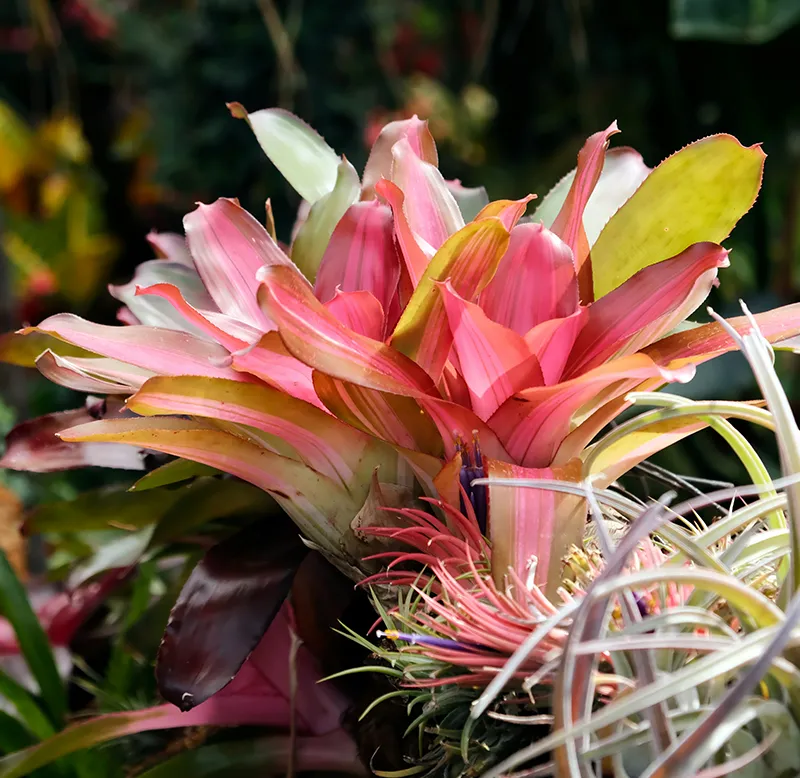
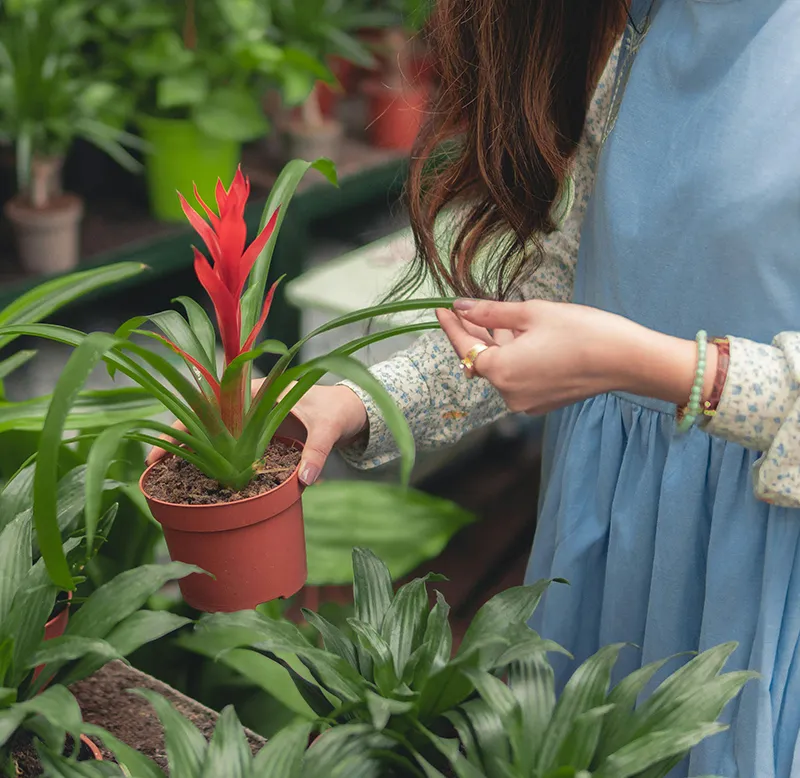
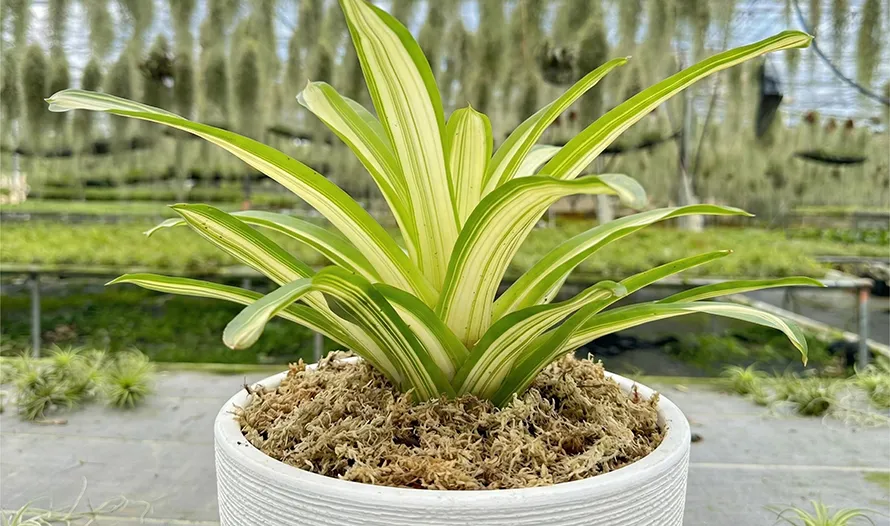
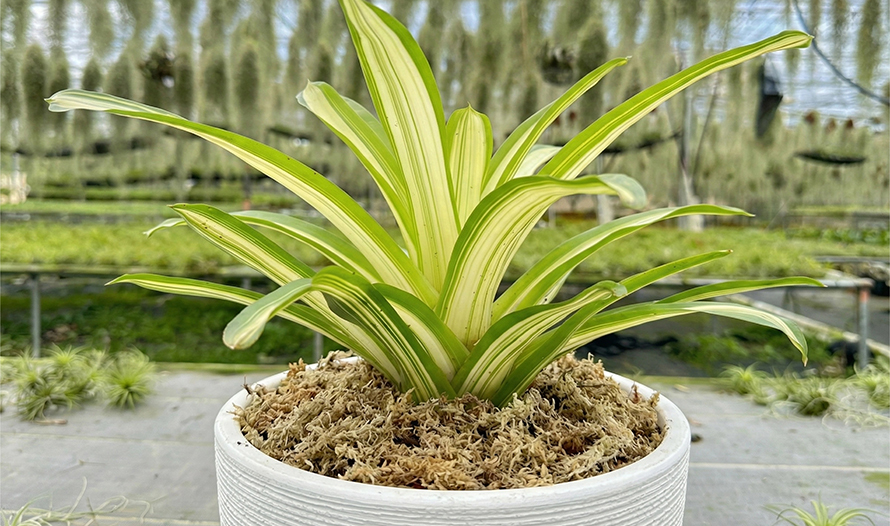
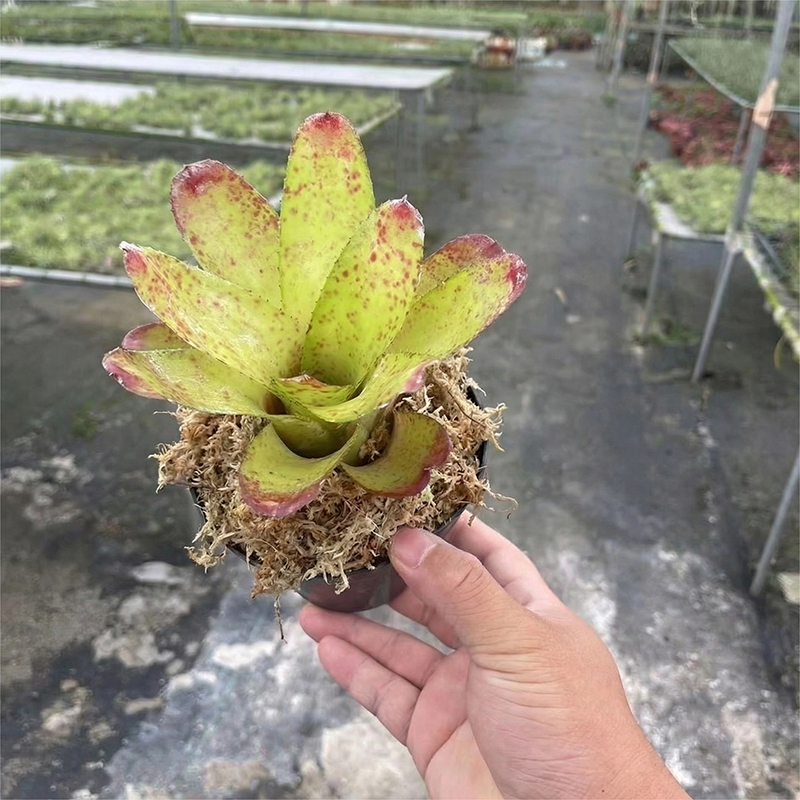
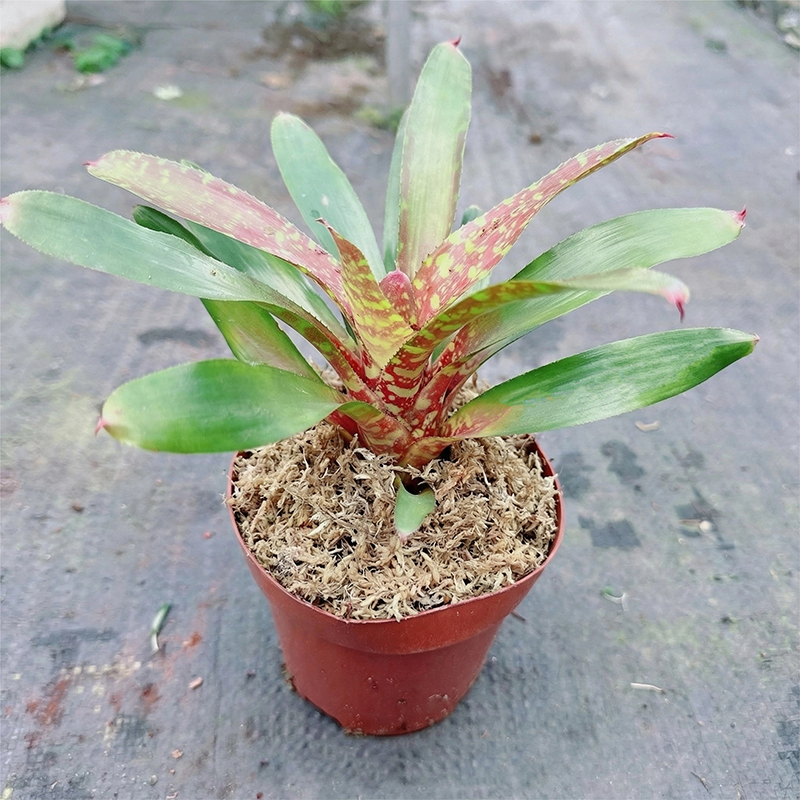
Air Plants and Tank Bromeliads (Tillandsia & Bromeliaceae) Care Guide

Air plants and tank bromeliads belong to the Bromeliaceae family and originate from tropical rainforest environments. Known for their unique water-holding leaf centers, vibrant coloration, and minimal soil requirements, they are popular ornamental plants for indoor and decorative use.


This guide provides clear, professional instructions covering  light, temperature, watering, humidity, air circulation, and planting methods .


Light Requirements

Light needs vary by variety, but air plants generally prefer  bright, indirect light .


Recommended Light Conditions


  • Gray or silver-leaved, firm-textured varieties

→ Require  strong light or bright filtered sunlight

  • Green, softer-leaved varieties

→ Tolerate  partial shade or indoor ambient light


Best Practices


  • Place near a window with indirect sunlight

  • Approximately  8–10 hours of light per day

  • Artificial indoor lighting is acceptable

  • Avoid intense direct sunlight in summer to prevent leaf burn


Adequate lighting promotes healthy growth and enhances leaf coloration.


Temperature Requirements

Optimal Temperature Range


  • Ideal growth temperature:  15°C–25°C (59°F–77°F)

  • Tolerable range:  5°C–40°C (41°F–104°F)


Temperature Management


  • When temperatures exceed 25°C (77°F), increase ventilation and humidity

  • Most varieties tolerate winter temperatures down to around 5°C (41°F)

  • Some cold-tolerant varieties can briefly withstand 0°C (32°F)

  • Prolonged exposure below 5°C (41°F) may cause damage; below 0°C (32°F) can be fatal


Watering & Humidity

Air plants absorb moisture primarily through their leaves. Proper humidity and watering technique are essential.


Watering Principles


  • “Watering” refers to maintaining  high ambient humidity (above 90%)

  • During active growth, mist plants regularly to simulate rainforest conditions


Correct Watering Method


  • Use a fine mist spray bottle

  • Thoroughly wet the entire plant each time

  • Ensure even coverage of leaf surfaces


Important Precautions


  • ❌ Do not allow water to remain in the leaf center for extended periods

  • Standing water in the leaf cup for more than  24 hours  can cause bacterial growth and rot

  • If overwatered, gently turn the plant upside down to drain excess water


Watering Frequency


  • 2–3 times per week  under normal conditions

  • Increase frequency in hot, dry, well-ventilated environments

  • Reduce watering during rainy seasons or in naturally humid conditions


Best Time to Water


  • Early morning or evening

  • Avoid watering under strong midday sunlight


Air Circulation

Good airflow is essential for air plant health.


  • Maintain adequate ventilation indoors

  • Place plants near windows or in airy locations

  • Avoid stagnant, humid environments without air movement


Proper air circulation prevents mold, rot, and growth stagnation.


Planting & Mounting Methods

Mounted or Terrarium Display


  • Roots may be wrapped with a small amount of sphagnum moss for moisture retention

  • Secure plants to driftwood, bark, or mounting boards

  • Adequate moisture, temperature differences, and lighting enhance coloration


Potted Planting


  • Use well-draining media such as:


  • Coconut husk

  • Bark

  • Orchid stone

  • Clay pellets

  • Peat mixed with sphagnum moss

  • Avoid direct summer sunlight

  • Greater day-night temperature differences in winter encourage vivid coloration


Growth & Propagation

  • After flowering, the mother plant produces offsets (pups) at its base

  • When pups reach  approximately one-third the size of the mother plant , they can be separated and grown independently


Key Care Summary

  • ✅ Bright, indirect light enhances coloration

  • ✅ High humidity with proper drainage

  • ✅ Good air circulation is essential

  • ❌ Avoid standing water in leaf centers

  • ❌ Avoid stagnant, poorly ventilated environments


Air plants are not maintenance-free—they simply require the right balance of air, light, and moisture.


Air Plants and Tank Bromeliads (Tillandsia & Bromeliaceae) Care Guide
Home
Home
Sphagnum Moss: Unlock Lush, Effortless Growth
Quality Control Measures
JERWTLU QUALITY CONTROL
1
  • No Harmful Chemicals

We strictly prohibit the use of any pesticides, herbicides, or nutrient solutions in the cultivation of our moss. This ensures that our products are safe for both plants and animals.

  • Weeding Techniques

We utilize irradiation for weed control or manual screening methods to maintain the purity of our moss. This approach minimizes the impact on the environment while ensuring the highest quality.

1
For Plant

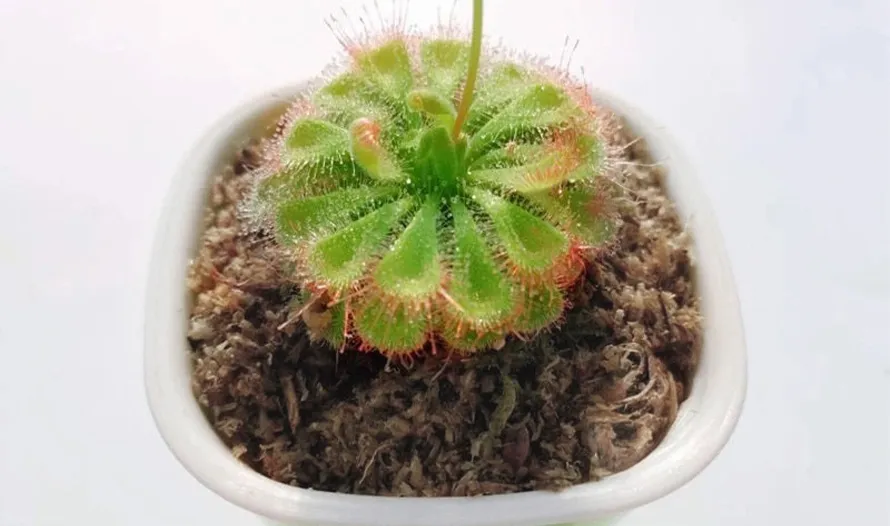
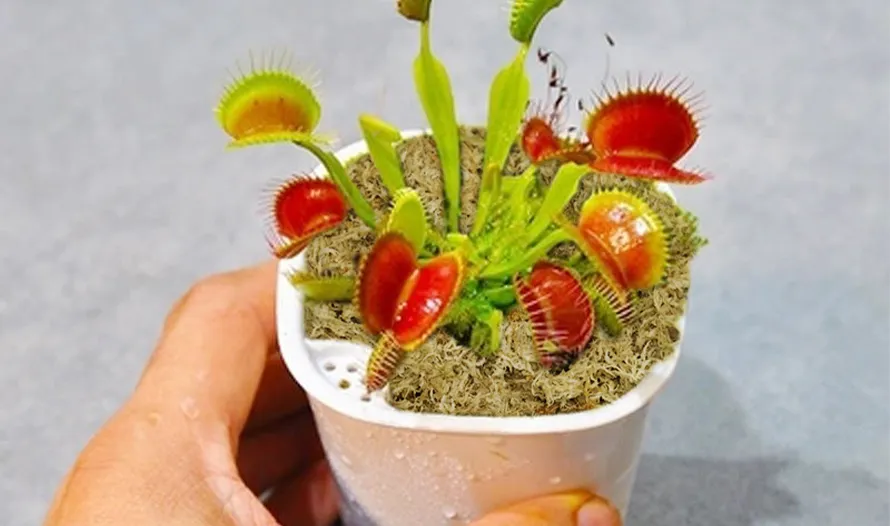
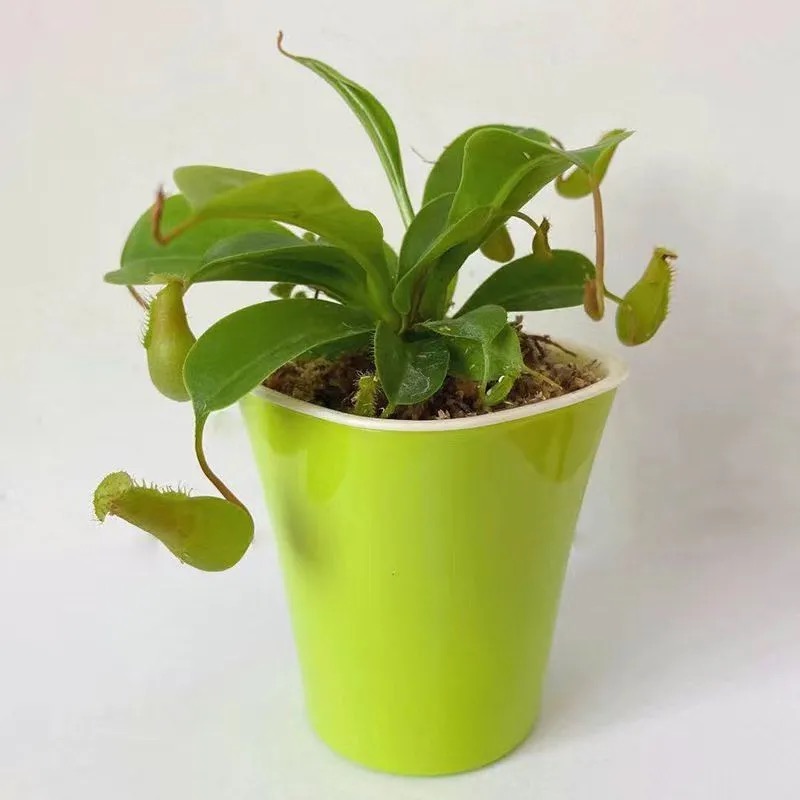
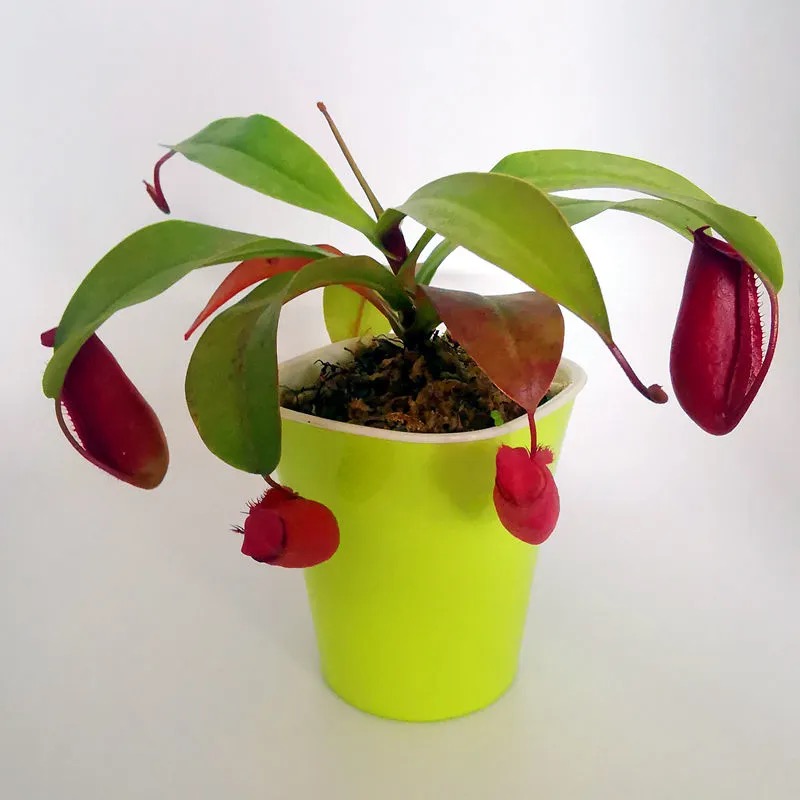
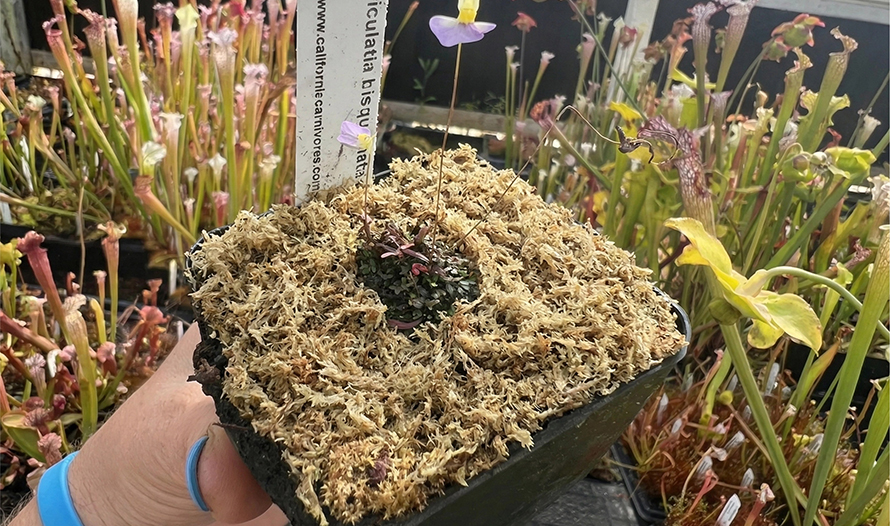
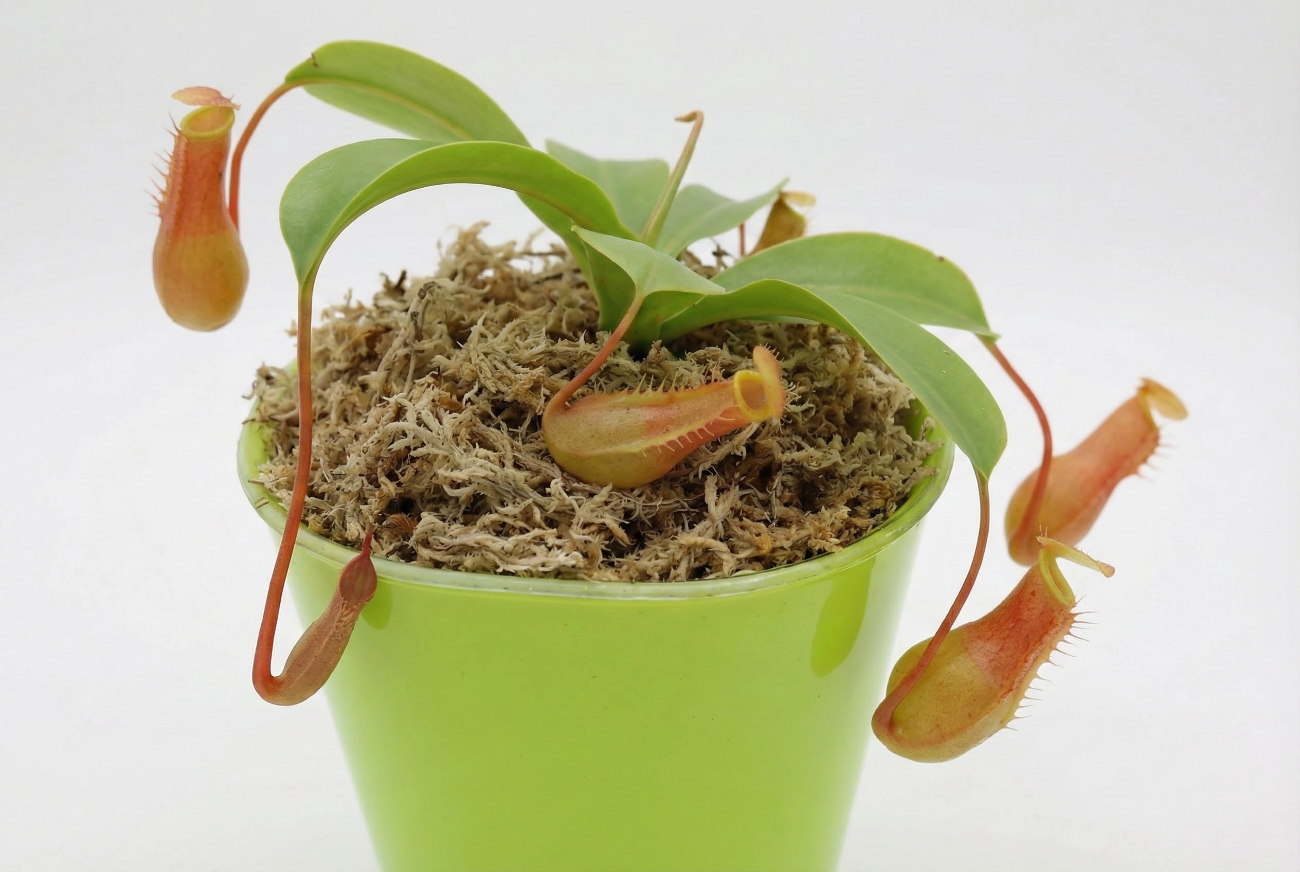
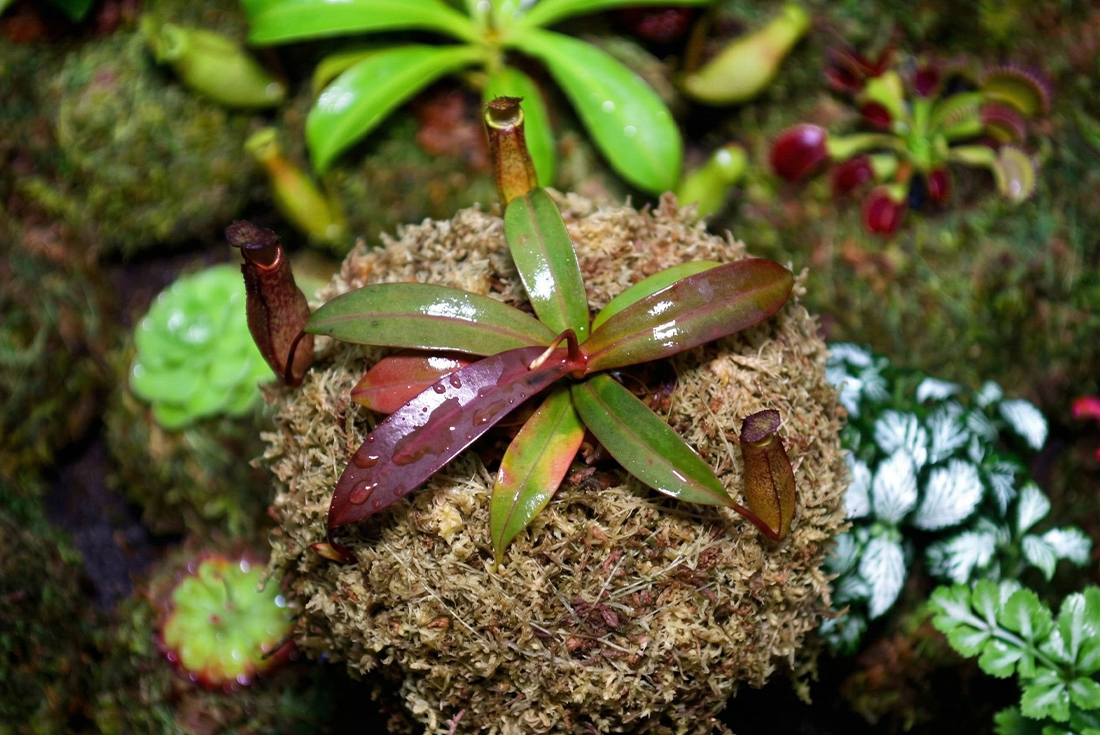
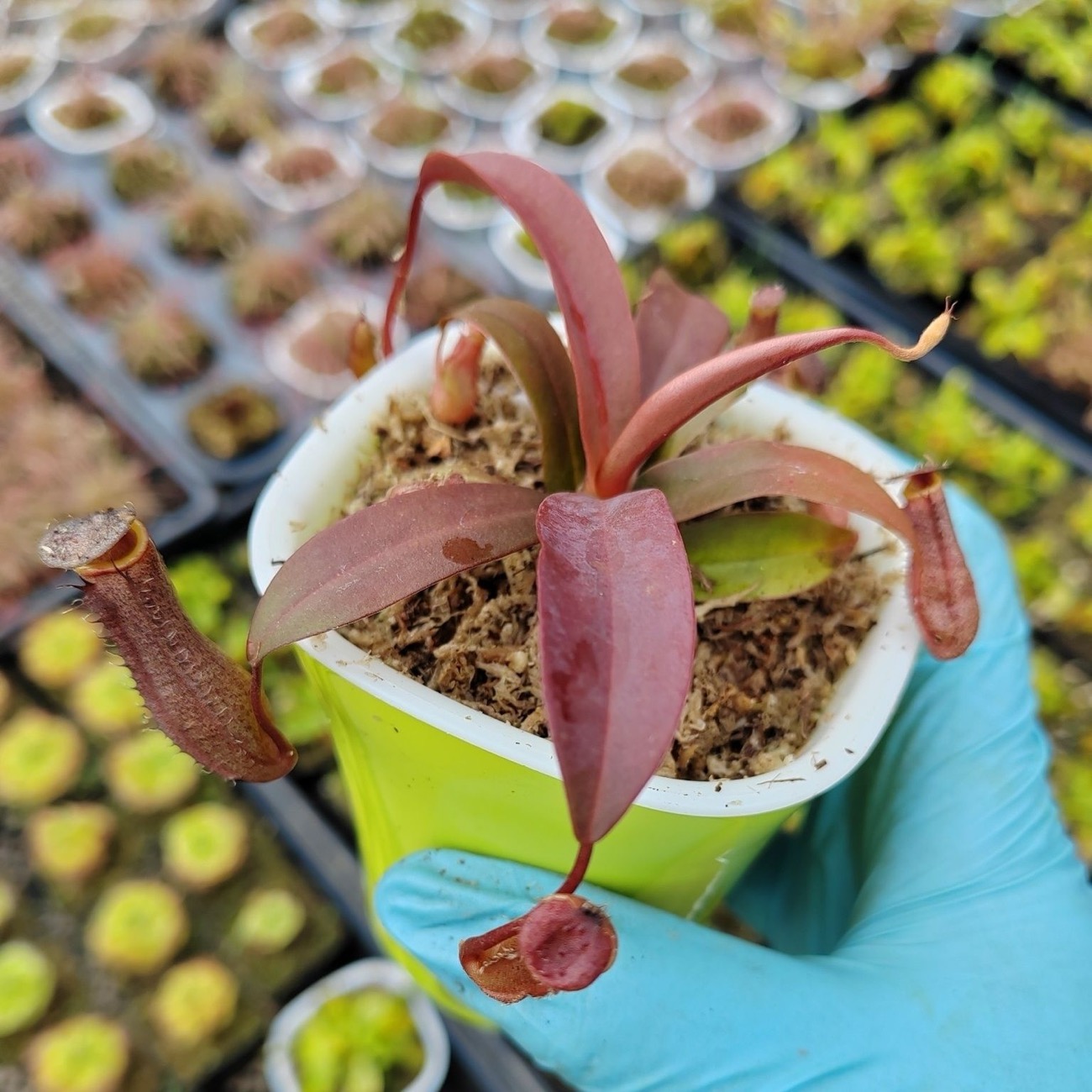
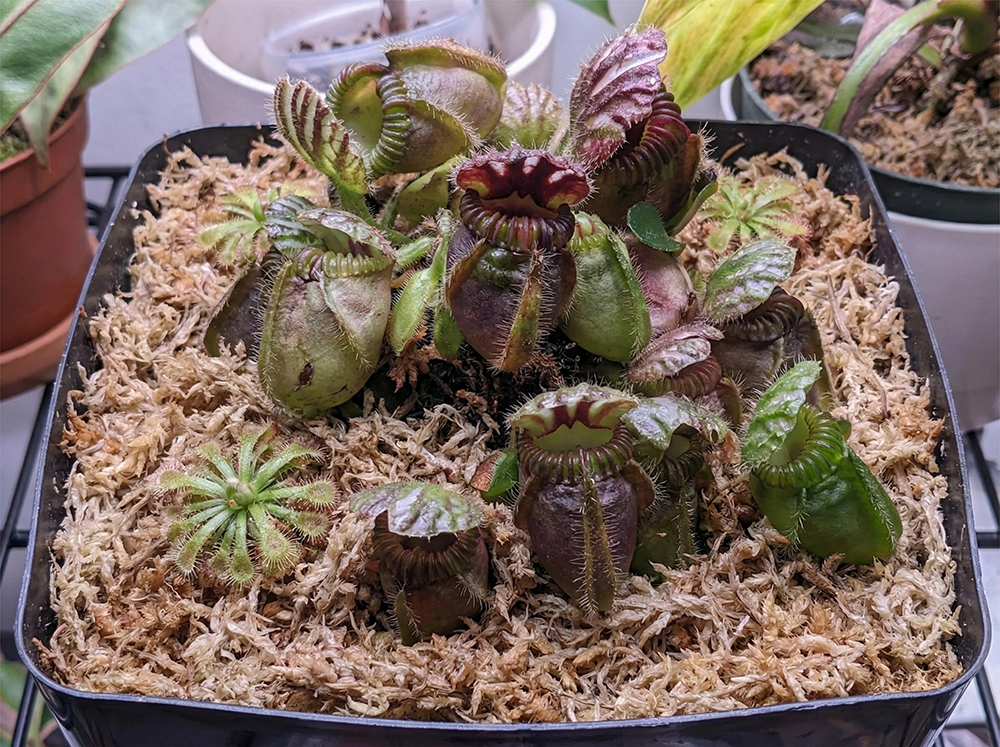
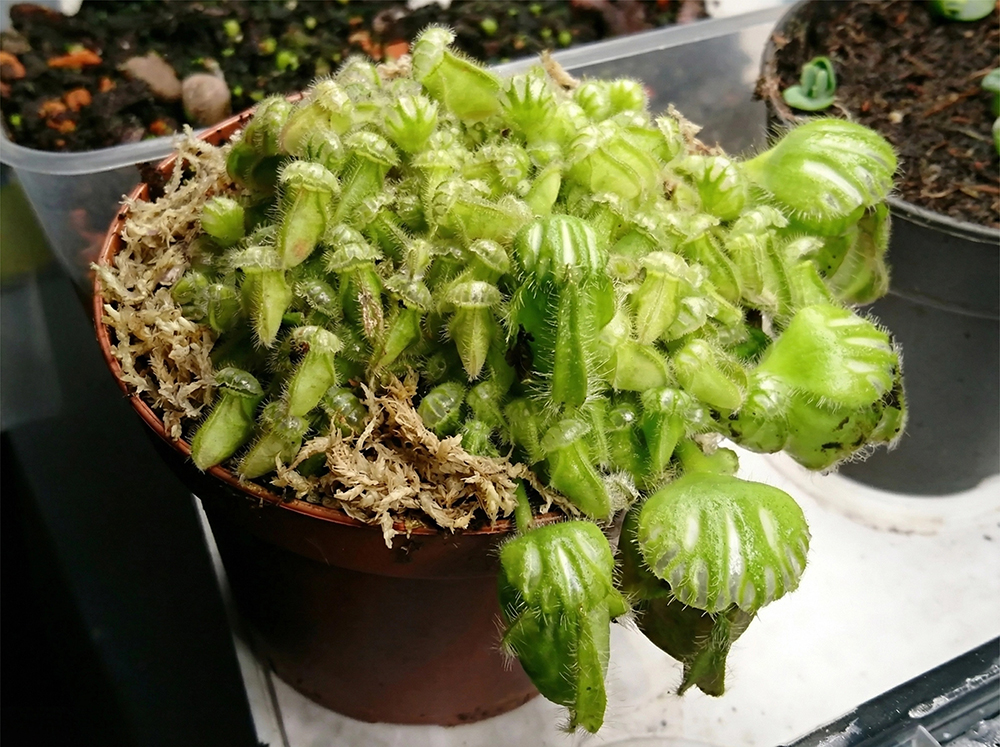
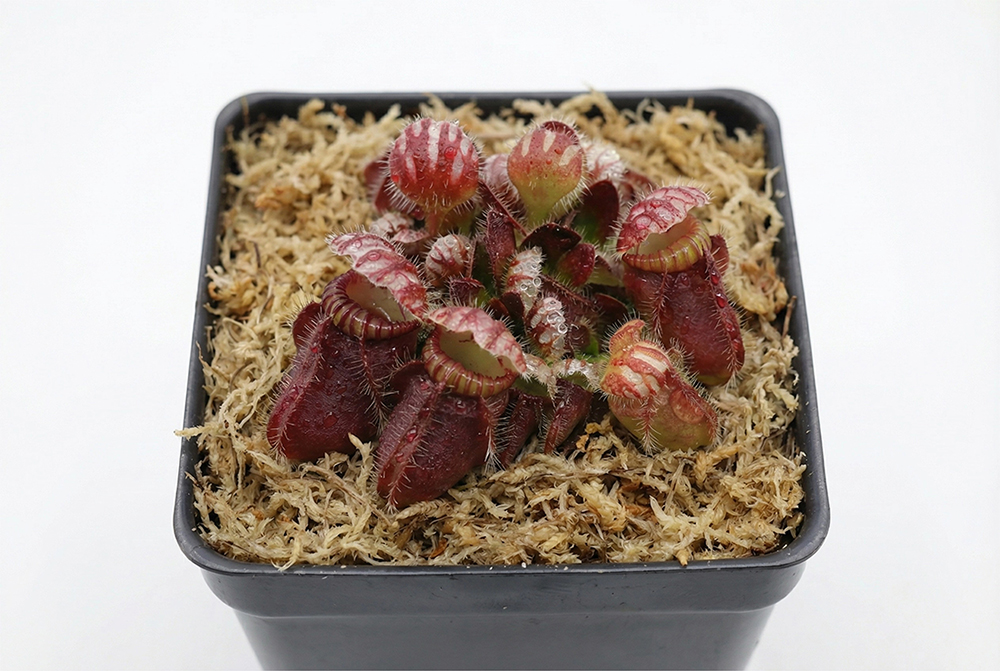
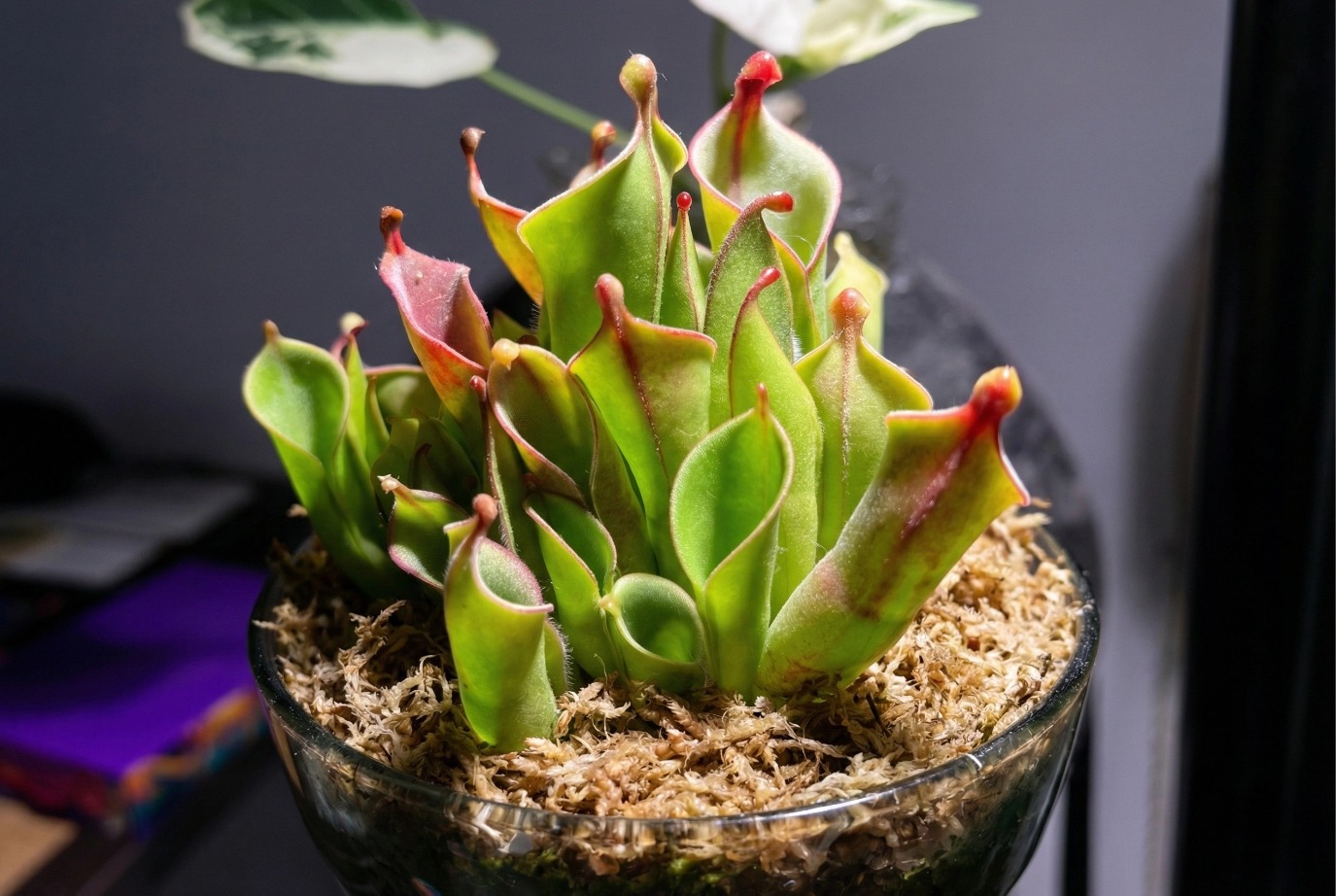
JERWTLU Sphagnum Moss is ideal for growing carnivorous plants and companion plants due to its excellent drainage, moisture retention, and neutral environment, promoting healthy growth.


  • How to Use Sphagnum Moss in Your Houseplants

JERWTLU Sphagnum Moss is an ideal choice for indoor plant care, effectively enhancing soil quality and plant health. It not only improves moisture retention but also provides excellent aeration, ensuring that plant roots receive ample oxygen. Understanding how to use moss when selecting the right plants can help you create an ideal growing environment, allowing your indoor plants to thrive.


  • Keep Roots Healthy and Prevent Overwatering

Using JERWTLU Sphagnum Moss can effectively prevent overwatering and keep plant roots healthy. Its superior drainage and moisture regulation capabilities ensure that roots do not rot from excess water, promoting healthy plant growth. In this section, we will explore how to utilize moss to maintain optimal conditions for plant roots, keeping your plants vibrant and flourishing.


  • Simple Steps to Rehydrate and Apply

Rehydrating and applying JERWTLU Sphagnum Moss is not complicated. With just a few simple steps, you can provide your plants with an ideal growing medium. Learn how to properly handle and apply the moss to ensure it works effectively in the soil, supplying your plants with the moisture and nutrients they need. In this section, we will detail these easy steps, allowing you to master the usage techniques effortlessly.


For Plant
JERWTLU Sphagnum Moss for Plant
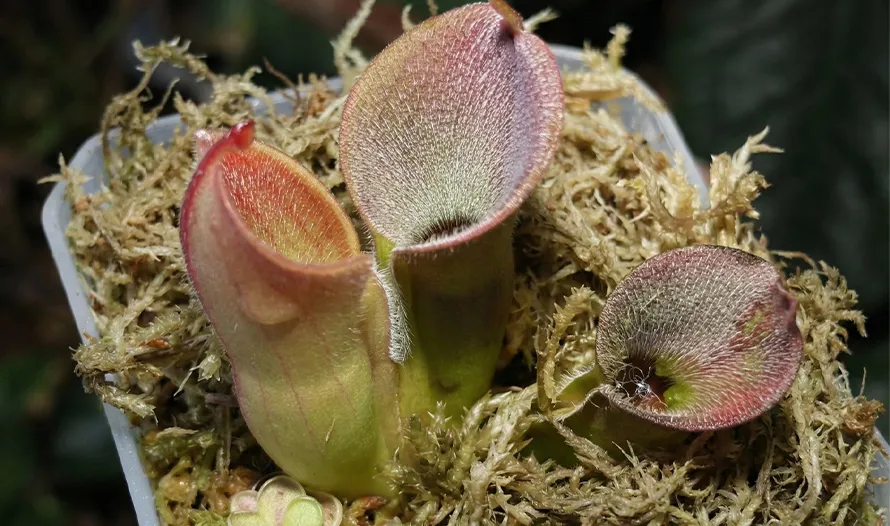
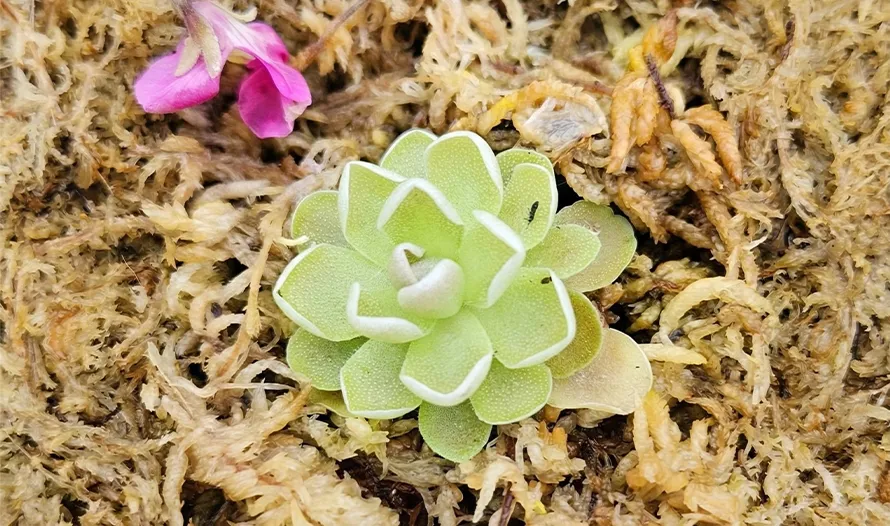
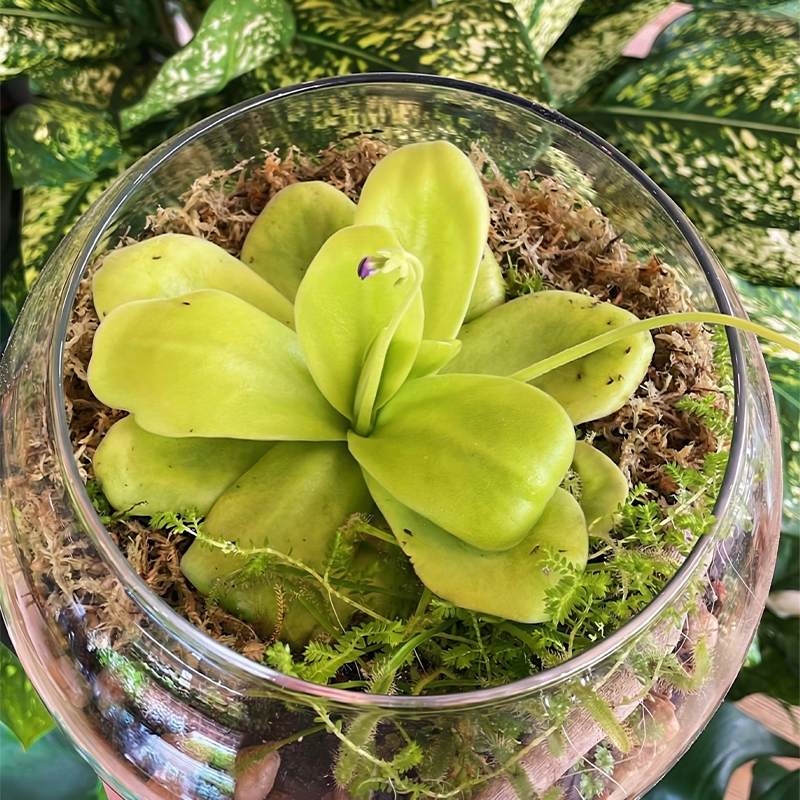
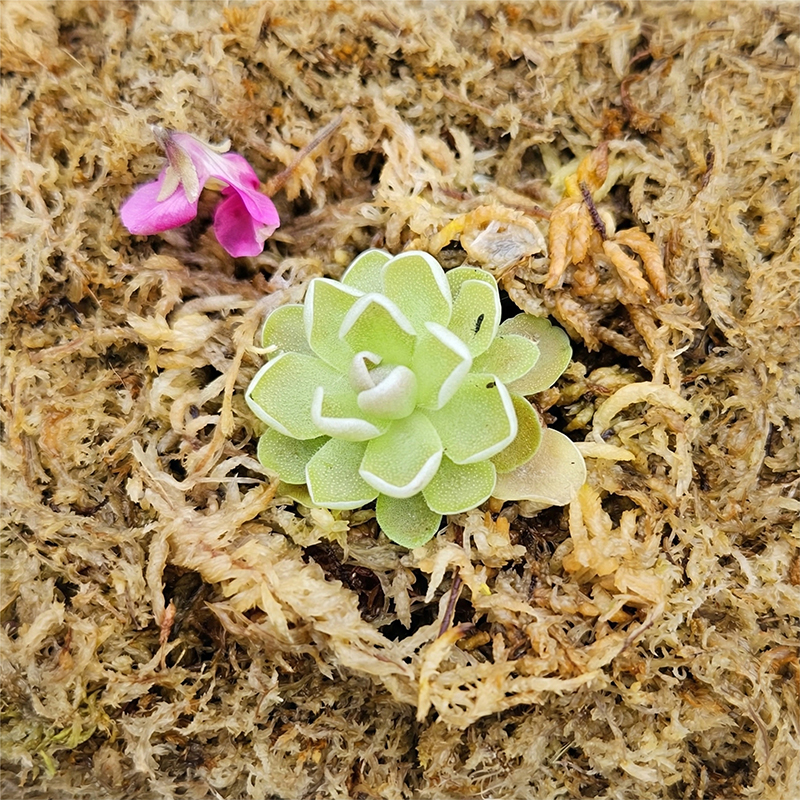
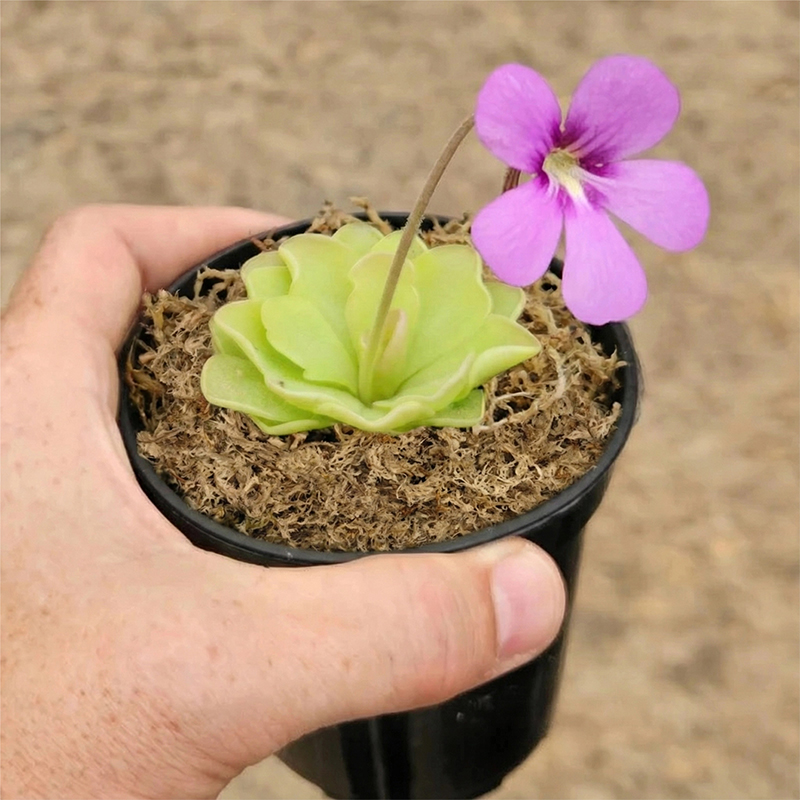
For Carnivorous Plants
  • Perfect Growing Medium for Pitcher Plants & Flytraps

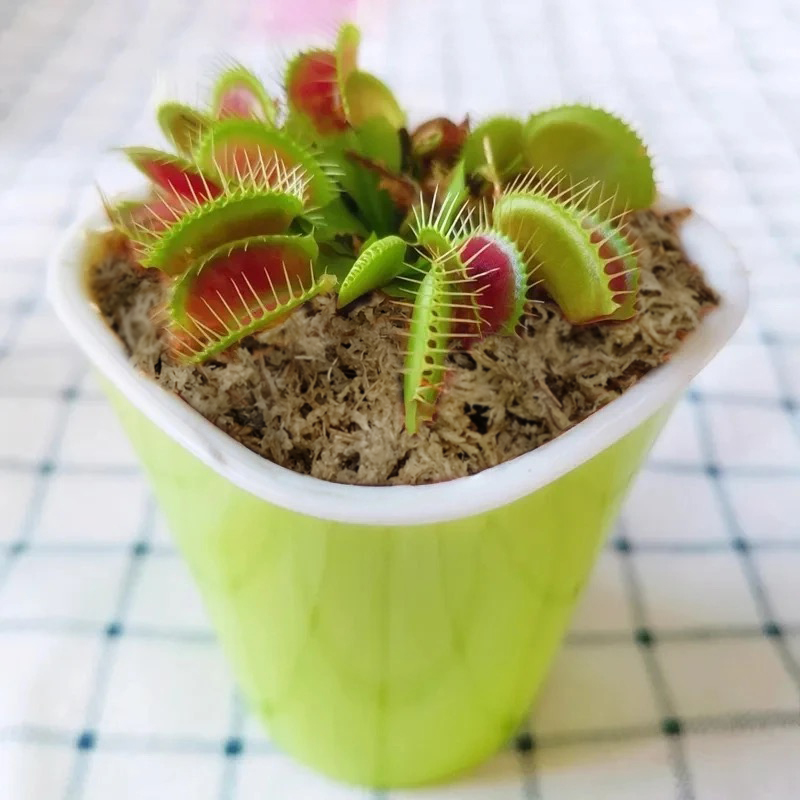
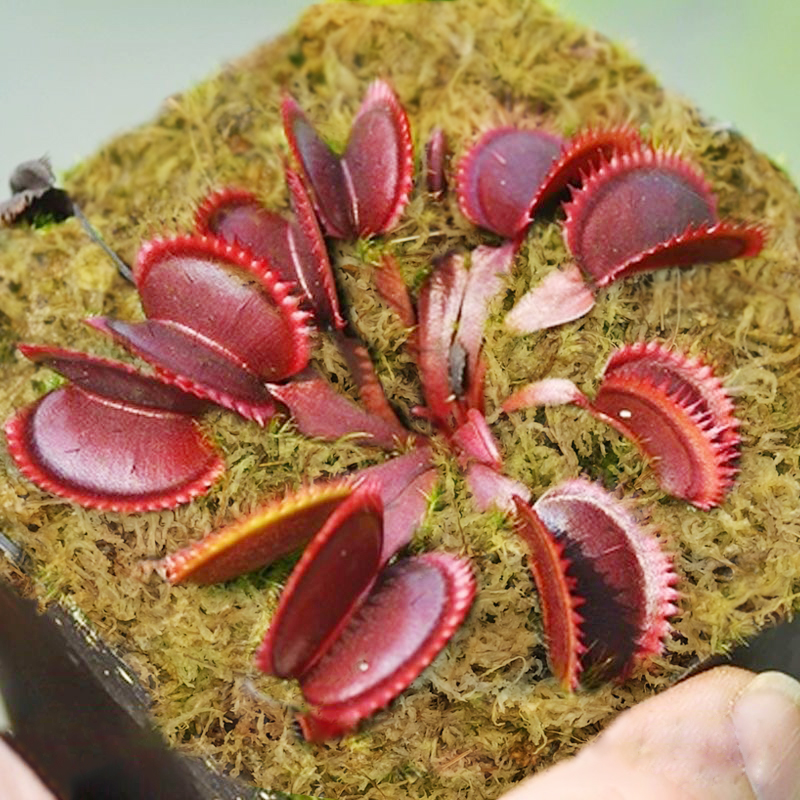
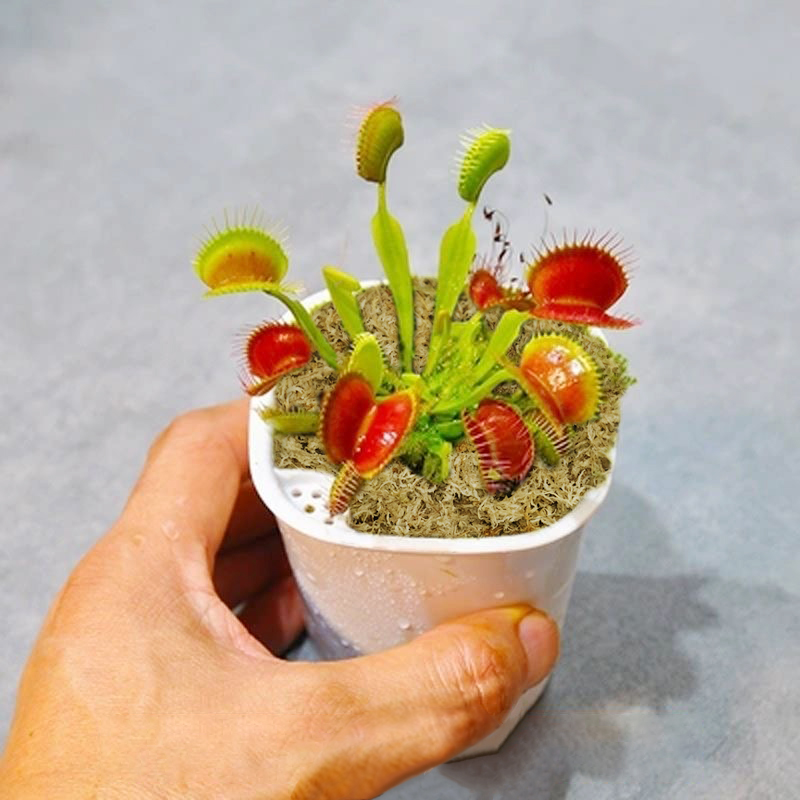
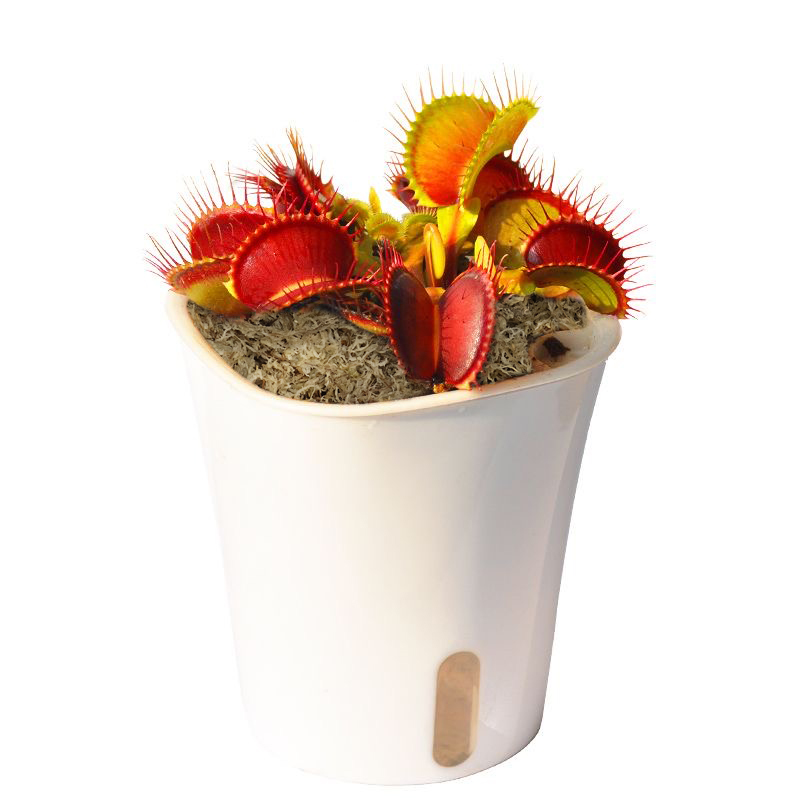
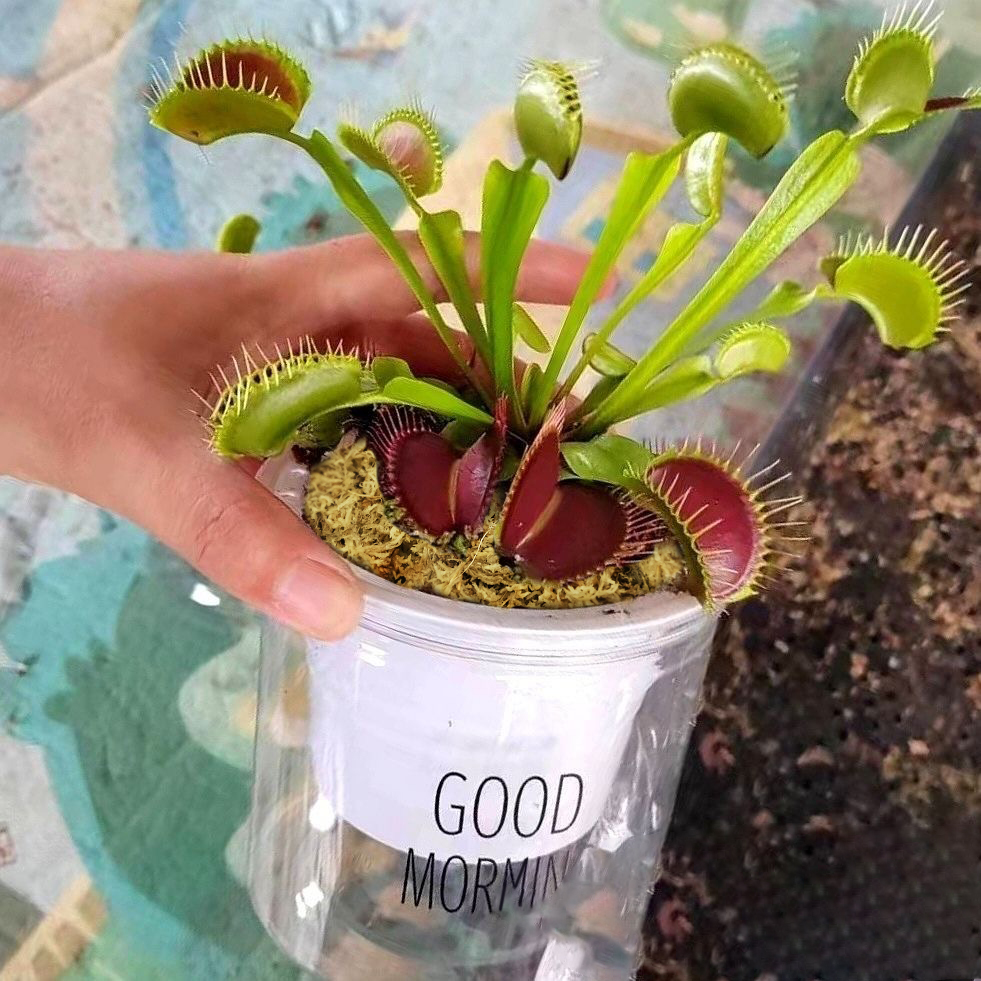
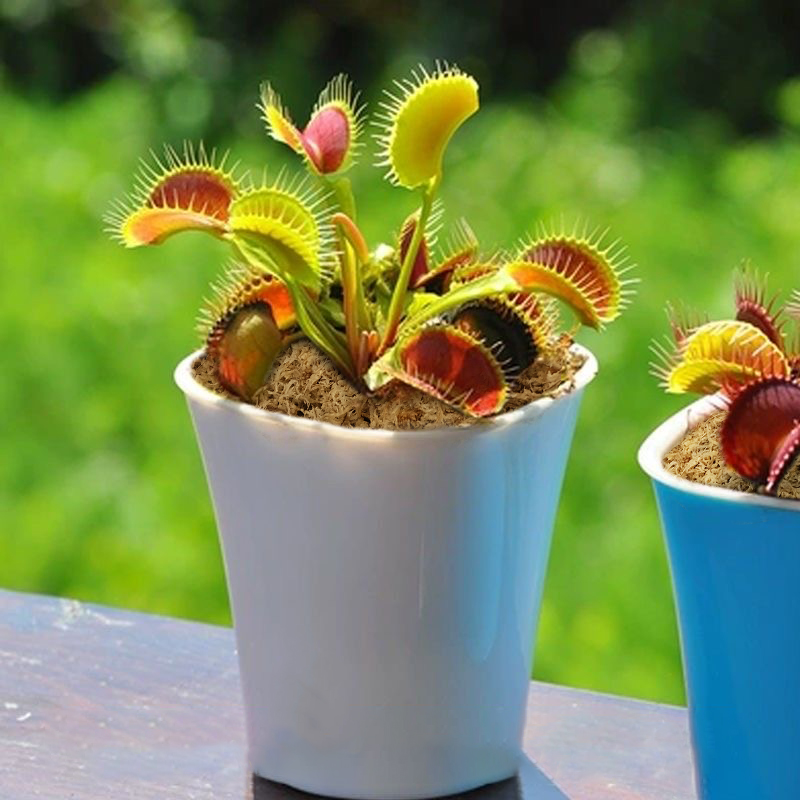
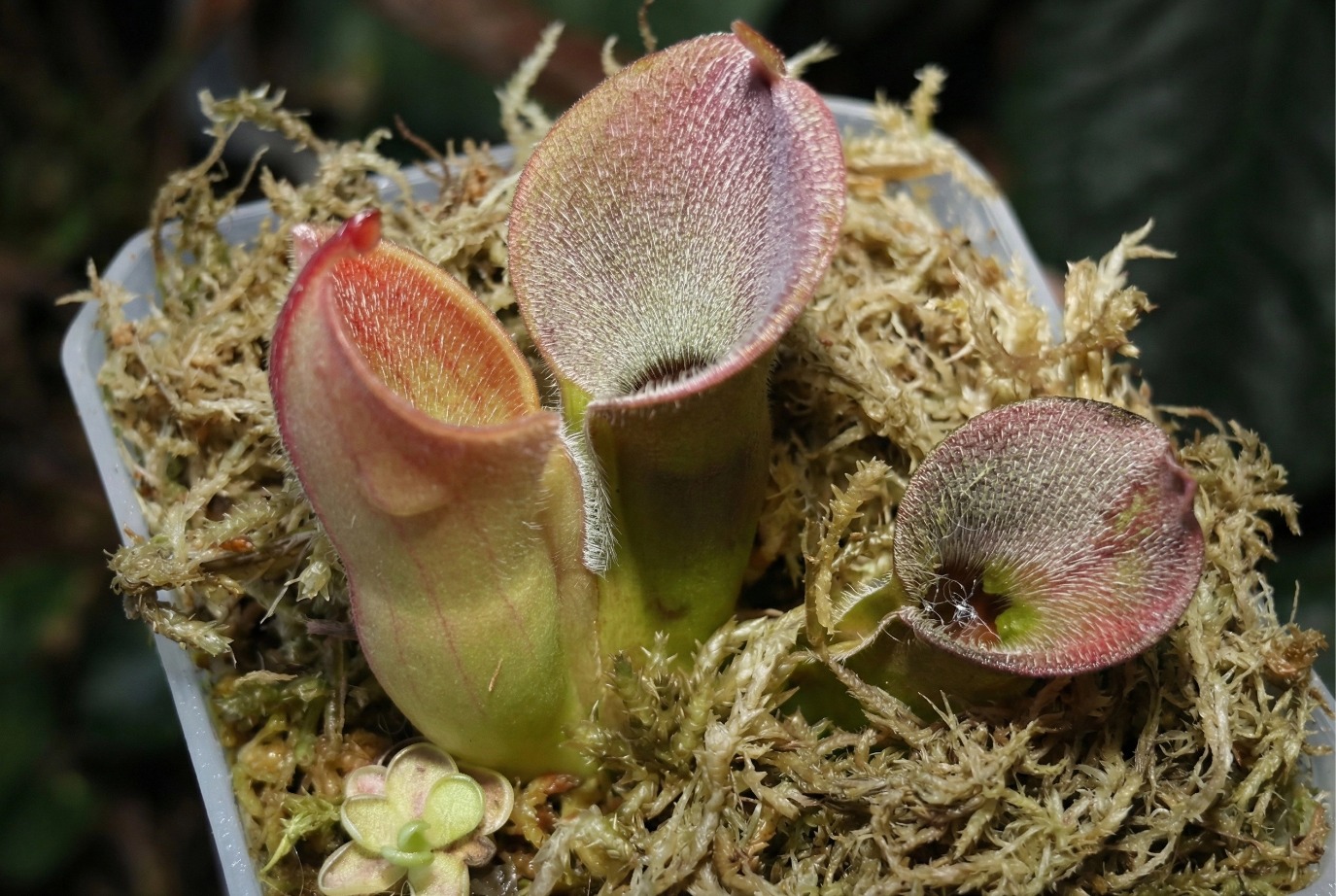
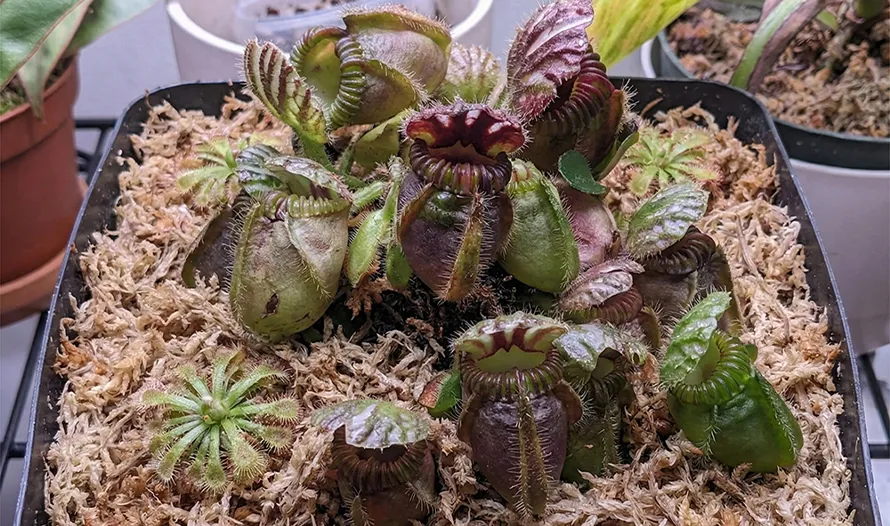
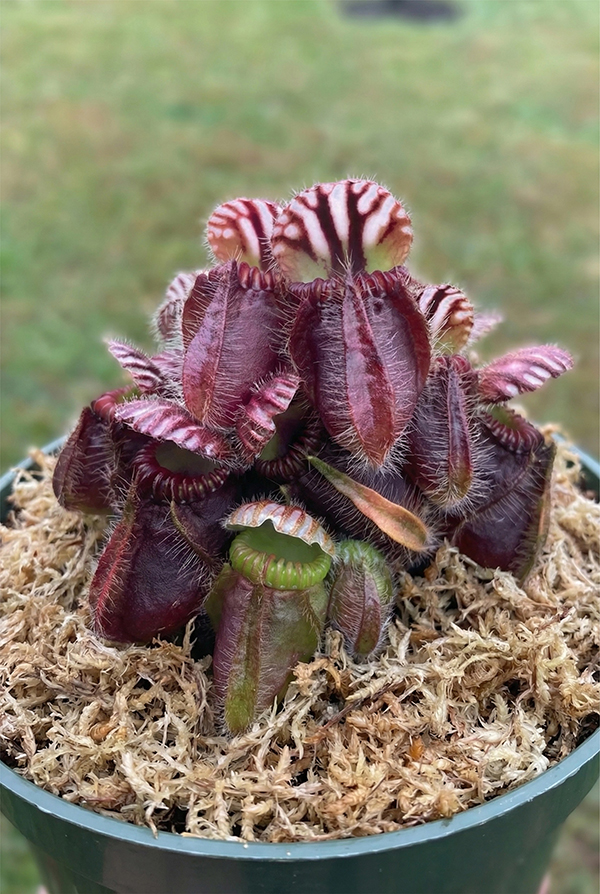
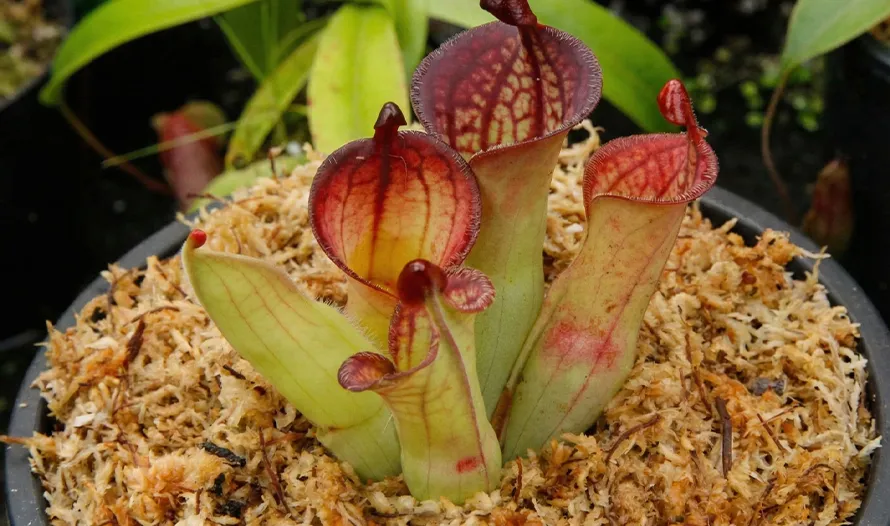
JERWTLU Sphagnum Moss is an excellent growing medium for carnivorous plants like pitcher plants and Venus flytraps. Its neutral properties create a suitable environment that supports the unique needs of these fascinating plants. This moss retains moisture while providing excellent drainage, which is essential for the health and growth of carnivorous species. In this section, we will explore why Sphagnum Moss is the ideal choice for nurturing these exotic plants.


  • How to Pot Your Carnivorous Plant in Sphagnum

Potting your carnivorous plants in JERWTLU Sphagnum Moss is a straightforward process that ensures optimal growth conditions. The moss provides the right balance of moisture and aeration, crucial for the roots of these unique plants. In this section, we will outline step-by-step instructions on how to pot your pitcher plants, flytraps, and other carnivorous species in Sphagnum Moss, ensuring they thrive in their new environment.


  • Tips for Venus Flytraps, Sundews, and Sarracenia

Caring for carnivorous plants like Venus flytraps, sundews, and Sarracenia requires specific attention to their growing conditions. JERWTLU Sphagnum Moss can help create the ideal environment for these plants to flourish. In this section, we will provide essential tips on watering, light requirements, and other care practices to ensure your carnivorous plants remain healthy and vibrant while growing in Sphagnum Moss.

For Carnivorous Plants
JERWTLU Sphagnum Moss for Carnivorous Plants
Venus Flytraps

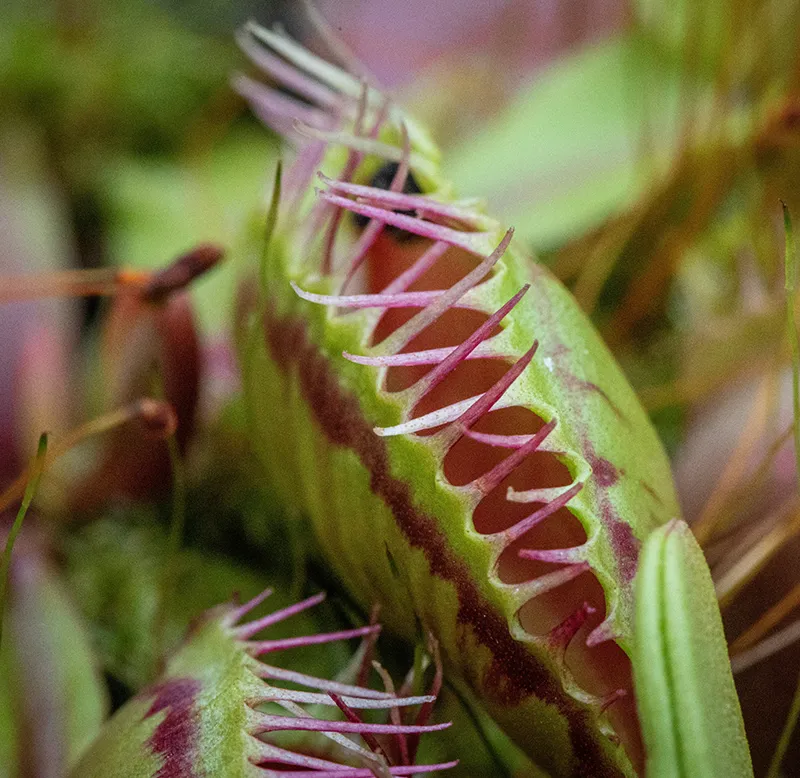
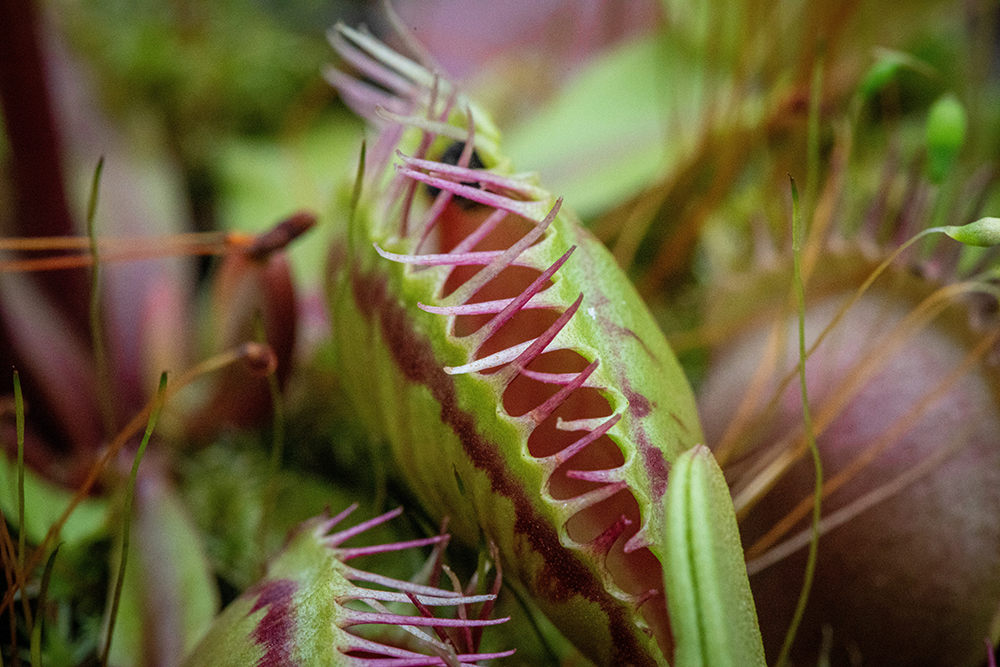
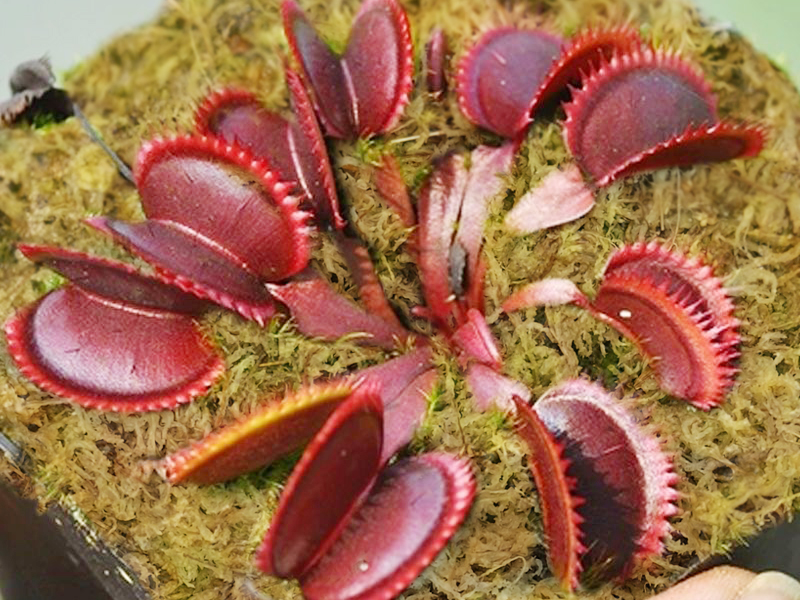
JERWTLU Sphagnum Moss is a suitable growing medium for Venus Flytrap, as it provides the moisture, acidity, and low nutrient conditions required for stable cultivation. Its naturally poor nutrient profile helps prevent mineral buildup, allowing the plant to maintain normal carnivorous growth behavior.


sphagnum moss for venus fly trap


sphagnum moss for venus fly trap


The fibrous structure of sphagnum moss holds water efficiently while remaining well aerated, ensuring roots stay consistently moist without becoming oxygen-deprived. This balance is essential for protecting the flytrap’s sensitive root system from rot and stress.


sphagnum moss for venus fly trap


sphagnum moss for venus fly trap


JERWTLU Sphagnum Moss is especially useful during repotting, propagation, and recovery periods, offering a stable and forgiving medium that supports root establishment and gradual adaptation. Used properly, it promotes healthy root function, reliable trap development, and long-term plant stability in cultivation.


sphagnum moss for venus fly trap


sphagnum moss for venus fly trap


Venus Flytraps
JERWTLU Sphagnum Moss for Venus Flytraps
Bog Orchids

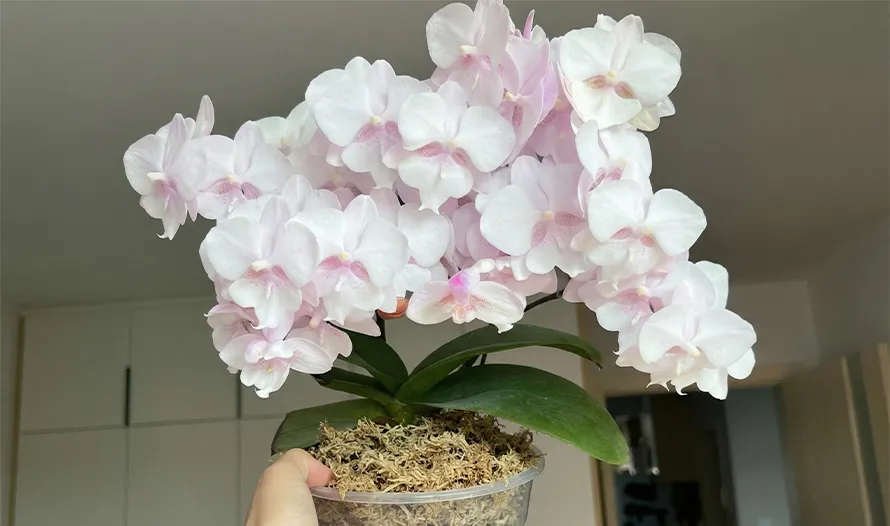
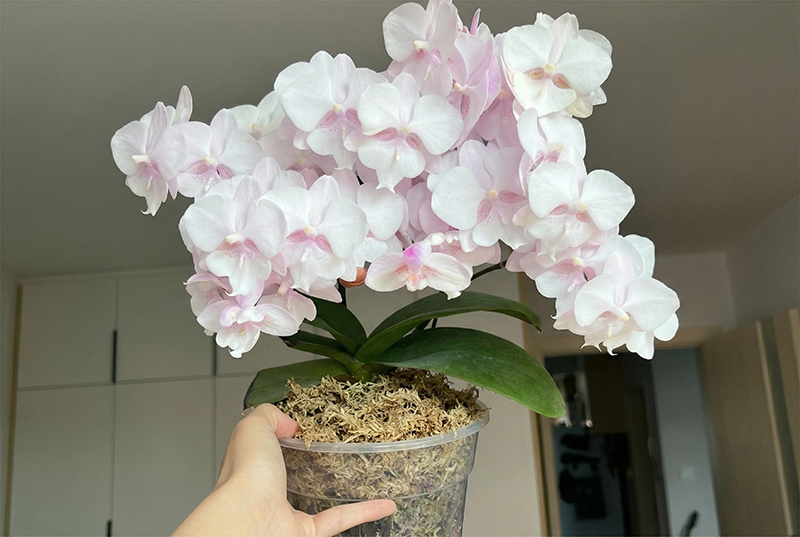
JERWTLU Sphagnum Moss is an excellent choice for cultivating Bog Orchids, either as a standalone substrate or a primary growing medium. Its natural antibacterial and antifungal properties, along with its impressive water retention capabilities, make it ideal for the cool, moist, and nutrient-poor conditions that these orchids prefer.


sphagnum moss for orchids


This moss effectively maintains moisture while ensuring good aeration and drainage, preventing stagnant water around delicate orchid roots. This balance is crucial for healthy root respiration and minimizes the risk of rot, particularly for terrestrial orchids that thrive in consistently damp environments.


sphagnum moss for orchids


In addition, JERWTLU Sphagnum Moss is beneficial for establishing Bog Orchids in naturalistic terrariums, bog planters, and conservation setups. Young plants or divisions can be easily placed in moist moss, allowing their roots to quickly anchor and grow into the substrate.


sphagnum moss for orchids


By providing a consistently moist, low-nutrient, and well-aerated environment, JERWTLU Sphagnum Moss fosters optimal conditions for healthy foliage, robust root systems, and long-term stability in Bog Orchid cultivation.


sphagnum moss for orchids

Bog Orchids
JERWTLU Sphagnum Moss for Bog Orchids
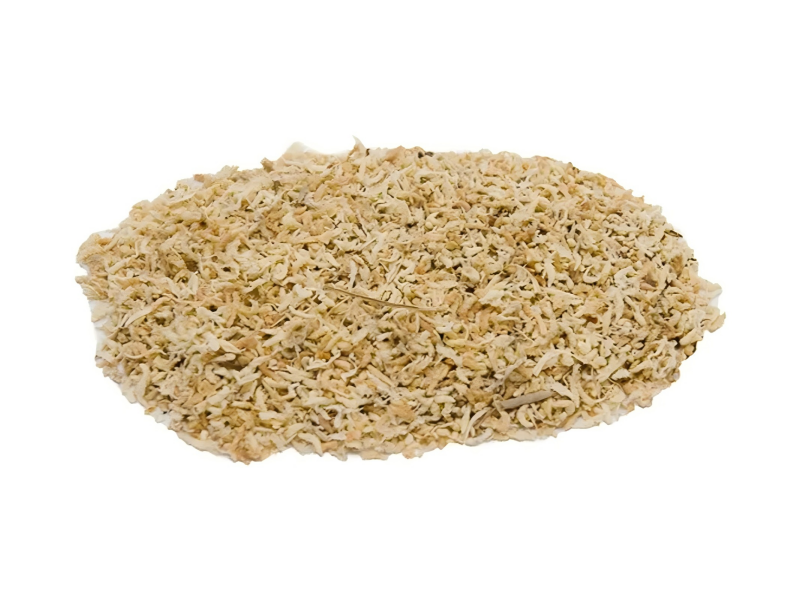
Milled Sphagnum Moss

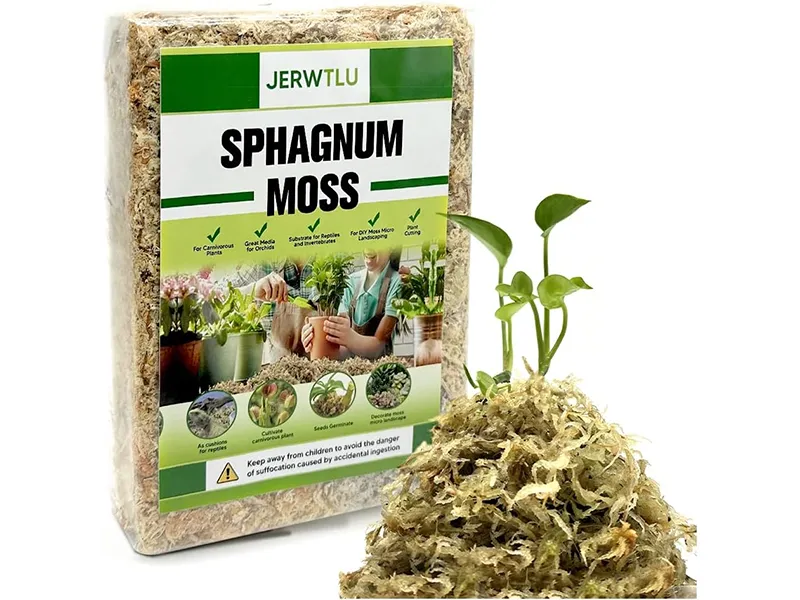
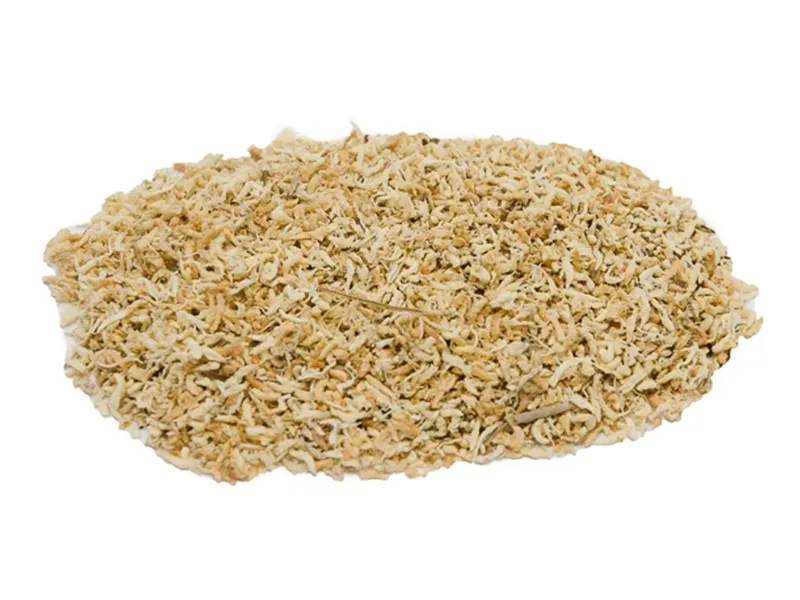
This live milled long-fiber sphagnum moss is sourced from the sustainably managed wetlands. It has been meticulously hand-harvested, air-dried, and cleaned to achieve a remarkable 96% water-holding capacity (WHC). It can be used as a standalone seed germination medium, paired with carnivorous plants, or incorporated as an additive into various potting mixes to help improve soil structure and enhance water and nutrient retention.

Milled Sphagnum Moss
Care Guide
Care Guide
Master Sphagnum Moss Care
Nepenthes Planting Guide

Substrate Selection

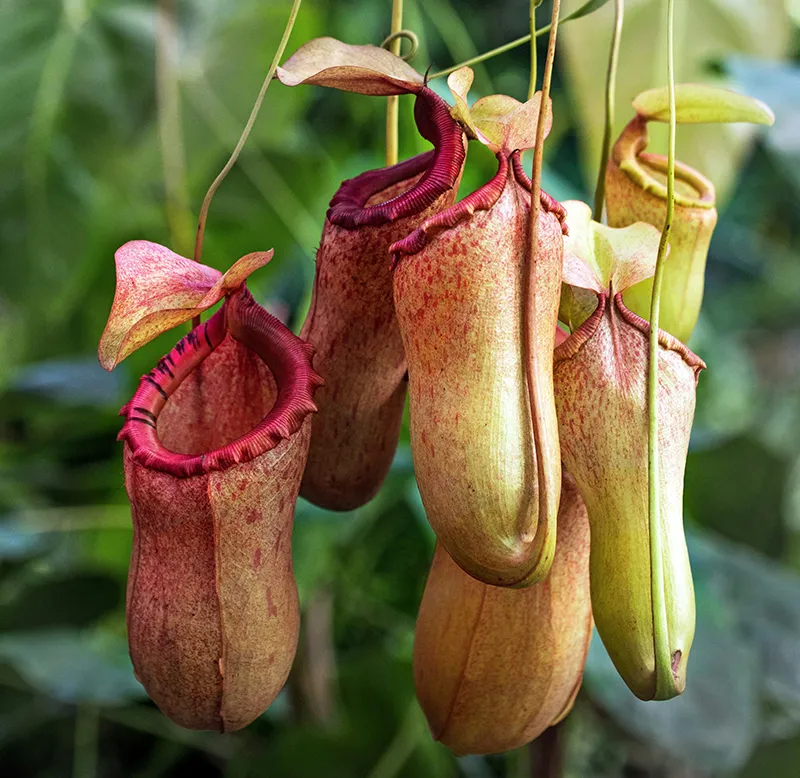
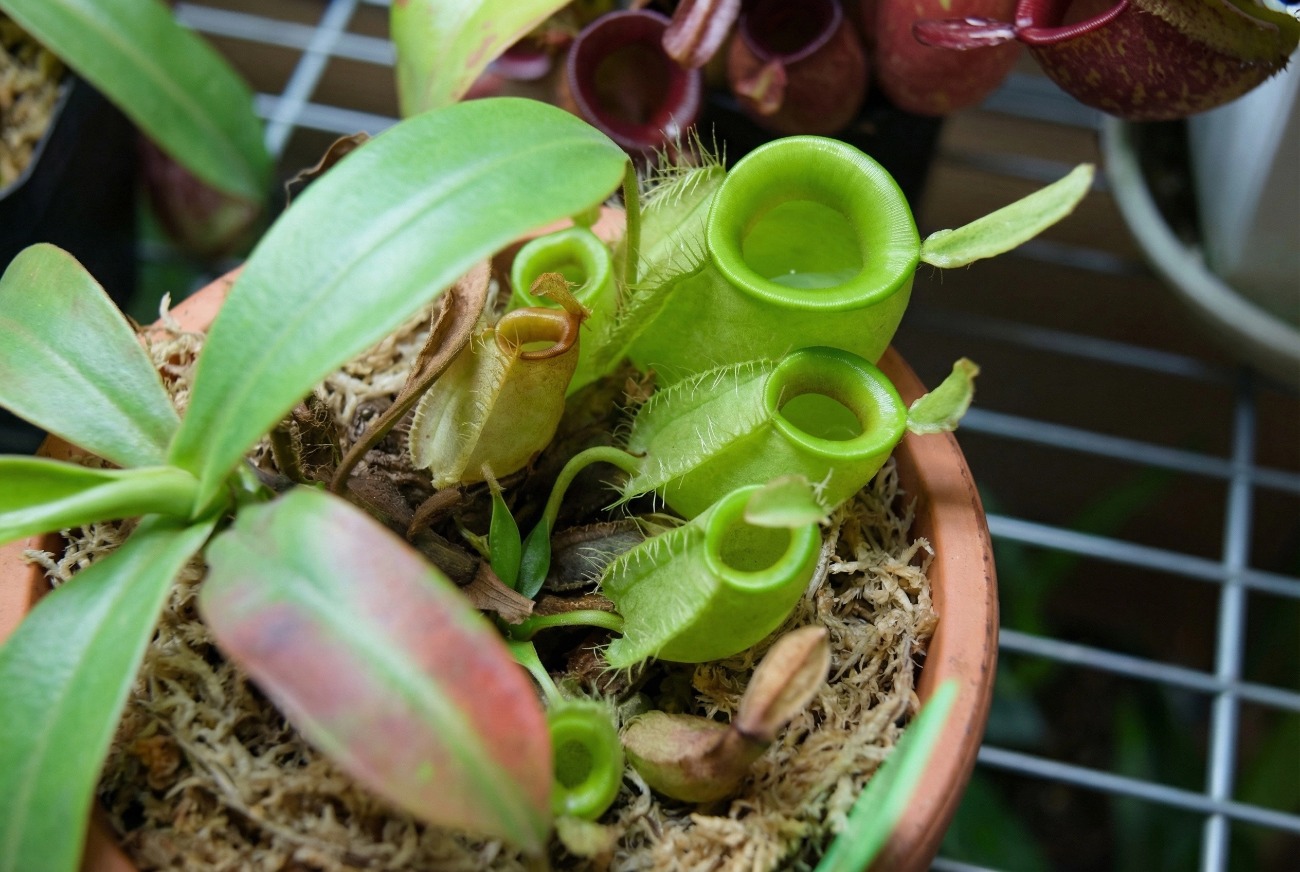
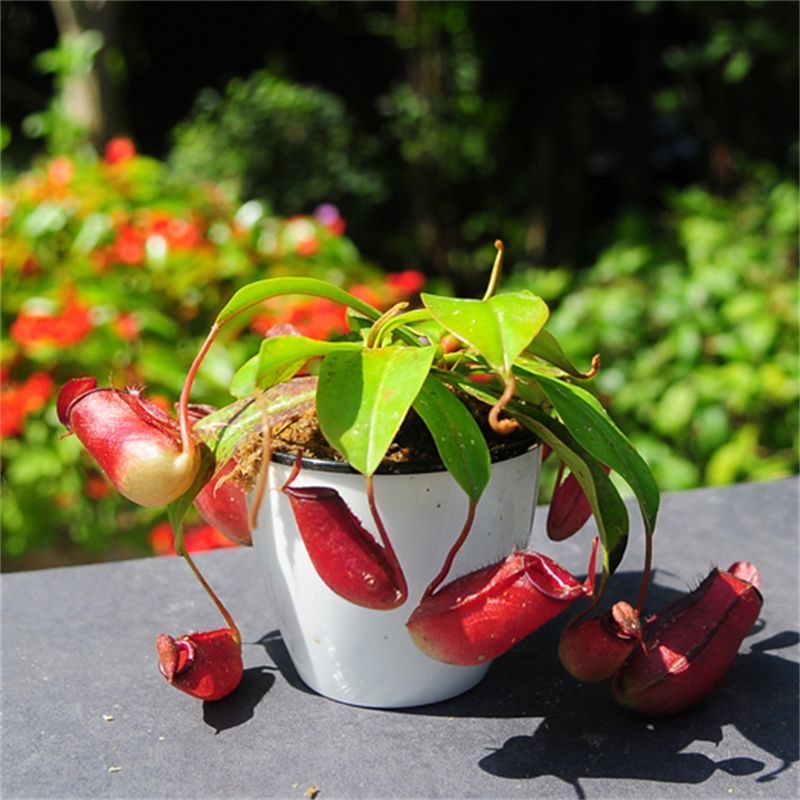
Nepenthes plants thrive best when planted in sphagnum moss. Sphagnum moss provides excellent water retention, aeration, and resistance to decomposition - making it an ideal substrate for these carnivorous plants.


Planting Method

  • Prepare a small depression in the clean sphagnum moss substrate, and gently place the Nepenthes seedling/cutting into it, pressing lightly to secure it.

  • Water thoroughly to saturate the moss. Keep the substrate consistently moist, avoiding letting it dry out completely which can lead to plant wilting.

  • Choose a bright, well-ventilated location for planting. Nepenthes require ample light for proper growth and development.

  • New plantings may need an acclimation period. Initially, provide some shade for 10-15 days, then gradually increase light exposure as new leaves emerge.


Watering

  • Use the tray/saucer watering method. Place the planted pot in a tray and maintain a water level of 1-2 cm in the tray.

  • Utilize pure water sources like rainwater, distilled water, or purified bottled water. Avoid tap water or well water, as Nepenthes are sensitive to mineral content.

  • Keep the substrate consistently moist, never allowing it to dry out, to prevent plant dehydration fully.


Fertilizing

Nepenthes do not require heavy fertilization. A slow-release organic fertilizer like Osmocote can be mixed into the substrate to provide gentle, sustained nutrition.


Lighting

  • Nepenthes thrive in bright, indirect light. Placing them on a windowsill or patio is ideal.

  • New plantings may need partial shade for 10-15 days to acclimate, then gradually increase light exposure.

  • Avoid exposing Nepenthes to direct, intense sunlight which can damage the plants.


Key Considerations

  • Regularly inspect plants and address any pest or disease issues promptly.

  • Pitcher wilting or inactivity is normal - with proper care, the plant will recover.

  • Maintain good hygiene practices and avoid contact with chemicals that could harm the plants.


Following this Nepenthes planting guide should help you successfully cultivate healthy, thriving pitcher plants. Please feel free to reach out if you have any further questions.


Nepenthes Planting Guide
Is your Sphagnum Moss natural? Does it have a very unpleasant smell?

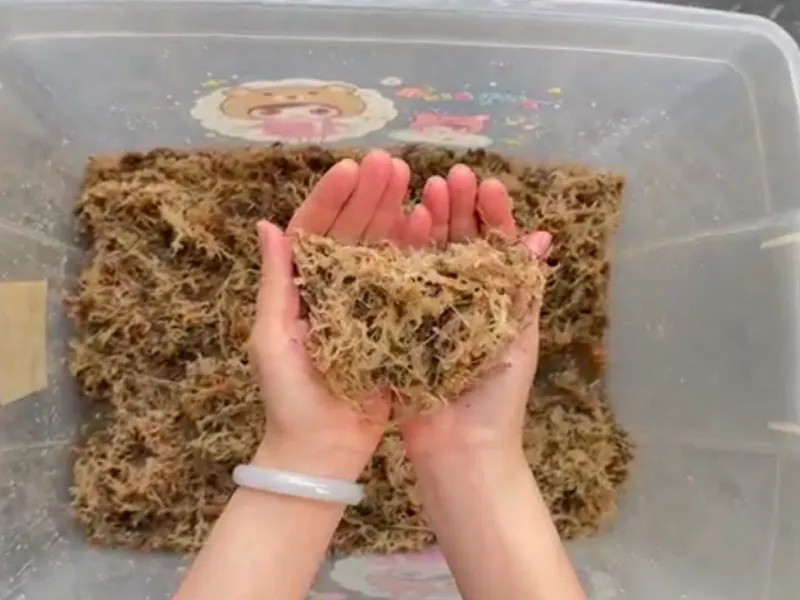
Our jerwtlu compressed Sphagnum Moss is 100% natural, grown with natural fertilizers. Fresh moss is selected for quality, sun-dried to remove moisture, and rigorously screened to eliminate impurities. We use vacuum-sealed packaging to prevent exposure to air during transport. A slight plant odor may be present upon arrival, but it will not have an unpleasant smell.

Is your Sphagnum Moss natural? Does it have a very unpleasant smell?
After soaking the 12 OZ packaging in water, what is the volume it expands to, and how many pots can it plant?

Our 12 OZ compressed Sphagnum Moss allows for up to 24 plantings in 5.7-inch pots. While absorption may vary slightly by package, overall differences are minimal.

After soaking the 12 OZ packaging in water, what is the volume it expands to, and how many pots can it plant?
Unveiling the Truth: The Big Secret Behind Jerwtlu's Sphagnum Moss
Trevor

Fresh and earthy

Loose peat moss that I've bought in the past always seemed to have an unpleasant smell like it was moldy. This time l thought I would give dry, compressed moss a try. This really is a practical product, especially if one only needs a little at a time. l just need to break off a small piece at a time, run some water over it and it instantly expands to the most beautiful, soft and fluffy moss. This looks and feels like fresh moss and it actually smells like fresh plant too. lt holds water beautifully, making it super effective for soil amendment, especially for my heavy clay soil. It enhances moisture retention and promotes healthy plant growth. My plants are thriving since using this moss. This small pack expands a lot and should fill about 20 pots.


Trevor
​★★★★​★
Planting

Every cycle begins with thorough manual cleaning of previous harvest residues. Soil is turned 15–20 cm deep for better aeration and rested 2–3 days. In our high-altitude, humid subtropical plantations (16–18°C, 70–90% humidity), healthy mother moss is cut into 2.5 cm squares, planted at a precise 1:10 ratio, and lightly pressed into mineral-rich soil fed by mountain springs. A thin layer (≤2.5 cm) of organic bark or straw mulch preserves moisture while allowing sunlight. Only pure spring water and hand-weeding are used throughout growth—no chemicals, fertilizers, or herbicides ever touch the moss.


Explore Planting Process

Planting
The Unparalleled Quality of Jerwtlu New Zealand Sphagnum Moss

the-unparalleled-quality-of-jerwtlu-new-zealand-sphagnum-moss.png


New Zealand's Sphagnum Moss is renowned worldwide for its exceptional quality, particularly in the orchid cultivation industry. Studies have shown that sphagnum moss is ideal for growers due to its slender and tough stems, long lifespan, excellent rot resistance, and unparalleled water retention. Its long stems combined with high water permeability ensure that plant roots can develop in a healthy and strong state, and can hold up to 20 times their own weight in water, greatly meeting the needs of plants.


The natural properties of jerwtlu sphagnum moss further enhance its quality. It naturally contains low concentrations of soluble salts and is virtually sterile, which makes it safer and more reliable during cultivation. In addition, Jerwtlu sphagnum moss is completely naturally cultivated, using manual weeding methods without adding any nutrient solutions and herbicides, ensuring its purity and natural state. To ensure the exceptional quality of every sphagnum moss, Jerwtlu's sphagnum moss is carefully selected and air-dried after picking, ensuring that every serving is flawless with minimal impurities and branches. This strict control of quality allows every sphagnum moss to show the true beauty of nature.


A high-quality Sphagnum Moss growing environment benefits from the unique local climate and soil conditions, which provide ideal temperature and humidity for sphagnum moss to thrive and accumulate nutrients. Abundant water sources and high water retention capacity ensure that sphagnum moss can effectively absorb and retain water, and its structure can maintain good moisture status under different environmental conditions, thereby supporting plant growth. Additionally, sphagnum moss's low concentration of soluble salts and virtually sterile properties ensure its safety during use, making it an ideal choice for organic cultivation. The completely natural cultivation and manual weeding of Jerwtlu sphagnum moss avoids the use of chemical additives and maintains the purity and natural state of sphagnum moss. These factors work together to create the high quality of Jerwtlu sphagnum moss, making it unique in the market as a preferred material for orchid cultivation and other plant cultivation.


The Unparalleled Quality of Jerwtlu New Zealand Sphagnum Moss
1

Planting Environment

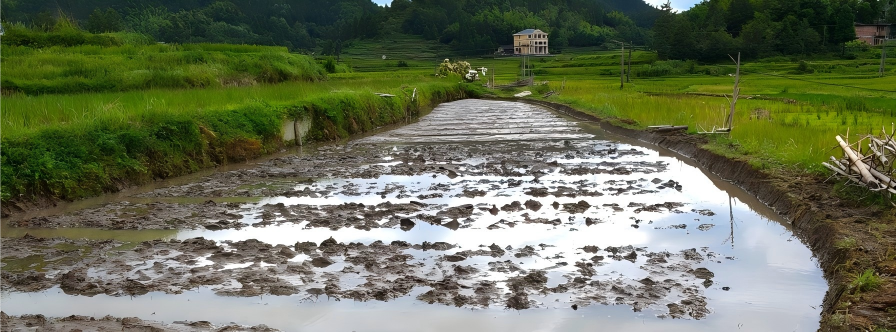
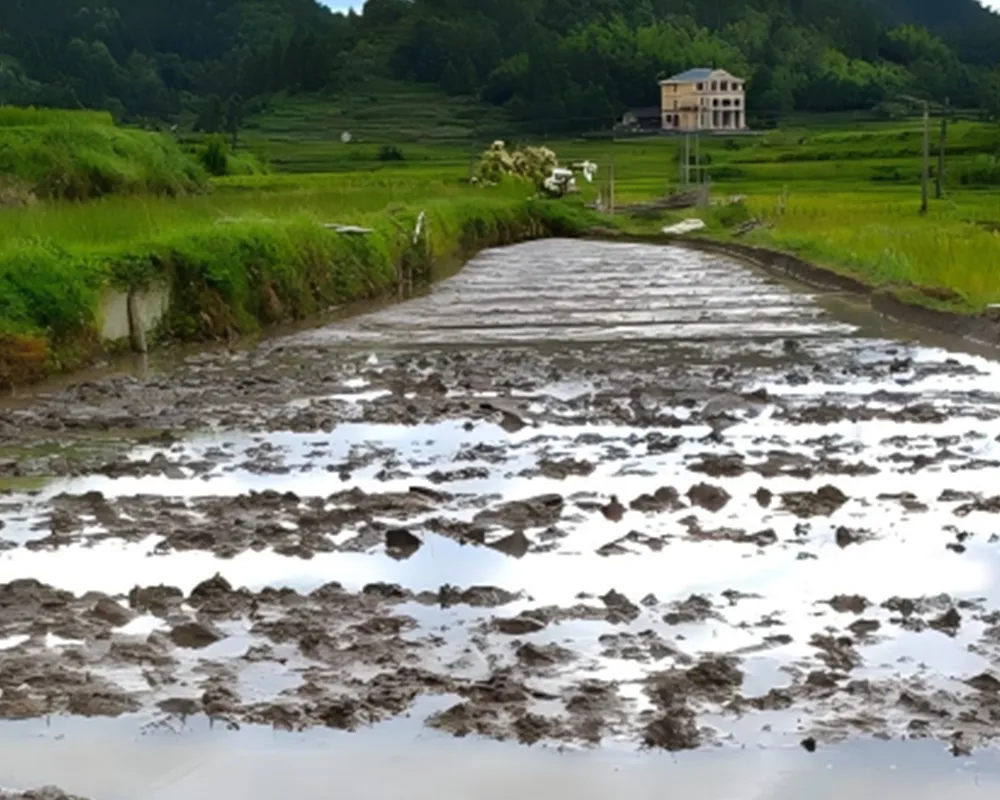
The JERWTLU Sphagnum Moss plantations span approximately 50 acres at altitudes of 1,000 to 1,300 meters, benefiting from a humid subtropical climate with annual temperatures between 16°C and 18°C and humidity levels of 70% to 90%. These conditions create an ideal environment for peat algae growth, especially during warm, humid summers.

The plantations are nourished by mineral-rich mountain spring water, providing essential moisture and nutrients for healthy moss development. The diverse, moist, and acidic soils further support Sphagnum Moss, helping to prevent pests and diseases while enhancing yield.

Overall, this region's favorable climate, abundant water resources, and suitable soil conditions make it highly productive for cultivating Sphagnum Moss, fostering ecological balance and promoting growth.

1
Products

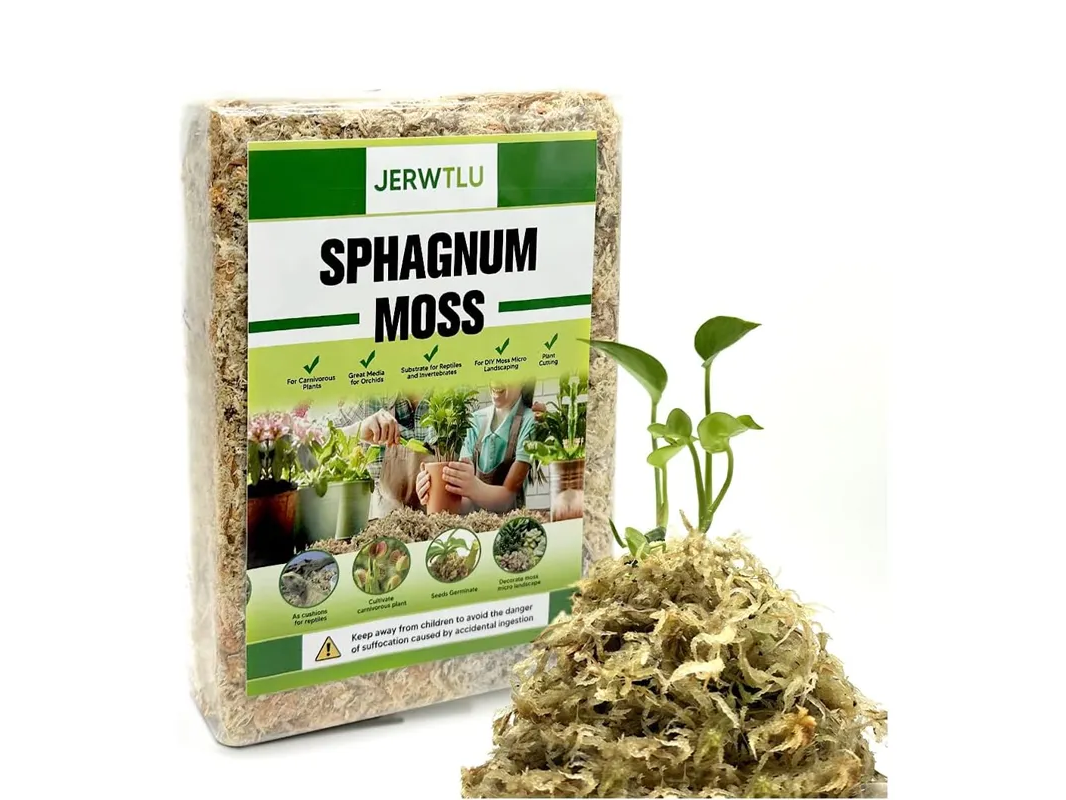
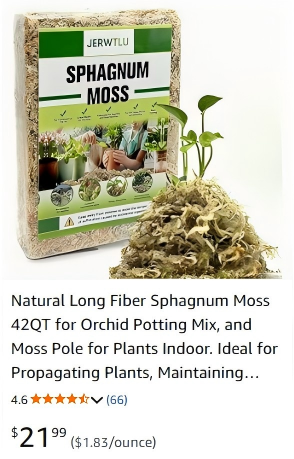
Jerwtlu Premium Sphagnum Moss – naturally cultivated at 1,000–1,300 m altitude in pristine mountain plantations. Loved worldwide by orchid growers and plant enthusiasts, our long-fiber, AAA-grade sphagnum moss delivers New Zealand-level quality: ultra-clean, naturally sterile, chemical-free, and with unmatched water retention (up to 20× its weight). Carefully hand-selected, sun-dried, and vacuum-compressed for maximum freshness, it's the perfect choice for orchids, aroids, terrariums, and any moisture-loving plants.

Products
Types of Jerwtlu Sphagnum Moss Bulk for Sale
Core Values
  • Sustainability

We are committed to sustainable practices that protect the environment. Our cultivation methods ensure that we do not use any pesticides, herbicides, or nutrient solutions in the growing of moss.


  • Integrity

We uphold the highest standards of integrity in our processes, ensuring transparency and reliability in our products.


  • Quality Assurance

Our focus on quality means that we implement rigorous quality control measures throughout our production process.


Core Values
Jerwtlu Core Values
Unveiling the Truth: The Big Secret Behind Jerwtlu's Sphagnum Moss

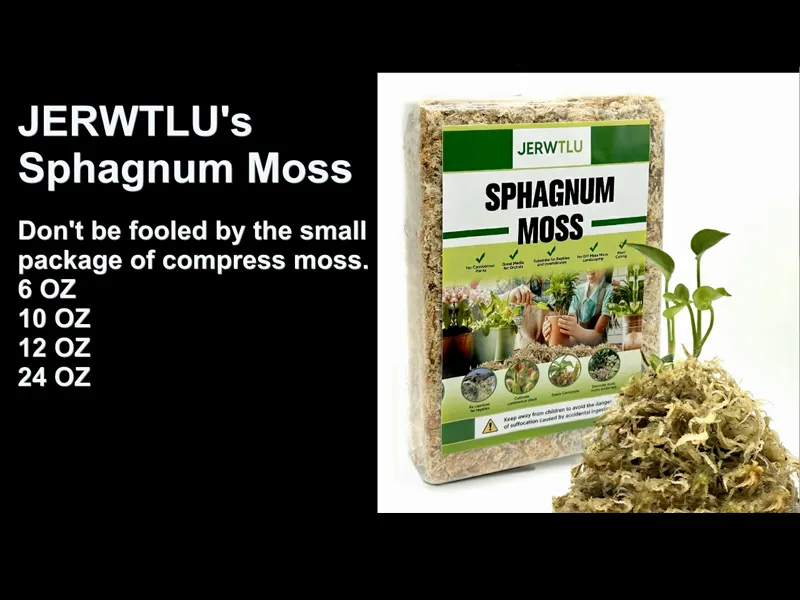
In this video, we will take a closer look at Jerwtlu's Sphagnum Moss, which is made from a large volume of compressed moss. Don't be fooled by its small packaging! We will demonstrate the true size and versatility of this product, showcasing how it can greatly benefit your gardening and plant care needs. Join us to discover this seemingly small yet powerful product!

Unveiling the Truth: The Big Secret Behind Jerwtlu's Sphagnum Moss
For Terrarium

JERWTLU Sphagnum Moss is a natural and effective substrate for reptile habitats, helping maintain proper humidity while providing a comfortable and hygienic environment. It can be used as a humid substrate or layered within the enclosure to support healthy growth and reproduction.


sphagnum moss for terrarium


sphagnum moss for terrarium


When placed between the soil and leaf litter layers, JERWTLU Sphagnum Moss mimics natural rainforest conditions, isolating the soil while retaining moisture and supporting beneficial microorganisms. This helps keep reptiles clean and reduces exposure to soil contaminants.


sphagnum moss for terrarium


Soft, clean, and durable, JERWTLU Sphagnum Moss is easy to work with and can be rinsed and reused multiple times. Whether used for egg-laying, humidity control, or plant support, it creates a stable and natural living space for reptiles.


sphagnum moss for terrarium

For Terrarium
JERWTLU Sphagnum Moss for Terrarium
For Companion Plants
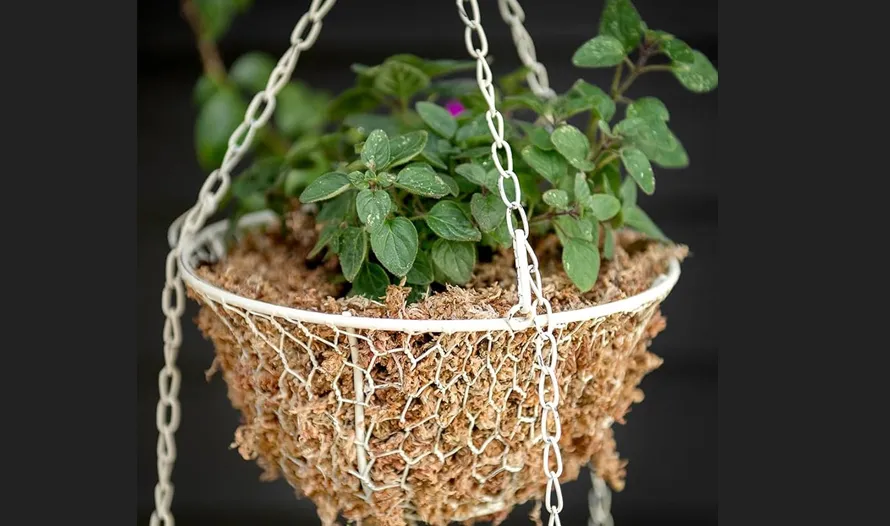
  • Natural Liner for Hanging Baskets and Terrariums

JERWTLU Sphagnum Moss serves as a natural liner for hanging baskets and terrariums, providing an attractive and functional base for your plants. Its fibrous texture helps retain moisture while allowing for proper drainage, making it an ideal choice for companion planting. In this section, we will discuss how using Sphagnum Moss as a liner can enhance the health and aesthetics of your hanging baskets and terrariums.


  • Use for Air Layering and Plant Propagation

Sphagnum Moss is an excellent medium for air layering and plant propagation, offering the perfect environment for roots to develop. Its moisture-retaining properties help sustain the cuttings while they establish themselves. In this section, we will explore the techniques for using JERWTLU Sphagnum Moss in air layering and propagation, ensuring successful growth for your companion plants.

  • Reusable and Easy to Work With

One of the significant advantages of JERWTLU Sphagnum Moss is its reusability and ease of handling. This versatile material can be used multiple times, making it a cost-effective choice for gardeners. In this section, we will highlight the benefits of using Sphagnum Moss, including how to clean and reuse it effectively, making it a practical addition to your gardening toolkit.

For Companion Plants
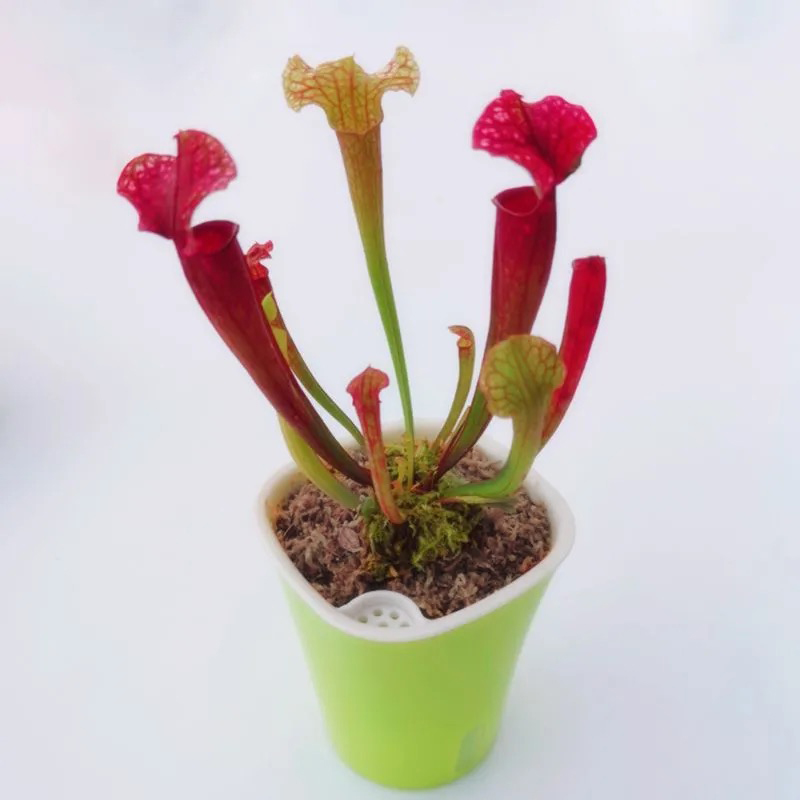
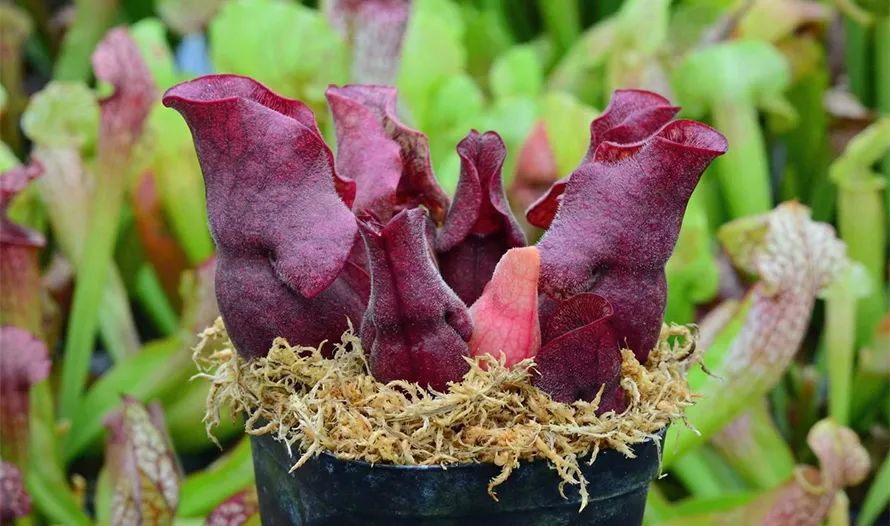
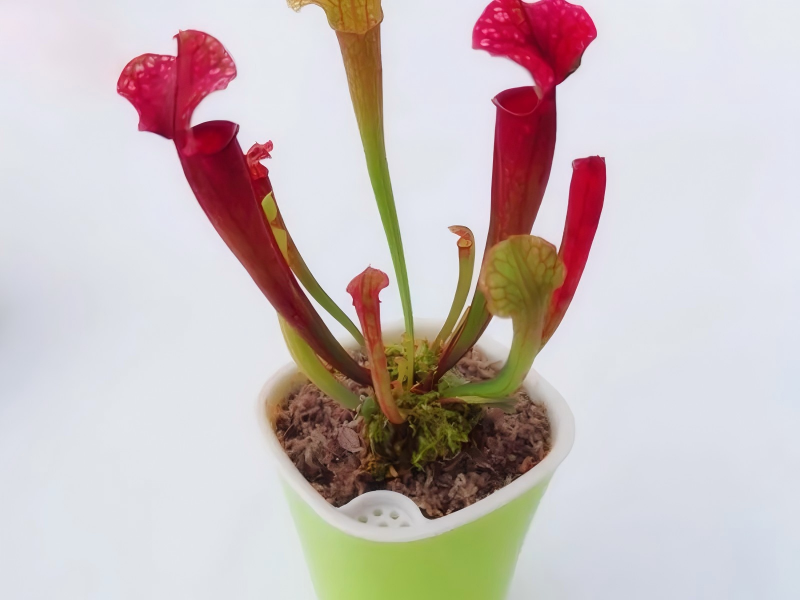
Sarracenia

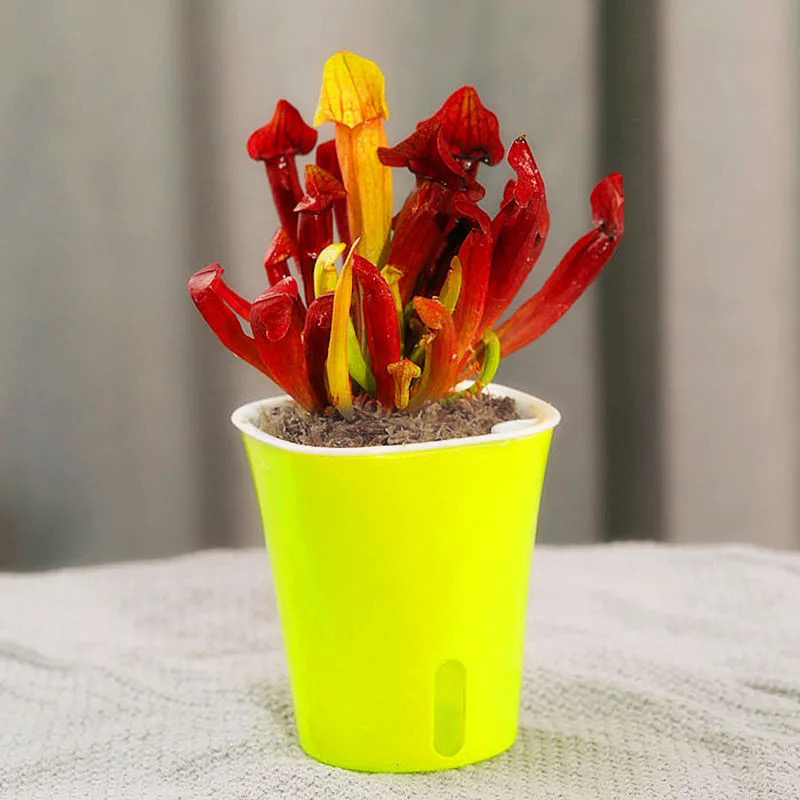
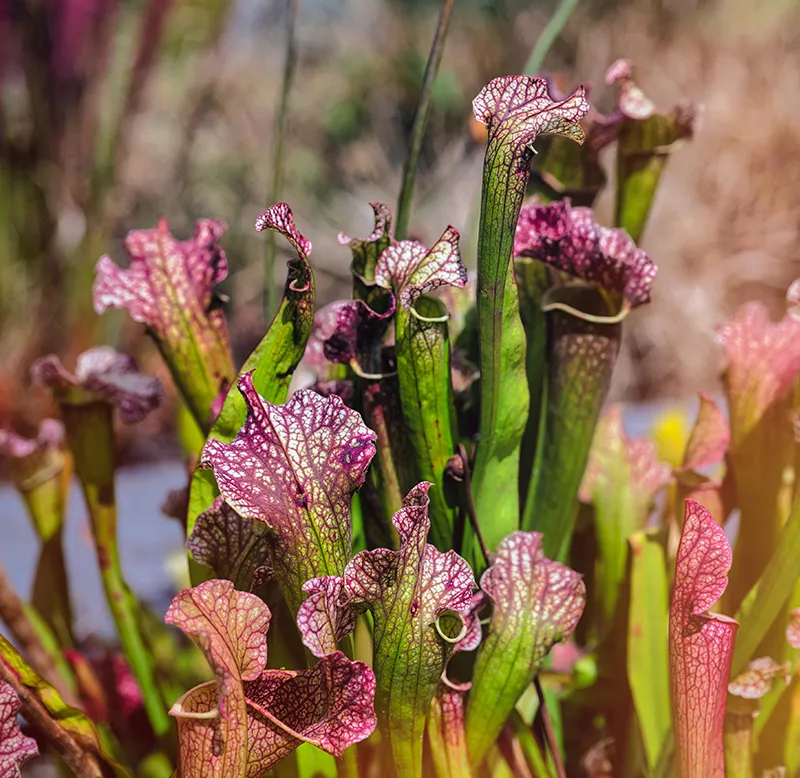
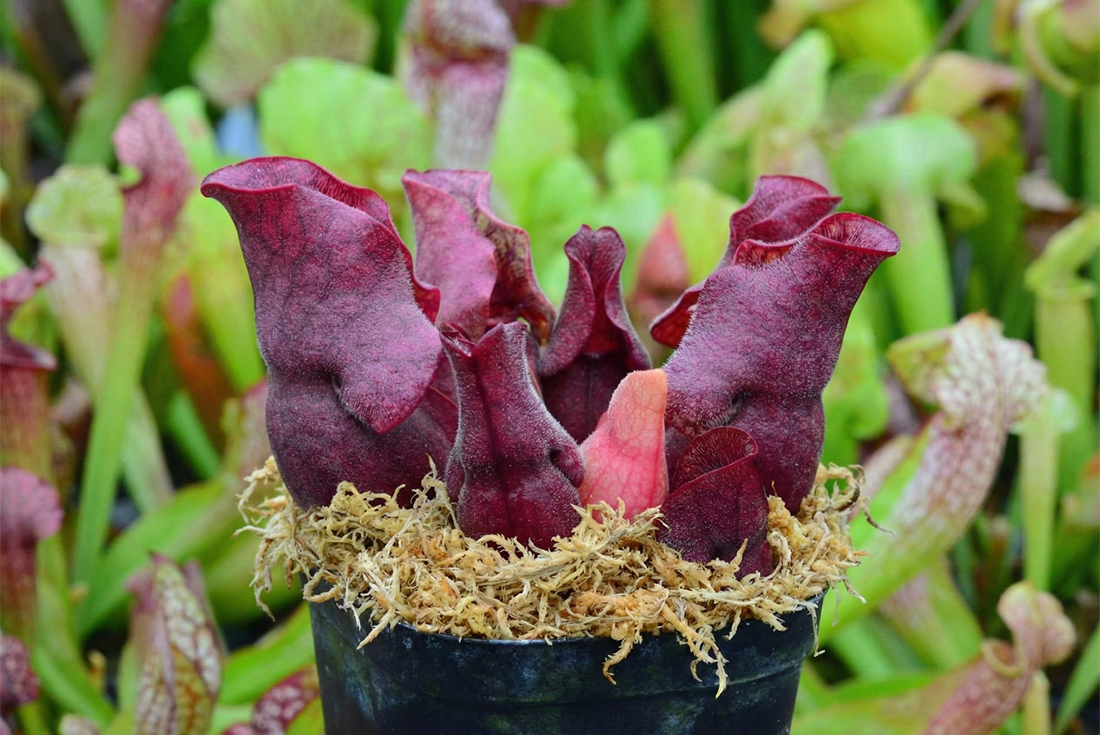
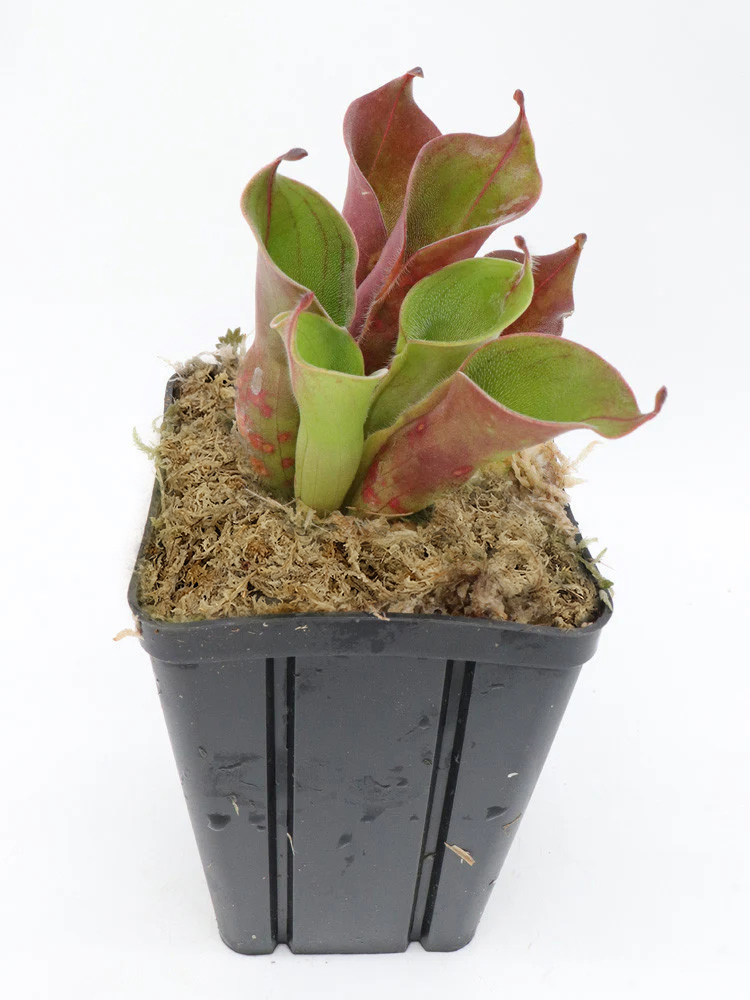
For Sarracenia, selecting a substrate that remains wet while avoiding mineral buildup is critical. JERWTLU Sphagnum Moss meets these requirements by providing a naturally acidic, nutrient-poor medium similar to the plant’s native bog soils.


sarracenia sphagnum moss


Sphagnum moss is especially suitable when constant moisture is required. Its structure allows it to stay saturated without collapsing, ensuring that roots receive both water and oxygen. This makes it a practical choice in situations where traditional soils may compact or retain too many dissolved minerals.


sarracenia sphagnum moss


sarracenia sphagnum moss


JERWTLU Sphagnum Moss is recommended for use during repotting, division, or initial establishment. Rhizomes can be placed directly into pre-moistened moss, allowing roots to adapt quickly and reduce transplant stress. It can be used alone or combined with other bog substrates depending on long-term growing goals.


sarracenia sphagnum moss


sarracenia sphagnum moss


Sarracenia
JERWTLU Sphagnum Moss for Sarracenia
Aquatic Plants

When plants live in water, the problem isn’t moisture — it’s stability.

Roots need something gentle to hold onto, without being buried or trapped.


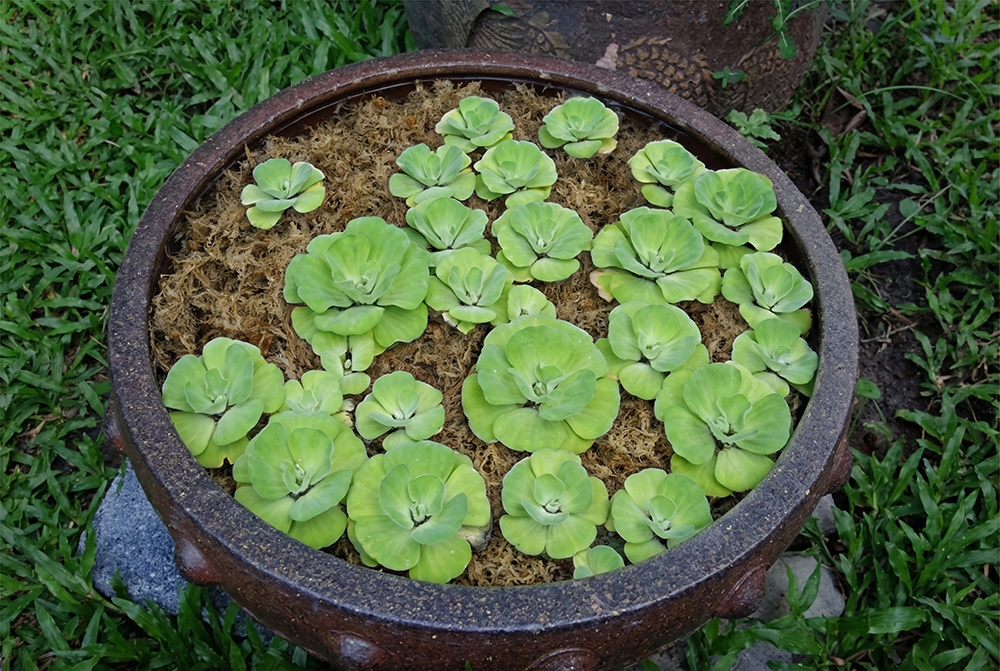
JERWTLU Sphagnum Moss works quietly in the background. Fully soaked, it stays light and open, letting water move freely while giving plants just enough grip to settle in place. No hard packing, no muddy buildup.


sphagnum moss in water


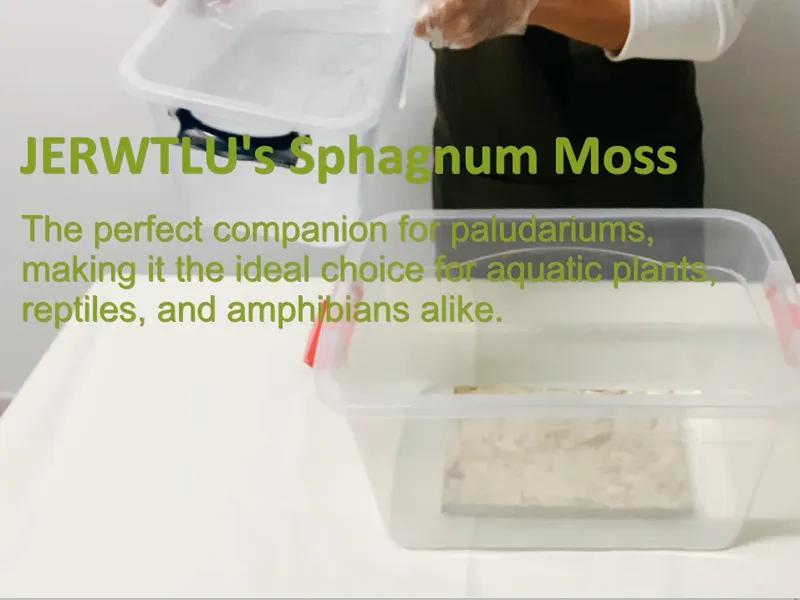
Whether in an aquarium, a paludarium, or a natural water feature, plants can be positioned easily, adjust naturally, and grow forward without constant rework.


Less adjustment. Fewer problems. More natural growth.


sphagnum moss in water


Aquatic Plants
JERWTLU Sphagnum Moss for Aquatic Plants
Compressed AAA Sphagnum Moss

Experience the unparalleled quality of our pure, natural sphagnum moss. Meticulously hand-picked and air-dried, this flawless selection is free from artificial additives, ensuring an authentic connection to nature.

Compressed AAA Sphagnum Moss
Articles
Articles
Jerwtlu Sphagnum Moss Articles
Venus Flytraps and Sphagnum Moss

Venus Flytraps, also known as pitcher plants, are unique carnivorous plants renowned for their distinctive trap mechanism and nutrient absorption method. In recent years, the combined cultivation of Venus Flytraps and Sphagnum Moss has gained increasing popularity, as this planting method not only looks aesthetically pleasing but also provides an ideal growth environment for Venus Flytraps.


sphagnum-moss-for-venus-flytraps.png


Lighting Requirements

Venus Flytraps are light-loving plants, but they cannot tolerate direct, intense sunlight. The ideal lighting condition is diffused light, such as placing them on a balcony near an interior wall, allowing them to receive indirect sunlight. If conditions are limited, they can also be placed near a window, with the light filtered through the glass. Avoid keeping Venus Flytraps in completely dark environments, as this will severely impact their growth and trapping function.


Temperature Control

Venus Flytraps thrive in a moderate climate, with an optimal growth temperature range of 25-30°C (77-86°F). During the spring season (March-April), the temperature can be slightly lower, within 21-30°C (70-86°F). However, it is crucial to ensure the temperature does not drop below 16°C (61°F), as this will cause the plants to stop growing. If the temperature falls too low (below 15°C/59°F), the leaf edges may also suffer from frost damage. Therefore, during colder seasons, appropriate insulation measures, such as moving the potted plants indoors or using heating devices, should be taken.


Moisture Management

Venus Flytraps are moisture-loving plants, but they cannot tolerate excessive watering. The best watering method is the "tray" technique, where a layer of Sphagnum Moss is placed at the bottom of the container, and a water level of 1-2 cm is maintained. This not only meets the Nepenthes' needs but also allows the Sphagnum Moss to play a role in moisture retention. When watering, be careful not to pour directly onto the plant, but rather onto the Sphagnum Moss. If the water level drops too low, the Sphagnum Moss will dry out, and the Nepenthes will be adversely affected.


Fertilization Considerations

Venus Flytraps are unique carnivorous plants that can obtain nutrients from the insects they capture. Therefore, there is no need to apply additional chemical fertilizers. Excessive fertilization not only fails to improve their growth but may also potentially damage the plants. It is best to avoid any form of fertilization for Nepenthes, as this may disrupt their unique nutrient absorption mechanism.


Comprehensive Care Techniques

  • Choosing the right container: It is recommended to use transparent or semi-transparent containers to facilitate observation of the water level and root growth.

  • Ensuring proper ventilation: Adequate ventilation promotes the healthy growth of Venus Flytraps and helps prevent the proliferation of bacteria and fungi. You can open windows or use a fan to assist with ventilation.

  • Regular pruning: Appropriate pruning helps maintain the neat and tidy appearance of Venus Flytraps and encourages new leaf growth. It is recommended to prune every 2-3 months.

  • Pest prevention: Regularly inspect for pest infestations and take timely measures to control them. Gentle organic pesticides or manual removal can be effective prevention methods.

  • Replacing Sphagnum Moss: Sphagnum Moss will gradually decompose over time and needs to be replaced periodically. It is recommended to replace the Sphagnum Moss every 6 months or so.


Venus Flytraps and Sphagnum Moss
The Perfect Combination of Venus Flytraps and Sphagnum Moss - A Professional Care Guide
Can the quality be guaranteed with such a small compressed packaging of Sphagnum Moss?

Yes, our packaging is specially designed to maintain quality without excessive pressure during compression. The appearance of the moss may seem smaller, but we want to assure you that the weight and amount remain the same. Our recent technology upgrade allows us to compress the moss more tightly, resulting in a more compact package while maintaining the same volume.

Can the quality be guaranteed with such a small compressed packaging of Sphagnum Moss?
[Production Process] Sphagnum Moss Planting

sphagnum-moss-planting-process.png


Preparation

Before starting the planting process, it is essential to thoroughly clean the area from the last harvest. This includes:

  • Removing Weeds and Debris: Ensure the area is clean by removing all weeds, dead leaves, and other plant residues to prevent pests and diseases.

  • Turning the Soil: Use a shovel or tiller to turn the soil, promoting air circulation and moisture penetration. The soil should be turned to a depth of 15-20 cm to improve its structure.

  • Allowing Soil to Rest: After turning the soil, let it rest for 2-3 days to recover, maintaining appropriate moisture and temperature to create a good foundation for the moss.


Choosing the Planting Location

Selecting the right planting location is crucial. Here are some key points:

  • Adequate Water Source: Choose a location near a water source to ensure the moss receives enough moisture during its growth.

  • Soil Conditions: While moss can grow in various soils, it thrives best in organic-rich, well-drained soil.

  • Climate Requirements: The Jerwtlu planting area should be in a humid subtropical climate, with average annual temperatures between 16°C and 18°C, and high humidity levels typically between 70% and 90%. Such an environment is conducive to healthy moss growth.


Cutting the Moss

Once you have identified a suitable location, proceed with cutting the moss:

  • Cutting Method: Cut the moss into approximately one-inch (about 2.5 cm) squares. Ensure each piece of moss remains intact to better establish roots in the new environment.
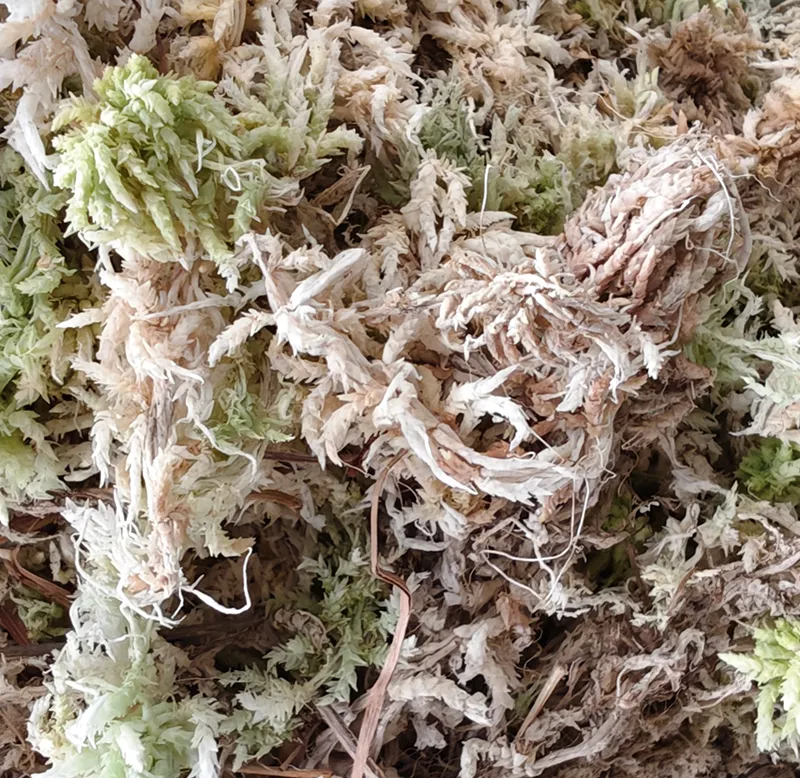
  • Handling Cut Moss: After cutting, minimize exposure to sunlight to prevent drying out. Store the cut pieces in a shaded area temporarily.


Planting the Moss

The specific steps for planting moss are as follows:

  • Planting Ratio: Follow a 1:10 planting ratio, meaning one piece of moss for every 10 square centimeters of land. Ensure even spacing to provide adequate growth space for each piece of moss.

  • Planting Method: Evenly distribute the cut moss across the prepared soil. Gently press down on the moss to ensure good contact with the soil, promoting rooting.


Covering and Maintaining Moisture

To keep the moss moist, consider the following measures:

  • Choice of Mulch: Use organic materials such as bark or straw as mulch. This helps retain soil moisture and prevents weed growth.

  • Depth of Mulch: Be mindful of the mulch depth, which should not exceed 2.5 cm to avoid blocking sunlight from reaching the moss.


Regular Weeding and Maintenance

To ensure healthy moss growth, regular maintenance is necessary:

  • Water Management: Use mineral-rich, flowing spring water to irrigate the moss. Regularly check the soil moisture to maintain suitable wetness levels.

  • Weeding: Conduct regular manual or radiative weeding to reduce competition from weeds. Use a small hoe or pull weeds by hand, avoiding chemical herbicides to protect the moss’s growth environment.

  • Monitoring Moss Condition: Frequently check for yellowing in the moss. If yellowing occurs, investigate the cause, which may be due to insufficient water, nutrient deficiency, or pest issues.


[Production Process] Sphagnum Moss Planting
What does 42 QT mean in your description?

When you get the compress moss that's just 9.16 X 6 X 1.1 inches, don’t let its small size fool you. It’s actually made from a whopping 42 QT of Natural Sphagnum Moss, all packed into a lightweight 12 OZ.

What does 42 QT mean in your description?
How to Create the Perfect Potting Mix for Orchids with Jerwtlu's Sphagnum Moss
Harvesting

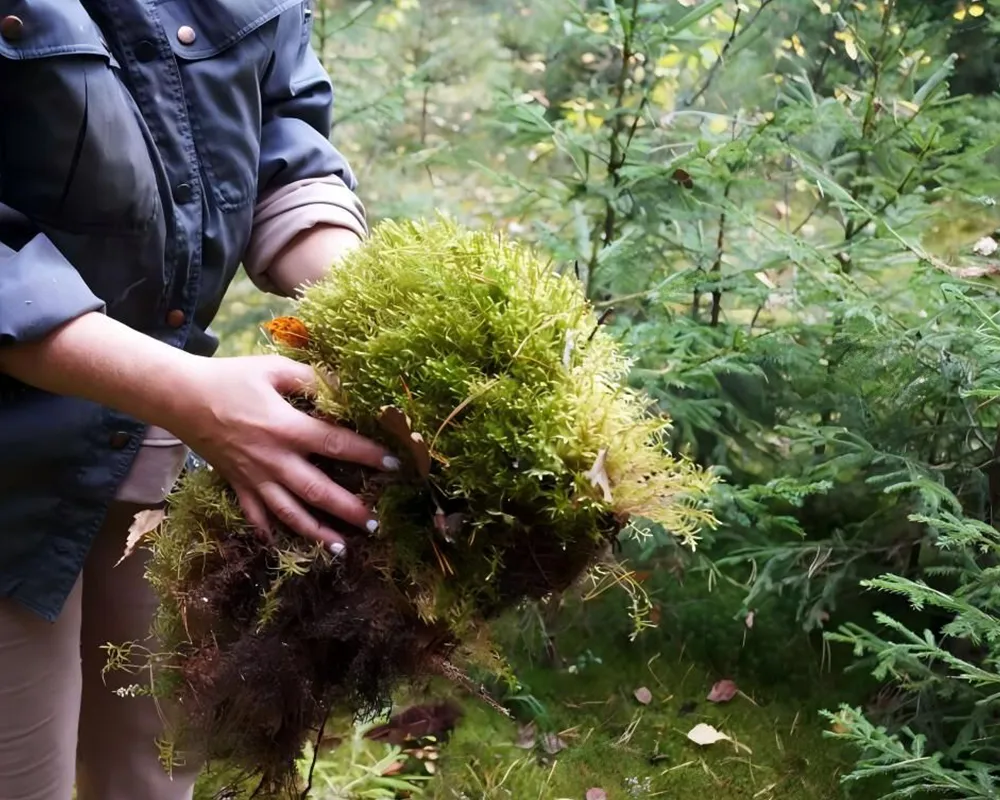
We wait a full three years for the moss to reach peak quality and fiber length. On clear, dry days only, workers wearing gloves hand-cut mature moss at the base with sharp knives or spades, protecting the living layer for regeneration. Harvested moss is immediately placed in breathable baskets to prevent compaction. Gentle shaking and cool-water rinsing remove soil and debris while preserving every long, golden strand. Damaged or discolored pieces are removed on-site, ensuring only the healthiest moss continues to the next stage.


Explore Harvesting Process

Harvesting
Janna Wilzen Martinez

Versatile use

This sphagnum moss is excellent for retaining moisture, making it ideal for plant propagation, orchids, and terrariums. Its natural softness and cleanliness create a supportive environment for delicate roots to grow. I love been using them for my propagations. The moss is long-lasting and resists decay better than many other organic mediums. It also helps maintain good aeration while preventing soil from compacting too tightly. Overall, this sphagnum moss is a versatile, reliable choice for gardeners and plant enthusiasts.

Janna Wilzen Martinez
​★★★★​★
2

Stock Environment

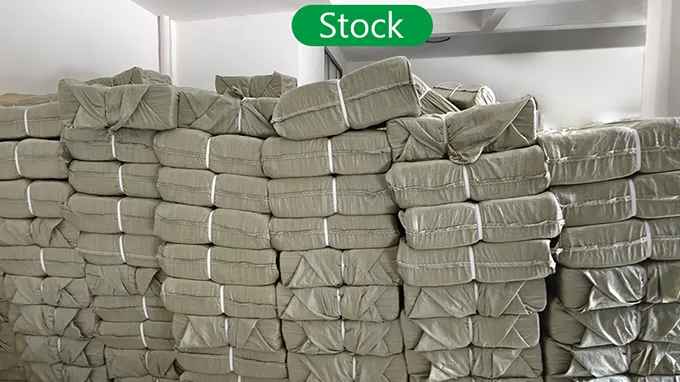
The stock environment for JERWTLU Sphagnum Moss is designed to maintain stable humidity and temperature levels, creating an optimal growing condition. This environment is characterized by a nearly closed system that minimizes external fluctuations, ensuring consistent moisture retention and temperature regulation.

The enclosed nature of the stock environment helps to reduce exposure to pests and diseases, further stabilizing conditions for the moss. This controlled setting not only enhances growth efficiency but also ensures that the moss can thrive under ideal conditions, maximizing yield and quality. Overall, the stable humidity and temperature within a tightly regulated environment are crucial for the successful cultivation of JERWTLU Sphagnum Moss.

2
Video
Video
sphagnum moss for air layering
3
  • Moisture Monitoring

We monitor the drying process closely to control humidity levels, preventing any risk of rot. This careful attention to detail ensures that our moss remains fresh and healthy.
  • SGS Certification

Our products come with SGS reports, verifying that they are safe for your plants and animals. This certification provides an added layer of assurance regarding the quality and safety of our offerings.
3
Applications

Sphagnum Moss is a versatile plant material widely used in the cultivation and care of various plants. For carnivorous plants, such as Venus flytraps, sundews, and pitcher plants, Sphagnum Moss provides an ideal growing medium that retains moisture while ensuring good drainage. Additionally, it is suitable for companion plants like bog orchids and aquatic plants, promoting their healthy growth. In ecological gardening, Sphagnum Moss is also used to create terrariums and decorative crafts, making it a popular choice among gardening enthusiasts and artisans. With the addition of JERWTLU as an innovative material, its application scope is further enriched.

Applications
Choose Sphagnum Moss for Every Need
For Reptile

JERWTLU Sphagnum Moss is a natural, moisture-retentive substrate ideal for reptile habitats. It helps maintain proper humidity levels while providing a comfortable and hygienic environment that supports healthy growth and breeding.


sphagnum moss for reptiles


sphagnum moss for reptiles


Placed between the soil and leaf litter layers, it mimics natural rainforest conditions by isolating soil, retaining moisture, and supporting beneficial microorganisms, reducing direct contact between reptiles and soil contaminants.


sphagnum moss for reptiles


sphagnum moss for reptiles


Soft, clean, and durable, JERWTLU Sphagnum Moss is easy to handle and can be rinsed and reused multiple times. Whether used for egg-laying, humidity control, or plant support, it helps create a stable and natural living space for reptiles.


sphagnum moss for reptiles


sphagnum moss for reptiles


For Reptile
JERWTLU Sphagnum Moss for Reptile
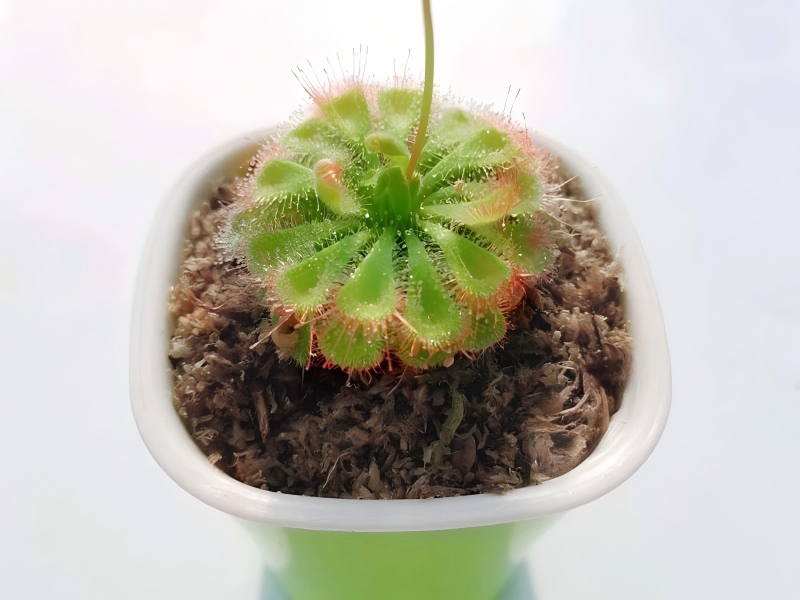
Sundews

When growing Sundews, the priority is choosing a medium that stays wet, remains low in minerals, and does not interfere with the plant’s carnivorous behavior. JERWTLU Sphagnum Moss fits these requirements well, making it a dependable option for both beginners and experienced growers.


sphagnum moss for sundews


Sphagnum moss naturally holds water evenly throughout the pot while still allowing air to reach the roots. This makes it easier to maintain the constantly damp conditions sundews prefer, without creating suffocating or stagnant root environments.


sphagnum moss for sundews


For propagation and recovery, sphagnum moss is especially practical. Leaf cuttings and young plants can be placed directly on moist moss, where they adapt quickly and begin rooting with minimal disturbance. This reduces transplant shock and supports steady early growth.


sphagnum moss for sundews


Overall, JERWTLU Sphagnum Moss is best chosen when growers want a simple, forgiving medium that supports healthy foliage, active growth, and reliable dew formation without the risk of nutrient overload.


Sundews
JERWTLU Sphagnum Moss for Sundews
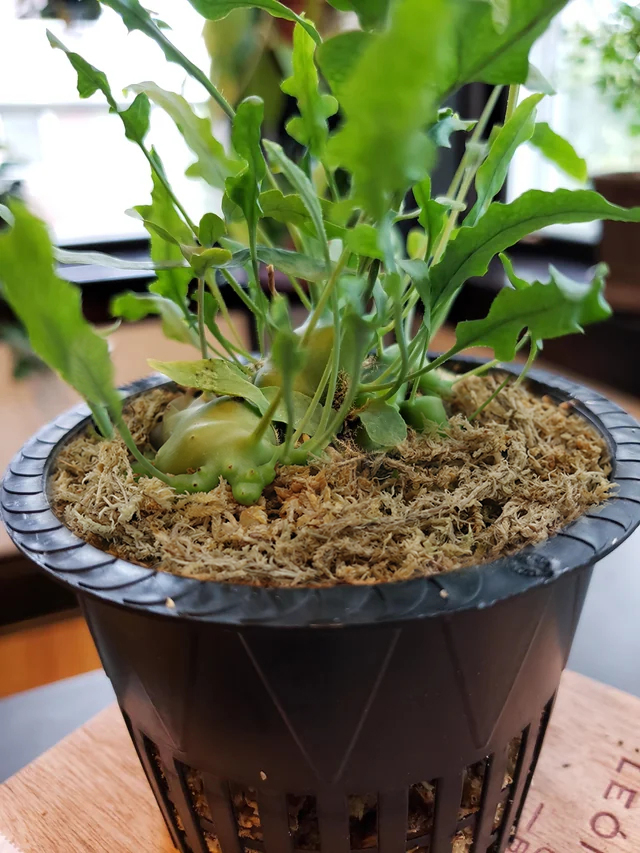
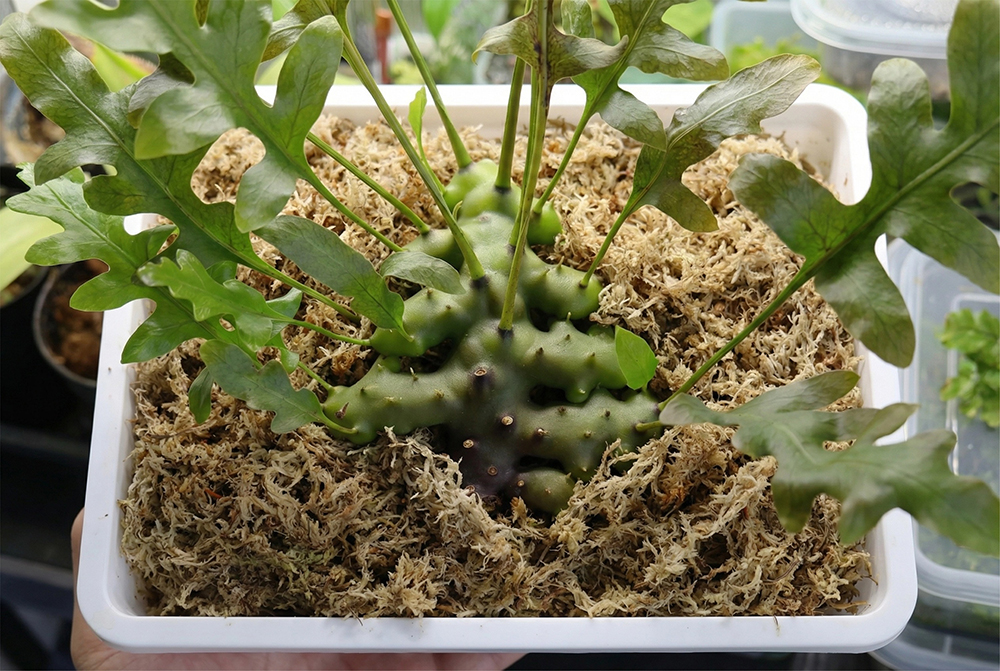
Ant Ferns

JERWTLU Sphagnum Moss makes growing ant ferns simpler.

It stays moist for a long time, doesn’t pack down, and gives roots a soft place to settle—without constant adjustments.


Whether you’re mounting, potting, or setting up a terrarium, ant ferns can be placed directly into damp sphagnum moss and left to establish at their own pace.


sphagnum moss for indoor plants


Less troubleshooting. More enjoying the plant.


sphagnum moss for indoor plants


Ant Ferns
JERWTLU Sphagnum Moss for Ant Ferns
Sphagnum Moss Pole

The 14-inch moss strut is an ideal indoor climbing plant support tool to help plants overcome the difficulties of upward growth and promote larger, greener leaf growth. Its unique semi-circular design allows the plant's aerial roots to adhere better, providing an ideal growing environment.

Sphagnum Moss Pole
Sekisui Pineapple and Sphagnum Moss

Sekisui Pineapple Maintenance Guide


Sphagnum Moss Planting Method

Sphagnum Moss Substrate Sekisui Pineapple is ideal for using peat moss as a planting substrate. Sphagnum moss has good water retention and aeration, which can provide an ideal growth environment for plant roots. Choosing fresh, loose peat moss and mixing it with some fine-grained ceramsite or coconut bran can further improve the drainage of the substrate. The pH of sphagnum moss is acidic, making it ideal for acidic soil-loving plants such as waterlogged pineapple.


Planting Steps

  1. Lay a layer of coarse sand or gravel on the bottom of the pot to ensure good drainage.

  2. Fill the peat moss substrate to two-thirds of the height of the pot.

  3. Carefully place the root system of the waterlogged pineapple in the substrate, trying not to damage the roots.

  4. Fill the pot again with peat moss to the edge of the pot and lightly compact.

  5. Water thoroughly so that the substrate absorbs water sufficiently.


Maintenance Management

Lighting Sekisui pineapple likes sufficient indirect light and needs 10-12 hours of bright light per day. It can be placed on a southeast-facing windowsill or on a shaded balcony. Proper shade is required in summer and direct sunlight is required.


  • Temperature

    The most suitable growth temperature for Jishui pineapple is 15-25°C. When the temperature is too high in summer, it is necessary to enhance ventilation and spray appropriately to increase humidity. In winter, it can withstand low temperatures of about 5°C, but not below 0°C, otherwise frostbite will occur.

  • Watering

    Standing water bromeliads are epiphytes and do not require extensive watering. However, regular spraying is needed during the growing season to increase air humidity and keep the peat moss substrate moist. When watering, be careful not to let the leaf core accumulate water to avoid breeding bacteria. Spray 2-3 times a week, and it can be appropriately reduced in rainy weather. Watering should be preferably early in the morning or late evening, and avoid spraying in the scorching sun.

  • Fertilization

    Seishui pineapple grows slowly, and a small amount of slow-release organic fertilizer or water-soluble fertilizer can be applied every spring to promote growth and development.

  • Reproduction

    When the mother plant grows, it will grow small seedlings from the roots. When the seedlings grow to one-third the height of the mother plant, they can be broken off and planted separately.


This is the easiest and most effective way to propagate the sekisui pineapple. Through the above detailed planting and maintenance guidelines, I believe you will be able to grow healthy and beautiful Sekisui pineapples successfully.

Sekisui Pineapple and Sphagnum Moss
Sekisui Pineapple Maintenance Guide: Planting & Care with Sphagnum Moss
Will there be a lot of impurities in the Sphagnum Moss? We do not like impurities.

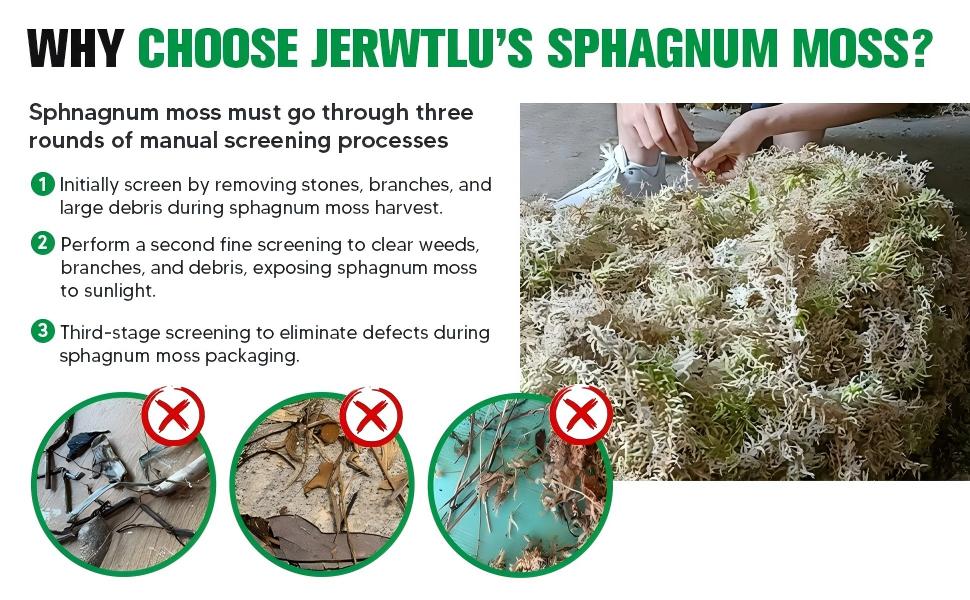
We screen our Sphagnum Moss to minimize impurities like branches and stones. Some tiny weed remnants may be present, confirming its natural quality.

Will there be a lot of impurities in the Sphagnum Moss? We do not like impurities.
[Production Process] Sphagnum Moss Harvesting

sphagnum-moss-harvesting.jpg


Timing the Harvest

Optimal Growth Period: Wait until the moss has reached a growth period of three years. During this time, the moss develops its full potential, resulting in superior quality.

Weather Conditions: Choose a dry day for harvesting. Wet conditions can lead to difficulties in handling the moss and increase the risk of spoilage.


Tools and Preparation

Before starting the harvesting process, gather the necessary tools:

  • Sharp Knife or Spade: Use a sharp knife or spade to cleanly cut the moss from its root base.

  • Gloves: Wear gloves to protect your hands and maintain cleanliness during the harvesting process.

  • Storage Containers: Prepare clean, breathable containers (such as baskets or mesh bags) to store the harvested moss.


Harvesting the Moss

Follow these steps to properly harvest the moss:

  • Identify the Harvesting Area: Locate areas where the moss has matured and is ready for harvest.

  • Cutting Technique: Gently pull up the moss from the root base using a sharp knife or spade. Ensure that you are cutting at the base to minimize damage to the roots, allowing the moss to regenerate for future harvesting.

  • Avoiding Damage: Be careful not to tear or damage the moss during the harvesting process, as this can affect its quality.


Cleaning the Moss

Once harvested, it’s important to clean the moss properly:

  • Removing Soil and Debris: Gently shake off excess soil and debris from the moss. If necessary, rinse the moss in clean, cool water to remove any remaining dirt.

  • Inspecting for Quality: During the cleaning process, inspect the moss for any signs of rot or damage. Remove any affected pieces to ensure only the best quality moss is kept.


Before Drying, Storing the Moss

To prevent spoilage, proper drying and storage techniques are essential:

  • Laying Flat: After cleaning, lay the moss flat on a clean, dry surface (such as a drying rack or a clean cloth). This helps to avoid compression and allows for even drying.

  • Avoiding Rot: Ensure the moss is spread out and not piled on top of itself, as this can lead to moisture retention and rot. Allow adequate airflow around the moss before drying process.

[Production Process] Sphagnum Moss Harvesting
After soaking the 1.5 LB packaging in water, what is the volume it expands to, and how many pots can it plant?

Our 1.5 LB compressed Sphagnum Moss allows for up to 48 plantings in 5.7-inch pots. While absorption may vary slightly by package, overall differences are minimal.

After soaking the 1.5 LB packaging in water, what is the volume it expands to, and how many pots can it plant?
How to Create the Perfect Potting Mix for Orchids with Jerwtlu's Sphagnum Moss

In this video, we will show you one fantastic way to use Jerwtlu's Sphagnum Moss. Watch as we open the package and soak the moss in water, transforming it into a perfect potting mix for your orchids. Discover how this incredible moss becomes the best companion for your orchids, providing them with the ideal environment to thrive. Join us for this step-by-step guide to elevate your orchid care!

How to Create the Perfect Potting Mix for Orchids with Jerwtlu's Sphagnum Moss
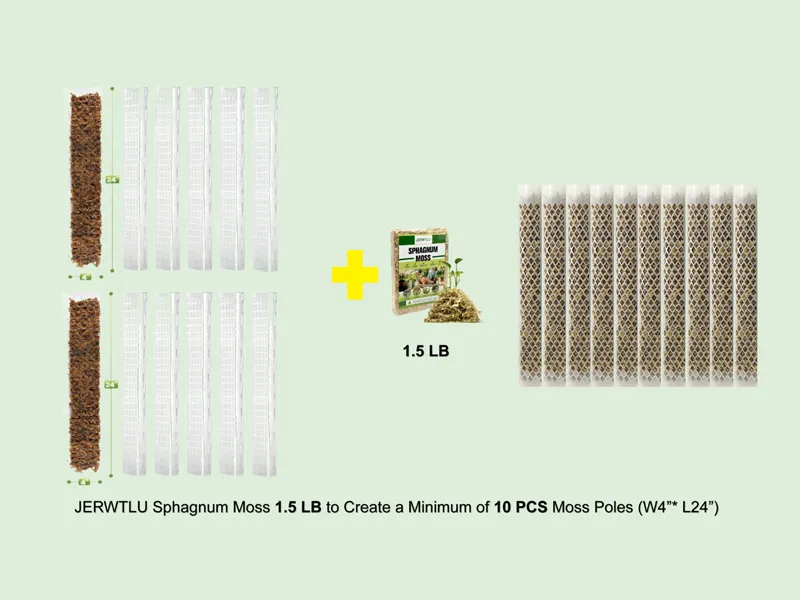
Creating Moss Poles with Jerwtlu Sphagnum Moss How Much Can You Make
Drying

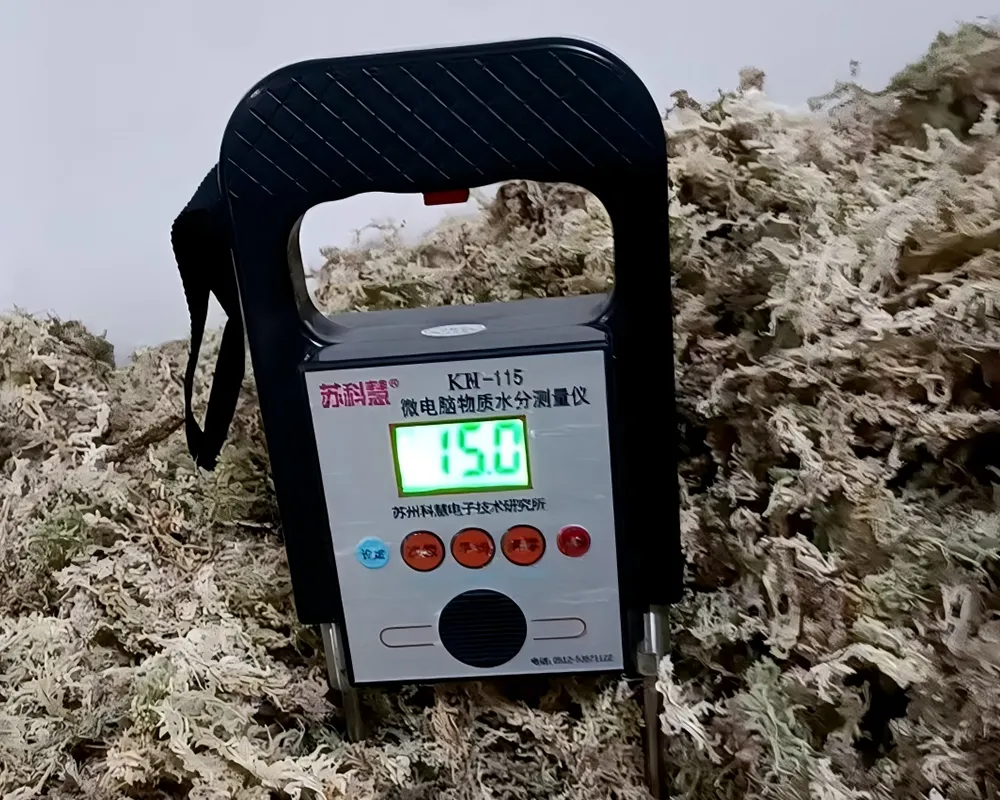
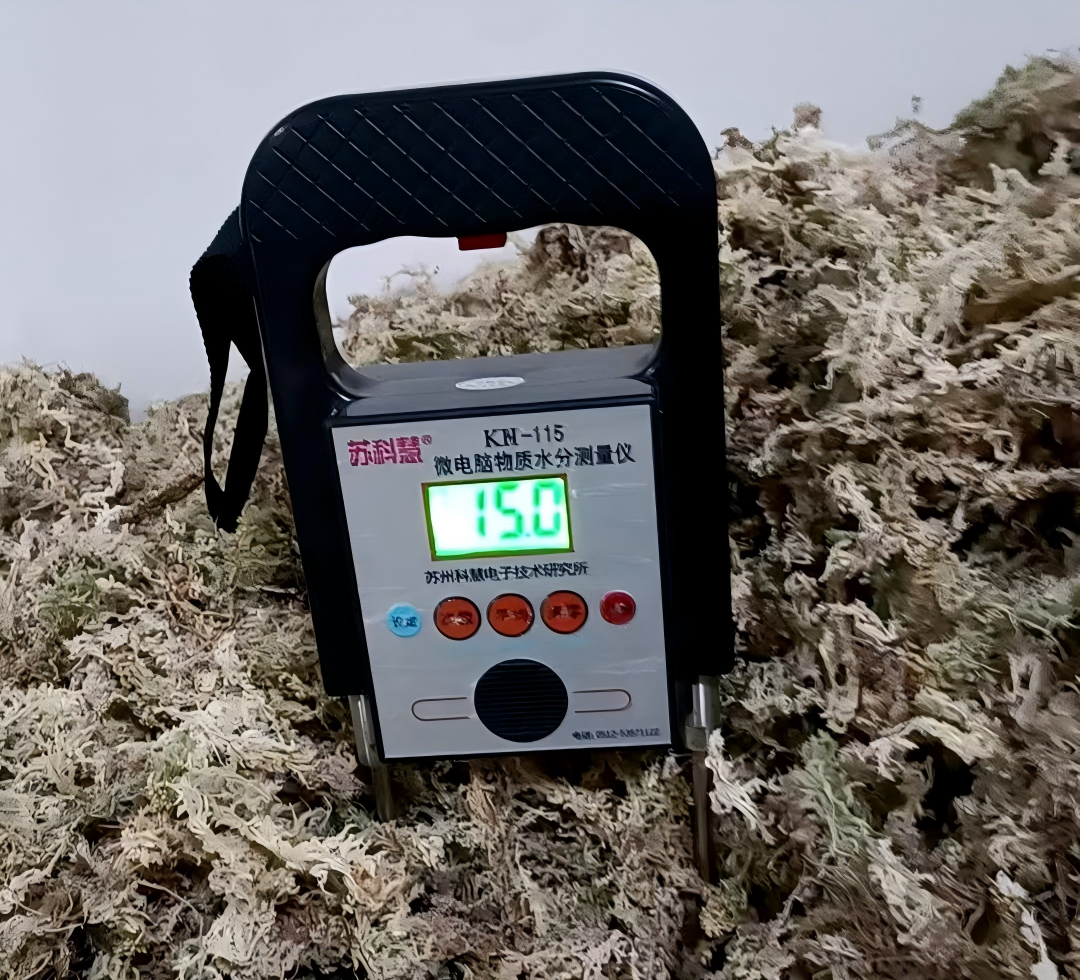
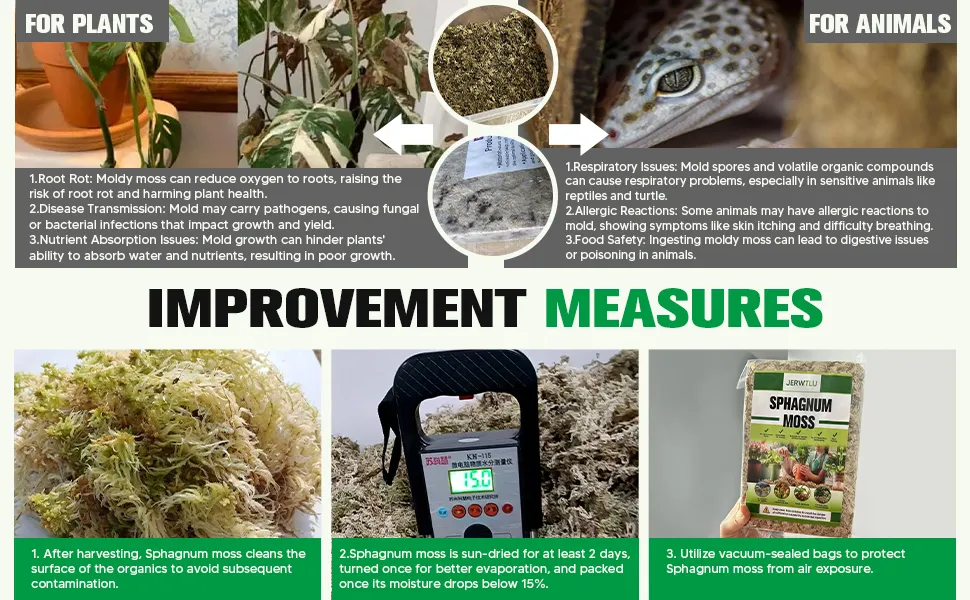
Clean moss is spread in a single layer on elevated racks under direct sunlight for exactly two full days. Constant airflow and weather monitoring prevent re-wetting. Professional hygrometers measure moisture hourly; drying stops precisely at 15%—dry enough to prevent mold, yet retaining natural flexibility and color. This traditional sun-drying method, combined with our high-altitude climate, produces the signature golden-green hue and superior rehydration ability that professional growers recognize instantly. No artificial heat or forced air is ever used, guaranteeing the moss remains completely natural and alive when rehydrated.


Explore Drying Process

Drying
David P Chow

Great product

This is a great product. It is clean, and doesn't smell bad at all. It looks good too if you want to use it for decorative purposes. I used it to air layer my camellias, and it worked great. I used my hands to compress the moss and wrap it around a branch (after wounding the branch with a knife), and then wrapped plastic and tin foil around that. The moss held together well enough after I compressed it, and it will retain moisture allowing the roots to grow. The moss comes in the form of a thin rectangle, but after you soak it in water it expands quickly to the size stated in the product description.

David P Chow
​★★★★​★
RoobySlippas

Quality moss, give it a shot

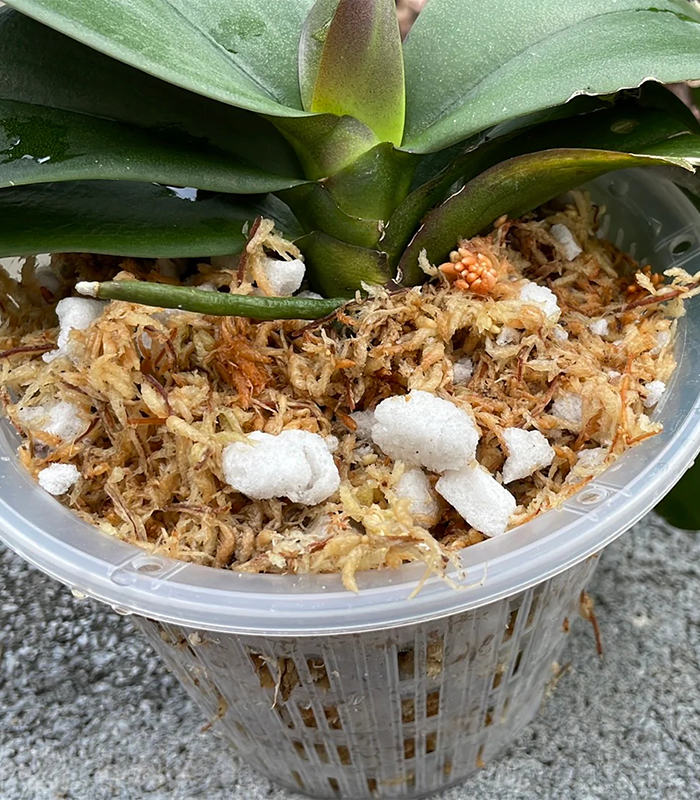
This is big bang for little bucks. I do like longer form, and this brick did not disappoint. I have several props that were rooted in water that I moved to this medium, adding in perlite. I do find that putting cuttings straight into moss/perlite is not nearly as successful as allowing cuttings to root in water first. You want that almost yellowish fuzzy coating on white roots to be there before rooting in moss for the best results. Also, it's a dry product so dust is unavoidable, period. There were far less pokey bits in this than the last compressed brick I purchased. I think the quantity stretches far. And I look forward to sharing this with friends.

RoobySlippas
​★★★★​★
Planting Environment
3

Efficient Logistics Environment

The logistics environment for JERWTLU Sphagnum Moss is optimized for fast and efficient distribution. With a well-connected transportation network, the facility utilizes automobiles for quick local deliveries, while rail transport facilitates bulk shipments over longer distances. For urgent orders, air freight options ensure swift delivery to various locations. This multi-modal logistics approach guarantees that customers receive their Sphagnum Moss promptly, maintaining high quality and efficiency in the supply chain.

3
About

In the plantations located at an altitude of 1,000 to 1,300 meters, about 50 acres are dedicated to the cultivation of Sphagnum Moss (peat algae). The region has a humid subtropical climate, with average annual temperatures between 16°C and 18°C, and high average humidity throughout the year, usually between 70% and 90%, making this humid environment ideal for the growth of peat algae. The summer climate is warm and humid, providing ideal conditions for peat algae to grow.

About
ABOUT Jerwtlu
For Craft

JERWTLU Sphagnum Moss is a versatile and visually appealing material for creative and decorative applications. Its naturally springy texture allows it to be molded and layered easily, making it well suited for crafts such as floral displays, wreath making, terrariums, and miniature scenes.


live sphagnum moss for sale


live sphagnum moss for sale


This moss performs reliably in both dry and lightly moistened conditions. When hydrated, it supports moisture-sensitive designs like fresh arrangements and plant-based crafts; when dry, it remains lightweight and stable for decorative accents, packaging, and long-term displays.


live sphagnum moss for sale


live sphagnum moss for sale


live sphagnum moss for sale


Cleanly processed and free from harsh additives, JERWTLU Sphagnum Moss offers consistent texture and durability, helping finished projects maintain form and appearance over time. It is a dependable choice for florists, designers, and hobbyists seeking a natural, adaptable craft material.


live sphagnum moss for sale


live sphagnum moss for sale


live sphagnum moss for sale


For Craft
JERWTLU Sphagnum Moss for Craft
Butterworts

Many Butterworts perform best when grown in a medium that stays lightly wet but never becomes dense or mineral-rich. JERWTLU Sphagnum Moss provides this balance naturally, making it an effective choice for maintaining stable conditions over time.


sphagnum moss for plant propagation


Rather than relying on frequent watering adjustments, sphagnum moss moderates moisture on its own by absorbing excess water and releasing it gradually. This helps protect butterwort roots from sudden drying or prolonged stagnation, both of which can negatively affect plant health.


sphagnum moss for plant propagation


For growers working with leaf pullings or newly established plants, sphagnum moss offers a clean and forgiving surface that encourages rooting with minimal intervention. Plants tend to settle in quickly, allowing energy to be directed toward leaf growth and prey capture rather than stress recovery.


sphagnum moss for plant propagation


In practical use, JERWTLU Sphagnum Moss supports consistent growth, clean rosettes, and reliable mucilage production, making it a dependable medium for both routine care and long-term butterwort cultivation.

Butterworts
JERWTLU Sphagnum Moss for Butterworts
Sphagnum Moss Terrarium

The Multifunctional Terrarium is an ideal plant and aquarium container, equipped with a 3W adjustable LED light, providing lighting suitable for small plants and mini aquariums. Made of high borosilicate glass, it has high transparency, making it easy to observe the plants inside. The adjustable opening and timing control feature allow you to easily create environments suitable for different plants.

Sphagnum Moss Terrarium
FAQ
FAQ
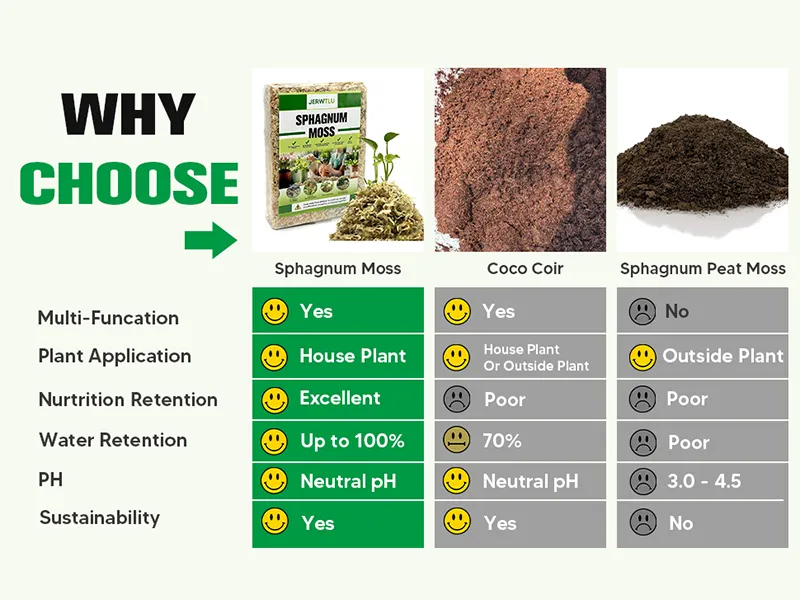
Why should consumers choose sphagnum moss?

Sphagnum moss has multi-functionality and can be used for various plant applications. It also has excellent nutrient retention and water-holding capacity, providing a good growth environment for plants. Compared to coco coir and sphagnum peat moss, sphagnum moss has a more neutral pH, which is more suitable for the growth needs of a wide range of plants.

Why should consumers choose sphagnum moss?
Bromeliad Care Guide

Bromeliads are fascinating epiphytic plants that originate from the tropical rainforests. Unlike traditional potted plants, Bromeliads do not require soil to grow, making them a unique and low-maintenance addition to any home or office. This care guide will provide you with the essential information to successfully grow and maintain healthy Bromeliads.


Lighting Requirements

Bromeliads have varying light requirements depending on the specific variety. Generally:


Varieties with harder, grayish leaves need ample sunlight or strong, diffused light.

Varieties with green leaves can tolerate lower light conditions and can grow well in partially shaded or indoor environments.

Most Bromeliads require around 10 hours of light per day for optimal growth.


Temperature and Humidity

The ideal temperature range for Bromeliads is 15°C to 25°C.

They can tolerate a wider range of 5°C to 40°C, but temperatures above 25°C may require increased ventilation and higher humidity to prevent growth stagnation.

Most Bromeliad varieties are sensitive to cold and can be damaged or killed by temperatures below 5°C.

Maintaining high air humidity, ideally above 90%, is crucial for the health and growth of Bromeliads.


Watering

Bromeliads do not require frequent watering, only when the air humidity drops below 90%.

During the active growth period, regularly mist the plants to increase air humidity and support their development.

Use a spray bottle to evenly mist the leaves, thoroughly wetting the entire plant.

Avoid letting water accumulate in the leaf center, as this can lead to bacterial and microbial growth, causing the leaves to suffocate.


Planting and Propagation

Bromeliads can be grown in a rain forest-style terrarium, with the roots wrapped in moss and fixed on driftwood or rhododendron roots.

They can also be potted in well-draining media. Especially sphagnum mosss.

Provide partial shade in the summer to avoid direct sunlight, as this can damage the leaves.

In the winter, the distinct temperature difference can bring out more vibrant colors in the plants.

After the plant matures, offsets (pups) will grow from the roots, which can be carefully detached and grown separately.


By following these guidelines, you can ensure the long-term health and thriving growth of your Bromeliads, allowing you to enjoy their unique and captivating appearance in your living space.


Bromeliad Care Guide
[Production Process] Sphagnum Moss Drying and Humidity Checking

sphagnum-moss-drying-and-humidity-checking-1.png


Drying the Moss

Proper drying is essential to prevent mold and preserve the quality of the moss:

  • Sunlight Exposure: Spread the cleaned moss in a single layer on a clean, flat surface (such as drying racks or clean cloths) to maximize exposure to sunlight.

  • Duration: Allow the moss to dry for a full two days, ensuring it receives ample sunlight throughout this period. This helps evaporate moisture efficiently.

  • Moisture Measurement: Use a hygrometer to measure the moisture content of the moss. The ideal moisture level should be controlled at around 15%. This ensures the moss is adequately dried without being overly desiccated.


Monitoring Drying Conditions

During the drying process, it’s important to monitor the conditions:

  • Weather Considerations: Ensure that the weather remains clear and sunny for the entire drying period. If rain or high humidity is expected, consider covering the moss temporarily to prevent moisture absorption.

  • Airflow: Ensure good airflow around the moss during drying. This can be achieved by placing the drying racks in a well-ventilated area, promoting even drying and preventing mold growth.


Sorting the Moss

Once the moss is fully dried, the next step is sorting:

  • Removing Debris: Carefully inspect the dried moss for any unwanted materials such as branches, stones, leaves, or other debris.

  • Sorting Technique: Use your hands to gently sift through the moss, picking out any foreign objects. This step is crucial to ensure that only pure, high-quality moss is packaged.

  • Quality Check: As you sort, also check for any remaining damaged or discolored pieces of moss that may have been overlooked during the cleaning process. Remove these to maintain the overall quality of the final product.


sphagnum-moss-drying-and-humidity-checking-2.jpg


[Production Process] Sphagnum Moss Drying and Humidity Checking
What does 82 QT mean in your description?

When you get the compress moss that's just 9.16 X 6 X 2.2 inches, don’t let its small size fool you. It’s actually made from a whopping 82 QT of Natural Sphagnum Moss, all packed into a lightweight 1.5 LB.

What does 82 QT mean in your description?
Creating Moss Poles with Jerwtlu Sphagnum Moss How Much Can You Make

In this video, we will explore how to create moss poles using Jerwtlu's Sphagnum Moss. We’ll break down the quantities needed for different sizes—6 OZ, 10 OZ, 12 OZ, and 1.5 LB—and show you exactly how many moss poles you can make from each size. Whether you're a beginner or an experienced plant enthusiast, this guide will help you maximize your moss usage for supporting your climbing plants. Join us and learn how to enhance your plant care with DIY moss poles!

Creating Moss Poles with Jerwtlu Sphagnum Moss How Much Can You Make
Creating a Bioactive Terrarium with Jerwtlu's Sphagnum Moss A Cozy Habitat for Plants and Reptiles
Packaging

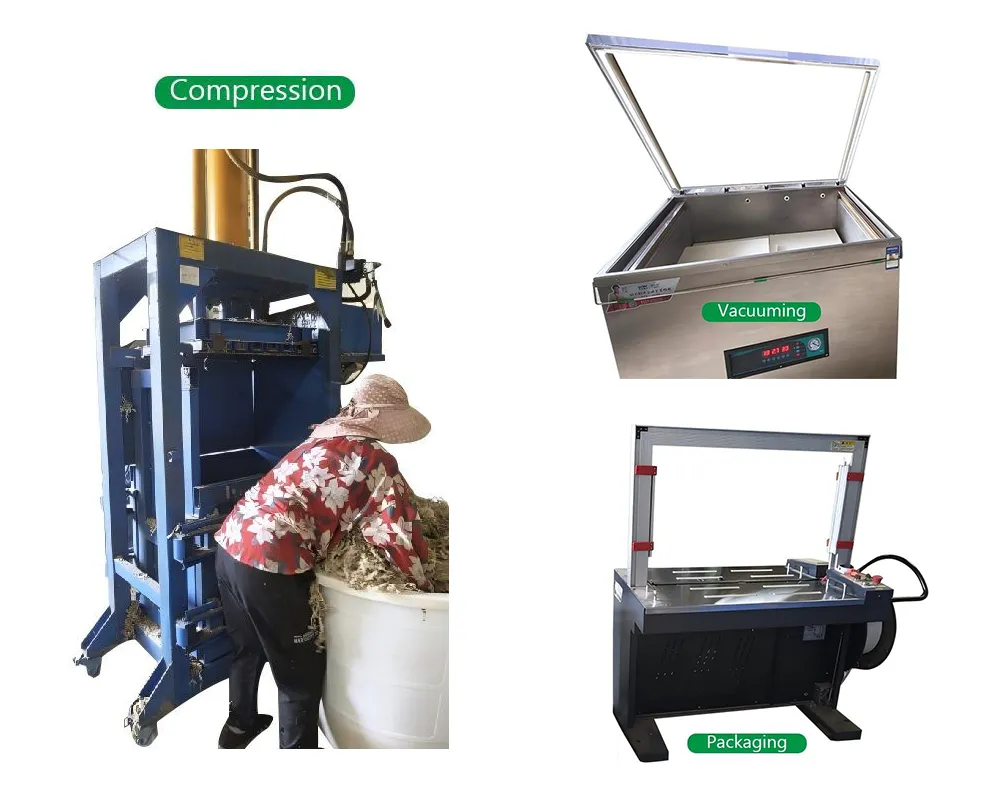
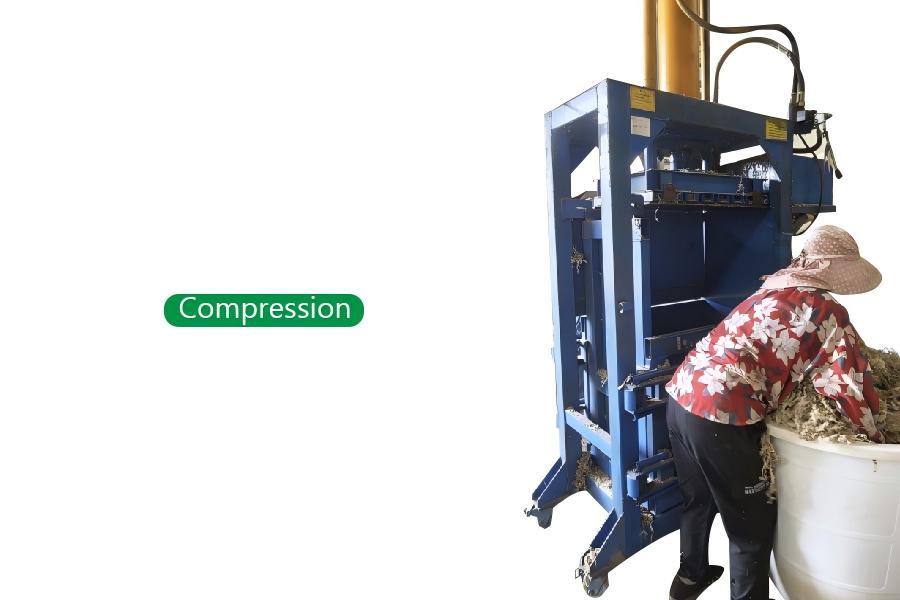
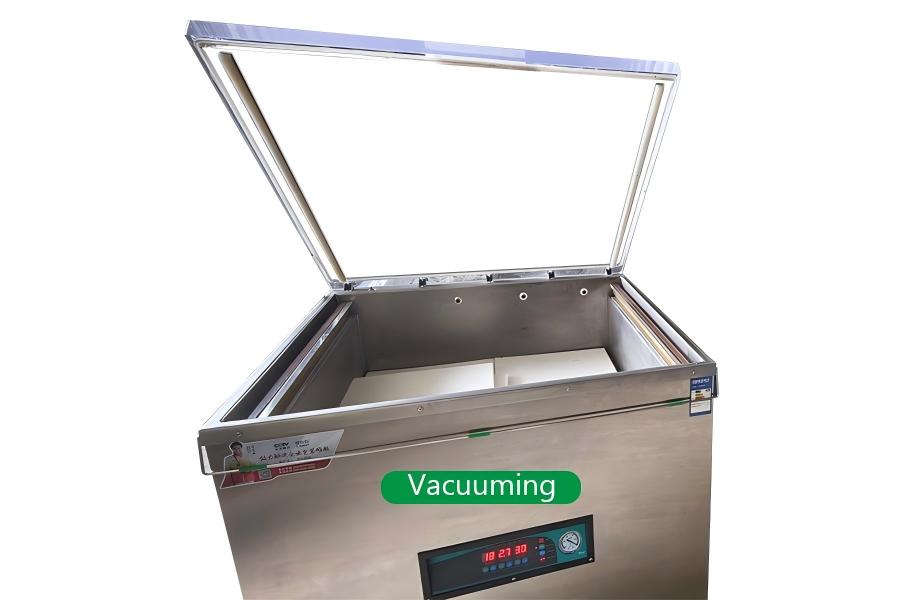
Perfectly dried moss undergoes final hand-sorting three times to remove even the smallest twig or leaf. Each batch is accurately weighed, then gently compressed using a clean hydraulic press that protects fiber structure. Immediately after compression, the moss is placed into food-grade vacuum bags; all air is removed and bags are heat-sealed within seconds to lock out oxygen and moisture. A final quality inspection checks every seal before labeling with weight, harvest date, and batch details. This process keeps the moss garden-fresh for years while dramatically reducing shipping volume and carbon footprint.


Explore Packaging Process

Packaging
Lauren Davis

Excellent quality and a LOT of it!

I've tried so many spag mosses for my moss poles and propping philodendrons, and been pretty let down most of the time. Not this time! Very soft, fluffy, light colored long fibered moss without junk and sticks in it. Expands big time as compressed moss should, and holds water perfectly. Definitely now my go to brand.

Lauren Davis
​★★★★​★
Why Choose Jerwtlu?
Why Choose Jerwtlu?
For Potting Mix

JERWTLU Sphagnum Moss is a functional growing-media ingredient valued for its ability to balance moisture retention and airflow within container substrates. Its fibrous texture helps hold water evenly while keeping the root zone open and oxygen-rich, supporting stable plant growth.


sphagnum moss potting mix


When incorporated into potting blends, it enhances substrate resilience by improving drainage, limiting compaction, and maintaining structural consistency over time. This creates favorable conditions for root development and reduces stress associated with overly dense or waterlogged media.


sphagnum moss potting mix


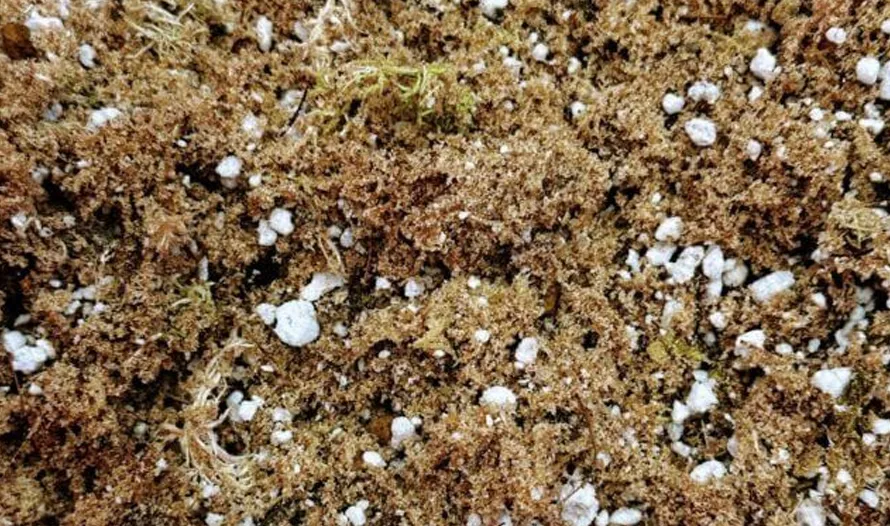
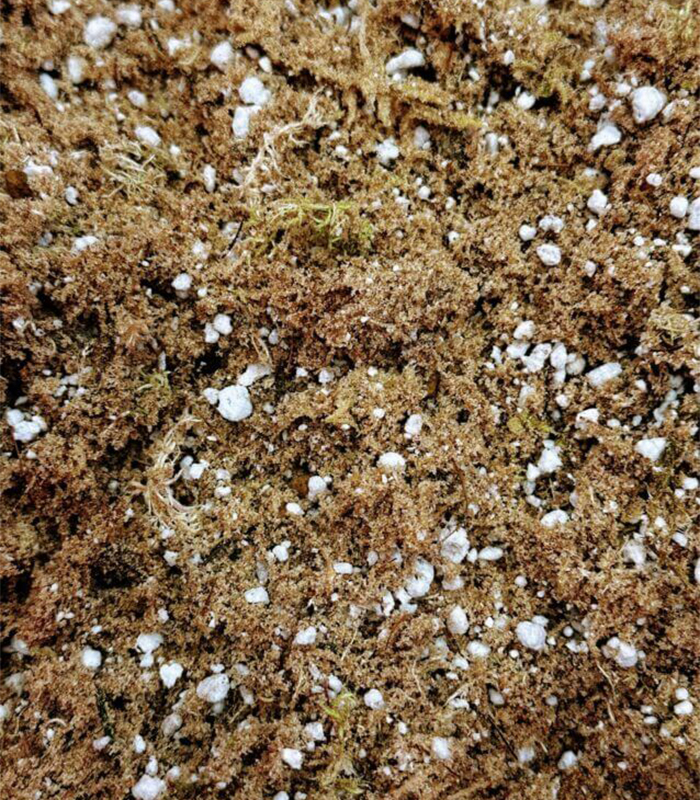
JERWTLU Sphagnum Moss is commonly used in mixes designed for orchids, carnivorous plants, seedlings, and other moisture-sensitive species. It blends easily with materials such as bark, perlite, coco coir, or peat substitutes, allowing growers to formulate media tailored to specific horticultural needs.


For Potting Mix
JERWTLU Sphagnum Moss for Potting Mix
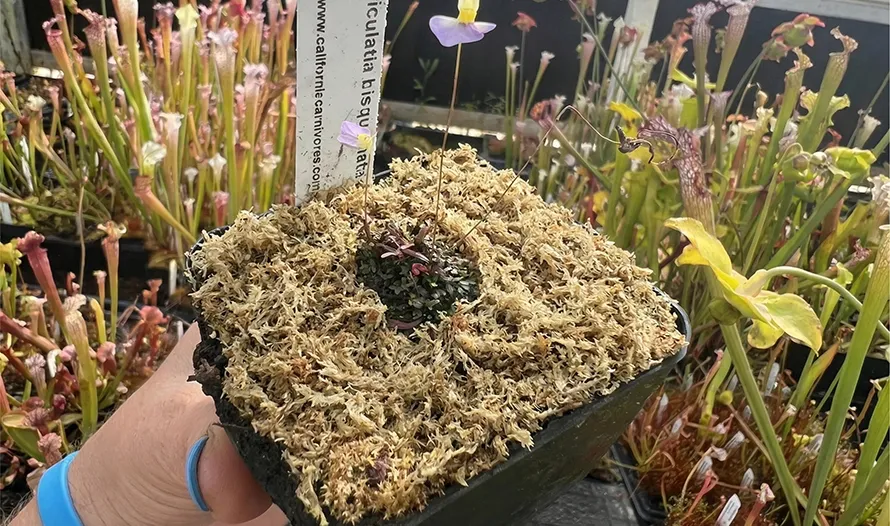
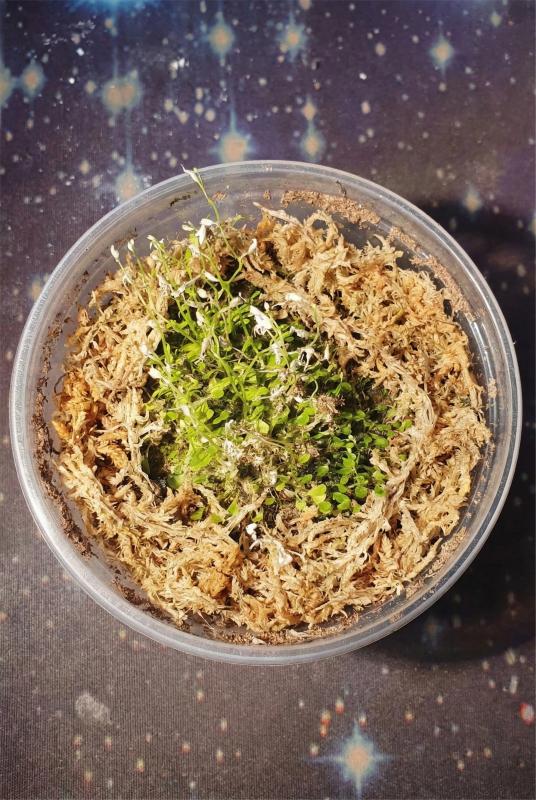
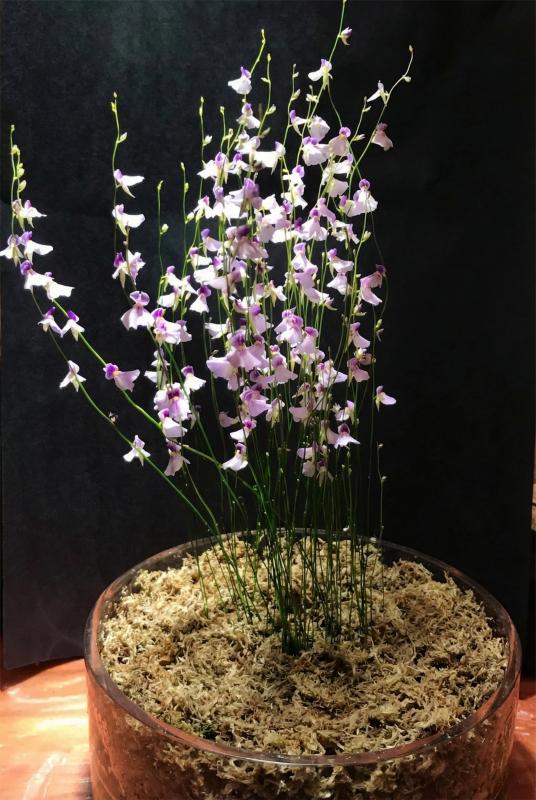
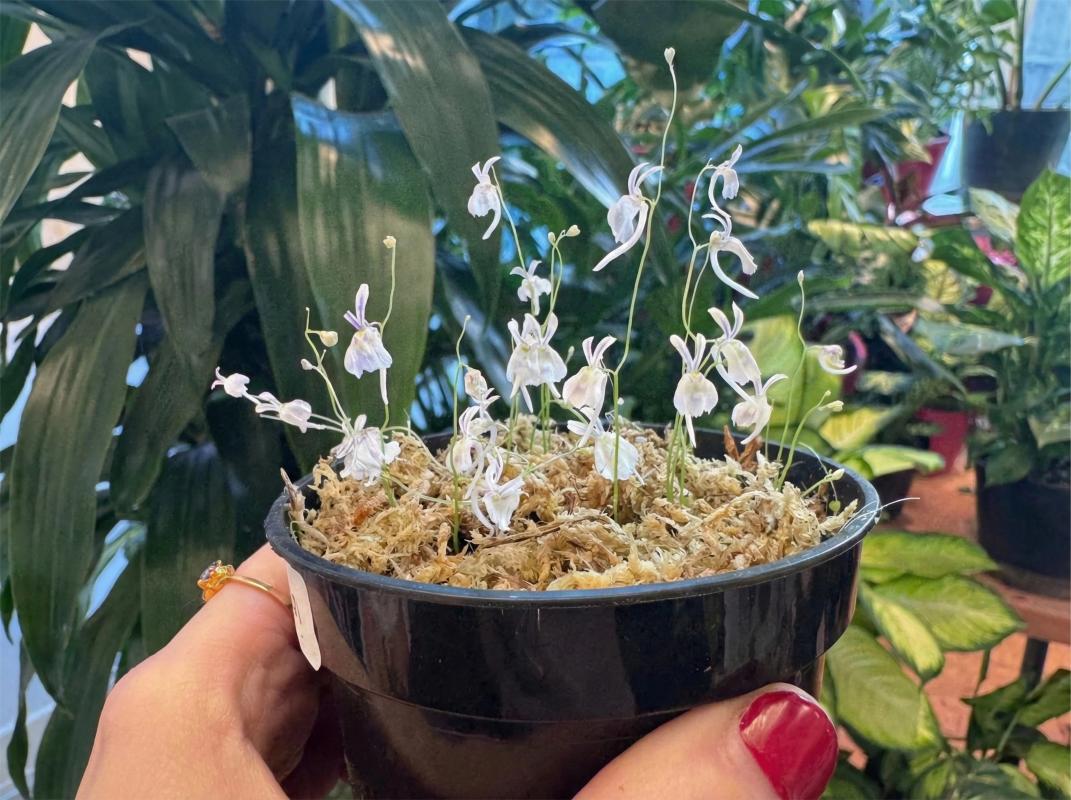
Bladderworts

Bladderworts have very specific growing needs: constant moisture, minimal nutrients, and a medium that does not restrict growth. JERWTLU Sphagnum Moss addresses these needs without adding unnecessary complexity to cultivation.


sphagnum moss for plants


Instead of functioning like traditional soil, sphagnum moss acts as a moisture reservoir that surrounds the plant evenly. This is particularly beneficial for Bladderworts, which absorb nutrients directly from their environment rather than through true roots.


sphagnum moss for plants


As plants spread, their stolons move freely through the moss without resistance, allowing colonies to expand naturally. This reduces the need for frequent repotting or substrate disturbance and makes long-term care more predictable.


sphagnum moss for plants


For growers seeking a clean, stable, and low-maintenance medium that aligns with the natural growth habits of bladderworts, JERWTLU Sphagnum Moss provides a straightforward and effective solution.


sphagnum moss for plants


Bladderworts
JERWTLU Sphagnum Moss for Bladderworts
Inspiration
Inspiration
What are the differences between sphagnum moss, coco coir, and sphagnum peat moss?

The main difference lies in the range of application. Sphagnum moss is more suitable for indoor plants, coco coir is more suitable for outdoor plants, while sphagnum peat moss is not very suitable as a plant substrate. In addition, sphagnum moss performs better than coco coir and sphagnum peat moss in terms of nutrient retention and water-holding capacity.

What are the differences between sphagnum moss, coco coir, and sphagnum peat moss?
Sarracenia (Pitcher Plant) Comprehensive Cultivation Guide

Potting Mix Selection

Sarracenia plants thrive best in nutrient-poor environments. The optimal potting mix is jerwtlu's Sphagnum Moss. This peat moss has excellent water retention, aeration, and low nutrient properties, making it ideal for Sarracenia's growth requirements. Regular garden soil is not recommended, as it typically contains too many nutrients, leading to overly vigorous growth and loss of the plant's characteristic features.


Propagation Methods

Sarracenia can be propagated through both seed and division:

  • Seed Propagation: Collect the seeds after they mature, then undergo a 2-3 month cold-moist treatment at 10-15°C. After treatment, sow the seeds on jerwtlu's Sphagnum Moss substrate and keep consistently moist. Germination takes 1-3 months.

  • Division: Carefully divide the rhizomes of mature Sarracenia plants, ensuring each division has sufficient roots and leaves. Transplant the divisions into new jerwtlu's Sphagnum Moss substrate and maintain high humidity.


Watering

Sarracenia prefer high-humidity environments. Use the tray-watering method by placing the pot in a tray with 1-2 cm of water. Avoid letting the substrate dry out completely, as this can lead to plant death. Misting can also help increase humidity if the environment is too dry.


Lighting Requirements

Sarracenia are light-loving plants and should be placed in bright locations, such as on a balcony or windowsill. The ideal light intensity is 6-8 hours of direct sunlight per day. Newly acquired plants can be acclimated in partial shade for 10-15 days before gradually increasing light exposure. Excessively strong sunlight may cause leaf reddening or desiccation, requiring some shading.


Fertilizing

Sarracenia are highly sensitive to fertilizer concentration and cannot tolerate overly strong solutions. Use a 1/5 strength general-purpose liquid fertilizer, applying it 1-2 times per month. Excessive fertilization can lead to overly vigorous growth, causing the plant to lose its characteristic features.


Cultivation Considerations

Do not feed Sarracenia with human foods like meat or fish, as these are harmful to their digestive system. Occasional small insect prey, such as ants or mosquitoes, can be provided.

Maintain air humidity above 40-50%, using a humidity dome if necessary. Excessively dry environments will cause the plant to gradually desiccate.

Some leaf spotting or tip necrosis on new growth is normal and part of the plant's metabolism, not a cause for concern. Widespread leaf deterioration may indicate issues with lighting or watering.

If the plant exhibits poor growth, check for potential problems with over-fertilization or insufficient lighting.


Sarracenia (Pitcher Plant) Comprehensive Cultivation Guide
After soaking the 6 OZ packaging in water, what is the volume it expands to, and how many pots can it plant?

Our 6 OZ compressed Sphagnum Moss allows for up to 12 plantings in 5.7-inch pots. While absorption may vary slightly by package, overall differences are minimal.

After soaking the 6 OZ packaging in water, what is the volume it expands to, and how many pots can it plant?
Creating a Bioactive Terrarium with Jerwtlu's Sphagnum Moss A Cozy Habitat for Plants and Reptiles

In this video, we’ll demonstrate how to create a stunning bioactive terrarium using Jerwtlu's Sphagnum Moss. Discover why this moss is the perfect substrate for both plants and reptiles, providing a warm and inviting environment. We’ll guide you through the step-by-step process of setting up your terrarium, from layering the moss to selecting the right plants and critters. Join us to learn how to create a thriving ecosystem that your plants and pets will love!


Creating a Bioactive Terrarium with Jerwtlu's Sphagnum Moss A Cozy Habitat for Plants and Reptiles
[Production Process] Sphagnum Moss Compression and Vacuum Packaging

Drying and Compressing the Moss

Before packaging, ensure the moss is fully dried and ready for compression:

  • Weighing the Moss: Use a precise scale to weigh the dried moss. Aim for a specific weight that balances compactness and quality. This weight will depend on packaging requirements and intended use.

  • Achieving Proper Weight: Adjust the amount of moss until it reaches the desired weight. This step is crucial for ensuring consistent packaging sizes.


sphagnum-moss-compression.jpg

Compressing the Moss

Once the moss is weighed, proceed with the compression process:

  • Hydraulic Press Setup: Place the weighed moss into a hydraulic press designed for compressing delicate materials. Ensure the press is clean and free of debris to avoid contamination.

  • Compression Technique: Gradually apply pressure with the hydraulic press. It is important to compress the moss evenly and gently to avoid crushing it. Monitor the compression process closely to maintain the integrity of the moss structure.

  • Repetitive Compression: If necessary, repeat the compression process multiple times, adjusting the pressure as needed. The goal is to achieve a compact form without damaging the moss fibers.


Vacuum Packaging

After compression, the next step is vacuum sealing the moss:

  • Preparing the Vacuum Machine: Set up the vacuum packaging machine according to the manufacturer's instructions. Ensure it is clean and ready for operation.

  • Placing the Compressed Moss: Carefully transfer the compressed moss into vacuum-sealable bags. Ensure that the bags are appropriate for the size and weight of the compressed moss.

  • Vacuum Sealing Process: Place the bags into the vacuum machine and initiate the vacuum sealing process. The machine will remove air from the bags, preventing moisture ingress and preserving the moss's quality.

  • Heat Sealing: After achieving the desired vacuum level, the machine will automatically seal the bags using heat. This creates an airtight seal that protects the moss during storage and transport.


sphagnum-moss-vacuuming.jpg


Final Packaging and Labeling

Once vacuum sealed, complete the packaging process:

  • Quality Check: Inspect the sealed bags for any defects or leaks. Ensure that each package is properly sealed and free of air pockets.

  • Labeling: Label each package with relevant information, including the product name, date of packaging, weight, and any other necessary details. This information is vital for inventory management and consumer awareness.

  • Storage: Store the vacuum-packaged moss in a cool, dry place until it is ready for distribution or sale. Proper storage conditions will help maintain the quality of the moss over time.


sphagnum-moss-packaging.jpg


[Production Process] Sphagnum Moss Compression and Vacuum Packaging
High Quality

Grown completely naturally without any fertilizers, herbicides, or nutrient solutions and hand-weeded for purity. Features long, slender, and tough fibers with exceptional rot resistance, virtually sterile properties, and naturally low soluble salts. Every batch is meticulously hand-selected, sun-dried, and screened to remove impurities and branches, delivering flawless, professional-grade moss trusted by top orchid growers worldwide.


Check Details

High Quality
Aldrovanda

Successful cultivation of Aldrovanda depends less on traditional substrates and more on maintaining clean, stable water conditions. JERWTLU Sphagnum Moss can be used as a supporting material to help regulate moisture and water quality in shallow aquatic or bog-style setups.


Rather than acting as a planting medium, sphagnum moss functions as a natural buffer within the system. It helps moderate water movement, reduces sudden changes in moisture levels, and contributes to a cleaner microenvironment—factors that are especially important for a rootless, free-floating plant like Aldrovanda.


In naturalistic systems, sphagnum moss also encourages the development of a low-nutrient balance by supporting beneficial microorganisms and limiting excess nutrient release. This helps control algae and maintains conditions closer to those found in the plant’s native habitats.


Used appropriately, JERWTLU Sphagnum Moss assists in creating a stable, low-maintenance cultivation environment that supports consistent growth, reliable trap activity, and long-term health in Aldrovanda.


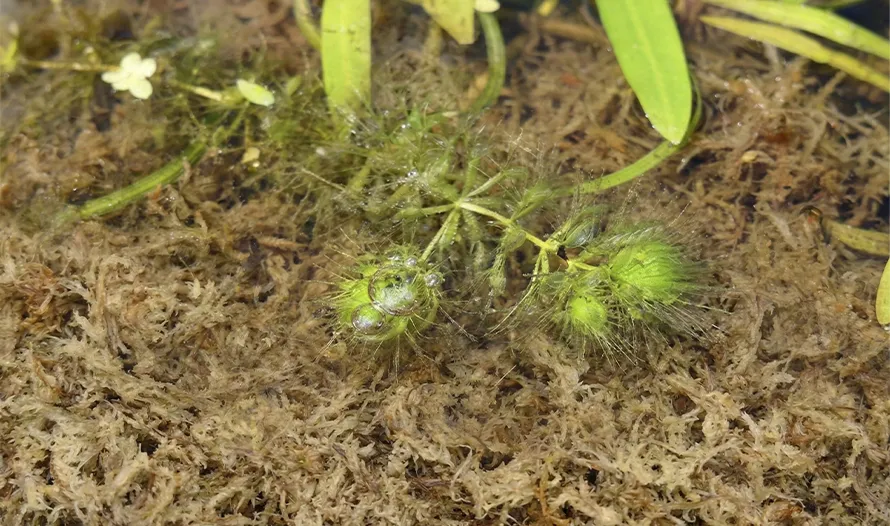
sphagnum moss long fiber


Aldrovanda
JERWTLU Sphagnum Moss for Aldrovanda
Why is sphagnum peat moss not very suitable as a plant substrate?

According to the assessment, sphagnum peat moss has relatively poor sustainability, which may affect its long-term use. In comparison, sphagnum moss and coco coir perform better in terms of sustainability and are more suitable as plant substrates.

Why is sphagnum peat moss not very suitable as a plant substrate?
What does 21 QT mean in your description?

When you get the compress moss that's just 9.16 X 6 X 0.55 inches, don’t let its small size fool you. It’s actually made from a whopping 21 QT of Natural Sphagnum Moss, all packed into a lightweight 6 OZ.

What does 21 QT mean in your description?
Discovering Jerwtlu's Sphagnum Moss Where It Grows and Its Growth Cycle

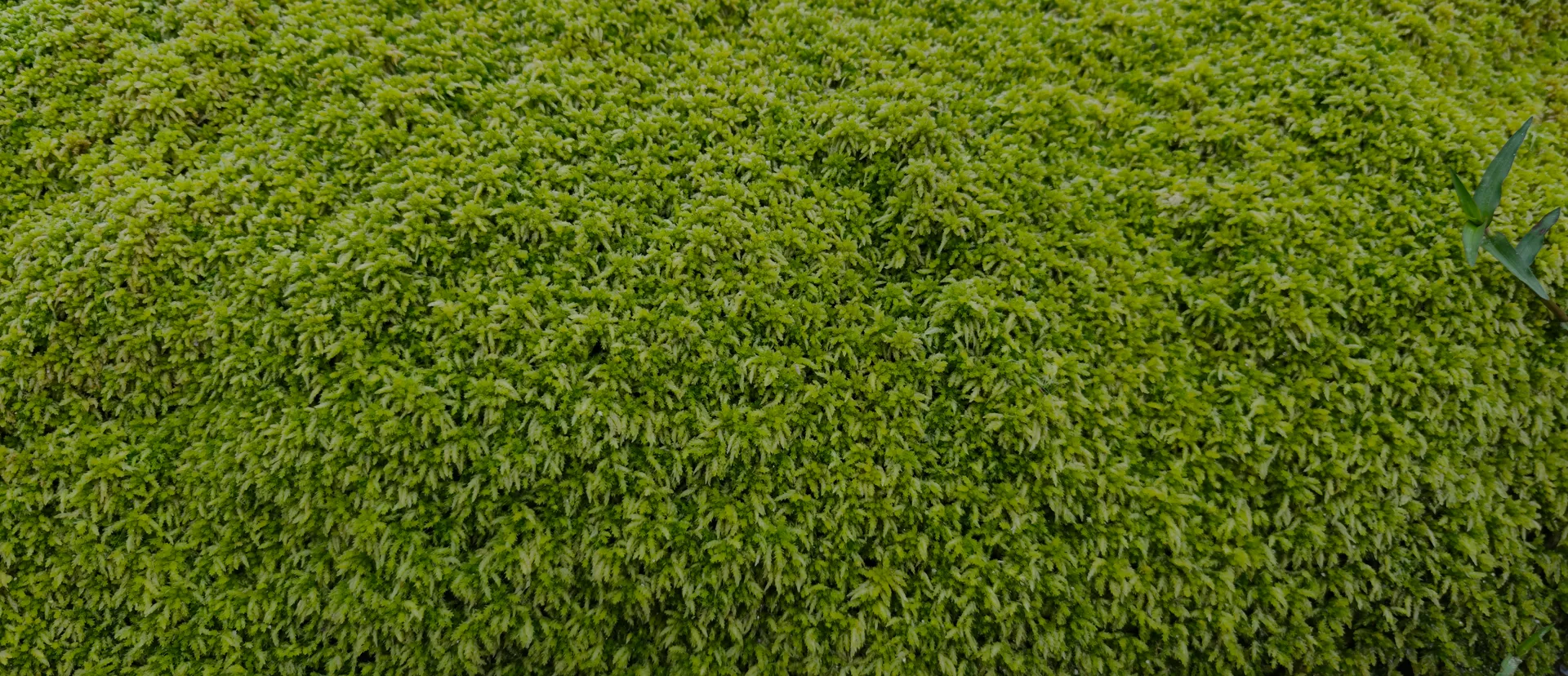
In this video, we will explore the origins of high-quality Jerwtlu's Sphagnum Moss. Join us as we take you to the natural habitats where this moss thrives and discuss the unique conditions that contribute to its quality. We'll also cover the growth cycle of Sphagnum Moss, from its early stages to full maturity. Learn how understanding its growth process can enhance your gardening and plant care practices. Don't miss this chance to deepen your knowledge about this incredible natural resource!


Discovering Jerwtlu's Sphagnum Moss Where It Grows and Its Growth Cycle
Vacuum Compression Packaging: Enhancing Quality and Logistics for Growers

vacuum-compression-packaging.png


Our Jerwtlu Compressed Sphagnum Moss is made from 100% natural materials and grown using natural fertilizers, ensuring the high quality of the product. We are very strict in selecting fresh sphagnum moss, sun-dried to remove moisture and rigorously screened to eliminate impurities. The main purpose of compression packaging is to protect the quality of the sphagnum moss during transportation and avoid contact with air. By vacuum-sealing the packaging, we are able to effectively maintain the freshness of the sphagnum moss and prevent air from entering to the greatest extent, thus avoiding oxidation and quality degradation. Although there may be a slight plant odor during transportation, the smell is natural and not unpleasant.


Compressed packaging makes it easier to transport and store sphagnum moss, as the compressed volume is significantly reduced, saving transportation space and reducing logistics costs. This is very important for both retailers and consumers, as they can manage inventory and shipping more efficiently. Additionally, compressed packaging makes sphagnum moss easier to store, allowing consumers to save space at home. Our specially designed packaging protects the structure and properties of sphagnum moss by avoiding excessive pressure during compression. Each batch of sphagnum moss undergoes rigorous screening before packaging to ensure that it is free from impurities and undesirable components. While the compacted sphagnum moss may appear smaller in appearance, we want to assure you that the weight and quantity remain the same. Our technology upgrades allow us to compress sphagnum moss more tightly, resulting in a more compact package while maintaining the same volume, meaning consumers are not misled by the change in appearance when purchasing and still have access to the same amount of sphagnum moss as before purchase.


Compressed packaging also offers environmentally friendly benefits, and by reducing the space and materials required during transportation, we are able to lower our carbon footprint and reduce resource waste. Our packaging materials are also carefully selected to ensure that they can be easily recycled after use, in line with the concept of sustainability. In conclusion, choosing Sphagnum Moss in compression packaging not only effectively protects the quality of sphagnum moss but also improves transportation efficiency and user experience. We are committed to providing customers with fresh, high-quality sphagnum moss while ensuring that every customer can use our products satisfactorily through innovative packaging methods. In this way, we not only meet market demand but also contribute to environmental protection and sustainable development.


Vacuum Compression Packaging: Enhancing Quality and Logistics for Growers
How to Choose Between Sphagnum Moss, Coco Coir, and Sphagnum Peat Moss

In plant care,  choosing the right growing medium is often more important than fertilization . Different substrates vary significantly in water retention, aeration, pH level, and sustainability—each of which directly affects root health, growth rate, and overall plant vitality.


This guide provides a professional comparison of three commonly used growing media:

Sphagnum Moss ,  Coco Coir , and  Sphagnum Peat Moss , along with practical recommendations for proper use.


Sphagnum Moss


Ideal for High-Humidity and High-Aeration Environments


Sphagnum Moss is a natural, long-fiber moss widely used in professional horticulture due to its exceptional water-holding capacity and excellent airflow.


Key Characteristics


  • Water Retention : Extremely high; capable of absorbing multiple times its dry weight

  • Aeration : Excellent; loose fiber structure promotes healthy root respiration

  • pH Level : Slightly acidic to near neutral (approx. 4.5–6.5)

  • Nutrient Content : Very low, reducing the risk of fertilizer burn


Best Uses


  • Orchids and carnivorous plants

  • Propagation and cuttings

  • Moss poles

  • Plants requiring consistently high humidity


Care Tips


  • Not recommended as a long-term, stand-alone medium for most foliage plants

  • Replace periodically to prevent compaction and degradation

  • Use with diluted fertilizer applied in small, regular doses


Coco Coir


A Sustainable, Stable, and Versatile Growing Medium


Coco Coir , derived from coconut husk fibers, is one of the most sustainable and widely used growing media today. It is suitable for both beginners and experienced growers.


Key Characteristics


  • Water Retention : Moderate to high (approximately 60–70%)

  • Aeration : Good; maintains structure over time without compacting

  • pH Level : Near neutral (approx. 5.5–6.8)

  • Sustainability : Highly renewable and environmentally friendly


Advantages


  • Naturally low in nutrients but has  good cation exchange capacity (CEC) , allowing it to retain added fertilizers effectively

  • Resists soil acidification

  • Ideal for blending with perlite, bark, or other amendments


Important Notes


  • Rinse thoroughly before use to reduce excess salts

  • Supplement with calcium and magnesium

  • Requires a consistent fertilization program when used alone


Sphagnum Peat Moss


A Specialized Medium for Acid-Loving Plants


Sphagnum Peat Moss  is formed from decomposed plant material over thousands of years. Its strong acidity and moisture retention make it essential for certain plant species.


Key Characteristics


Water Retention : High, though it may compact when overly wet

Aeration : Moderate; best improved by mixing with coarse materials

pH Level : Strongly acidic (approx. 3.0–4.5)

Sustainability : Low; non-renewable resource


Best Suited For


Blueberries

Azaleas

Hydrangeas

Other acid-loving plants


Care Tips


  • Always mix with perlite, bark, or similar amendments

  • Not suitable for most general indoor plants

  • Consider environmental impact and local regulations when using peat


How to Choose the Right Growing Medium


Growing Need      Recommended Medium
High humidity & superior aerationSphagnum Moss
Long-term, eco-friendly, general useCoco Coir
Acid-loving plants  Sphagnum Peat Moss


Final Thoughts


  • There is  no universal growing medium—only the most suitable one

  • Prioritize aeration in high-moisture environments

  • Choose stable substrates for long-term cultivation

  • Use peat moss only when acidity is specifically required


Understanding the unique properties of each growing medium will significantly reduce maintenance challenges and improve plant health and longevity.


How to Choose Between Sphagnum Moss, Coco Coir, and Sphagnum Peat Moss
Vacuum Compression Packaging

Freshly harvested moss is sun-dried, rigorously cleaned, and vacuum-sealed to lock out air, prevent oxidation, and preserve freshness from plantation to your door. Compression dramatically reduces volume for easier shipping and storage while guaranteeing the exact same weight and rehydrated volume. Eco-friendly design lowers transport emissions and uses recyclable materials – premium quality delivered smarter and greener.


Know More About Jerwtlu Compression Packaging

Vacuum Compression Packaging
Nepenthes

Bring out the best in your Nepenthes with JERWTLU Sphagnum Moss. Designed to retain consistent moisture while allowing roots to breathe, it creates the ideal environment for vigorous growth and stunning pitcher development.


sphagnum moss for nepenthes


Optimal Hydration: Holds water evenly, keeping roots consistently moist without waterlogging.


sphagnum moss for nepenthes


Healthy Roots, Thriving Plants: Fibrous structure promotes aeration and reduces risk of root stress.


sphagnum moss for nepenthes


Versatile Use: Perfect for terrariums, hanging baskets, and vertical setups—supports cuttings, young plants, and mature Nepenthes alike.


sphagnum moss for nepenthes


Clean & Reliable: Naturally anti-bacterial and anti-fungal, helping maintain a healthy, low-maintenance growing environment.


sphagnum moss for nepenthes


Choose JERWTLU Sphagnum Moss for a hassle-free substrate that boosts growth, enhances pitcher production, and keeps your Nepenthes looking vibrant and healthy.


sphagnum moss for nepenthes


Nepenthes
JERWTLU Sphagnum Moss for Nepenthes
What is the pH value of sphagnum moss?

The pH value of sphagnum moss is neutral, which is quite suitable for the growth of a wide range of plants. However, the pH value of sphagnum peat moss is more acidic, ranging from 3.0 to 4.5, and may need to be adjusted to be suitable for certain plants.

What is the pH value of sphagnum moss?
Production Process of Jerwtlu Sphagnum Moss
live sphagnum moss for sale
What species do you process?

We specialize in processing long-fiber sphagnum moss.

What species do you process?
​The Risks of Using Low-Quality Sphagnum Moss and How to Prevent Them

Sphagnum moss is widely used in plant cultivation, propagation, and animal habitats due to its excellent water retention and aeration properties. However, not all sphagnum moss is safe or suitable for use.

Low-quality or poorly processed sphagnum moss can pose serious risks to both plant health and animal safety.

This guide explains the potential problems caused by inferior sphagnum moss and outlines professional measures to ensure safe and effective use.


Risks of Low-Quality Sphagnum Moss for Plants

1. Root Rot

When sphagnum moss is moldy or retains excessive moisture:

The fibrous structure becomes compacted

Oxygen availability to the roots is reduced

The risk of root rot increases significantly

Prolonged oxygen deprivation can severely damage root systems and ultimately lead to plant decline or death.

2. Disease Transmission

Contaminated or moldy sphagnum moss may harbor:

Fungal pathogens

Bacterial organisms

These pathogens can enter plants through the root system, resulting in:

Slowed growth

Leaf discoloration

Increased susceptibility to disease

3. Impaired Nutrient Absorption

Mold growth can coat sphagnum fibers and interfere with:

Water movement

Nutrient uptake

As a result, plants may exhibit poor growth even when watering and fertilization practices appear adequate.


Potential Hazards of Low-Quality Sphagnum Moss for Animals

Low-quality sphagnum moss presents heightened risks in animal enclosures, especially for reptiles, amphibians, and small mammals.

1. Respiratory Issues

Mold spores and volatile organic compounds (VOCs) may be released into the air

These airborne contaminants can cause respiratory irritation or infection

Sensitive species are particularly vulnerable

2. Allergic Reactions

Some animals may develop allergic responses to mold or its byproducts, including:

Skin irritation or itching

Behavioral changes

Difficulty breathing

3. Ingestion Risks

If animals accidentally ingest moldy sphagnum moss:

Digestive discomfort may occur

In severe cases, toxicity or poisoning is possible

3. Professional Improvement and Prevention Measures


To ensure sphagnum moss is safe for both plants and animals, the following professional handling practices are recommended:

1. Post-Harvest Cleaning

Thoroughly clean sphagnum moss after harvesting

Remove debris, organic residues, and potential contaminants

Reduce the likelihood of mold development during storage

2. Controlled Drying

Sun-dry or air-dry sphagnum moss for at least 48 hours

Turn the moss regularly to promote even evaporation

Target a moisture content below 15% to effectively inhibit mold growth

3. Sealed Storage

Store sphagnum moss in vacuum-sealed or high-barrier packaging

Limit exposure to air and humidity

Preserve fiber structure and extend shelf life

4. Best-Practice Care Summary

Avoid sphagnum moss with musty odors, gray discoloration, or clumping

  • Rinse and rehydrate properly before use

  • Replace moss periodically in long-term applications

  • Apply stricter quality standards for animal habitats

High-quality sphagnum moss is essential for safety and performance.

Proper selection, storage, and maintenance will significantly improve plant health and protect animal well-being.


​The Risks of Using Low-Quality Sphagnum Moss and How to Prevent Them
Maintain Humidity

Sphagnum moss is known for its excellent moisturizing properties, making it ideal for nurturing plants and creating optimal growing conditions. This unique moss plant is capable of absorbing and storing significant amounts of water, which is essential for maintaining humidity levels in various environments. For example, when growing orchids, using sphagnum moss as a substrate can significantly increase the growth rate of the plant. After trying sphagnum moss, a gardening enthusiast noticed a 30% increase in orchid flowering and a two-week extension in flowering period.


When used in potting mixes or as a substrate, sphagnum moss is able to create nutrient-rich soil structures that support healthy root development. Its moisturizing ability helps prevent plants from drying out, ensuring that they receive consistent moisture. This is especially beneficial for plants that prefer moist environments, such as ferns and climbers. For example, a plant enthusiast who used sphagnum moss to grow climbing plants found that the plant's leaves were greener and their growth rate increased by 20%. Additionally, the water retained in sphagnum moss can help create a microclimate that supports healthy plant growth, making it an essential component for plant enthusiasts looking to cultivate a thriving garden.

Maintain Humidity
Cephalotus

Imagine a substrate that feels as close to a Cephalotus’ natural bog as possible—consistently damp, airy, and free of excess nutrients. JERWTLU Sphagnum Moss brings that vision to life. Its unique structure holds moisture where your plants need it, while letting air circulate freely, reducing the risk of root or crown rot.


sphagnum moss supplies


Whether you are repotting young pitchers, dividing established plants, or nurturing a delicate specimen, the moss gently supports roots and encourages steady, healthy growth. Over time, it helps your Cephalotus thrive, producing robust pitchers and a resilient root system without the stress of stagnant or overly rich soil.


sphagnum moss supplies


With JERWTLU Sphagnum Moss, every plant enjoys a stable, low-maintenance environment that mirrors its natural habitat—making it easier to achieve lush, vibrant, and long-lasting Cephalotus cultivation.


sphagnum moss supplies


sphagnum moss supplies


Cephalotus
JERWTLU Sphagnum Moss for Cephalotus
How is the moss dried and sterilized?

Jerwtlu sphagnum moss is sun-dried for a minimum of 10 hours and sterilized through multiple irradiation processes during growth to remove weeds and ensure cleanliness.

How is the moss dried and sterilized?
How to Identify High- vs. Low-Quality Sphagnum Moss


A Professional Buyer & Care Guide


Sphagnum moss is widely used in plant cultivation, propagation, and animal habitats due to its exceptional moisture retention and aeration. However,  quality varies dramatically  between products. Using low-quality sphagnum moss can lead to plant disease, root rot, and serious health risks for animals.


This guide outlines  clear, professional criteria  to help you distinguish  high-quality sphagnum moss  from inferior or unsafe material—before and after purchase.

Visual Inspection (First and Most Reliable Check)

High-Quality Sphagnum Moss


  • Light yellow, pale green, or natural blonde coloration

  • Long, intact fibers with visible elasticity

  • Minimal dust or debris

  • Fibers remain fluffy when hydrated


Low-Quality Sphagnum Moss


  • Gray, dark brown, or blackened areas

  • Short, broken, or powdery fibers

  • Excessive dust, soil, or organic residue

  • Matted or clumped appearance when wet


Tip:  Dark coloration often indicates aging, oxidation, or microbial contamination.


Odor Test (Critical for Safety)

High-Quality


  • Neutral or slightly earthy smell

  • No sharp, sour, or musty odors


Low-Quality


  • Moldy, sour, or ammonia-like smell

  • Indicates fungal growth or improper drying/storage


Never use sphagnum moss with a musty smell , especially in animal enclosures.


Fiber Structure & Texture

High-Quality


  • Long-fiber strands (not shredded)

  • Springy texture when squeezed

  • Returns to shape after compression


Low-Quality


  • Crumbly or mushy texture

  • Breaks easily when handled

  • Compresses into dense clumps


Healthy fiber structure ensures oxygen availability for roots and reduces rot risk.


Moisture Content (Before Packaging)

High-Quality


  • Dry to the touch before hydration

  • Moisture content typically  below 15%

  • No condensation inside packaging


Low-Quality


  • Damp or sticky before use

  • Visible moisture inside bag

  • Higher likelihood of mold development


Excess moisture during storage is the primary cause of fungal contamination .


Cleanliness & Processing Standards

High-Quality


  • Cleaned after harvesting

  • Minimal foreign matter (sticks, leaves, soil)

  • Uniform texture and color


Low-Quality


  • Visible organic debris

  • Uneven texture and coloration

  • Signs of poor harvesting or handling


Packaging Quality

High-Quality


  • Vacuum-sealed or airtight packaging

  • Clear labeling (origin, processing method)

  • Protection from air and humidity


Low-Quality


  • Loose, breathable, or damaged bags

  • No quality or processing information

  • Exposure to moisture and oxygen


Packaging is often a direct reflection of product standards .


Performance Test (After Hydration)

High-Quality


  • Expands evenly when soaked

  • Retains moisture while remaining airy

  • Drains excess water efficiently


Low-Quality


* Becomes slimy or compacted

* Retains too much water with poor drainage

* Loses structure quickly


Safety Considerations for Animal Use

Only premium-grade sphagnum moss  should be used for:


  • Reptiles

  • Amphibians

  • Small mammals


Low-quality moss may release:


  • Mold spores

  • Volatile organic compounds (VOCs)

  • Toxins if ingested


Quick Comparison Table

Feature
High-Quality
Low-Quality
Color
Light, natural
Dark, gray, uneven
Smell
Neutral, earthy
Musty, sour
Fibers
Long, elastic
Short, brittle
Moisture
Dry, stable
Damp, sticky
Mold Risk
Very low
High
Animal Safe
Yes (when clean)
No


Final Expert Advice

  • Always inspect sphagnum moss before use

  • Never ignore odor or discoloration

  • Store unused moss in a cool, dry, sealed environment

  • Replace moss regularly in long-term setups


High-quality sphagnum moss is an investment in plant vitality and animal safety.


How to Identify High- vs. Low-Quality Sphagnum Moss
Contact Us

Your Trusted Source for High-Altitude, Mineral-Rich Sphagnum Moss

Contact Us
GET IN TOUCH
Heliamphora

For Heliamphora growers, JERWTLU Sphagnum Moss is a dependable choice that simply works. It provides the steady moisture and airflow balance that Heliamphora need, without the constant worry of waterlogging or root issues.


sphagnum moss for indoor plants


The moss stays evenly damp for long periods, making it especially useful in highland terrariums where humidity and temperature stability matter. Even when fully saturated, it remains light and airy, helping roots breathe while keeping conditions consistently moist.


sphagnum moss for indoor plants


JERWTLU Sphagnum Moss is also a favorite for repotting and dividing plants. Its soft, fibrous texture gently supports delicate roots, allowing new growth to establish smoothly. Many hobbyists use it on its own or as a top layer to fine-tune moisture levels around the plant.


sphagnum moss for indoor plants

Heliamphora
JERWTLU Sphagnum Moss for Heliamphora
Videos of Sphagnum Moss
What compression ratios do you offer?

We offer a 48× compression ratio. For example, a compressed block measuring just 9.16 × 6 × 0.91 inches may look small, but it expands to approximately 34 quarts of natural Sphagnum Moss, all packed into a lightweight 10 oz unit.

What compression ratios do you offer?
Professional Phalaenopsis Orchid Care Guide

Initial Management After Receiving New Plants

  • After receiving a newly purchased Phalaenopsis orchid plant, do not water it immediately. The plant needs time to acclimate to the new environment. Check the moisture level of the moss media by touch - if it still feels somewhat damp, watering is not yet necessary. Wait until the moss is completely dry before watering again.


Light and Temperature Requirements

  • Phalaenopsis orchids prefer a warm, partially shaded environment. Their ideal growth temperature range is 15-30°C (59-86°F). Temperatures below 10°C (50°F) will cause growth to stall, and below 5°C (41°F) can lead to cold damage. Place the plant in a spot indoors with filtered sunlight, avoiding direct bright light.


Potting Media and Repotting

  • Phalaenopsis orchids should not be planted in regular soil, as soil can become compacted and promote bacterial growth, which is detrimental to the plant. Use well-draining sphagnum moss as the potting medium. When repotting, the entire plant can be transferred to the new pot along with the moss.


Fertilization Management

  • During the flowering period, avoid applying any chemical fertilizers, as this can accelerate flower senescence. At other times, you can use a diluted liquid fertilizer, mixing it with water at a ratio of 1:1000.


Troubleshooting Common Issues

  • Yellowing leaves: Lower leaves naturally yellowing is a normal growth process and not a major concern.

  • Leaf splitting: This is often a varietal characteristic. You can use clips to stabilize the splits, which will heal as the plant grows.

  • Leaf wrinkling: This can be remedied by watering the plant.

  • Root rot: Root loss is a normal part of the growth cycle. Dried, decayed roots will shed, and new roots will emerge.

  • Excessive aerial roots: As an epiphytic orchid, abundant aerial roots indicate healthy, vigorous growth. You can prune them back or tuck them into the pot if desired.


In summary, by mastering the key care aspects of light, temperature, watering, and fertilization for Phalaenopsis orchids, and promptly addressing any problems that arise, you can ensure these beautiful flowers thrive and bloom for an extended period.


Professional Phalaenopsis Orchid Care Guide
Search Result
Search Result
Bromeliads

If you grow bromeliads, JERWTLU Sphagnum Moss is an easy, no-fuss option that fits naturally into their care routine. Many Bromeliads prefer moisture around the roots without sitting in heavy soil, and this is exactly where sphagnum moss shines.


sphagnum moss peat moss


The moss stays lightly damp while remaining loose and breathable, helping roots stay hydrated without feeling soggy. This makes it especially useful in warm, humid setups where traditional potting mixes can break down or hold too much water.


sphagnum moss peat moss


For terrariums and mounted displays, JERWTLU Sphagnum Moss works especially well. Bromeliads can be attached or planted directly into the moss, where roots naturally grip and draw moisture from the surrounding air and fibers—no dense substrate required.


sphagnum moss peat moss


Simple to use, clean in appearance, and reusable, JERWTLU Sphagnum Moss is a practical choice for growers who want healthy bromeliads with minimal maintenance and maximum visual impact.


Bromeliads
JERWTLU Sphagnum Moss for Bromeliads
Review & Comments
Review & Comments
What are your minimum order quantities (MOQ)?

There is no minimum order quantity required.

What are your minimum order quantities (MOQ)?
Sitemap
Sitemap
Cobra Lilies

Designed for demanding carnivorous plants such as Cobra Lily, JERWTLU Sphagnum Moss delivers a refined balance of moisture control, cleanliness, and aeration. Its naturally resilient fibers create a cool, breathable root environment that supports long-term stability in even the most sensitive species.


sphagnum moss rooting


The moss retains ample moisture without becoming dense or stagnant, helping maintain root-zone conditions that closely align with the Cobra Lily’s native seepage habitats. This promotes steady root performance while reducing the risks associated with heat buildup and poor airflow.


sphagnum moss rooting


Suitable for use as a standalone substrate or within premium bog-style mixes, JERWTLU Sphagnum Moss offers reliable structure, easy establishment, and consistent performance over time. It is an essential choice for growers seeking precision, control, and uncompromising quality in Cobra Lily cultivation.


sphagnum moss rooting


sphagnum moss rooting


Cobra Lilies
JERWTLU Sphagnum Moss for Cobra Lilies
FAQs of Jerwtlu Sphagnum Moss
Can you private-label or custom-pack?

Yes. We offer private labeling and custom packaging tailored to your specific needs.

Can you private-label or custom-pack?
404

    404


The page you're looking for couldn't be found.

It looks like this was the result of either a mistyped address, or an out-of-date bookmark.

Jerwtlu is your trustworthy sphagnum moss manufacturer. Click to know more.

404
Genlisea

Genlisea cultivation systems, the substrate serves primarily as a passive control element rather than a nutrient source. JERWTLU Sphagnum Moss is chosen for this role due to its reliable physical properties under saturated conditions.


sphagnum moss what is it


This material retains its structural integrity when fully hydrated, forming a stable matrix that resists collapse, compaction, and channel blockage. Water is evenly distributed throughout the fiber network, while interstitial air spaces remain intact, facilitating continuous gas exchange at the micro-scale.


sphagnum moss what is it


For Genlisea, which relies on delicate subterranean trapping structures instead of true roots, this consistency is crucial. The moss provides mechanical support without imposing restrictions, allowing underground organs to expand freely without abrasion or compression.


sphagnum moss what is it


In controlled cultivation settings, propagation trays, or experimental setups, JERWTLU Sphagnum Moss acts as a stable, inert medium—supporting biological processes without introducing variability.


Genlisea
JERWTLU Sphagnum Moss for Genlisea
What certifications do you carry?

We provide irradiation certificates, SGS inspection reports, and moisture analysis reports upon request.

What certifications do you carry?
Privacy Policy

This privacy policy describes how we handle your personal information. By using https://www.top1moss.com/ (the "Site") you consent to the storage, processing, transfer, and disclosure of your personal information as described in this privacy policy.


Collection

You may browse this Site without providing any personal information about yourself. However, to receive notifications, updates, or request additional information about https://www.top1moss.com/ or this Site, we may collect the following information:

Name, contact information, email address, company, and user ID; correspondence sent to or from us; any additional information you choose to provide; and other information from your interaction with our Site, services, content, and advertising, including computer and connection information, statistics on page views, traffic to and from the Site, ad data, IP address, and standard web log information.

If you choose to provide us with personal information, you consent to the transfer and storage of that information on our servers located in the United States.


Use

We use your personal information to provide you with the services you request, communicate with you, troubleshoot problems, customize your experience, inform you about our services and Site updates and measure interest in our sites and services.

Like many websites, we use "cookies" to enhance your experience and gather information about visitors and visits to our websites. Please refer to the "Do we use 'cookies?" section below for information about cookies and how we use them.


Disclosure

We don't sell or rent your personal information to third parties for their marketing purposes without your explicit consent. We may disclose personal information to respond to legal requirements, enforce our policies, respond to claims that a posting or other content violates others' rights, or protect anyone's rights, property, or safety. Such information will be disclosed in accordance with applicable laws and regulations. We may also share personal information with service providers who help with our business operations, and with members of our corporate family, who may provide joint content and services and help detect and prevent potentially illegal acts. Should we plan to merge or be acquired by another business entity, we may share personal information with the other company and will require that the new combined entity follow this privacy policy with respect to your personal information.


Access

You may access or update the personal information you provided to us at any time by contacting us at https://www.top1moss.com/.


Security

We treat information as an asset that must be protected and use lots of tools to protect your personal information against unauthorized access and disclosure. However, as you probably know, third parties may unlawfully intercept or access transmissions or private communications. Therefore, although we work very hard to protect your privacy, we do not promise, and you should not expect that your personal information or private communications will always remain private.


General

We may update this policy at any time by posting amended terms on this site. All amended terms automatically take effect 30 days after they are initially posted on the site. For questions about this policy, please send an email to us.

Privacy Policy
How pure is the final product?

Each piece of moss is meticulously hand-picked and air-dried to ensure high purity, with minimal debris or sticks. Please note that, as a natural product, trace natural materials may still be present and cannot be completely avoided.

How pure is the final product?
Submission Successful!

Thanks for your inquiry! 

Jerwtlu is your trustworthy sphagnum moss manufacturer.

We will respond within 24 hours.

Submission Successful!
What is the shelf life?

Our jerwtlu compressed Sphagnum Moss is 100% natural and grown using natural fertilizers. Only fresh moss is selected, then sun-dried to remove excess moisture and carefully screened to eliminate impurities. The product is vacuum-sealed to prevent air exposure during transport and storage. When stored in a cool, dry place, it maintains stable quality for long-term storage. A slight natural plant odor may be present upon opening, but it is normal and not unpleasant.

What is the shelf life?
Taggg
Taggg
Do you test for heavy metals or pesticides?

Yes. Our moss is 100% natural and free from artificial additives. Heavy metal and pesticide testing is performed, and SGS test reports are available.

Do you test for heavy metals or pesticides?
Search Result Products
How fast can you scale production?

We have an annual production capacity of approximately 300 metric tons and maintain a regular inventory of 10–50 metric tons, allowing us to scale quickly and fulfill shipments at short notice.

How fast can you scale production?
Search Result Others
What is the rehydration expansion ratio?

Our 12 oz compressed Sphagnum Moss expands sufficiently to support up to 24 plantings in 5.7-inch pots after rehydration. While water absorption may vary slightly between packages, overall expansion performance remains consistent.

What is the rehydration expansion ratio?
Do you offer samples?

Samples are available upon request for testing and evaluation.

Do you offer samples?
Sphagnum Moss Manufacturer

In the plantations located at an altitude of 1,000 to 1,300 meters, about 50 acres are dedicated to the cultivation of Sphagnum Moss (peat algae). The region has a humid subtropical climate, with average annual temperatures between 16°C and 18°C, and high average humidity throughout the year, usually between 70% and 90%, making this humid environment ideal for the growth of peat algae. The summer climate is warm and humid, providing ideal conditions for peat algae to grow.

Explore More About Jerwtlu >
Air Plants and Tank Bromeliads (Tillandsia & Bromeliaceae) Care Guide
20 Feb 2026 Air Plants and Tank Bromeliads (Tillandsia & Bromeliaceae) Care Guide
Air plants and tank bromeliads belong to the Bromeliaceae family and originate from tropical rainforest environments. Known for their unique water-holding leaf centers, vibrant coloration, and minimal...
Learn More >
Professional Phalaenopsis Orchid Care Guide
14 Jan 2026 Professional Phalaenopsis Orchid Care Guide
Initial Management After Receiving New Plants After receiving a newly purchased Phalaenopsis orchid plant, do not water it immediately. The plant needs time to acclimate to the new environment. Check ...
Learn More >
How to Identify High- vs. Low-Quality Sphagnum Moss
14 Jan 2026 How to Identify High- vs. Low-Quality Sphagnum Moss
A Professional Buyer & Care GuideSphagnum moss is widely used in plant cultivation, propagation, and animal habitats due to its exceptional moisture retention and aeration. However, quality varie...
Learn More >
Golden Finger Planting Ltd.
Your Trusted Source for High-Altitude, Mineral-Rich Sphagnum Moss
Contact Us >
We use cookies on this site, including third party cookies, to delivery experiennce for you.
Accept Cookies
Read Privacy Policy