 English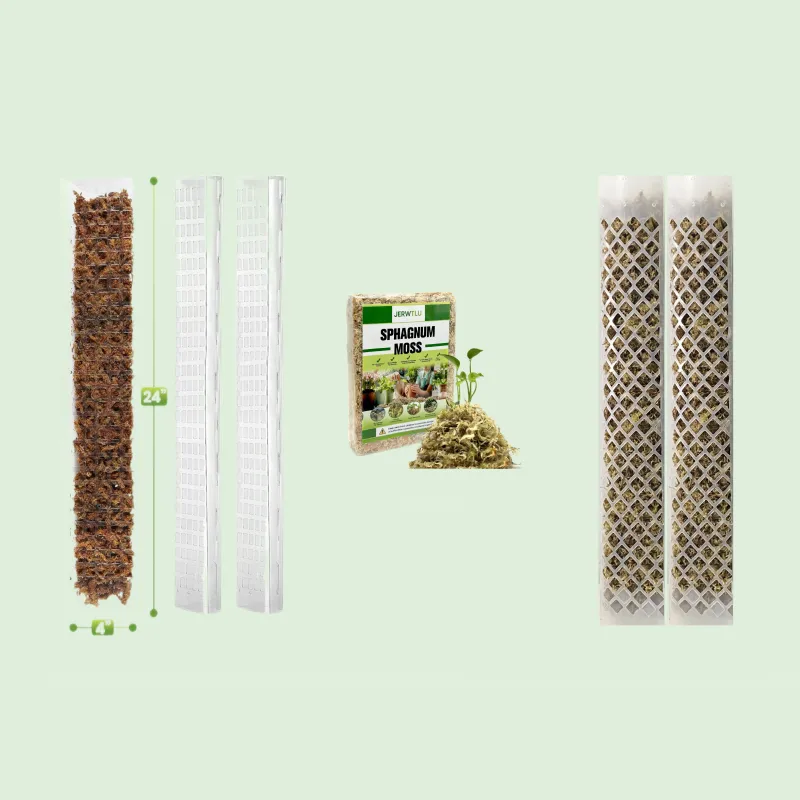
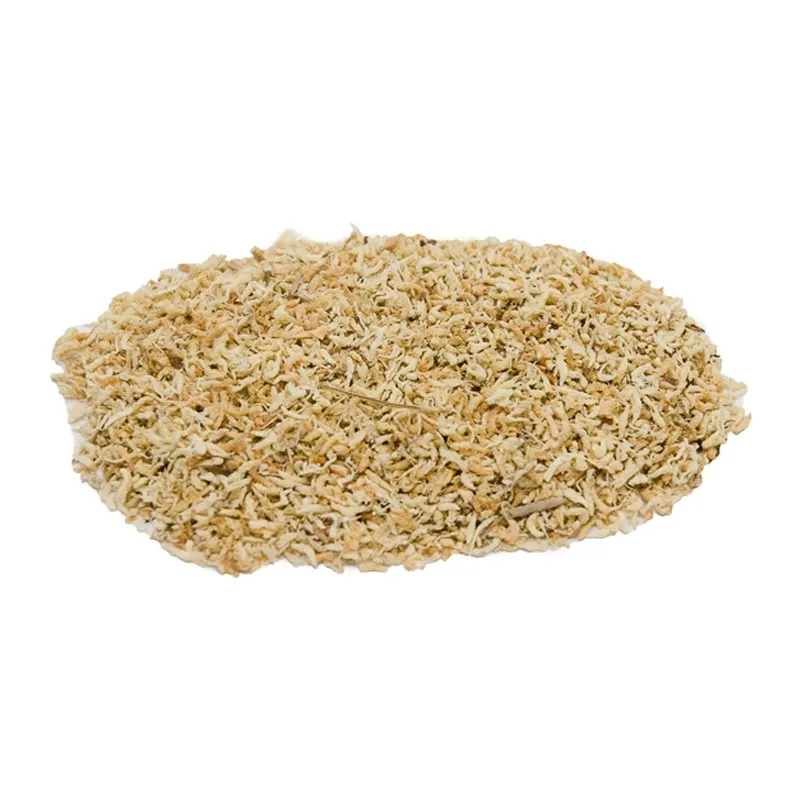
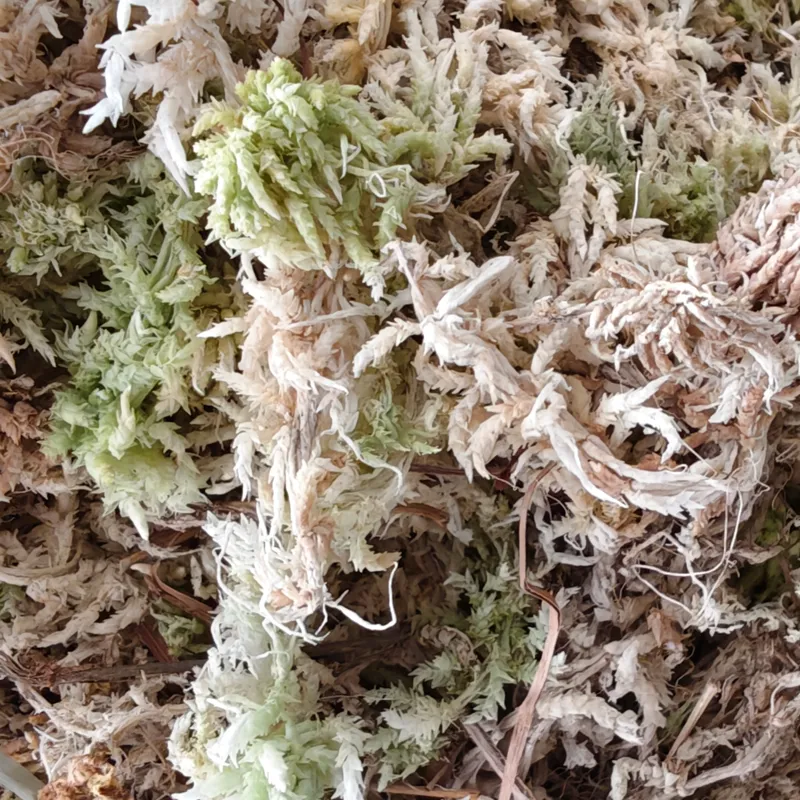
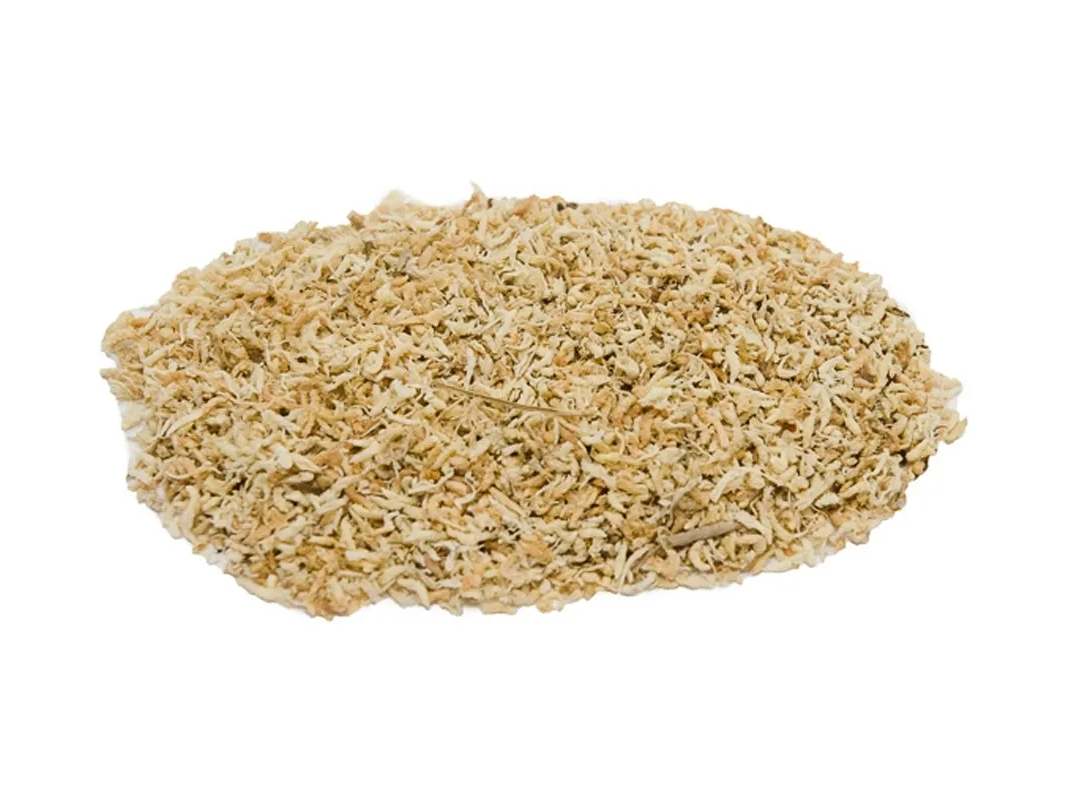
Long-fiber and milled sphagnum moss come from the same plant material, but their structure changes how they hold water, create air space and behave during potting. The best grade depends on the crop, ...
Learn More >
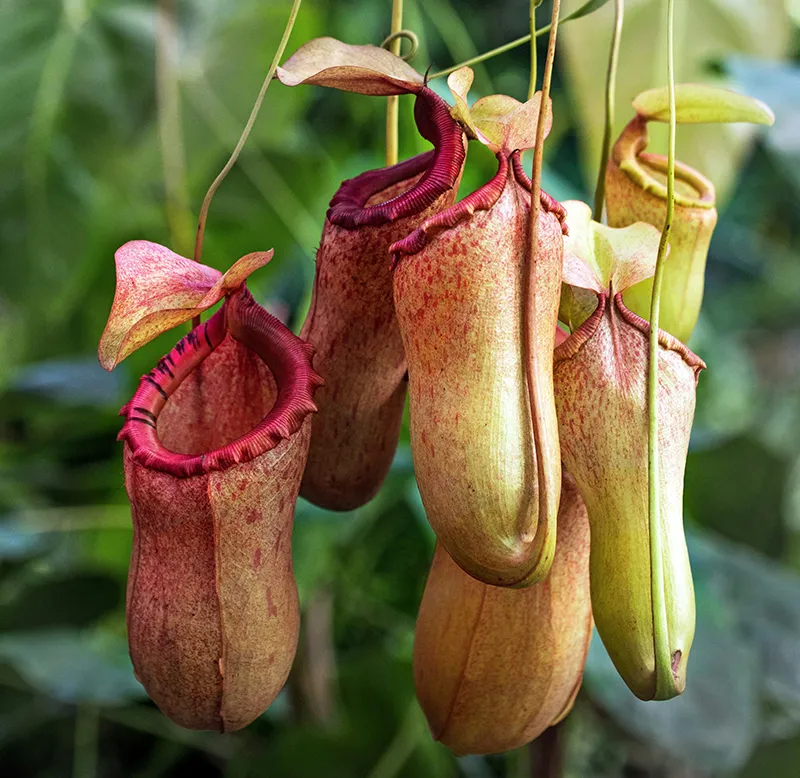
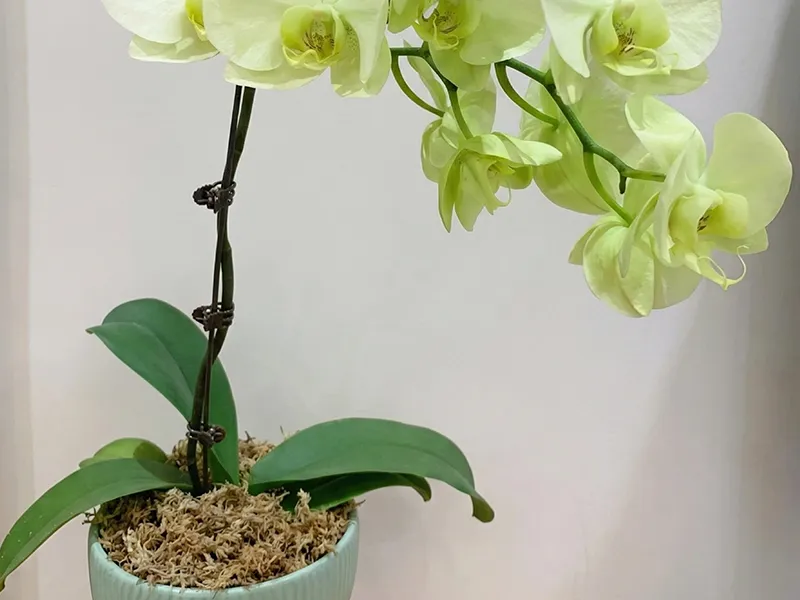
Sarracenia plants thrive best in nutrient-poor environments. The optimal potting mix is jerwtlu's Sphagnum Moss. This peat moss has excellent water retention, aeration, and low nutrient properties, making it ideal for Sarracenia's growth requirements. Regular garden soil is not recommended, as it typically contains too many nutrients, leading to overly vigorous growth and loss of the plant's characteristic features.
Sarracenia can be propagated through both seed and division:
Seed Propagation: Collect the seeds after they mature, then undergo a 2-3 month cold-moist treatment at 10-15°C. After treatment, sow the seeds on Jerwtlu's specialized Sarracenia Sphagnum Moss substrate and keep consistently moist. Germination takes 1-3 months.
Division: Carefully divide the rhizomes of mature Sarracenia plants, ensuring each division has sufficient roots and leaves. Transplant the divisions into new Jerwtlu's Sarracenia Sphagnum Moss substrate and maintain high humidity.
Sarracenia prefer high-humidity environments. Use the tray-watering method by placing the pot in a tray with 1-2 cm of water. Avoid letting the substrate dry out completely, as this can lead to plant death. Misting can also help increase humidity if the environment is too dry.
Sarracenia are light-loving plants and should be placed in bright locations, such as on a balcony or windowsill. The ideal light intensity is 6-8 hours of direct sunlight per day. Newly acquired plants can be acclimated in partial shade for 10-15 days before gradually increasing light exposure. Excessively strong sunlight may cause leaf reddening or desiccation, requiring some shading.
Sarracenia are highly sensitive to fertilizer concentration and cannot tolerate overly strong solutions. Use a 1/5 strength general-purpose liquid fertilizer, applying it 1-2 times per month. Excessive fertilization can lead to overly vigorous growth, causing the plant to lose its characteristic features.
Do not feed Sarracenia with human foods like meat or fish, as these are harmful to their digestive system. Occasional small insect prey, such as ants or mosquitoes, can be provided.
Maintain air humidity above 40-50%, using a humidity dome if necessary. Excessively dry environments will cause the plant to gradually desiccate.
Some leaf spotting or tip necrosis on new growth is normal and part of the plant's metabolism, not a cause for concern. Widespread leaf deterioration may indicate issues with lighting or watering.
If the plant exhibits poor growth, check for potential problems with over-fertilization or insufficient lighting.