 English
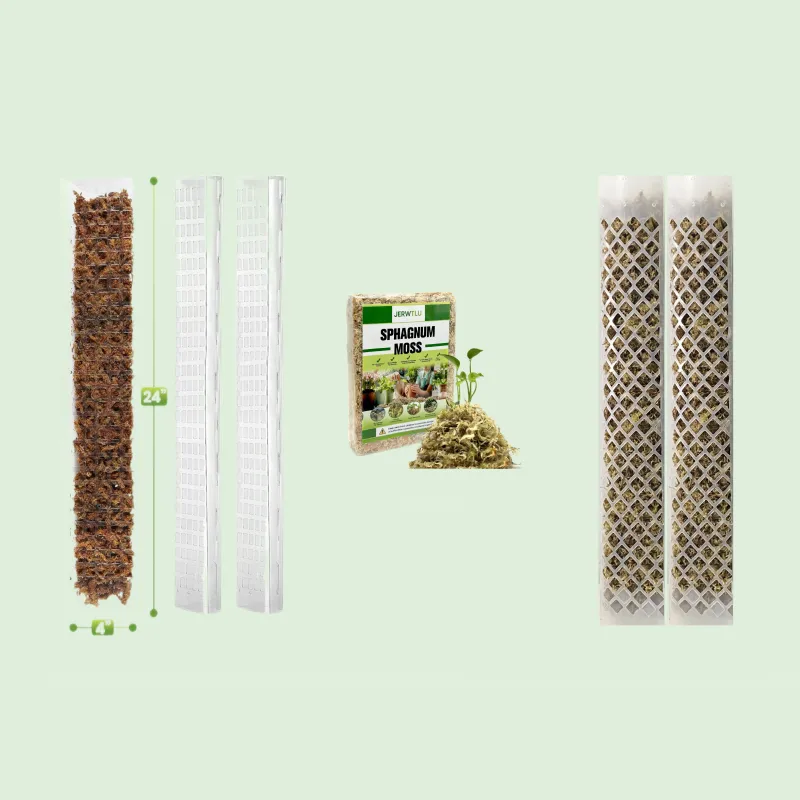
Drying and Compressing the MossBefore packaging, ensure the moss is fully dried and ready for compression:Weighing the Moss: Use a precise scale to weigh the dried moss. Aim for a specific weight that...
Learn More >
Nepenthes plants thrive best when planted in sphagnum moss. A suitable nepenthes sphagnum moss substrate provides excellent water retention, aeration, and resistance to decomposition - making it an ideal growing medium for these carnivorous plants.
When preparing sphagnum moss for nepenthes, make a small depression in the clean substrate and gently place the Nepenthes seedling/cutting into it, pressing lightly to secure it.
Water thoroughly to saturate the moss. Keep the substrate consistently moist, avoiding letting it dry out completely which can lead to plant wilting.
Choose a bright, well-ventilated location for planting. Nepenthes require ample light for proper growth and development.
New plantings may need an acclimation period. Initially, provide some shade for 10-15 days, then gradually increase light exposure as new leaves emerge.
Watering
Use the tray/saucer watering method. Place the planted pot in a tray and maintain a water level of 1-2 cm in the tray.
Utilize pure water sources like rainwater, distilled water, or purified bottled water. Avoid tap water or well water, as Nepenthes are sensitive to mineral content.
Keep the substrate consistently moist, never allowing it to dry out, to prevent plant dehydration fully.
Fertilizing
Nepenthes do not require heavy fertilization. A slow-release organic fertilizer like Osmocote can be mixed into the substrate to provide gentle, sustained nutrition.
Lighting
Nepenthes thrive in bright, indirect light. Placing them on a windowsill or patio is ideal.
New plantings may need partial shade for 10-15 days to acclimate, then gradually increase light exposure.
Avoid exposing Nepenthes to direct, intense sunlight which can damage the plants.
Regularly inspect plants and address any pest or disease issues promptly.
Pitcher wilting or inactivity is normal - with proper care, the plant will recover.
Maintain good hygiene practices and avoid contact with chemicals that could harm the plants.
Following this Nepenthes planting guide should help you successfully cultivate healthy, thriving pitcher plants. Please feel free to reach out if you have any further questions.
![[Production Process] Sphagnum Moss Compression and Vacuum Packaging](/uploads/image/20251124/sphagnum-moss-compression-and-vacuum-packaging.webp "[Production Process] Sphagnum Moss Compression and Vacuum Packaging")