 English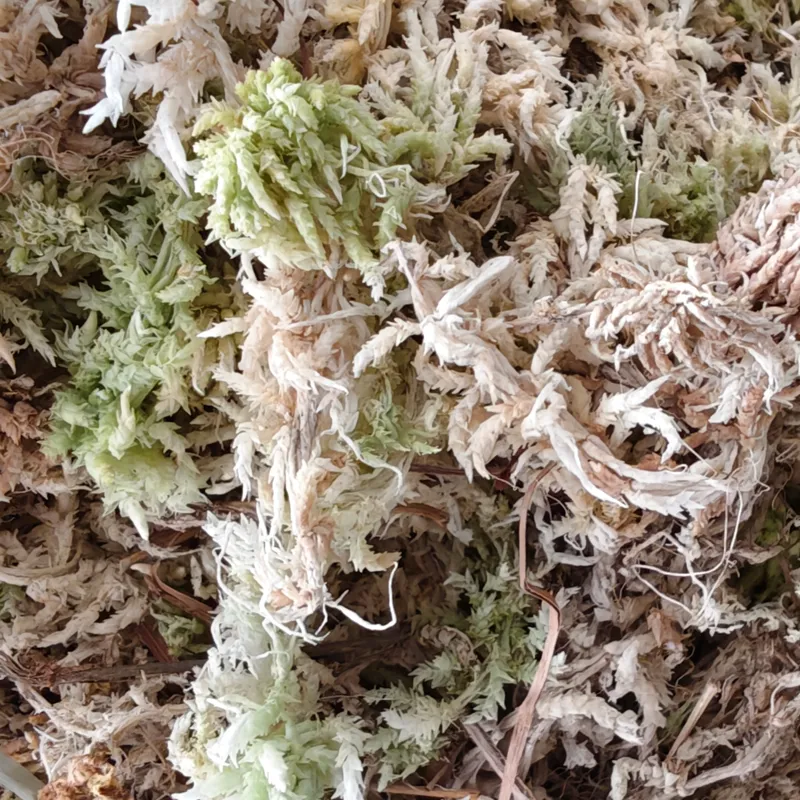

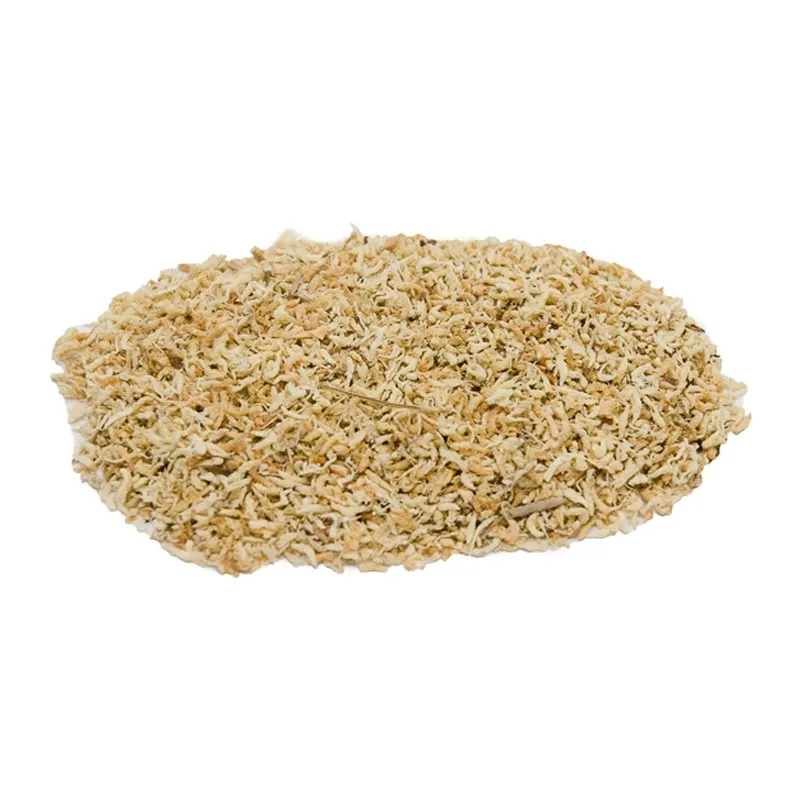

Drying the MossProper drying is essential to prevent mold and preserve the quality of the moss:Sunlight Exposure: Spread the cleaned moss in a single layer on a clean, flat surface (such as drying rac...
Learn More >
After receiving a newly purchased Phalaenopsis orchid plant, do not water it immediately. The plant needs time to acclimate to the new environment. Check the moisture level of the moss media by touch - if it still feels somewhat damp, watering is not yet necessary. Wait until the moss is completely dry before watering again.
Phalaenopsis orchids prefer a warm, partially shaded environment. Their ideal growth temperature range is 15-30°C (59-86°F). Temperatures below 10°C (50°F) will cause growth to stall, and below 5°C (41°F) can lead to cold damage. Place the plant in a spot indoors with filtered sunlight, avoiding direct bright light.
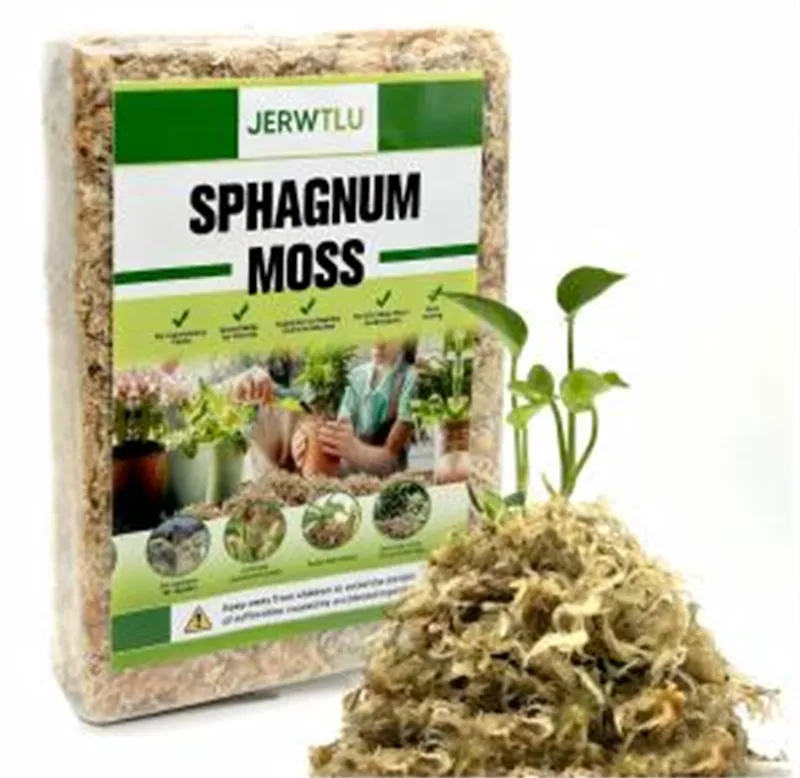
Phalaenopsis orchids should not be planted in regular soil, as soil can become compacted and promote bacterial growth, which is detrimental to the plant. Use well-draining sphagnum moss as the potting medium. When repotting, the entire plant can be transferred to the new pot along with the moss.
During the flowering period, avoid applying any chemical fertilizers, as this can accelerate flower senescence. At other times, you can use a diluted liquid fertilizer, mixing it with water at a ratio of 1:1000.
Yellowing leaves: Lower leaves naturally yellowing is a normal growth process and not a major concern.
Leaf splitting: This is often a varietal characteristic. You can use clips to stabilize the splits, which will heal as the plant grows.
Leaf wrinkling: This can be remedied by watering the plant.
Root rot: Root loss is a normal part of the growth cycle. Dried, decayed roots will shed, and new roots will emerge.
Excessive aerial roots: As an epiphytic orchid, abundant aerial roots indicate healthy, vigorous growth. You can prune them back or tuck them into the pot if desired.
In summary, by mastering the key care aspects of light, temperature, watering, and fertilization for Phalaenopsis orchids, and promptly addressing any problems that arise, you can ensure these beautiful flowers thrive and bloom for an extended period.
![[Production Process] Sphagnum Moss Drying and Humidity Checking](/uploads/image/20251124/sphagnum-moss-drying-and-humidity-checking.webp "[Production Process] Sphagnum Moss Drying and Humidity Checking")