 English
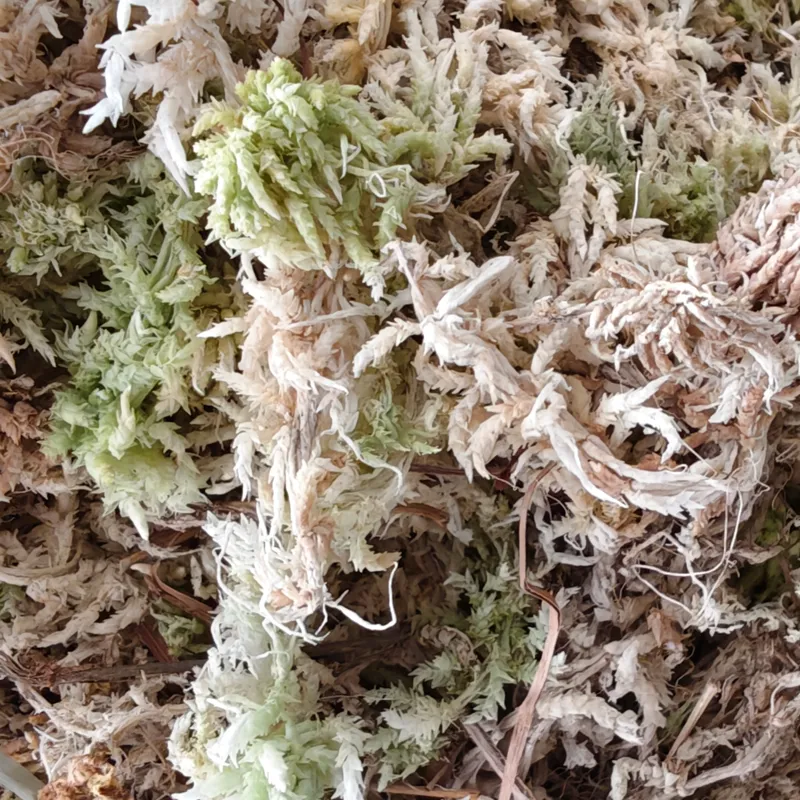

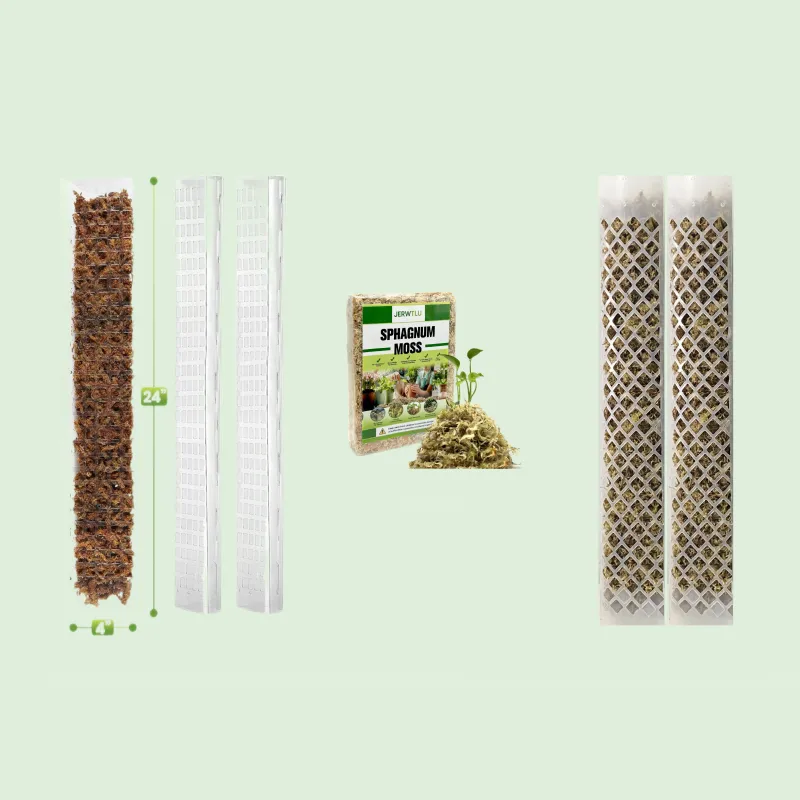
Air layering succeeds when a wounded or prepared section of stem stays moist long enough to produce roots while it is still attached to the parent plant. Sphagnum moss is well suited to this job becau...
Learn More >
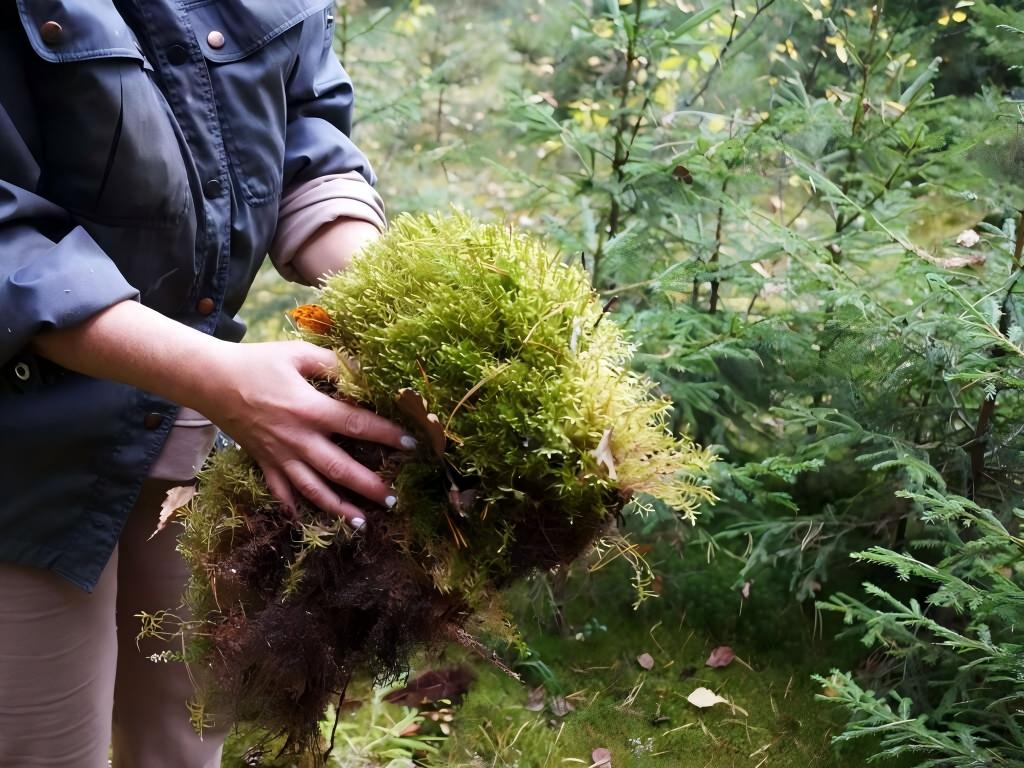
Optimal Growth Period: Wait until the moss has reached a growth period of three years. During this time, the moss develops its full potential, resulting in superior quality.
Weather Conditions: Choose a dry day for harvesting. Wet conditions can lead to difficulties in handling the moss and increase the risk of spoilage.
Before starting the harvesting process, gather the necessary tools:
Sharp Knife or Spade: Use a sharp knife or spade to cleanly cut the moss from its root base.
Gloves: Wear gloves to protect your hands and maintain cleanliness during the harvesting process.
Storage Containers: Prepare clean, breathable containers (such as baskets or mesh bags) to store the harvested moss.
Follow these steps to properly harvest the moss:
Identify the Harvesting Area: Locate areas where the moss has matured and is ready for harvest.
Cutting Technique: Gently pull up the moss from the root base using a sharp knife or spade. Ensure that you are cutting at the base to minimize damage to the roots, allowing the moss to regenerate for future harvesting.
Avoiding Damage: Be careful not to tear or damage the moss during the harvesting process, as this can affect its quality.
Once harvested, it’s important to clean the moss properly:
Removing Soil and Debris: Gently shake off excess soil and debris from the moss. If necessary, rinse the moss in clean, cool water to remove any remaining dirt.
Inspecting for Quality: During the cleaning process, inspect the moss for any signs of rot or damage. Remove any affected pieces to ensure only the best quality moss is kept.
To prevent spoilage, proper drying and storage techniques are essential:
Laying Flat: After cleaning, lay the moss flat on a clean, dry surface (such as a drying rack or a clean cloth). This helps to avoid compression and allows for even drying.
Avoiding Rot: Ensure the moss is spread out and not piled on top of itself, as this can lead to moisture retention and rot. Allow adequate airflow around the moss before drying process.