 English
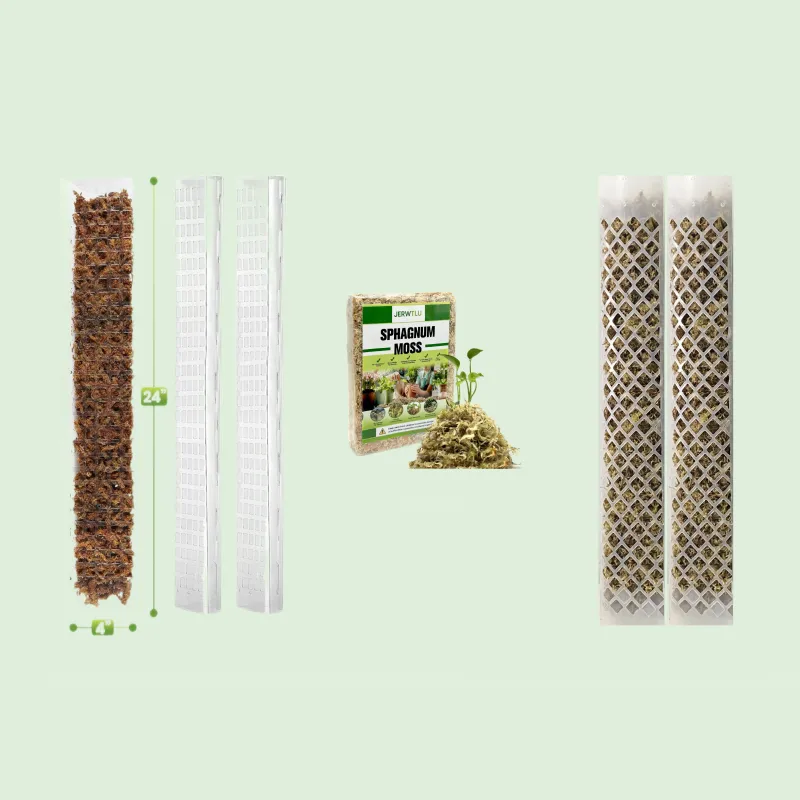
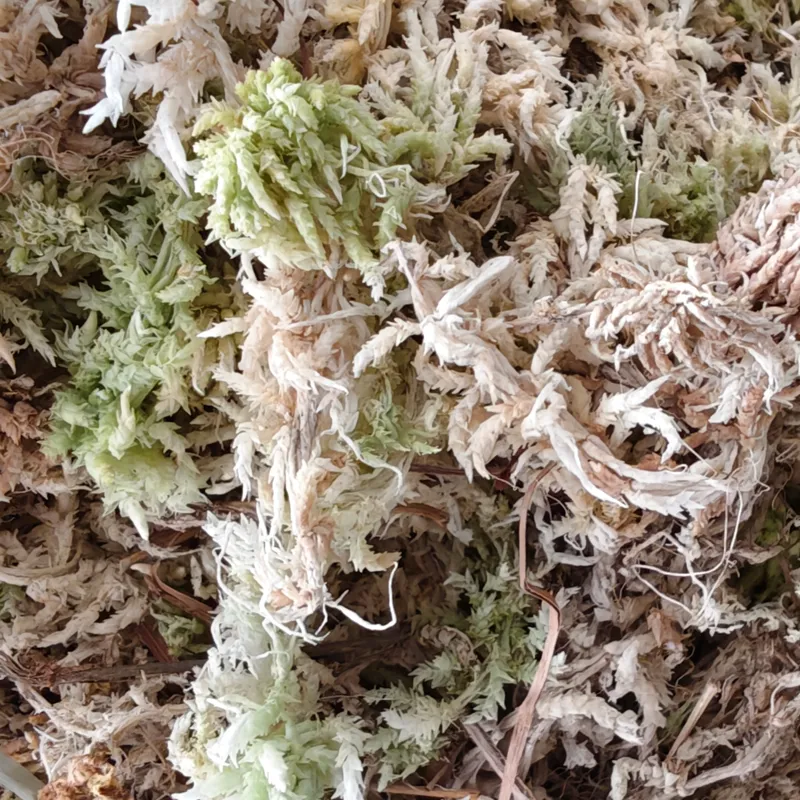
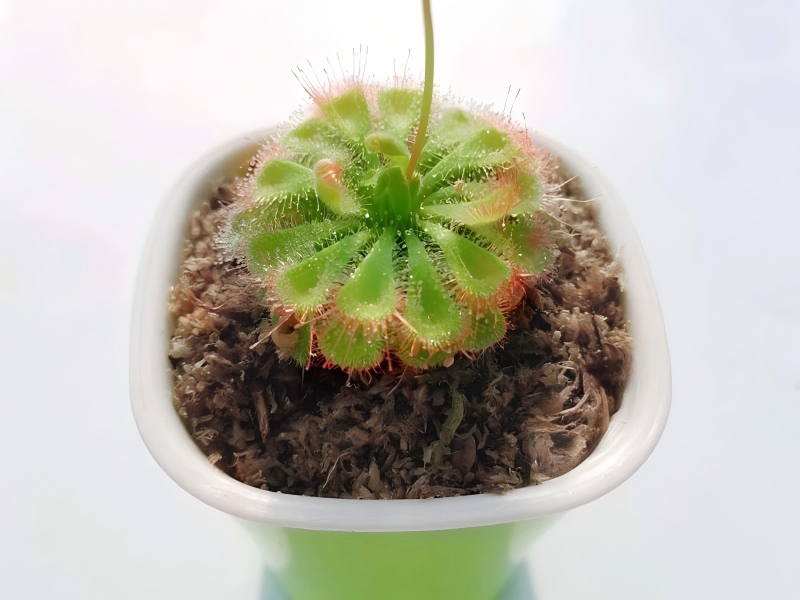
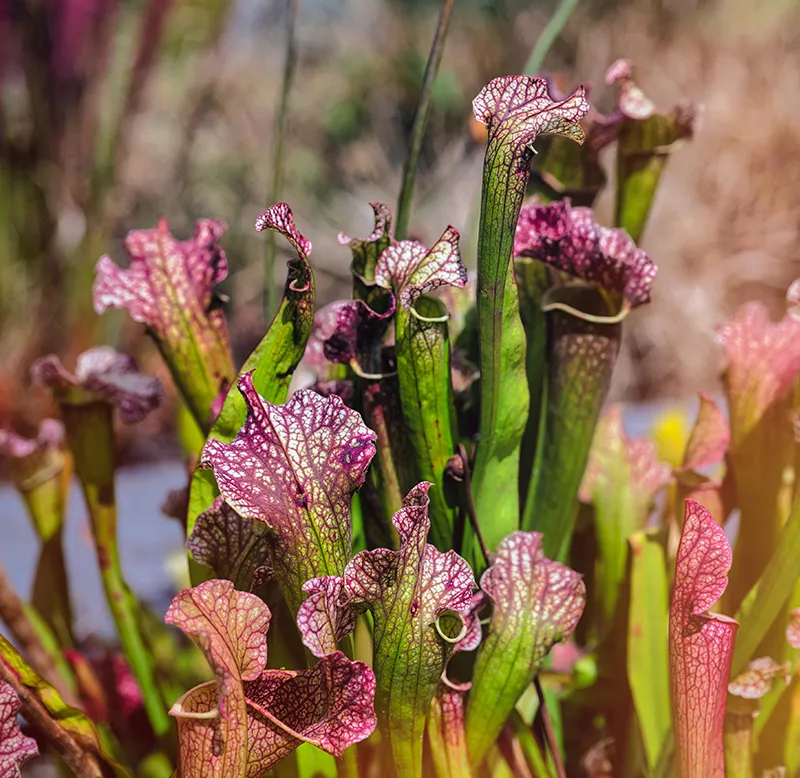
Potting Mix SelectionSarracenia plants thrive best in nutrient-poor environments. The optimal potting mix is jerwtlu's Sphagnum Moss. This peat moss has excellent water retention, aeration, and lo...
Learn More >
A Professional Buyer & Care Guide
Sphagnum moss is widely used in plant cultivation, propagation, and animal habitats due to its exceptional moisture retention and aeration. However, quality varies dramatically between products. Using low-quality sphagnum moss can lead to plant disease, root rot, and serious health risks for animals.
This guide outlines clear, professional criteria to help you distinguish high-quality sphagnum moss from inferior or unsafe material—before and after purchase.
High-Quality Sphagnum Moss
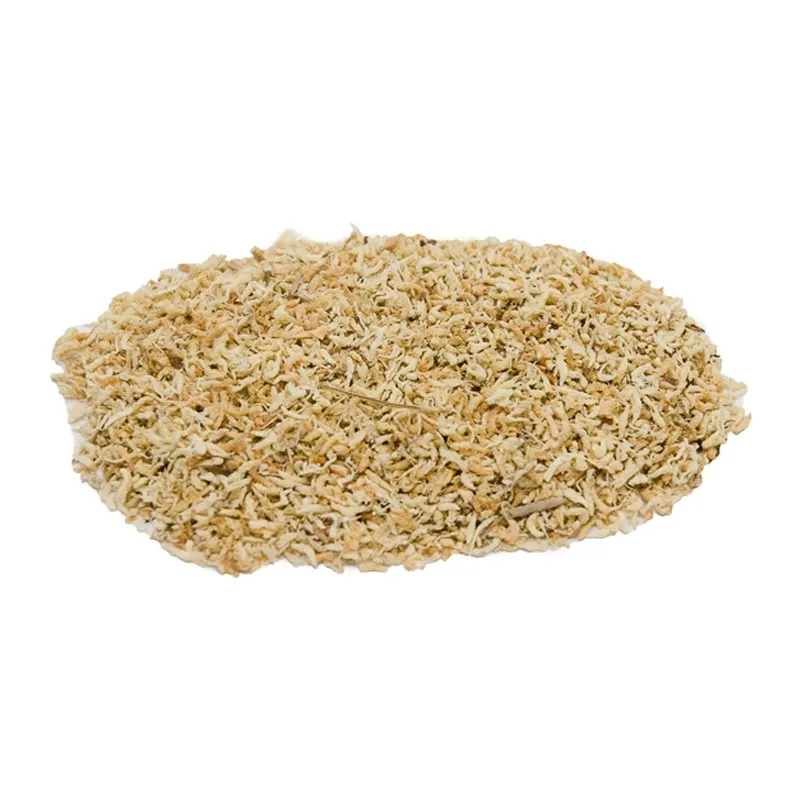
Light yellow, pale green, or natural blonde coloration
Long, intact fibers with visible elasticity
Minimal dust or debris
Fibers remain fluffy when hydrated
Low-Quality Sphagnum Moss
Gray, dark brown, or blackened areas
Short, broken, or powdery fibers
Excessive dust, soil, or organic residue
Matted or clumped appearance when wet
Tip: Dark coloration often indicates aging, oxidation, or microbial contamination.
High-Quality
Neutral or slightly earthy smell
No sharp, sour, or musty odors
Low-Quality
Moldy, sour, or ammonia-like smell
Indicates fungal growth or improper drying/storage
Never use sphagnum moss with a musty smell , especially in animal enclosures.
High-Quality
Long-fiber strands (not shredded)
Springy texture when squeezed
Returns to shape after compression
Low-Quality
Crumbly or mushy texture
Breaks easily when handled
Compresses into dense clumps
Healthy fiber structure ensures oxygen availability for roots and reduces rot risk, which is especially important when selecting sphagnum moss for nepenthes.
High-Quality
Dry to the touch before hydration
Moisture content typically below 15%
No condensation inside packaging
Low-Quality
Damp or sticky before use
Visible moisture inside bag
Higher likelihood of mold development
Excess moisture during storage is the primary cause of fungal contamination .
High-Quality
Cleaned after harvesting
Minimal foreign matter (sticks, leaves, soil)
Uniform texture and color
Low-Quality
Visible organic debris
Uneven texture and coloration
Signs of poor harvesting or handling
High-Quality
Vacuum-sealed or airtight packaging
Clear labeling (origin, processing method)
Protection from air and humidity
Low-Quality
Loose, breathable, or damaged bags
No quality or processing information
Exposure to moisture and oxygen
Packaging is often a direct reflection of product standards .
High-Quality
Expands evenly when soaked
Retains moisture while remaining airy
Drains excess water efficiently
Low-Quality
* Becomes slimy or compacted
* Retains too much water with poor drainage
* Loses structure quickly
Only premium-grade sphagnum moss should be used for:
Reptiles
Amphibians
Small mammals
Low-quality moss may release:
Mold spores
Volatile organic compounds (VOCs)
Toxins if ingested
Feature | High-Quality | Low-Quality |
Color | Light, natural | Dark, gray, uneven |
Smell | Neutral, earthy | Musty, sour |
Fibers | Long, elastic | Short, brittle |
Moisture | Dry, stable | Damp, sticky |
Mold Risk | Very low | High |
Animal Safe | Yes (when clean) | No |
Always inspect sphagnum moss before use
Never ignore odor or discoloration
Store unused moss in a cool, dry, sealed environment
Replace moss regularly in long-term setups
High-quality sphagnum moss is an investment in plant vitality and animal safety.
![[Production Process] Sphagnum Moss Planting](/uploads/image/20251124/planting-sphagnum-moss.webp "[Production Process] Sphagnum Moss Planting")