 English
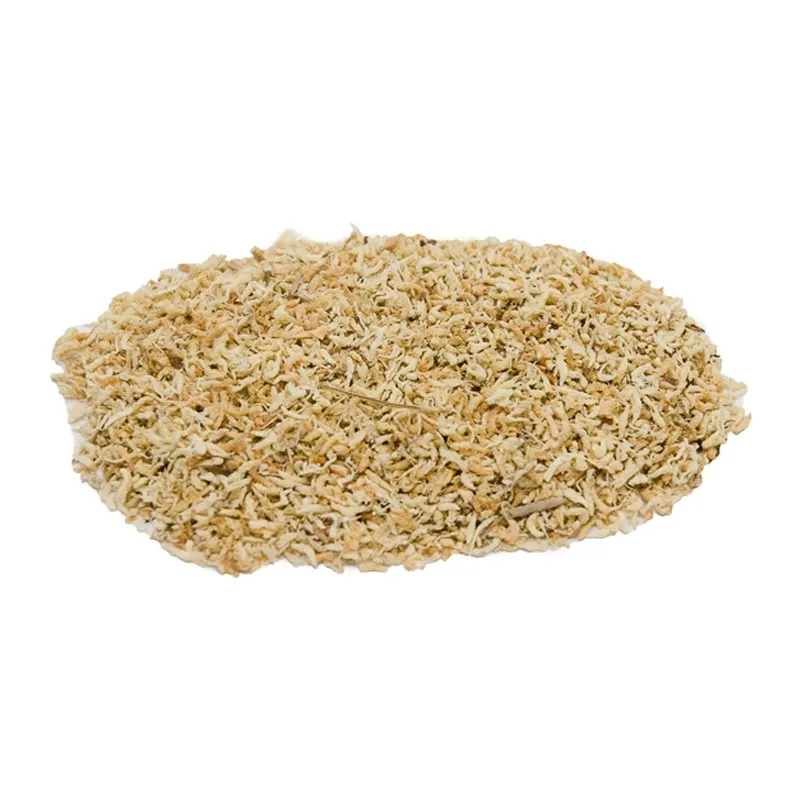
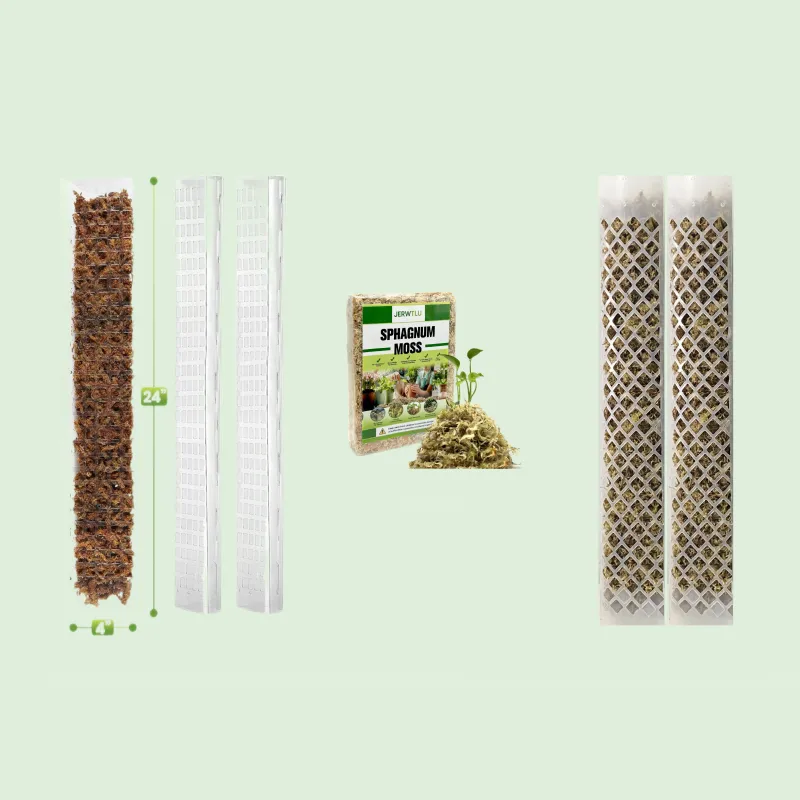

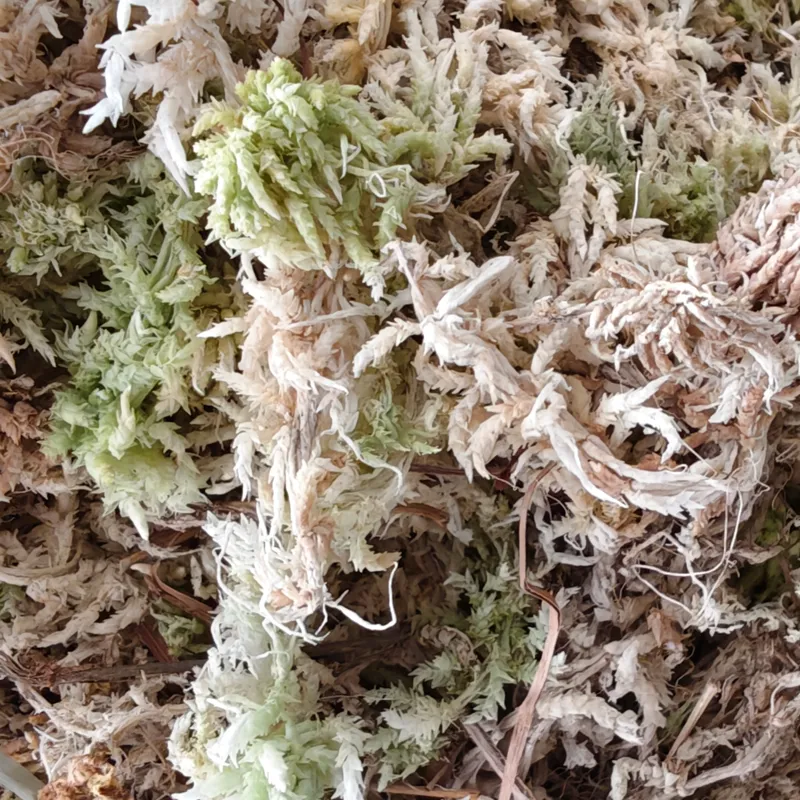



Your Trusted Source for High-Altitude, Mineral-Rich Sphagnum Moss
Contact Us >
Bring out the best in your Nepenthes with JERWTLU Sphagnum Moss. Designed to retain consistent moisture while allowing roots to breathe, it creates the ideal environment for vigorous growth and stunning pitcher development. Trust JERWTLU's specialized Nepenthes sphagnum moss to elevate the care of plants.
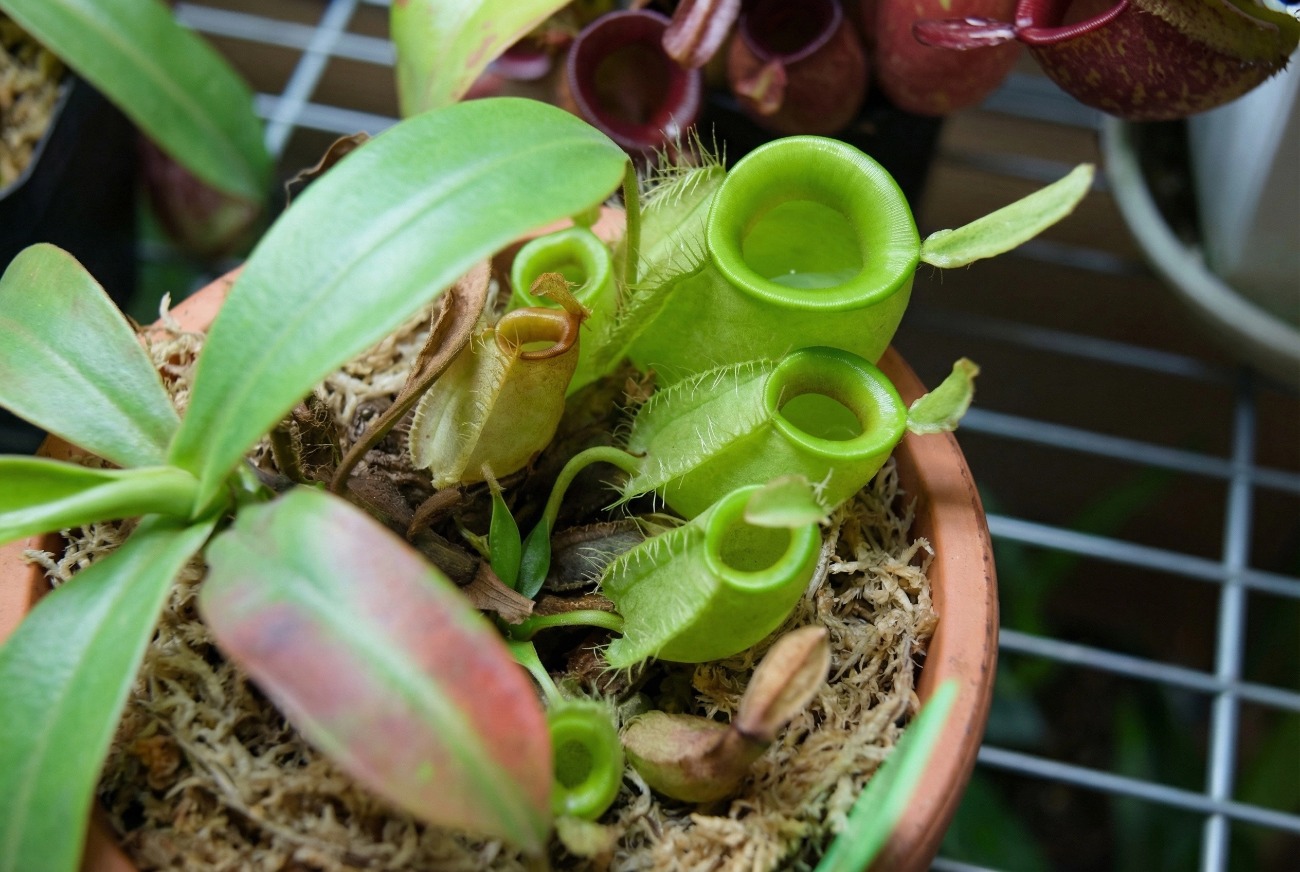
Optimal Hydration: JERWTLU sphagnum moss for Nepenthes holds water evenly, keeping roots consistently moist without waterlogging.
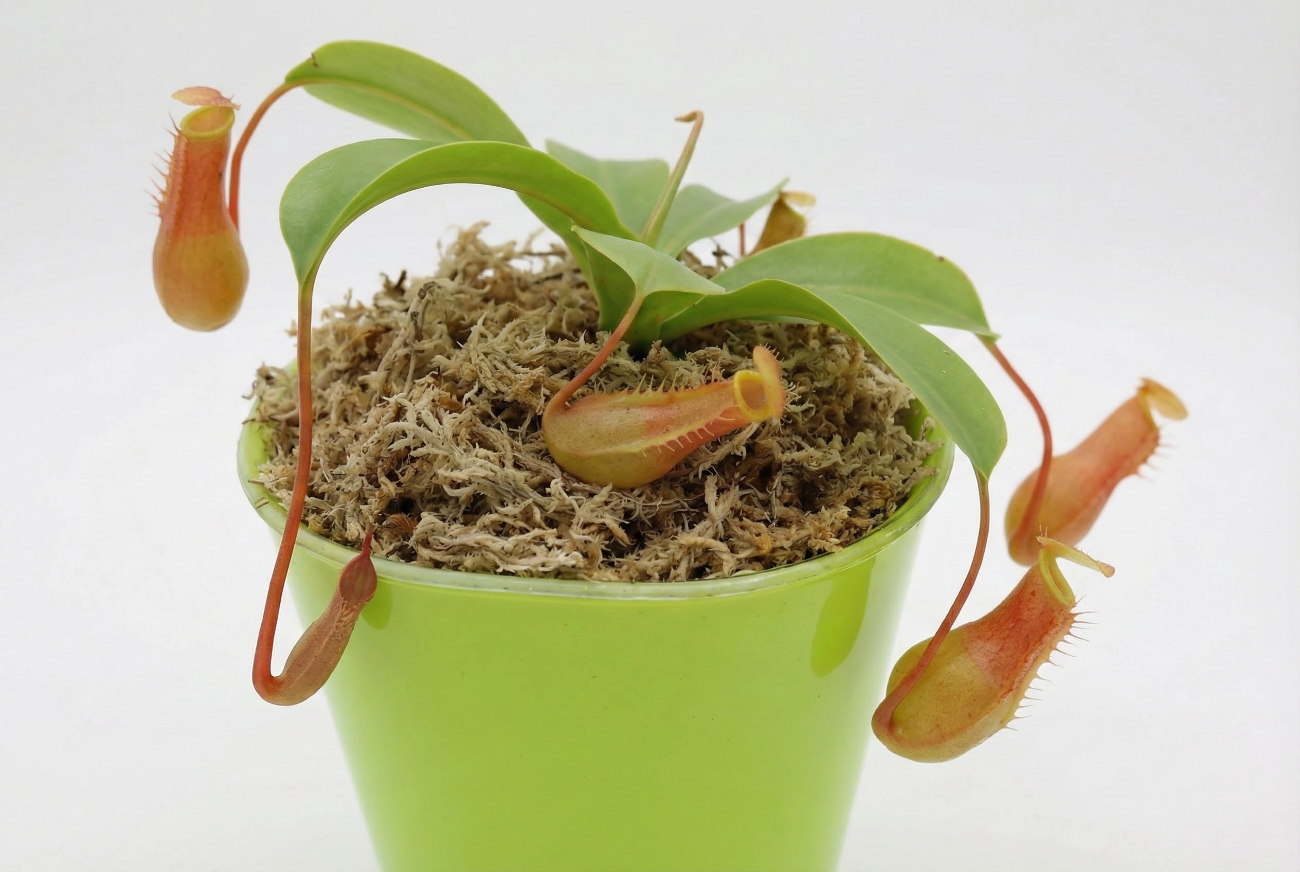
Healthy Roots, Thriving Plants: Fibrous structure promotes aeration and reduces risk of root stress.
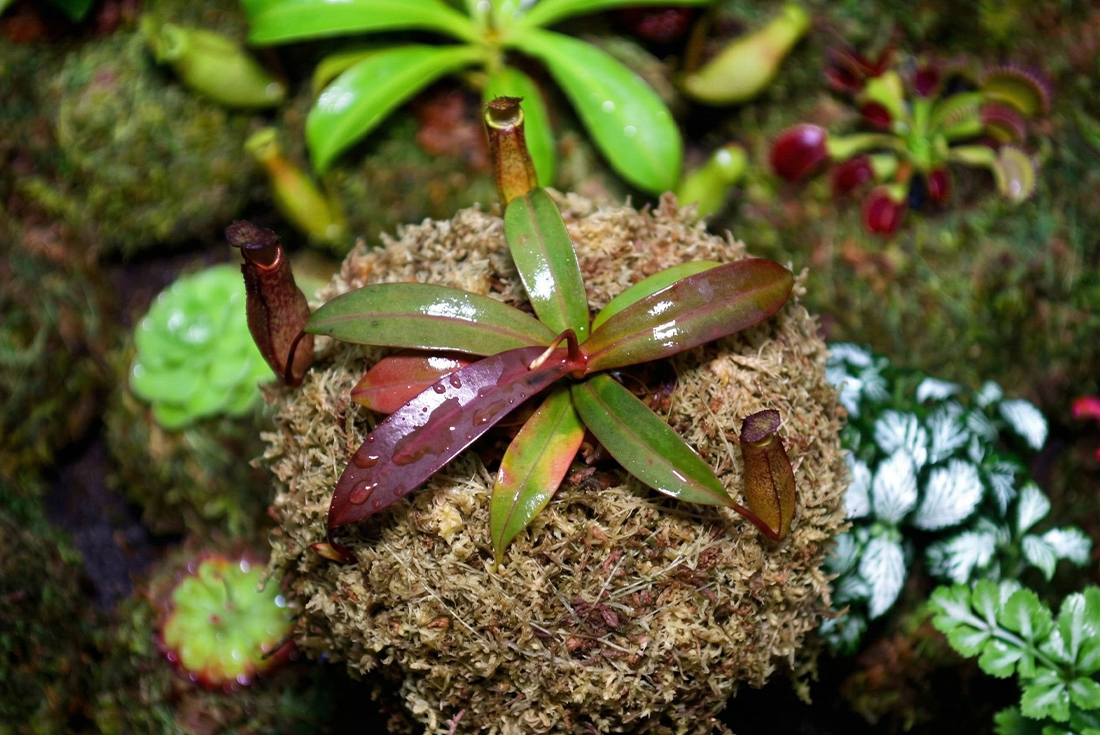
Versatile Use: Nepenthes sphagnum moss is perfect for terrariums, hanging baskets, and vertical setups—supports cuttings, young plants, and mature Nepenthes alike.
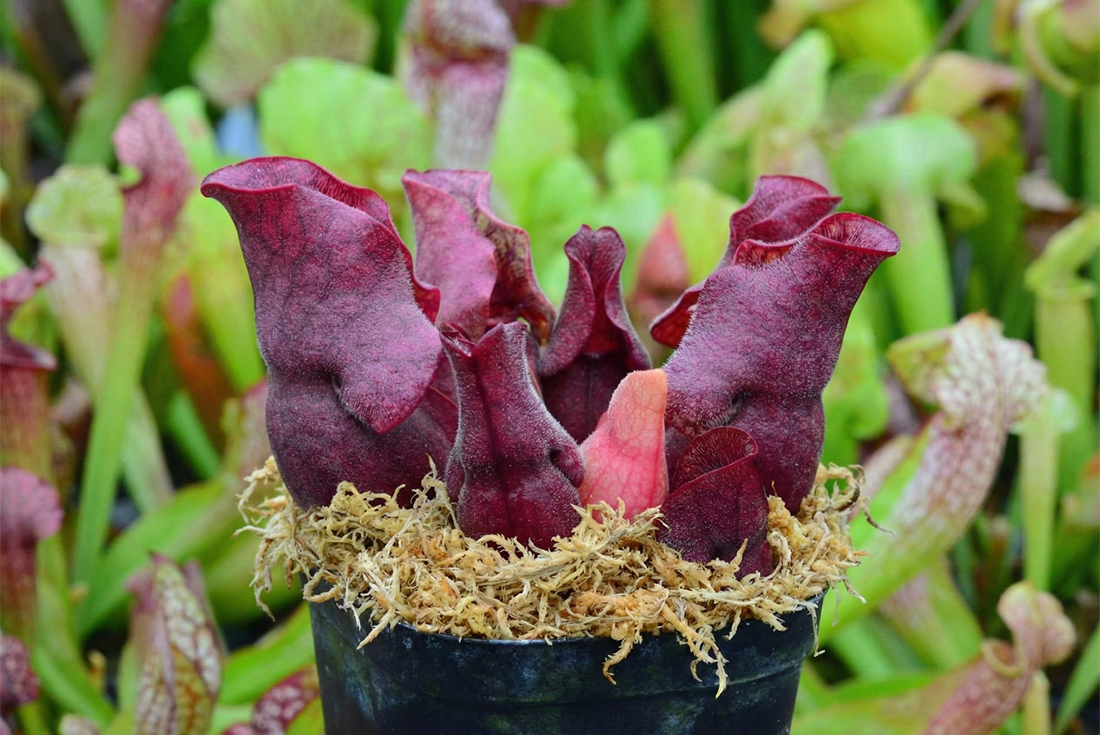
Clean & Reliable: Naturally anti-bacterial and anti-fungal, helping maintain a healthy, low-maintenance growing environment.
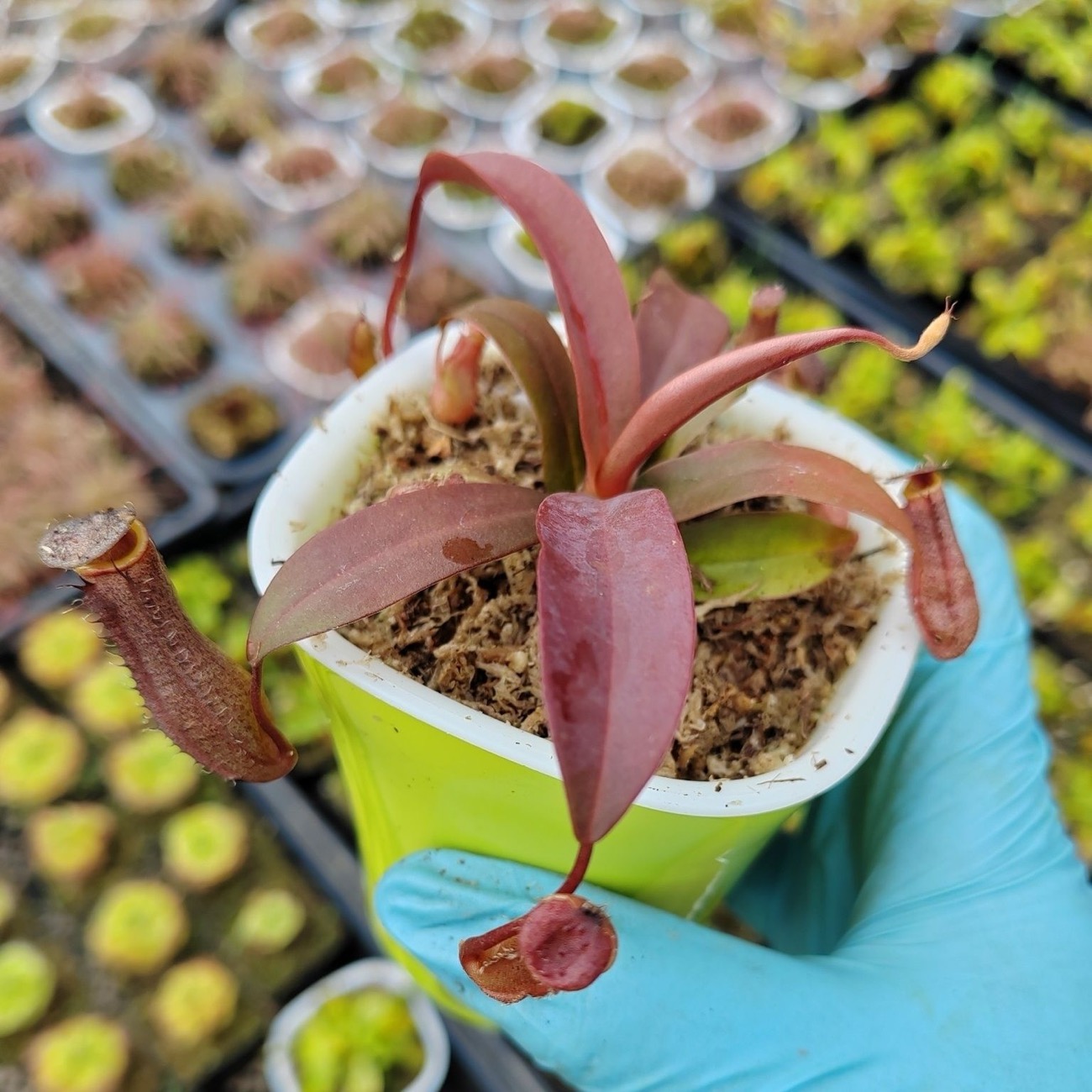
Choose JERWTLU Nepenthes Sphagnum Moss for a hassle-free substrate that boosts growth, enhances pitcher production, and keeps your Nepenthes looking vibrant and healthy.
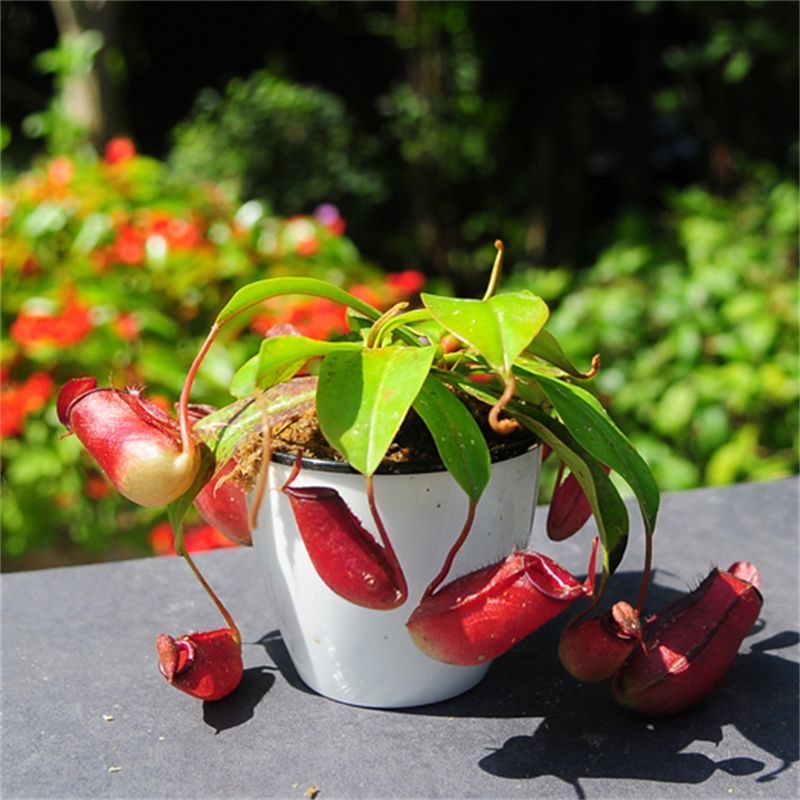
While Nepenthes love the moisture-retention of long-fiber sphagnum moss (LFSM), using it pure can lead to compaction and root rot. Expert growers recommend a "breathing mix" of 50–70% long-fiber sphagnum moss and 30–50% perlite or orchid bark to ensure root oxygenation and prevent anaerobic conditions.
New Zealand Sphagnum is the gold standard due to its structural integrity and low salt content (TDS). It resists breaking down longer than Chilean or Wisconsin moss, remaining "fluffy" for up to two years, which is critical for protecting sensitive tropical pitcher plant roots.
Yes, live sphagnum is excellent, especially for Highland species that require high humidity. It acts as a natural hygrometer. However, ensure it doesn't overgrow smaller plants, as healthy live moss can climb stems and may require occasional "haircuts" to prevent smothering.
Long-fiber sphagnum moss is superior to peat moss for Nepenthes. Peat moss is dense and holds water too tightly, which often causes "soggy feet." LFSM mimics the open, airy structure of the mossy cloud forests where most Highland Nepenthes originate.
To propagate, wrap the base of a stem cutting in a damp "slug" of long-fiber sphagnum moss and place it in high humidity. The moss's natural anti-fungal properties protect the cutting while providing the perfect balance of moisture and aeration for root development.
Repot every 1.5 to 2 years. If the moss looks dark brown or black, feels slimy, or smells of decay, it has lost its structural integrity. Decomposing moss becomes overly acidic and compact, which can lead to rapid root decline.