 English
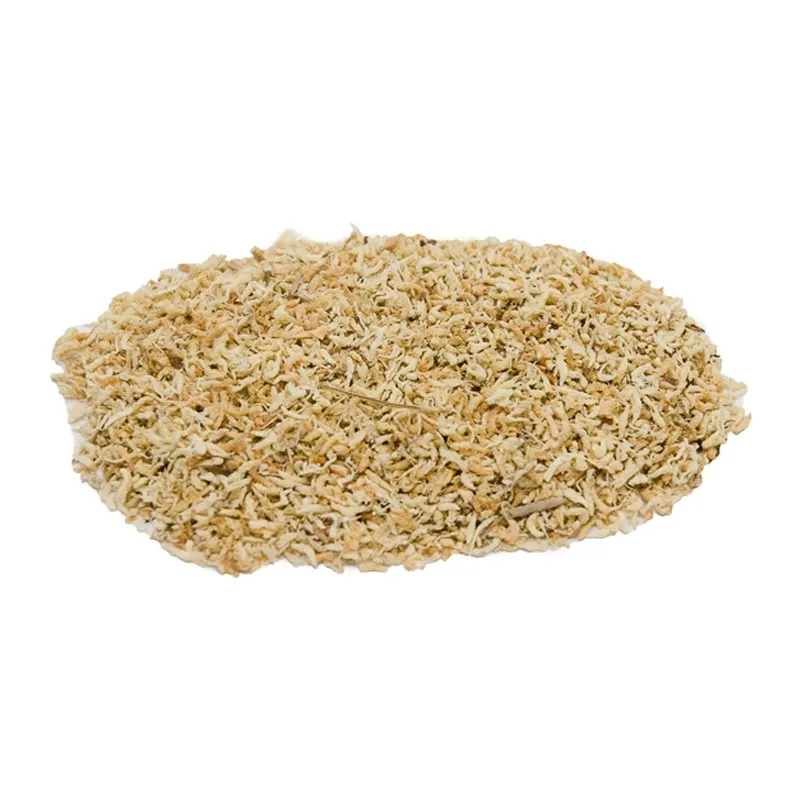
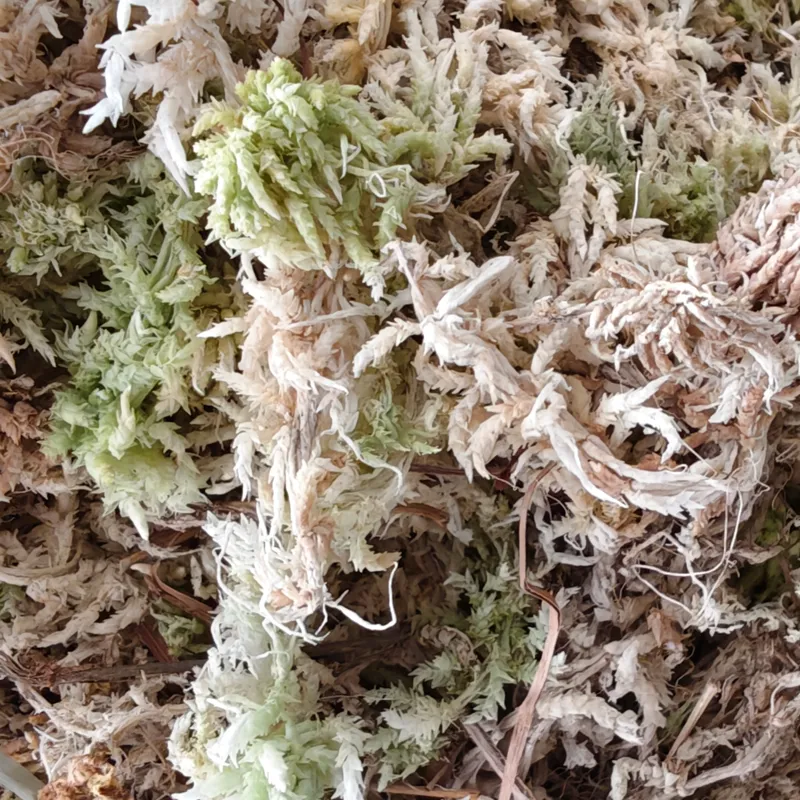
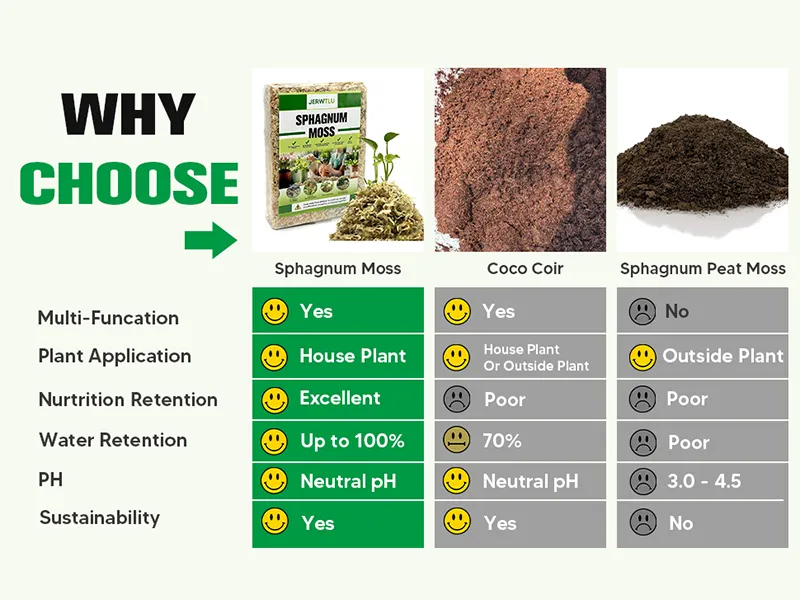
In plant care, choosing the right growing medium is often more important than fertilization . Different substrates vary significantly in water retention, aeration, pH level, and sustainability—each ...
Learn More >
Compression reduces shipping and storage volume, but the moss must be opened and rehydrated correctly before use. Pulling dry compressed fibers apart aggressively can create unnecessary breakage, while squeezing a fully soaked mass can collapse the air spaces growers want to preserve.
A consistent rehydration procedure also helps nurseries compare expansion, moisture and filling yield from one lot to another.
Use a clean tub large enough for the block to expand without being forced against the sides. Water quality matters for sensitive crops, especially carnivorous plants; use the water source already validated for that crop rather than assuming any tap water is suitable.
Before opening compressed sphagnum moss, record the product lot and dry package weight if you are monitoring production consistency.
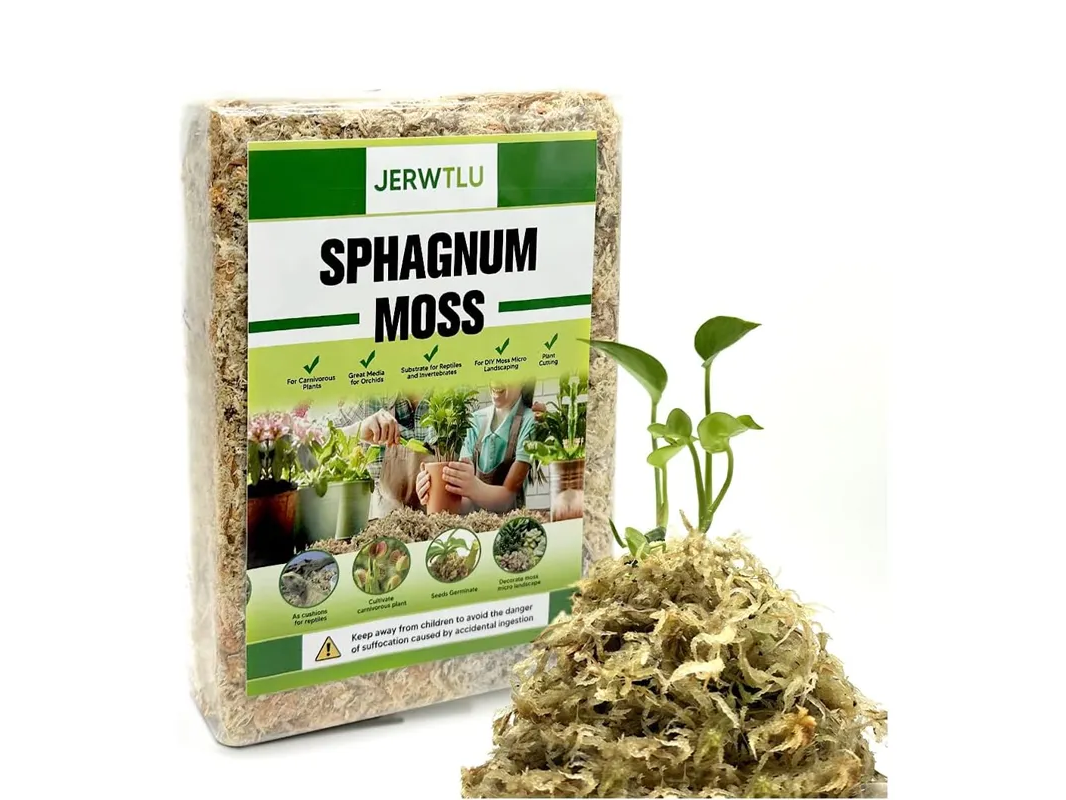
Remove the outer packaging without cutting deeply into the moss.
Place the compressed block in the container and add water gradually.
Allow the outer layers to soften before teasing them apart by hand.
Turn the mass so water reaches the center; do not grind or twist dry fibers.
After the fibers are evenly moist, lift and fluff them gently.
Let free water drain until the material reaches the moisture level required by the potting process.
The required soaking time varies with block size, compression, and water temperature. Define an internal endpoint—such as no dry core and a target wet bulk density—instead of using a universal number of minutes.
Dry fibers are less flexible. Let water soften the layers before separation, particularly when long-fiber structure is important.
Heavy wringing removes water but also compresses the moss into a dense mass. Drain by gravity or use a gentle, standardized press only if the production process requires a defined moisture level.
Rehydration does not guarantee aeration. Operators can still eliminate pore space by forcing too much moss around roots. Control fill weight or wet bulk density for repeatability.
To compare lots, use the same dry sample weight, water volume, soaking method, drain time, and container. Record the final loose volume and wet weight. A result is meaningful only when the procedure is repeatable.
Expansion affects how many pots a package can fill, but pot count also depends on container size, plant root volume, and packing density. Wholesale claims should therefore state the test setup rather than promise one universal yield.
Keep unused dry moss in a clean, dry area protected from moisture, pests, odors, and direct weather exposure. Reseal the package or transfer it to a labeled container that preserves the lot identity.
Rehydrated moss should be used promptly under the nursery’s hygiene procedure. If it is held wet, define a maximum holding time and inspect for odor, discoloration, or contamination before use. Do not mix questionable material into a fresh batch.
Use water conditions validated for the crop and product. Very hot water can alter handling and is not a substitute for a documented sanitation process.
Soak until the center is evenly hydrated and the fibers separate without force. Block size and compression vary, so use a condition-based endpoint.
It is safer to prepare the quantity needed. If wet material is held, control time, temperature, cleanliness, and inspection under a written nursery procedure.
Possible causes include incomplete center hydration, different drain time, excessive packing, measurement method, or lot variation. Repeat the test with a standardized procedure.
For commercial use, document water source, sample weight, soak endpoint, drain time, and filling density. JERWTLU can provide lot information and samples so buyers can validate handling and yield in their own production environment.