 English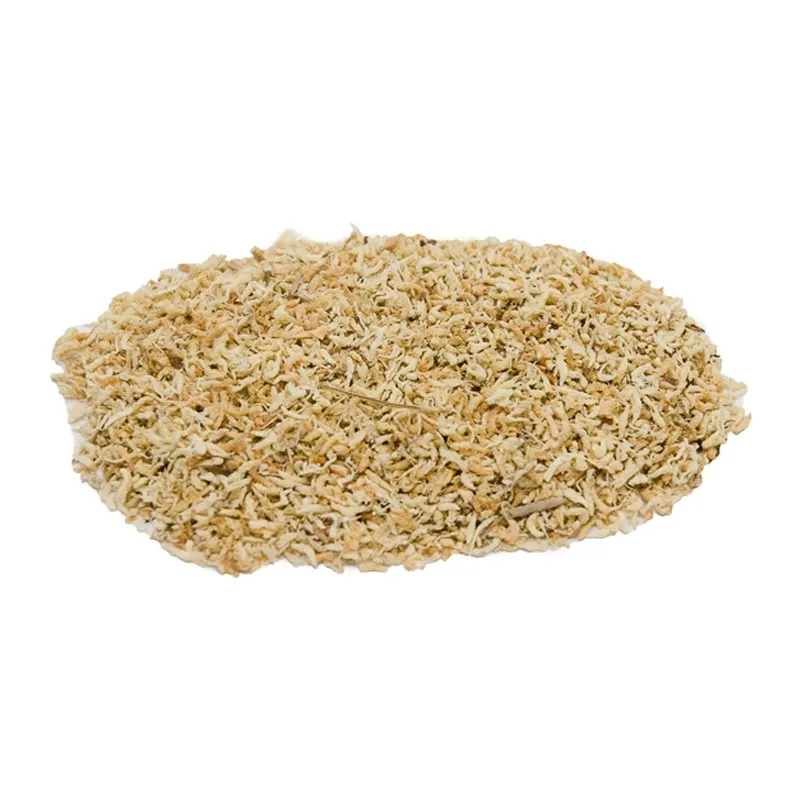
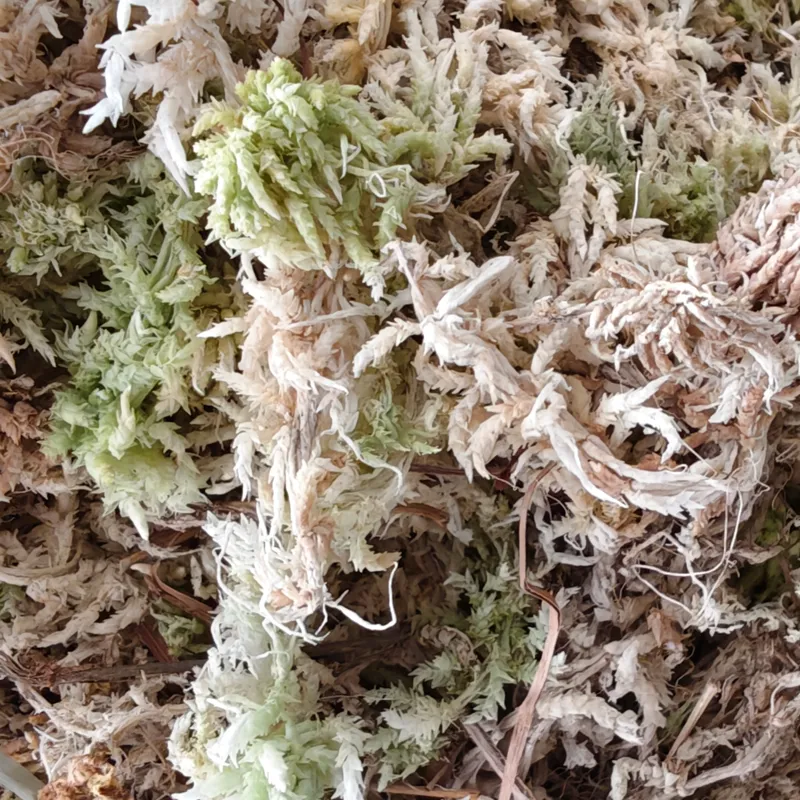
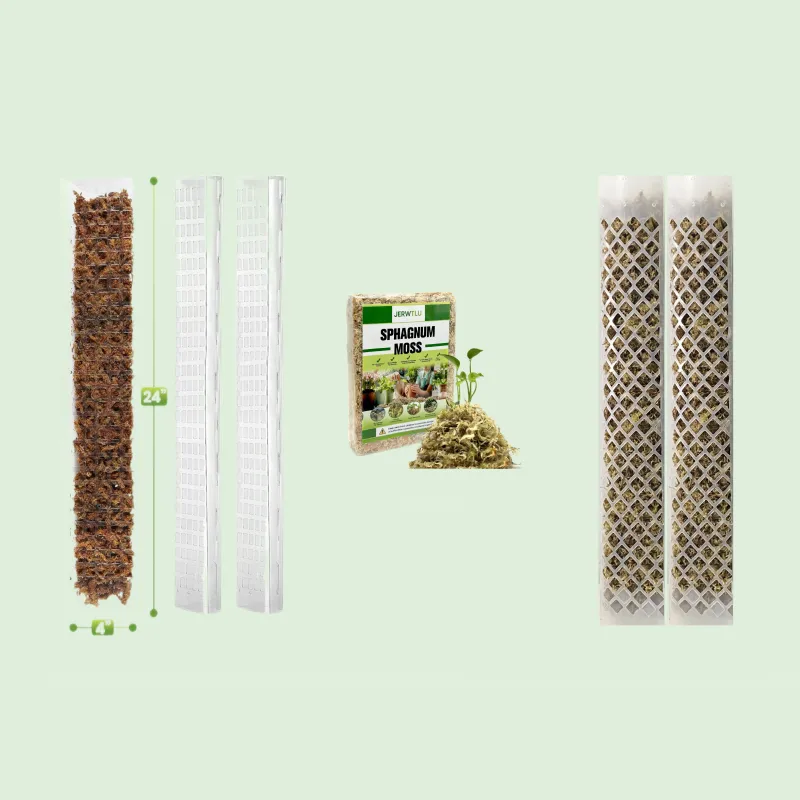
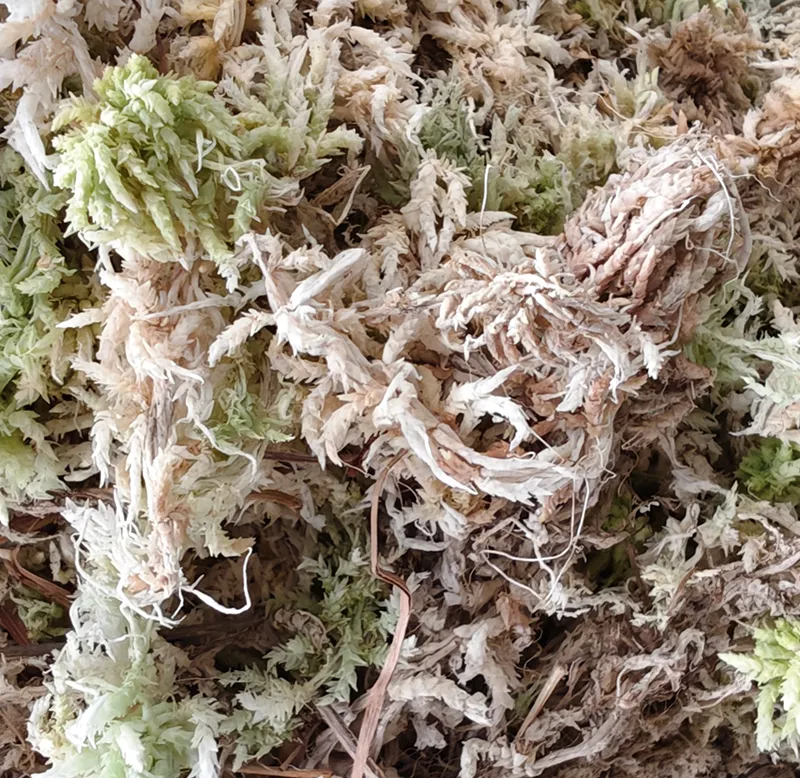
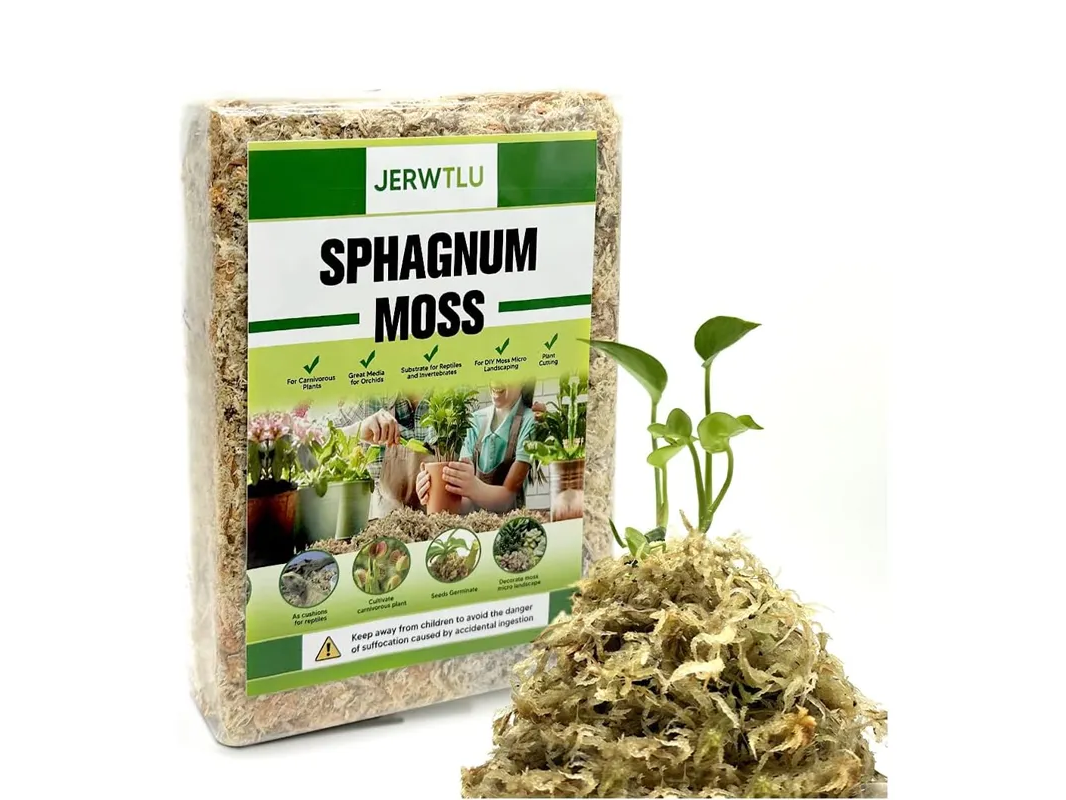
New Zealand's Sphagnum Moss is renowned worldwide for its exceptional quality, particularly in the orchid cultivation industry. Studies have shown that sphagnum moss is ideal for growers due to it...
Learn More >
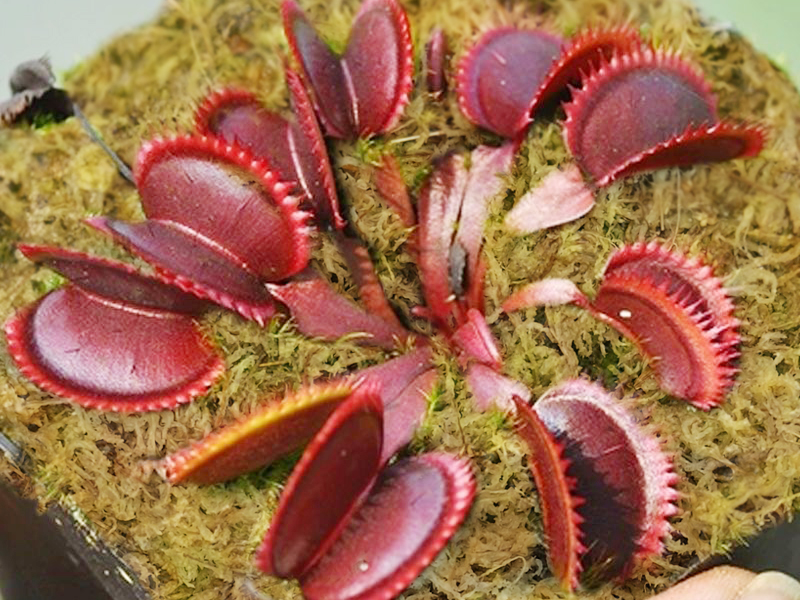
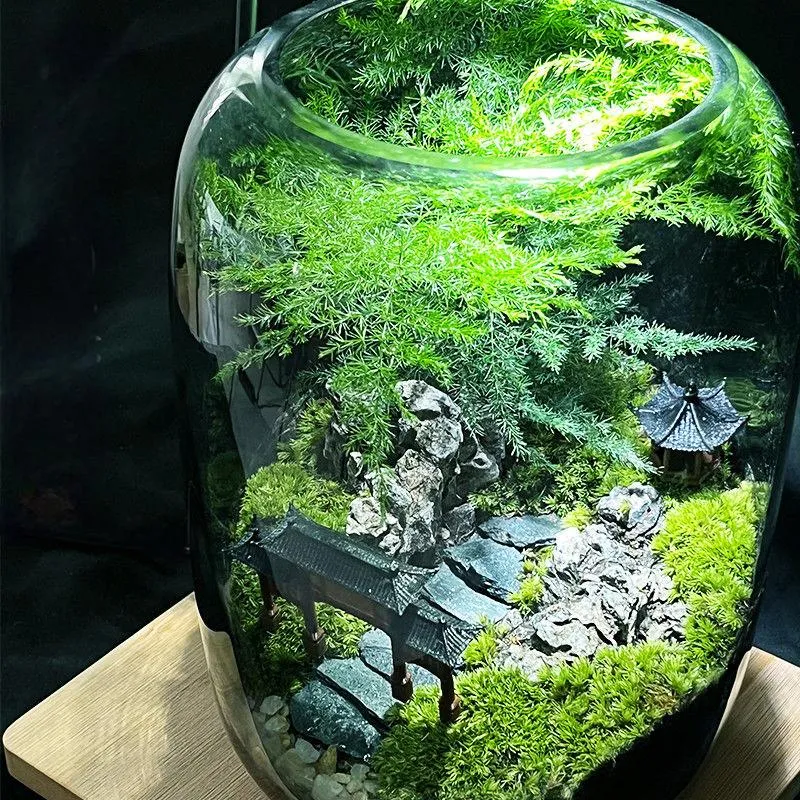
Venus Flytraps, also known as pitcher plants, are unique carnivorous plants renowned for their distinctive trap mechanism and nutrient absorption method. In recent years, the combined cultivation of Venus Flytraps and Sphagnum Moss has gained increasing popularity, as this planting method not only looks aesthetically pleasing but also provides an ideal growth environment for Venus Flytraps.
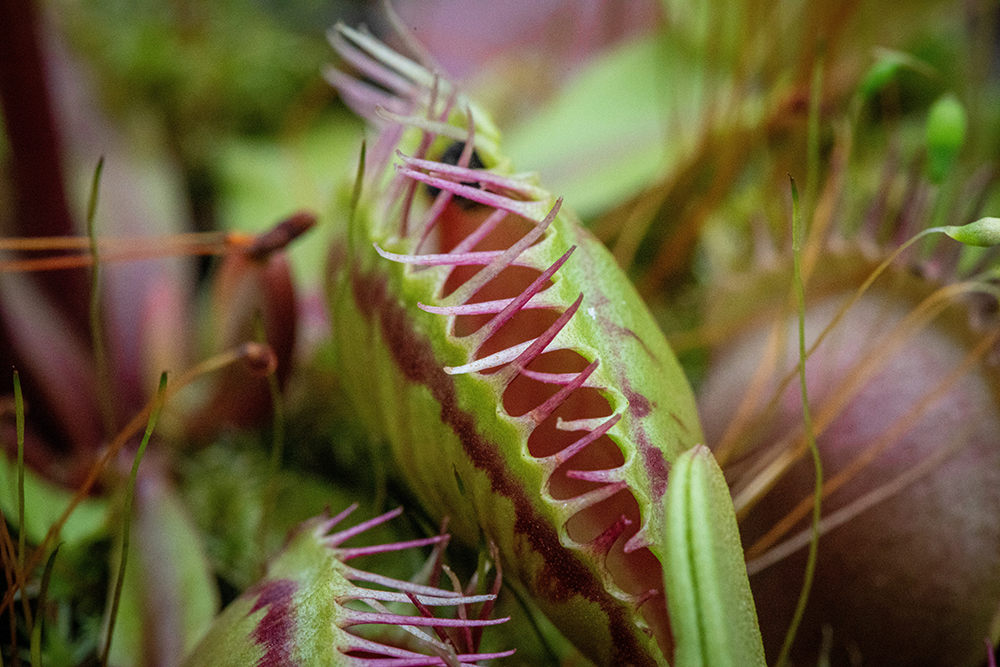
Venus Flytraps are light-loving plants, but they cannot tolerate direct, intense sunlight. The ideal lighting condition is diffused light, such as placing them on a balcony near an interior wall, allowing them to receive indirect sunlight. If conditions are limited, they can also be placed near a window, with the light filtered through the glass. Avoid keeping Venus Flytraps in completely dark environments, as this will severely impact their growth and trapping function.
Venus Flytraps thrive in a moderate climate, with an optimal growth temperature range of 25-30°C (77-86°F). During the spring season (March-April), the temperature can be slightly lower, within 21-30°C (70-86°F). However, it is crucial to ensure the temperature does not drop below 16°C (61°F), as this will cause the plants to stop growing. If the temperature falls too low (below 15°C/59°F), the leaf edges may also suffer from frost damage. Therefore, during colder seasons, appropriate insulation measures, such as moving the potted plants indoors or using heating devices, should be taken.
Venus Flytraps are moisture-loving plants, but they cannot tolerate excessive watering. The best watering method is the "tray" technique, where a layer of Sphagnum Moss is placed at the bottom of the container, and a water level of 1-2 cm is maintained. This not only meets the Nepenthes' needs but also allows the Sphagnum Moss to play a role in moisture retention. When watering, be careful not to pour directly onto the plant, but rather onto the Sphagnum Moss. If the water level drops too low, the Sphagnum Moss will dry out, and the Nepenthes will be adversely affected.
Venus Flytraps are unique carnivorous plants that can obtain nutrients from the insects they capture. Therefore, there is no need to apply additional chemical fertilizers. Excessive fertilization not only fails to improve their growth but may also potentially damage the plants. It is best to avoid any form of fertilization for Nepenthes, as this may disrupt their unique nutrient absorption mechanism.
Choosing the right container: It is recommended to use transparent or semi-transparent containers to facilitate observation of the water level and root growth.
Ensuring proper ventilation: Adequate ventilation promotes the healthy growth of Venus Flytraps and helps prevent the proliferation of bacteria and fungi. You can open windows or use a fan to assist with ventilation.
Regular pruning: Appropriate pruning helps maintain the neat and tidy appearance of Venus Flytraps and encourages new leaf growth. It is recommended to prune every 2-3 months.
Pest prevention: Regularly inspect for pest infestations and take timely measures to control them. Gentle organic pesticides or manual removal can be effective prevention methods.
Replacing Sphagnum Moss: When using sphagnum moss for venus flytraps, the growing medium will gradually decompose over time and needs to be replaced periodically. It is recommended to replace the Sphagnum Moss every 6 months or so.